If you’re looking to buy property in Italy, chances are you’ll come across stunning churches and historic buildings in towns and cities nearby. Italy’s rich religious architecture is a big part of its charm, but terms like basilica, cathedral, and duomo can be confusing. What do they mean? And why does it matter?
In this guide, we’ll explain the difference between a basilica and a cathedral, and why understanding these terms helps you appreciate Italy’s culture — and maybe even the neighbourhood around your new home.
What is a Basilica?
A basilica is a special title given by the Pope to certain churches because of their religious, historical, or artistic importance. The word “basilica” actually comes from ancient Rome, where it originally meant a large public building used for meetings or law courts — not a church.
When Christianity became the official religion of the Roman Empire, the basilica’s architecture was adapted for Christian worship. Today, there are two types of basilicas:
- Major basilicas: Only four in the world, all in Rome (including St Peter’s Basilica). These have a unique connection to the Pope.
- Minor basilicas: More common, spread across Italy and worldwide. They have special status due to their significance in history or devotion.
If a church near your property is called a basilica, it means it’s a place of high importance but still functions as a regular place of worship for the local community.
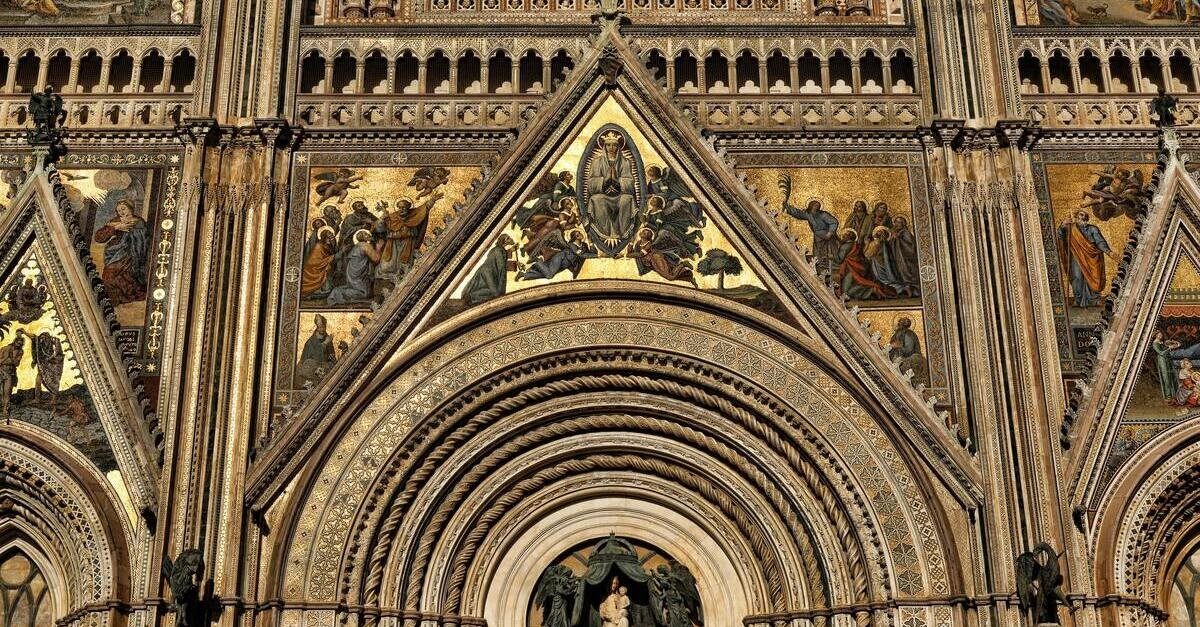
What is a Cathedral?
A cathedral is the main church of a diocese — that is, the area governed by a bishop. The cathedral contains the bishop’s “cathedra,” or seat, symbolising his authority over the diocese.
Cathedrals are where the most important religious ceremonies in the diocese take place, such as ordinations or Holy Week celebrations led by the bishop.
Unlike basilicas, cathedrals are strictly linked to the Church’s administrative organisation. Every diocese has just one cathedral.
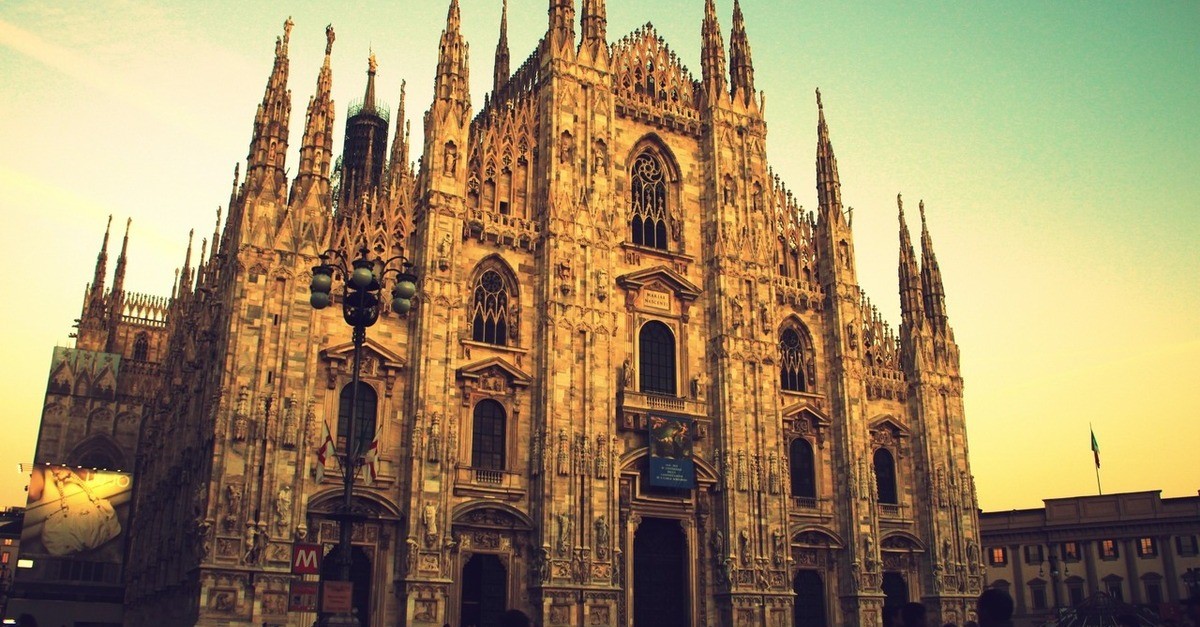
Famous cathedrals in Italy include Milan Cathedral (Duomo di Milano) and Florence Cathedral (Duomo di Firenze).
What about a Duomo?
In Italy, the term duomo is often used for the most important church in a city or town, whether or not it is a cathedral. The word comes from the Latin domus, meaning “house” — referring to the house of God or the local Christian community.
Sometimes, the duomo is the cathedral (as in Milan or Florence), but sometimes it’s not. It’s more of a local tradition than an official Church title.
Why does this matter when buying property in Italy?
When you’re exploring towns or cities near your potential new home, knowing these differences can help you understand the local culture better. Churches often mark the historical and social heart of Italian communities — and a basilica, cathedral, or duomo nearby may indicate a lively centre with rich heritage, festivals, and traditions.
Plus, these buildings are often key landmarks and can be focal points for community events, which might enhance your experience living there or even affect property values.
Quick summary: Basilica, Cathedral, Duomo
| Term | Meaning | Role | Examples |
|---|---|---|---|
| Basilica | Honourary title from the Pope for important churches | Places of worship with special status | St Peter’s Basilica, Basilica di San Marco (Venice) |
| Cathedral | Main church of a diocese, bishop’s seat | Centre of diocesan administration | Duomo di Milano, Duomo di Firenze |
| Duomo | Local term for main church in a city or town | Often cathedral, sometimes not | Duomo di Milano, Duomo di Monza |
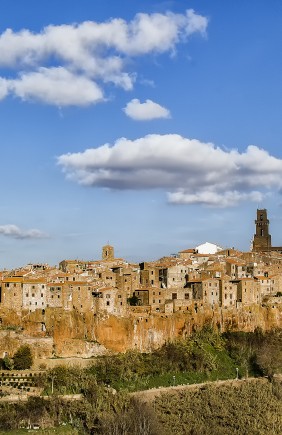
Thinking of buying a home near Italy’s historic centres? Discover the rich stories behind these iconic churches and why they remain a vibrant part of community life — whether you’re in Rome, Florence, Milan or a charming hilltop village.