If you’re trying to work out the top places in Italy to buy a 1 euro house, it helps to know that not all schemes are created equal. Some villages are still actively hunting for new residents and small business owners, while others are more like success stories from the early days.
Across Sicily, Sardinia, the Apennines and even the Alps, tiny comuni are still in the spotlight for 1-euro houses in 2026, offering symbolic homes in exchange for a commitment to renovate and actually use the place.
See where 1-euro house villages are on the map
Before zooming in on the top places, it helps to get a country‑wide overview of where the main schemes are clustered. An interactive map of 1 euro houses in Italy 2026 shows which regions are or have been active, how far villages are from major cities, and whether your favourite spots are surrounded by other potential projects.
Top places in Italy with 1-euro house schemes
Sambuca di Sicilia
One of many villages with 1-euro house schemes in Sicily, Sambuca is a hill town in the Belice Valley. The village boasts a tight old centre that still shows its Arab layout in the narrow alleys and internal courtyards. It exploded into international headlines a few years ago when the Comune launched its 1 euro house scheme, and foreign buyers started snapping up crumbling townhouses. The later rounds shifted to a sealed‑bid system with higher starting prices (sometimes branded as €2 houses or similar).

- Pros:
- One of the best‑known 1 euro destinations, so there’s already a small expat scene.
- Real services and life all year: schools, shops, bars, not just a pretty borgo on a hill.
- Cons:
- Prices have crept up thanks to all the publicity; true “1 euro” bargains are rarer.
- Media attention means more competition for the best properties.
Sambuca suits you if you want a sociable base in Sicily with a mix of locals and international neighbours. It’s good for remote workers, semi‑retirees and anyone planning to spend a lot of time in Italy, rather than pure holiday‑home buyers who only show up in August.
Mussomeli
Mussomeli is a dramatic inland town in Sicily, crowned by a castle perched on a rocky outcrop. The 1 euro scheme there has been closely followed in foreign media, and you’ll find plenty of stories of buyers renovating multi‑storey houses with balconies overlooking the countryside. Even beyond the official 1 euro pool, the local market still has very low prices, so people often pivot to “normal” listings if they miss the formal call.

- Pros:
- A track record of welcoming foreign buyers, with some language support and hand‑holding.
- Very affordable property even outside the strict 1 euro scheme.
- Cons:
- Remote: you’re a drive from any major city or beach, so not great if looking for 1-euro houses by the sea.
- Summer heat and winter damp can be hard on older buildings.
Mussomeli suits people who want a deep dive into “real Sicily” and don’t mind being inland. It works for digital nomads who are happy with a car and strong internet, long‑term expats who like anonymity, and those who see the renovation as a big personal project rather than a quick win.
Ollolai
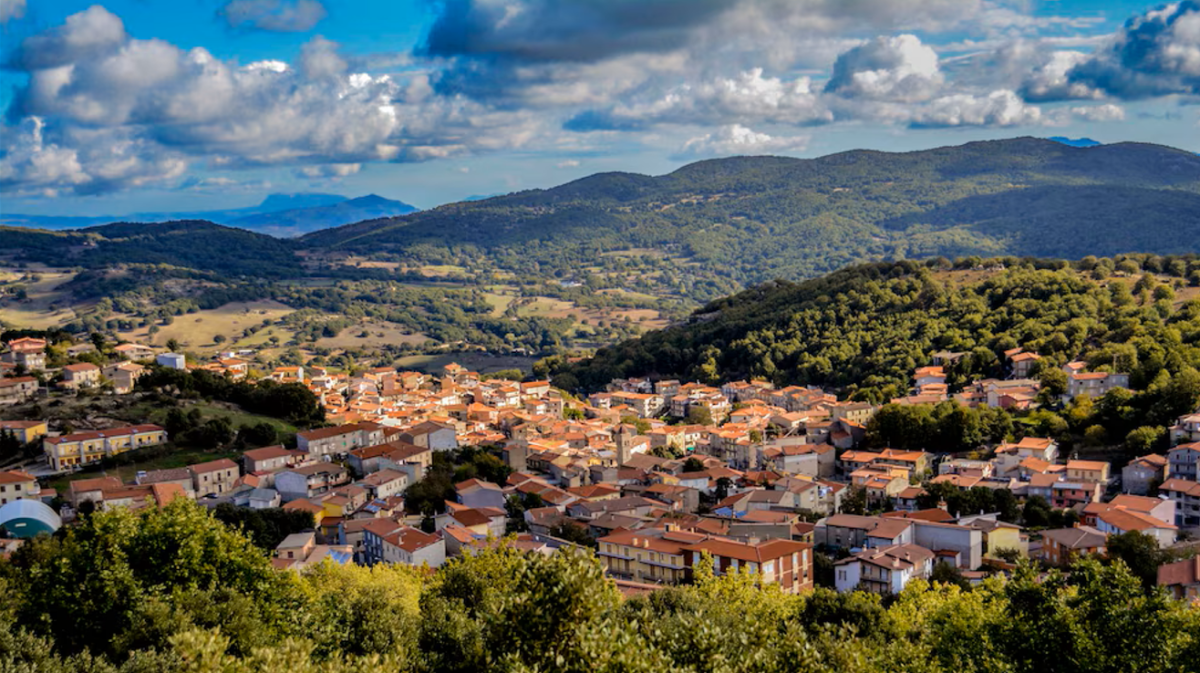
Ollolai sits in the Barbagia mountains in central Sardinia, an area with strong traditions and a handful of 1-euro house schemes. The Comune gained international attention a few years back with its 1 euro homes project and 'Work From Ollolai (WFO)' rental programme. It has brought in a mix of foreign buyers, especially Americans, and curious visitors.
- Pros:
- Authentic inland Sardinian culture, well away from mass tourism.
- Cooler in summer than the lowlands, with easy access to hiking areas.
- Cons:
- Far from beaches and airports, so travel days are longer.
- Very quiet outside local festivals; nightlife is essentially the village bar.
Ollolai works for people who like the idea of living somewhere traditional, small and very local, and who see the coast as a place just to visit. It’s a good fit for remote workers, creatives, and semi‑retired couples who value community ties and outdoor life over convenience.
Biccari
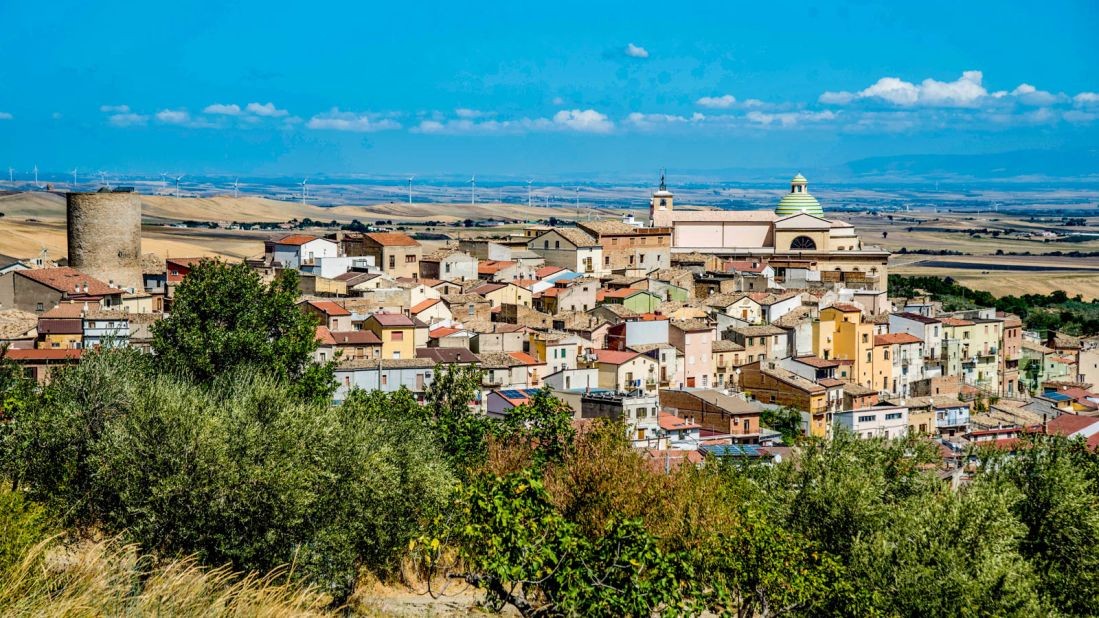
Biccari is a small village in the Daunia mountains in northern Apulia, surrounded by woodland and rolling hills rather than olive‑grove‑by‑the‑sea postcards. The municipality has used low‑cost housing and related initiatives to pull attention to the area, alongside projects like lakeside cabins and glamping to bring in visitors. The 1 euro narrative in Biccari is less about quick flips and more about getting people to settle, use local services and enjoy the countryside.
- Pros:
- Great natural surroundings, with space, fresh air and trails.
- Less touristy than the Salento or Valle d’Itria, so daily life feels very “normal”.
- Cons:
- Remote and car‑dependent; public transport can be sparse.
- Limited job market locally, unless you’re remote working.
Biccari suits nature‑lovers, remote workers and families or couples who value space and quiet over nightlife or the classic Puglia Instagram circuit. It’s the right sort of place if your dream is a vegetable garden, walks in the hills and the odd weekend down on the coast rather than daily aperitivo by the sea.
Pratola Peligna
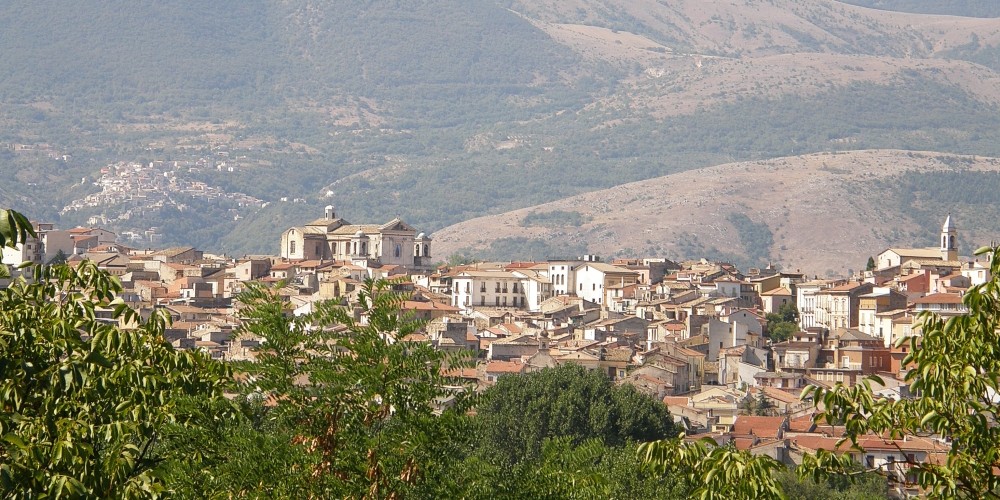
Pratola Peligna lies in the Valle Peligna, in Abruzzo, with the Maiella mountains to one side and the Adriatic around an hour away. It joined the 1 euro conversation in 2021 as part of a wider Abruzzo push to revive historic centres in working towns, not just postcard villages. Since then, foreigners from Sweden, Denmark and Argentina have settled here. Here, the appeal is that you’re in a real community with trains, schools and services, but still in a region of national parks and ski slopes.
- Pros:
- Lived‑in, year‑round town with proper infrastructure.
- Easy reach of mountains, lakes and the coast.
- Cons:
- Architecturally less fairy‑tale than some tiny borghi.
- Some old properties may need major structural work due to age and seismic issues in the region.
Pratola Peligna suits people who want to actually live in Abruzzo, not just visit. It’s a good match for families, remote workers and anyone who wants that balance of mountains, small‑town life and reasonable access to transport and services, without needing heavy nightlife or constant tourist buzz.
Gangi
Gangi is a spectacular Sicilian medieval hill town in the Madonie mountains, officially listed among Italy’s most beautiful villages. It was one of the earliest and most talked‑about places to introduce a 1 euro house scheme, which brought in a wave of foreign interest and helped kick‑start the whole national trend. Many of the original properties have already been assigned, and these days it’s often mentioned as a pioneer rather than a place with endless new stock, though you can still find relatively affordable homes on the open market.

- Pros:
- Incredibly scenic historic centre with sweeping countryside views.
- Strong sense of identity and tradition.
- Cons:
- The pure 1 euro pool is much more limited now.
- High, inland location means cold, sometimes snowy winters and hot summers.
Gangi suits people who are drawn to beautiful, old villages and aren’t fussed about being near the sea or a large city. It’s good for second‑home owners, writers, artists and remote workers who are happy with a slower rhythm and limited social options beyond local life.
Oyace
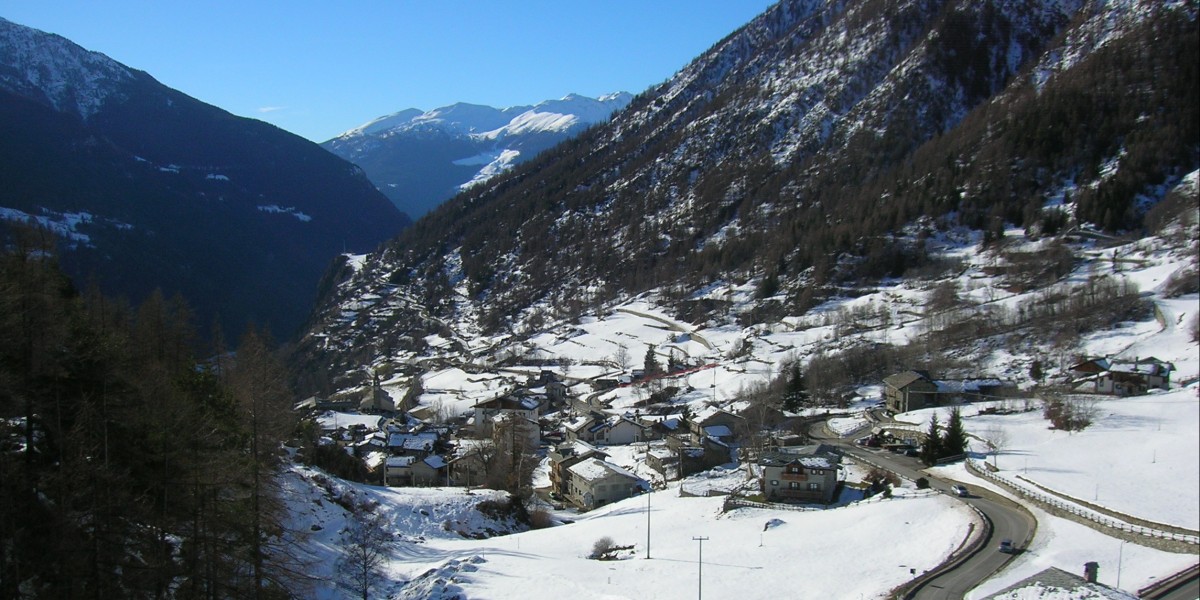
Oyace is a small Alpine village in the Aosta Valley, surrounded by larch woods, high peaks and snow for a good chunk of the year. Local authorities have been looking at using abandoned buildings and cheap‑house policies to fight depopulation and keep services running. The village appears in 1 euro village lists as an example of a northern, mountain‑based scheme. The mood here is very different from the southern projects: think mountain hamlet, not sun‑drenched piazza.
- Pros:
- Stunning Alpine setting with access to hiking and winter sports.
- Cooler summers and proper seasons.
- Cons:
- Long, cold winters, with snow and higher heating costs.
- Very quiet outside peak holiday periods.
Oyace suits mountain people: hikers, skiers, and anyone who has always secretly wanted to live somewhere with snow on the doorstep and doesn’t mind the trade‑offs. It’s best for remote workers or financially independent folks who can handle occasional isolation and like the idea of small‑community life.
Troina
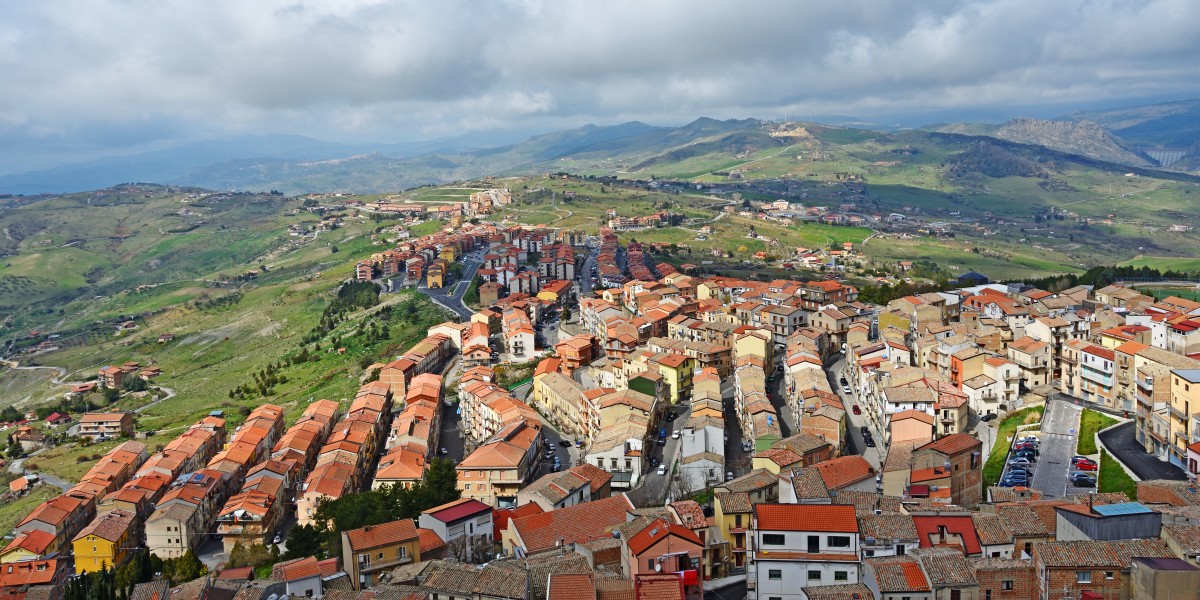
Troina is an inland town in Enna province, wrapped in countryside and with a historic centre that still feels properly Sicilian. Narrow lanes, older residents on doorsteps, and slow evenings in the piazza. In recent years, the Comune has relaunched its 1 euro scheme and related incentives, specifically talking about attracting foreign residents and using the programme as part of a bigger regeneration plan. It’s less of a media darling than Sambuca, but quite active on the policy side.
- Pros:
- Strong local character and everyday Sicilian life.
- Potentially less competition and speculation than in the most famous 1 euro towns.
- Cons:
- Deeply inland: beaches and big cities are a proper drive away.
- Limited expat presence compared with the headline‑grabbers.
Troina suits people who want to be part of something a bit more “work in progress” and don’t need an existing English‑speaking bubble. It’s a good choice if you’re keen to integrate, learn Italian, and you like the idea of being part of a longer‑term regeneration story rather than just buying somewhere already transformed by foreign arrivals.
Stay in the know about living in Italy as a foreigner—get our weekly newsletter for the latest travel, legal, and lifestyle news.
For a taste of the high life, sign up for the monthly luxury market round-up.