Every street in Bologna has its own character and often a history that spans centuries. The city is best explored on foot, strolling in the shade of its kilometre-long porticoes. But which streets truly stand out? From the bustling and well-known to the quieter university-lined avenues, here are the streets you simply cannot miss on a tour of Bologna.
Via D'Azeglio
Arguably the most elegant street in the city centre, Via D’Azeglio is just a short walk from Piazza Maggiore. It stretches from Via Farini to Porta D’Azeglio, crossing one of Bologna’s most charming neighbourhoods. The central section is almost entirely pedestrianised, making it perfect for a leisurely stroll.
The street is also famous as the home of Lucio Dalla, still fondly remembered today. Outside number 15, his house is often adorned with flowers, notes, and murals dedicated to the singer-songwriter. Elsewhere along the street, you’ll see inscriptions inspired by his lyrics.
Via Piella
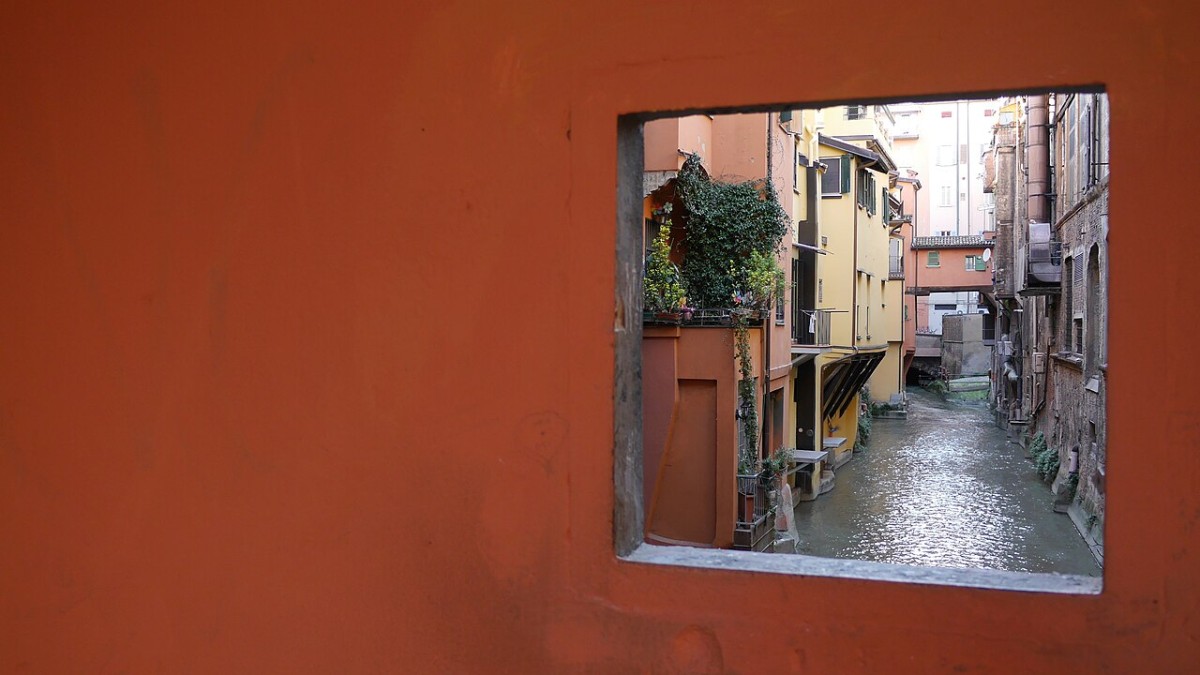
Via Piella is one of Bologna’s quirkiest streets: a secret glimpse tucked between Via Indipendenza and Via Augusto Righi. It is home to one of the city’s most photographed sights: the famous “window on the canal”.
From this tiny window, you can watch the Canale delle Moline flow between the houses, a scene reminiscent of Northern European cities. It is one of the few visible stretches of the ancient canal network that once ran through Bologna, most of which is now hidden.
Via del Pratello
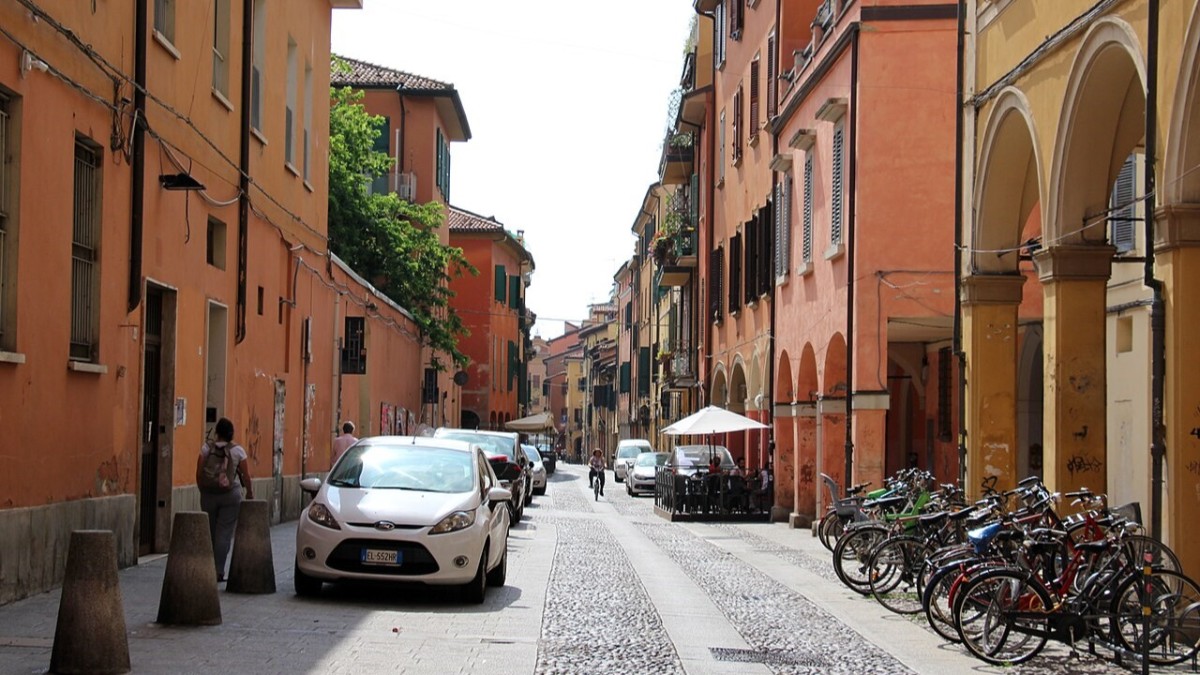
Among the streets of the city centre, Via del Pratello has a special charm. Situated west of the historic centre and just minutes from Piazza Maggiore, it runs parallel to Via San Felice. By day, it shows a quieter, relaxed side. By night, however, it comes alive with outdoor tables, pubs, craft breweries, restaurants, live music, and cultural meet-ups.
Via Zamboni
Via Zamboni is at the heart of student life in Bologna. Its proximity to the University of Bologna makes it vibrant and full of energy for locals, students, and visitors alike. Situated in the north-eastern part of the historic centre, it links Piazza Verdi to Via San Vitale.
The street is home to university faculties, the historic University Library, the Teatro Comunale, 17th-century palaces, and university museums. In the evenings, the area around Piazza Verdi becomes one of the city’s liveliest meeting points for young people.
Via Altabella
Short but full of surprises, Via Altabella lies just a few steps from Piazza Maggiore and runs parallel to Via Indipendenza, right behind the Cathedral of San Pietro. Despite its central location, it is often quieter than the main streets. Here you’ll also find bars and traditional restaurants, perfect for sampling authentic Bolognese cuisine.
Via dell’Indipendenza
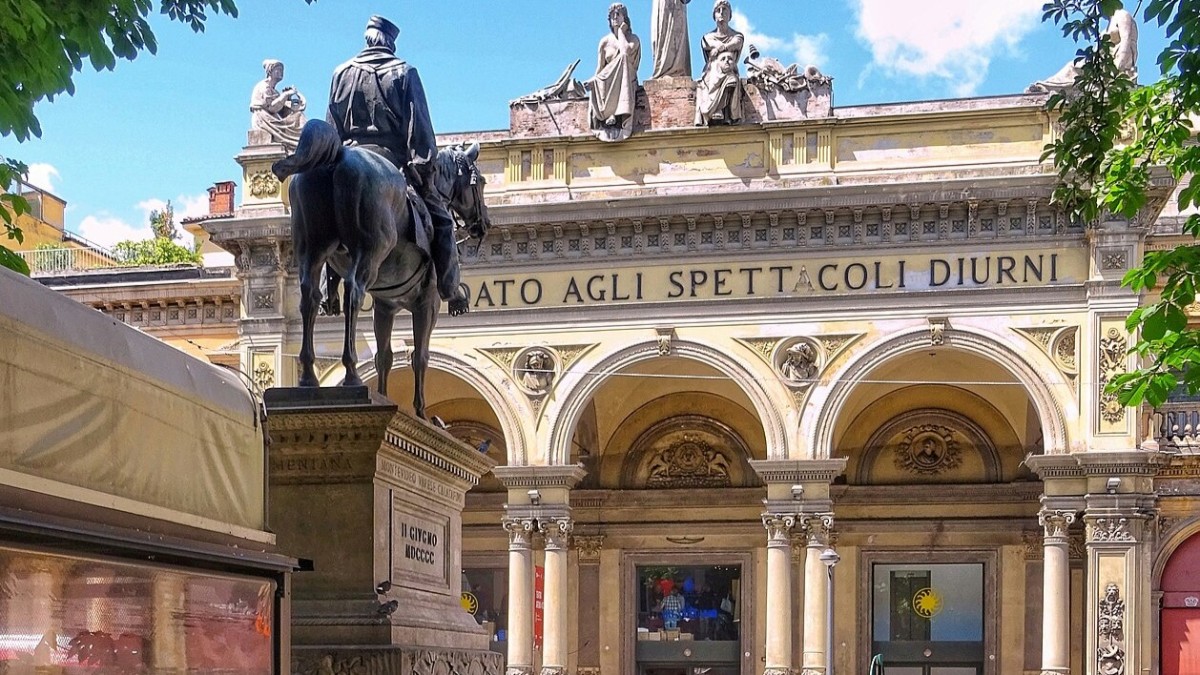
The main artery of the historic centre, Via dell’Indipendenza is often the first street visitors explore. It links the railway station to Piazza Maggiore via a long porticoed boulevard. Along the way are shops, cinemas, bars, ice-cream parlours, and several historic buildings of interest.
Highlights include the former Arena del Sole complex (now a theatre), covered galleries leading to inner courtyards, and 19th-century buildings that reflect the city’s modern expansion. Street performers, pop-up markets, cultural events, and festive light displays often animate the street throughout the year.
Via Rizzoli
In the heart of Bologna, Via Rizzoli connects Piazza di Porta Ravegnana, home of the Two Towers, to Piazza Maggiore. Wider than most city-centre streets, it was expanded in the 1920s during a major urban redevelopment.
Today it is a busy thoroughfare, served by numerous buses and lined with shops, porticoes, and notable buildings such as the Torre Scappi and Palazzo Ronzani, recognised for its Art Nouveau façade. It is widely considered one of Bologna’s most beautiful streets, offering a close-up view of the Two Towers.
Living in Bologna
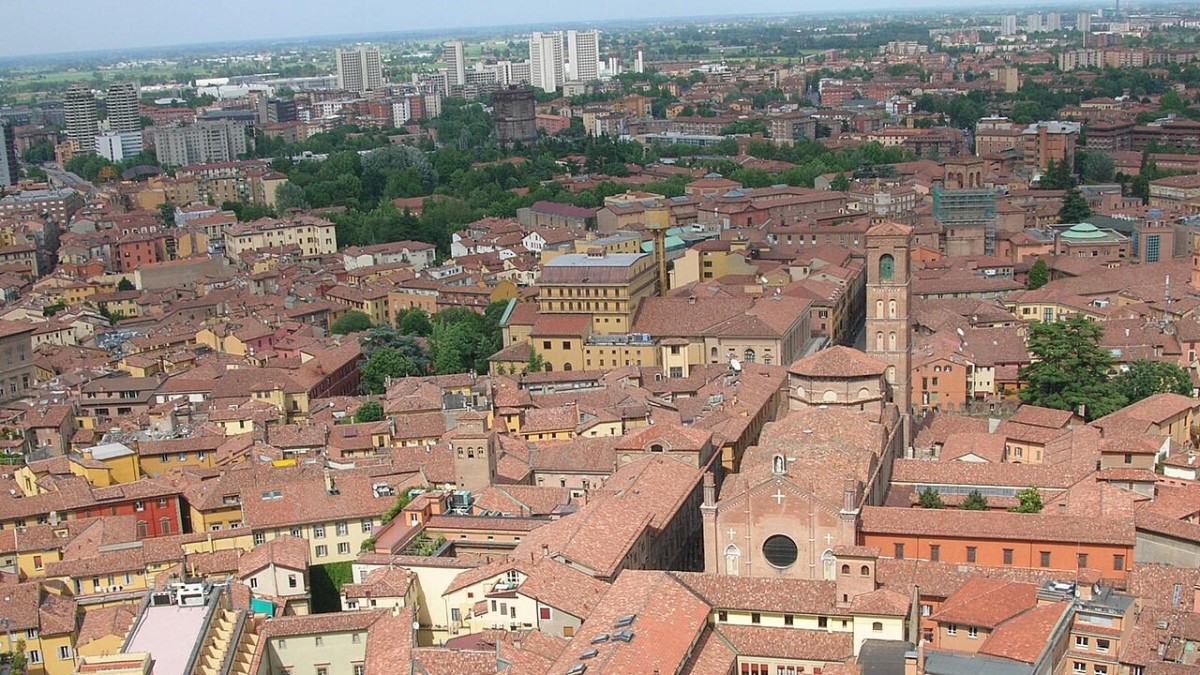
Living in Bologna means residing in a city built for people, where the centre is easily explored on foot and cycling is simple. One of its greatest advantages is the combination of quality of life, excellent services, and cultural vibrancy.
The University draws thousands of Italian and international students each year, keeping the city youthful and open. Theatres, independent cinemas, music and literary festivals, exhibitions, and open-air events ensure a packed cultural calendar.
Bologna is also famous for its gastronomy, celebrated across Italy and around the world. Start your journey by exploring the latest property listings for sale or rent in Bologna with idealista.