In recent years, the idea of the smart home has also become more widespread in Italy, shifting from a luxury for a few to a practical choice for many households. The difference between a traditional home and an intelligent one is not simply about AI-based virtual assistants or lights switched on with a smartphone. It also concerns home automation: managing energy use, security and day-to-day comfort.
According to the Internet of Things Observatory at Politecnico di Milano, Italy’s home automation market exceeded €900 million in 2023, growing steadily compared with previous years. This figure points to genuine and increasing interest in home technology.
What a smart home in Italy really is
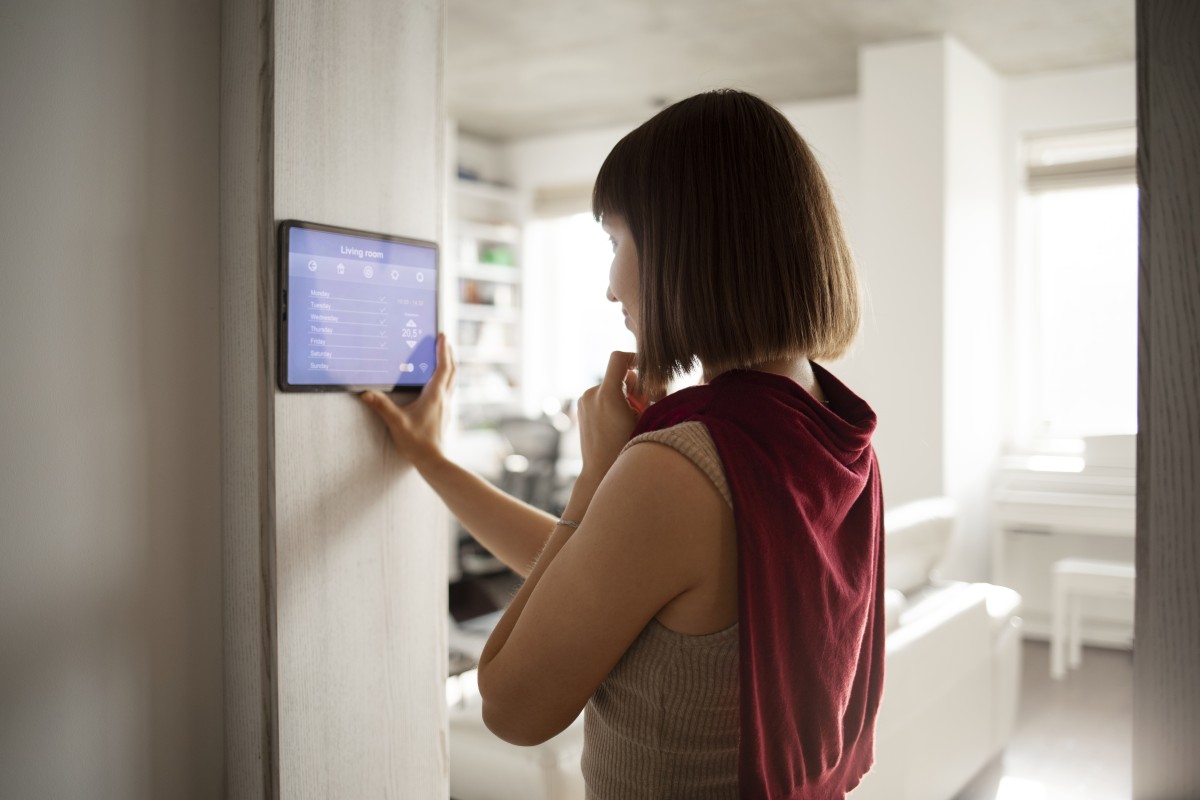
A smart home, or intelligent home, is a property in which devices and systems communicate through an internet network or centralised controls. It is not just about voice assistants, but an integrated ecosystem.
A modern smart home may include:
- Smart thermostats
- Connected lighting
- Smart locks
- Water-leak and smoke sensors
- Automated shutters and blinds
- Remote-controlled video-surveillance systems
- automated shutters and curtains;
- remotely controllable video surveillance systems.
Home automation: practical everyday uses
Home automation is not only about convenience. It can also mean smarter management of space and consumption. Take a family living in a flat with a terrace. A smart system can allow them to:
- Set up automatic watering for plants
- Turn on outdoor lighting only at sunset
- Manage shutters during strong winds
- Monitor electricity use in real time
These functions do not require major structural work. Many devices are wireless and compatible with existing installations.
Saving money through smart energy efficiency
One of the main reasons people choose an intelligent home is to save energy.
A smart system can:
- Regulate the temperature room by room
- Automatically switch off devices left on standby
- Monitor unusual energy consumption
- Integrate solar panels with energy-storage systems
Smart homes and security: another practical benefit
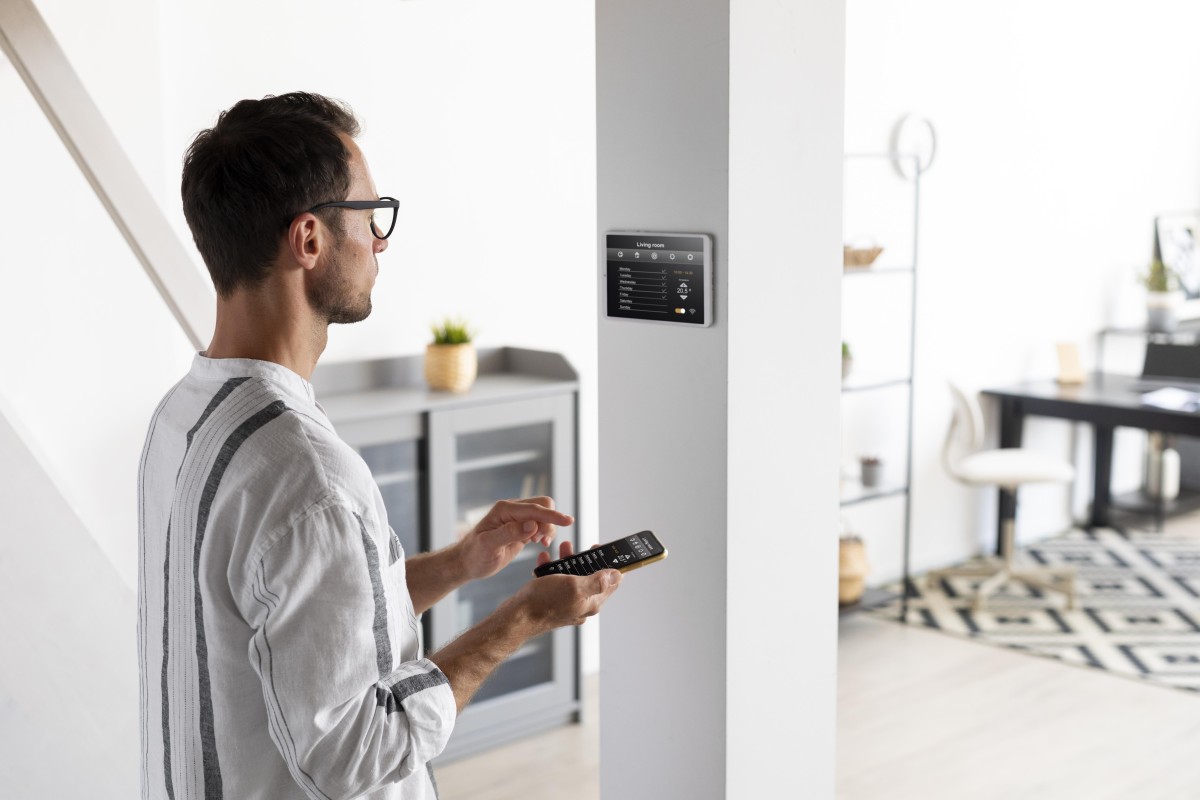
Home automation can also improve security. The most common systems include:
- Cameras with remote access
- Motion sensors
- Alarms with real-time notifications
- Locks controlled via smartphone
Smart homes in Italy: a fad or an informed choice?
The intelligent home is not simply a passing trend. It is a practical response to needs around saving money, safety and sustainability. The real difference lies between informed use and superficial use. A well-designed smart home can improve quality of life, energy management and a property’s value.