When it comes to green homes, 2030 is a deadline that tends to raise eyebrows and, in some cases, a bit of concern. It’s worth keeping things in perspective, though. This isn’t some end-of-days moment for the property market.
The Energy Performance of Buildings Directive (EPBD) sets overall national targets. Those targets need to be read carefully. All new residential buildings must be zero-emission by 2030. For existing residential properties, Member States must introduce measures to ensure an average reduction in primary energy use of at least 16 per cent by that same year. There is no requirement for every single home to reach a specific minimum energy class.
So where do things stand with the latest developments around the European green homes directive?
Green homes, the situation in Italy
May was meant to bring an important step forward. Italy was expected to formally transpose the much-debated Energy Performance of Buildings Directive, which came into force two years ago, aligning national rules with the European objective of achieving a near-zero-emission building stock by 2050.
That transposition did not happen. The 31 December 2025 deadline for Member States to send Brussels a first draft of their national building renovation plans was also missed, triggering an infringement procedure.
The date of 29 May 2026 was significant because it marked the deadline for Member States to bring into force the legislative, regulatory and administrative provisions needed to comply with the new European rules on building energy performance.
As things stand, Italy still lacks national measures setting out how it intends to meet the European targets. The government has yet to define how it will implement the European green homes directive, which buildings will be affected, and what incentives will be made available to support energy efficiency upgrades.
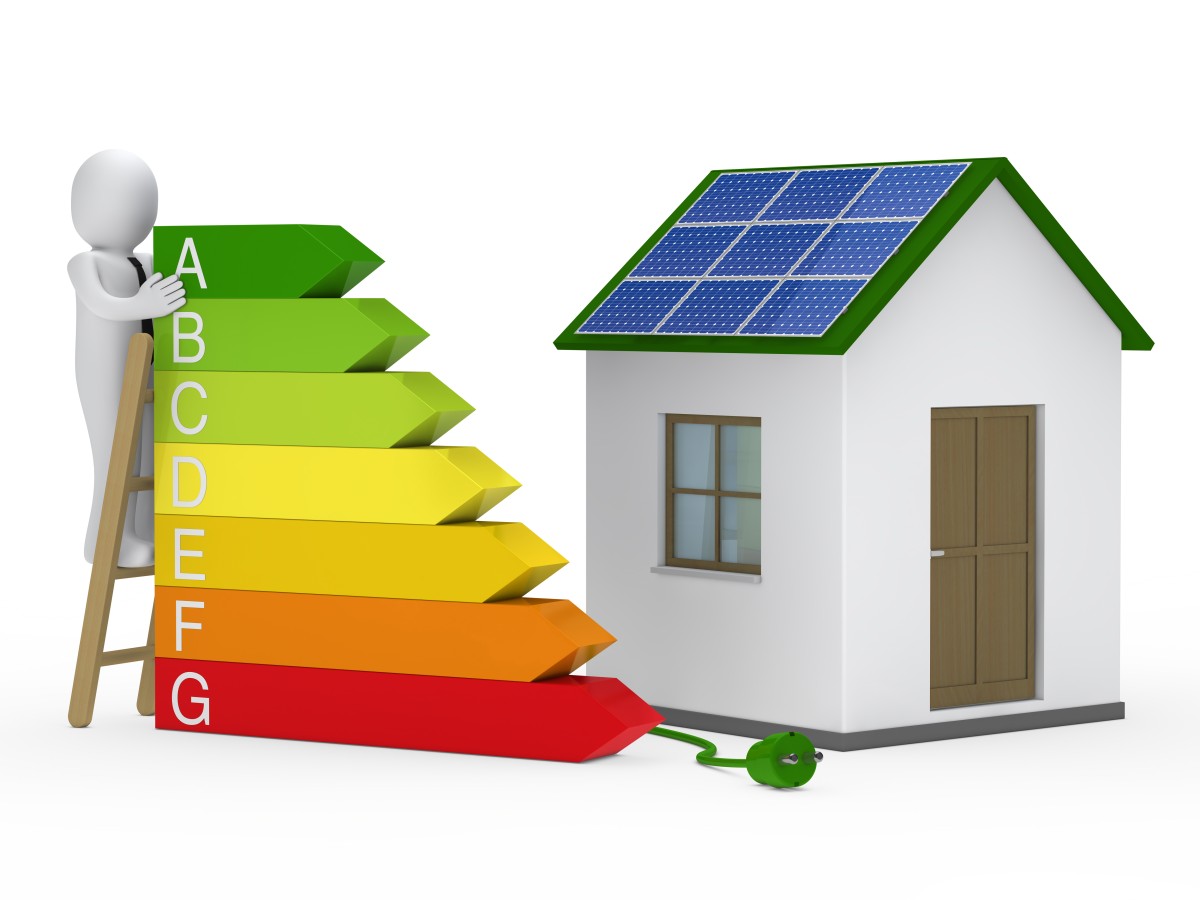
In the meantime, even without clear national rules on how these targets will be achieved, attention around improving the energy efficiency of homes remains high.
Last month, during a meeting of the High Level Forum for Sustainable Building Renovation, the Italian Banking Association (ABI) stressed that environmental issues and the green transition in the property sector are a priority for both the association and the wider banking and financial system. They see it as a lever for Italy’s sustainable growth and development.
In particular, the ABI highlighted the need to strengthen measures that make it easier to access credit for energy efficiency works in homes, apartment blocks and commercial properties. It also underlined the importance of simpler procedures, regulatory certainty and better coordination between the various support schemes available.
What’s new for the Energy Performance Certificate (APE)
At the same time, new rules for the APE – the Attestato di Prestazione Energetica, or Energy Performance Certificate – have come into force.
Since 3 June 2026, the new Minimum Requirements apply. These changes introduce a revised classification scale and provide a clearer, more detailed description of a property’s energy consumption, the type of systems installed and the choices made regarding renewable energy.
It’s important to note that Energy Performance Certificates already issued remain valid until their natural expiry date.
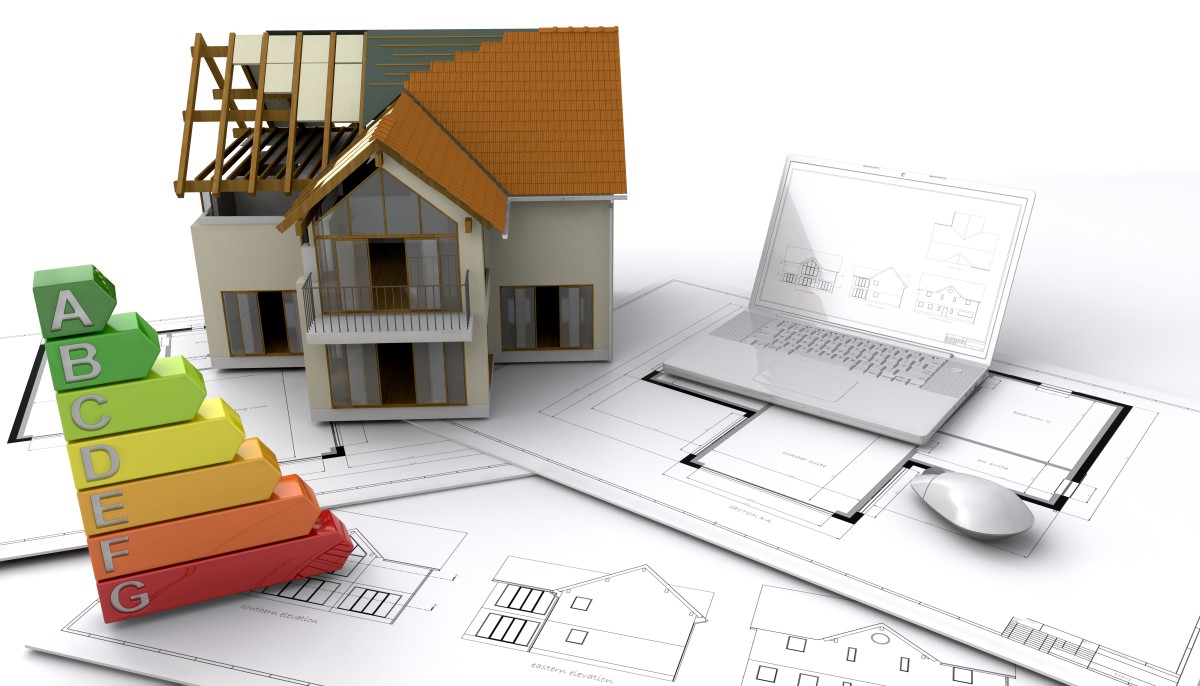
What the European green homes directive provides for
The European green homes directive (EPBD 2024/1275) is the EU framework governing the energy performance of buildings. It aims to make Europe’s building stock progressively more efficient and less polluting, intending to achieve near-zero-emission buildings by 2050.
Under the directive:
- For existing residential buildings, Member States must adopt measures to ensure an average reduction in primary energy use of at least 16% by 2030 and at least 20 to 22% by 2035.
- For non-residential buildings, Member States must renovate 16% of the worst-performing properties by 2030 and 26% by 2033, introducing national minimum energy performance standards that apply across the entire construction sector.
- All new residential buildings must be zero-emission by 2030.
- All new non-residential buildings must be zero-emission by 2028.
There is no obligation to carry out renovations by 2030, and there is no ban on selling properties with a low energy rating. There is also no EU requirement forcing homeowners to reach a specific energy class by a fixed date, and no automatic freeze on homes in energy classes F or G.
Stay in the know about living in Italy as a foreigner—get our weekly newsletter for the latest travel, legal, and lifestyle news.