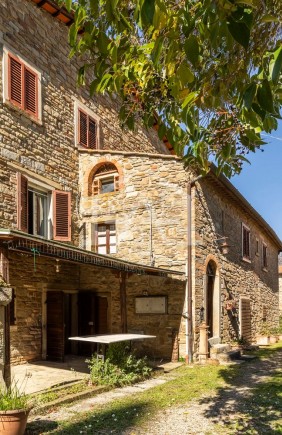
Many make a move for a lifestyle change, and the natural beauty of Italy makes it one of the most desirable places to settle. From dramatic coastlines and tranquil lakes to historic canal cities and seaside towns, living near water is a major draw for both locals and international residents.
For those considering relocating, retiring or purchasing a second home, Italy offers a wide range of waterfront living options, each with distinct character and practical advantages.
Choosing the best place to live in Italy near water depends on lifestyle preferences, climate expectations and infrastructure needs. Whilst some areas provide vibrant cultural scenes and strong transport links, others offer quiet landscapes and slower-paced living.
Here’s a closer look at your options when exploring the best places to live in Italy near water.
Lake Garda
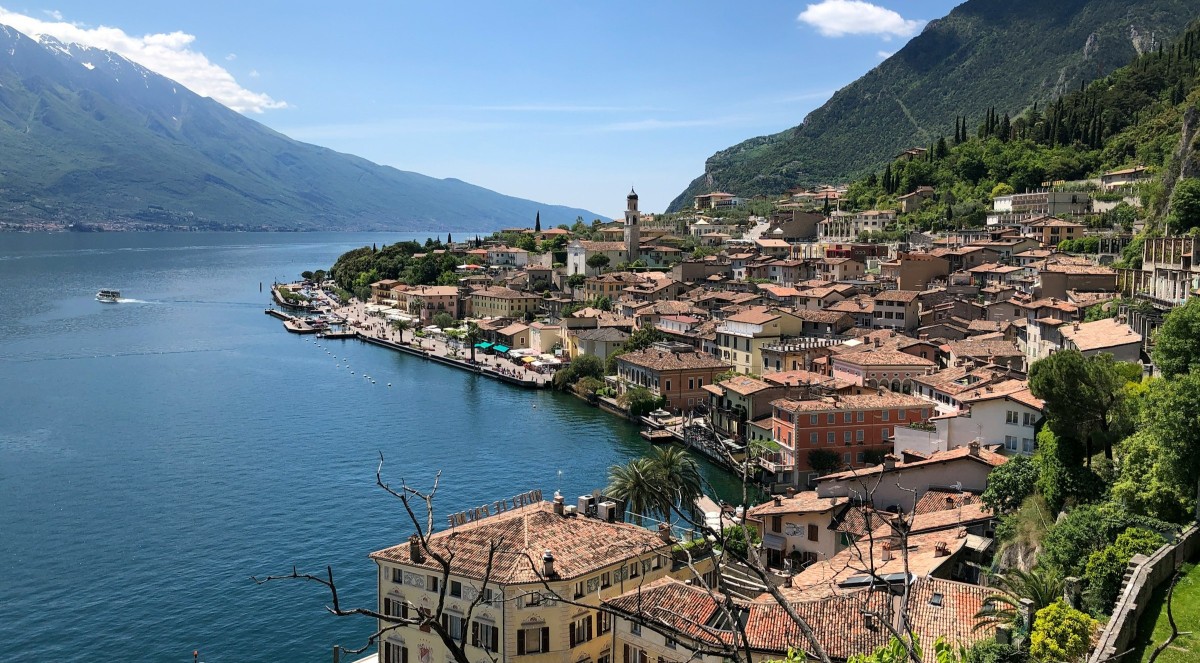
Lake Garda is Italy’s largest lake and one of its most popular residential destinations. Located between Lombardy, Veneto and Trentino-Alto Adige, it offers scenic landscapes with a strong infrastructure and international accessibility.
The northern part of Lake Garda appeals particularly to outdoor enthusiasts. Towns such as Riva del Garda offer access to sailing, hiking and cycling routes surrounded by Alpine scenery. The southern towns, including Desenzano del Garda and Sirmione, provide more urban conveniences, railway connections and healthcare facilities, making them suitable for full-time residents.
Living around Lake Garda offers a mild climate, particularly compared with northern European countries. The region also benefits from strong property demand, making it attractive for long-term investment alongside lifestyle benefits.
Lake Como
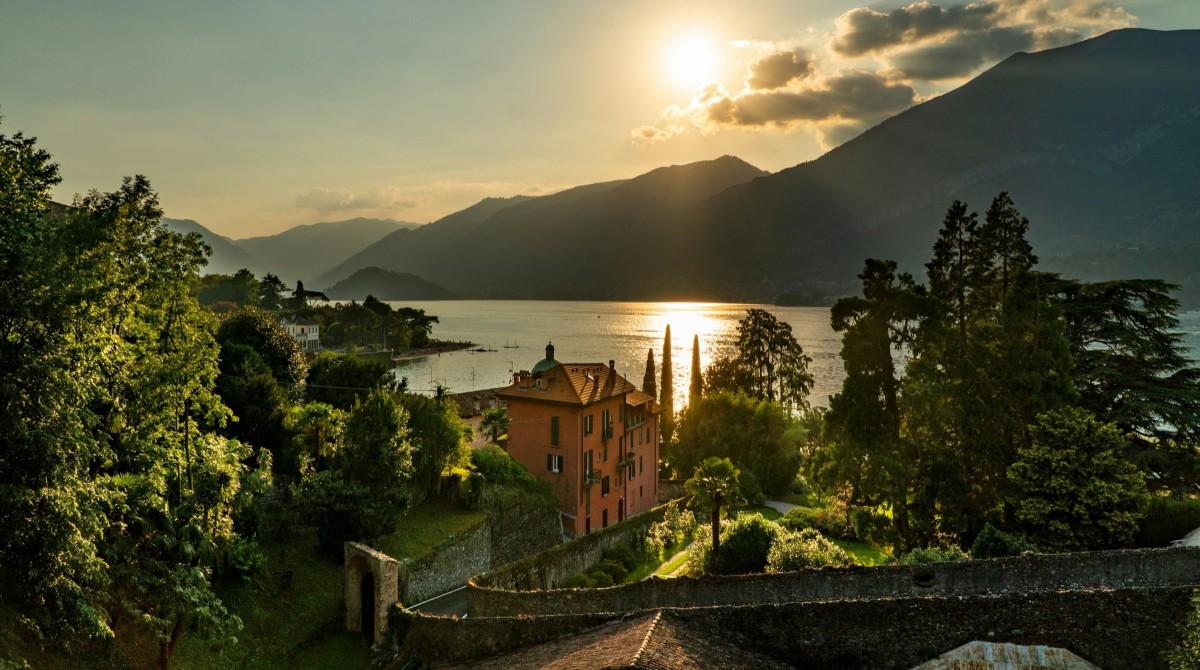
Lake Como has long been associated with luxurious waterfront living. Located in northern Italy near the Swiss border, it offers mountain scenery, historic villas and a calming atmosphere.
Towns such as Como, Menaggio and Bellagio provide different levels of liveliness. Como city offers transport links to Milan and Switzerland, which makes it suitable for those who want lakeside living while remaining connected to urban employment or services. Smaller towns provide greater privacy and scenic surroundings but may require more planning around daily services.
While property prices around Lake Como tend to be higher than in many other regions, residents are drawn to its peaceful environment, excellent healthcare facilities and proximity to major international transport routes.
Venice Lagoon
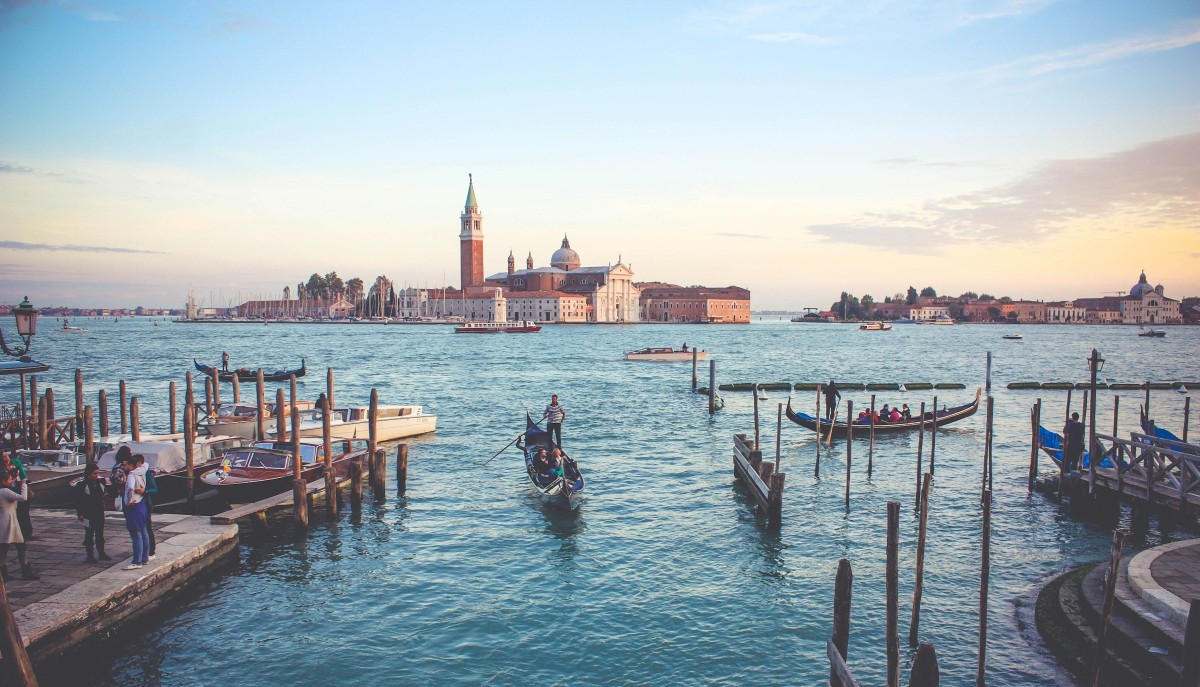
Living near water in Venice or its surrounding lagoon communities offers a completely different experience. Venice itself provides unmatched cultural heritage, historic architecture and daily life shaped by canals rather than roads.
Many residents, however, choose surrounding lagoon areas such as Mestre or the Lido di Venezia. These locations offer easier access to mainland services while still providing proximity to the lagoon environment. The Lido, in particular, is popular for its beaches, residential neighbourhoods and quieter pace compared with Venice’s historic centre.
Living in this region requires adapting to seasonal tourism and occasional flooding risks, but for many residents, the cultural richness and distinctive atmosphere outweigh these challenges.
Ligurian Coast
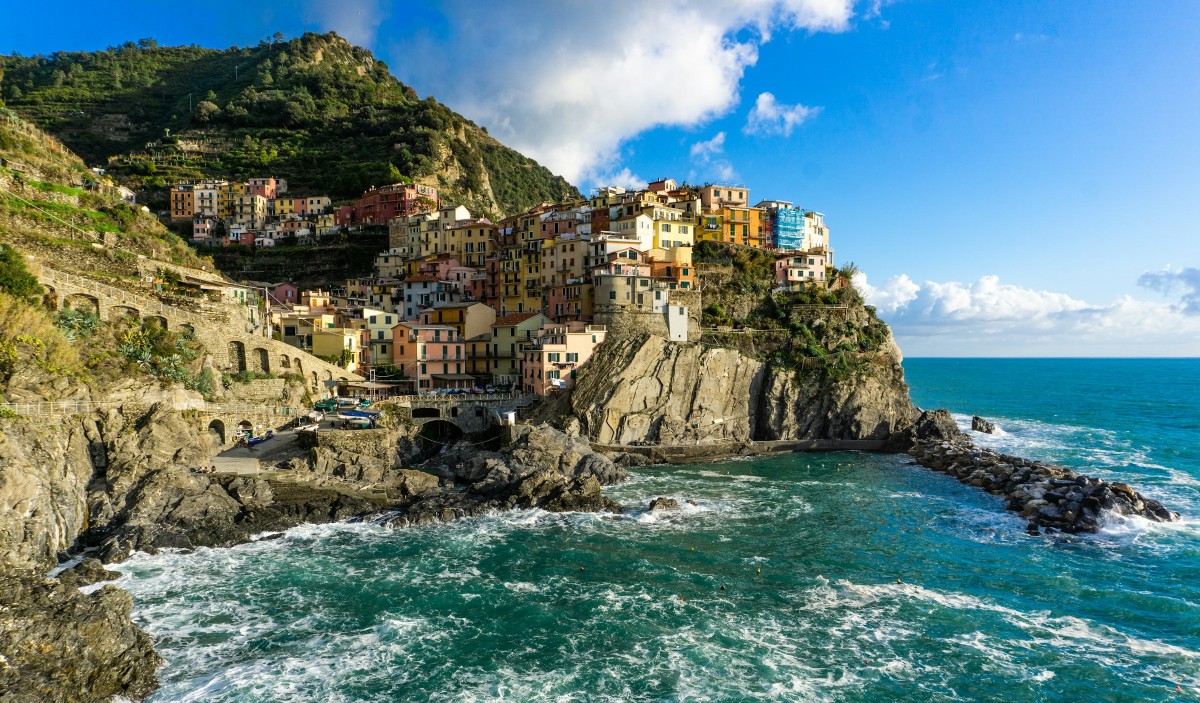
Liguria, stretching along Italy’s north-western coastline, is home to famous seaside destinations such as Cinque Terre, Portofino and Santa Margherita Ligure. The region offers dramatic coastal scenery, compact historic towns and a strong maritime culture.
For long-term living, larger towns such as La Spezia and Savona often provide a better balance between daily services and coastal lifestyle. Liguria’s climate is generally mild, with warm summers and relatively moderate winters compared with northern inland regions.
One of Liguria’s key advantages is accessibility. Its position between Tuscany and France allows residents to travel easily while enjoying traditional Mediterranean living. However, the region’s steep coastal geography can limit property availability and increase housing costs in some areas.
Amalfi Coast
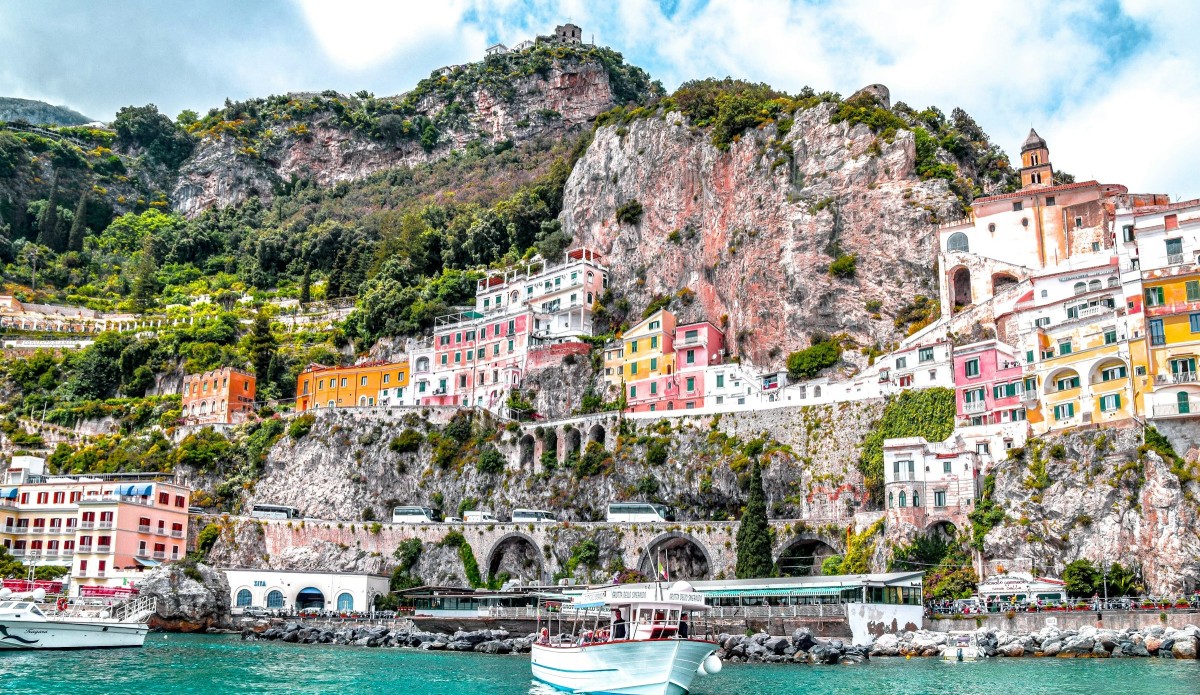
The Amalfi Coast is one of Italy’s most visually striking regions. Towns such as Amalfi, Positano and Ravello attract global attention for their cliffside architecture and panoramic sea views.
While the region offers exceptional beauty and cultural prestige, it is important to consider practical living conditions. Tourism can dominate during summer months, and transport connections are more limited compared with northern Italy. Many full-time residents choose slightly less crowded towns nearby, such as Salerno, which provides strong infrastructure and easier commuting options.
The Amalfi Coast appeals particularly to retirees and remote workers seeking scenic surroundings.
Sardinia
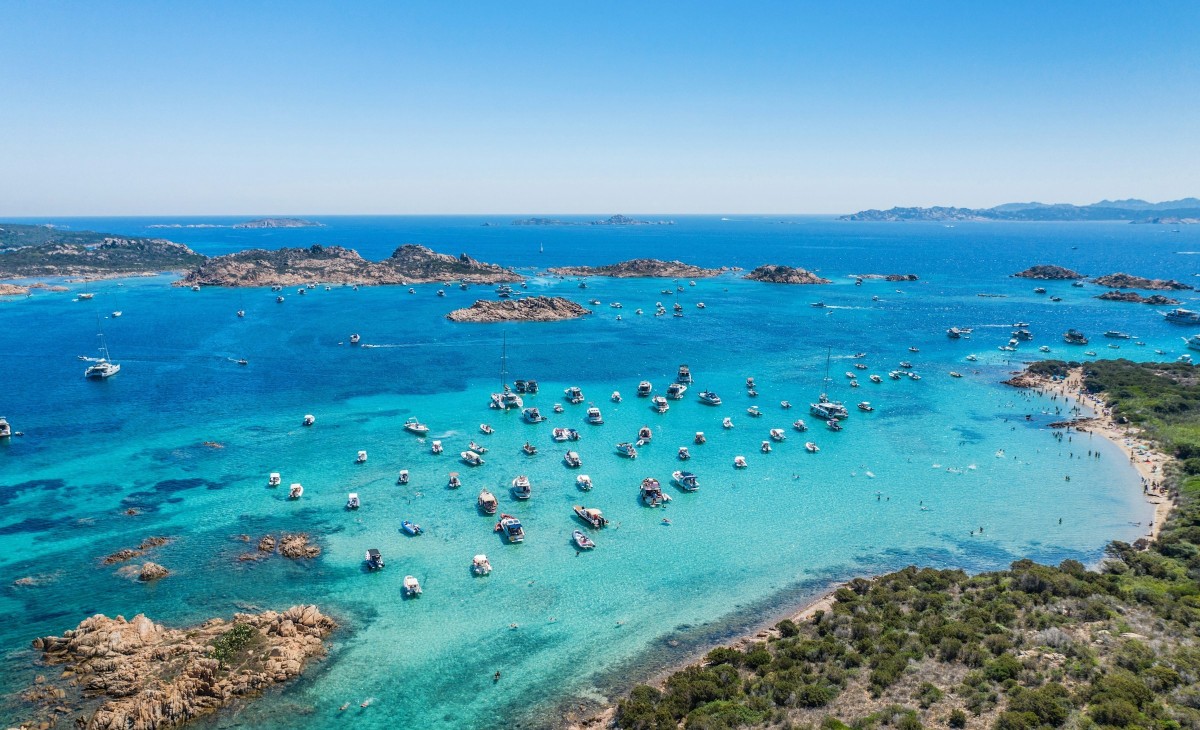
Sardinia is frequently considered one of the best places to live in Italy near water for those seeking tranquillity. The island has pristine beaches, low population density and a slower pace of life.
Cagliari, Sardinia’s capital, offers coastal living with the benefit of urban services, universities and healthcare facilities. Smaller coastal towns offer exceptional natural beauty but may require greater independence regarding transport and employment opportunities.
Sardinia’s relative isolation from mainland Italy contributes to its peaceful atmosphere. For many residents, this separation is part of its appeal, though it can also mean longer travel times for international journeys.
Sicily
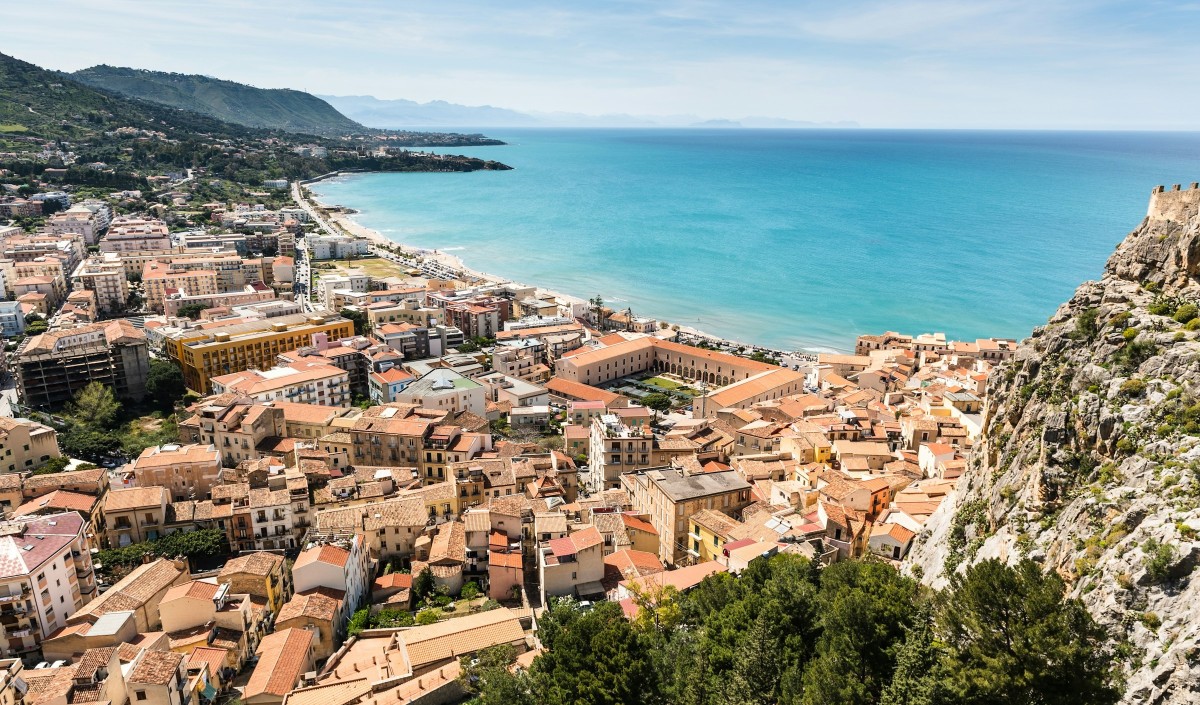
Sicily offers a wide range of waterfront living experiences, from historic cities to quiet fishing villages. Cities such as Palermo and Catania provide cultural life, international airports and extensive services, while coastal towns like Cefalù and Syracuse attract residents seeking picturesque seaside environments.
One of Sicily’s largest advantages is affordability. Property prices and living costs are often lower than in northern Italy, making it attractive for retirees and lifestyle relocations. The climate is warmer year-round, which appeals to residents looking for consistent sunshine.
However, infrastructure and employment opportunities vary widely across the island, making location research particularly important for long-term relocation.
Choosing the right waterfront location in Italy
When selecting where to live in Italy near water, practical considerations are just as important as scenic appeal. Access to healthcare, transport links, community life and year-round services should be evaluated carefully.
Climate preferences also play a role. Northern lakes offer cooler summers and seasonal changes, while southern coastal regions provide warmer temperatures and longer beach seasons. Lifestyle expectations, whether centred around cultural activities, outdoor sports or peaceful retirement, should guide your choices.
Property maintenance is another factor to consider. Waterfront homes often require additional upkeep due to humidity, salt exposure or seasonal weather conditions. Buyers should factor this into long-term planning.