Italy’s cities get most of the attention, but it’s the smaller villages that really show how layered the country is. The top ten most beautiful villages in Italy feature places where medieval walls still hold firm, where nonnas hang washing above cobbled lanes, and where the scenery can feel almost unreal at times.
- Spello – flower-filled Medieval streets
- Neive – vineyards and Langhe Hills
- Atrani – Amalfi Coast’s smallest village
- San Pantaleo – granite and open skies
- Alberobello – Trulli and stone cones
- Pienza – Renaissance order in the Val d’Orcia
- Cefalù – Medieval streets by the sea
- Brisighella – three hills and a hidden walkway
- Civita di Bagnoregio – the slowly eroding hilltop
- Sappada – Alpine heritage and clean mountain air
Spello – flower-filled Medieval streets
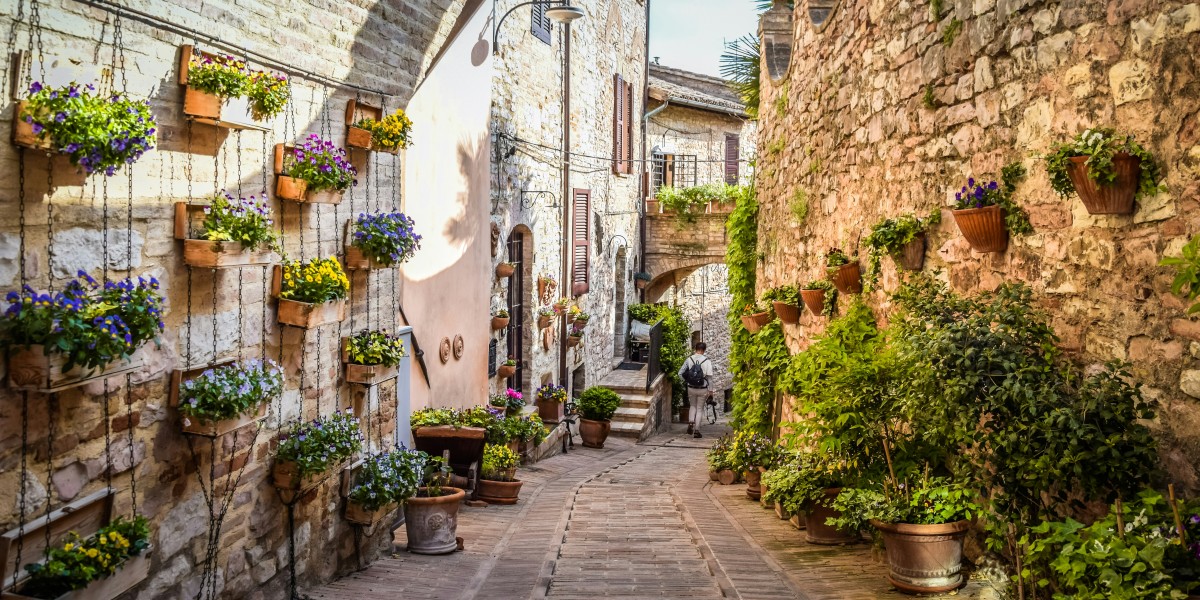
Spello clings to the lower slopes of Mount Subasio in Umbria, built from pale pink limestone that glows softly in late afternoon light. Officially named one of the Most Beautiful Villages in Italy, Spello's Roman gates still mark the entrances, and balconies are merrily decorated with geraniums and trailing plants for much of the year.
The village takes pride in its Infiorata festival each June, when intricate floral carpets transform the streets into temporary works of art. Renaissance frescoes by Pinturicchio inside Santa Maria Maggiore add another layer of depth.
Don’t miss in Spello: Step into the Baglioni Chapel for Pinturicchio’s fresco cycle, then wander uphill towards Porta Venere for wide Umbrian valley views.
Neive – vineyards and Langhe Hills
Neive sits in the Langhe hills of northern Italy, surrounded by orderly rows of Barbaresco vineyards that turn amber and russet in autumn. Its brick clock tower rises above terracotta rooftops, and the narrow lanes feel time-honoured rather than staged. Also on the Most Beautiful Villages list (I Borghi più belli d’Italia), this is Slow Food country, with truffles, hazelnuts and long lunches forming part of everyday life.
Life here revolves around wine production, and the landscape itself feels shaped by centuries of careful cultivation. In October, the vendemmia brings a quiet buzz as grapes are harvested across the hills and food festivals, called sagre, begin.
Top experience in Neive: Taste Barbaresco in a small enoteca before walking up to the Torre dell’Orologio for views across the vine-covered foothills.
Atrani – Amalfi Coast’s smallest village
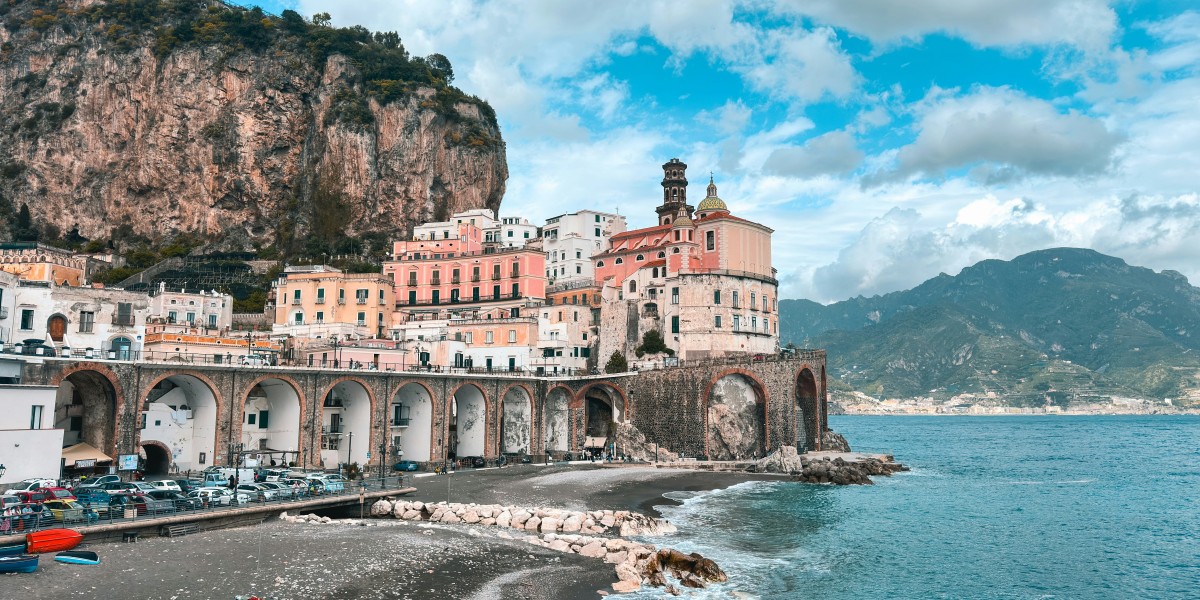
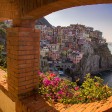
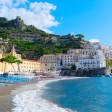
Atrani lies just around the curve from Amalfi, pressed between steep cliffside rock and the Tyrrhenian Sea. Whitewashed houses are stacked tightly together, connected by staircases and vaulted passageways that feel almost hidden. Lemon groves cling to the terraces above, scenting the air in spring.
Despite its prime position, Atrani still feels like a real neighbourhood rather than a stage set. Laundry flutters across alleyways, and locals gather in the small piazza as evening cools the sunbaked stone.
Best thing to do in Atrani: Sit in Piazza Umberto I with an espresso, then walk down to the small beach tucked beneath the arches.
San Pantaleo – granite and open skies
San Pantaleo lies inland from Sardinia’s Costa Smeralda, framed by dramatic granite peaks shaped by centuries of wind. Low, stone houses gather around a simple piazza, giving it a rustic, slightly scruffy edge. The surrounding landscape is untamed compared to the sleek marina culture nearby.
Artists and craftspeople have long settled here, drawn by the light and raw scenery. The weekly market brings colour and local produce to the square.
Local insight for San Pantaleo: Visit on market day to browse handmade crafts beneath the granite outcrops.
Alberobello – Trulli and stone cones
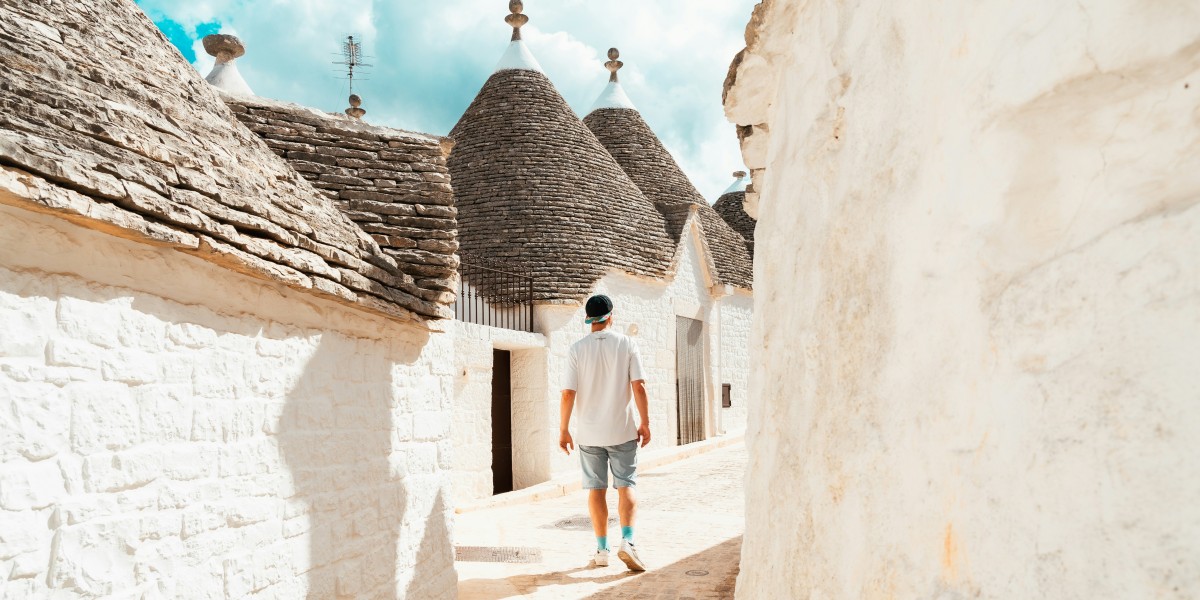
Alberobello is deep in Puglia’s olive-dotted countryside, instantly recognisable for its conical trulli houses built from dry stone. These white, beehive-like structures date back centuries and earned UNESCO status for their unusual construction.
While parts of Rione Monti are heavily geared towards visitors, Aia Piccola remains residential and quieter. The surrounding landscape is wind-swept and rural, full of ancient olive trees and low stone walls.
What makes Alberobello special: Explore Aia Piccola to see trulli still used as homes rather than souvenir shops.
Pienza – Renaissance order in the Val d’Orcia
Pienza stands above the Val d’Orcia in southern Tuscany, redesigned in the 15th century as a model Renaissance town under Pope Pius II. The central piazza is geometrically precise, framed by a cathedral and elegant palazzi. Beyond the walls, rolling fields stretch out in soft, bucolic folds.
The village is closely tied to pecorino production, and cheese shops line the main street with wheels ageing in cool stone cellars. In spring, wildflowers scatter colour across the surrounding countryside.
Signature moment in Pienza: Stand behind the cathedral on the panoramic terrace before sampling aged pecorino in a local caseificio.
Cefalù – Medieval streets by the sea
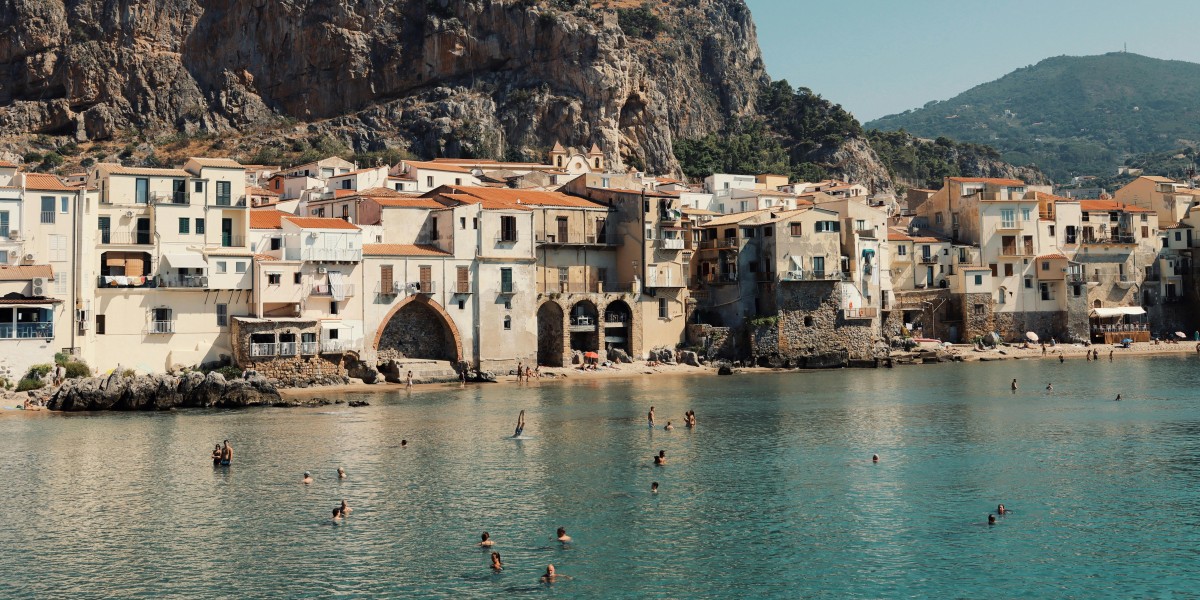
Cefalù is more of a small seaside town than a village, yet its compact medieval centre still delivers that tight-knit, historic atmosphere people come looking for. It sits on Sicily’s northern coast, backed by the dramatic bulk of La Rocca and facing a long curve of golden sand. The Norman cathedral dominates the skyline, its Byzantine mosaics glinting inside like something from another era.
Arab, Norman and Italian influences sit side by side here, reflective of Sicily’s layered past. Fishing boats still bob near the harbour, and evenings feel animated without tipping into chaos.
Highlight of Cefalù: Climb La Rocca for coastal views on a weekend break, then return to the old town for seafood near the port.
Brisighella – three hills and a hidden walkway
Brisighella rises from the foothills of the Apennines between Bologna and Ravenna, crowned by a fortress and clock tower. Its pastel houses cluster around the Via degli Asini, a raised medieval walkway once used to transport gypsum.
The village produces its own DOP olive oil, unusual in a region more associated with pasta and cured meats. It’s peaceful midweek, with a steady rhythm that suits slow exploration.
Quirky detail about Brisighella: Walk the covered Via degli Asini to glimpse how goods once moved above street level.
Civita di Bagnoregio – the slowly eroding hilltop
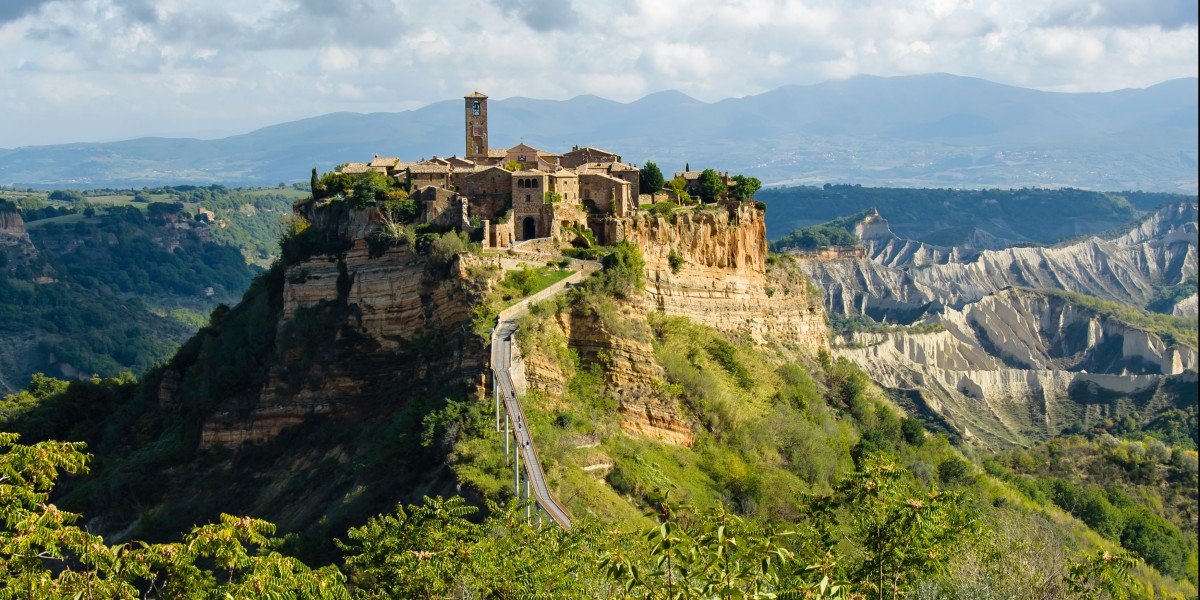
Civita di Bagnoregio stands on a fragile tufa plateau north of Rome, reached only by a long pedestrian bridge. Wind and erosion have steadily worn away the surrounding cliffs, earning it the nickname “the dying city”. Its stone houses and flower-filled balconies feel suspended above deep ravines.
The population is tiny, and outside peak hours the silence can feel almost absolute. Mist rising from the valleys in winter adds to the sense of isolation.
Why Civita di Bagnoregio is unique: Cross the bridge early in the morning to experience the near-silent streets before day-trippers arrive.
Sappada – Alpine heritage and clean mountain air
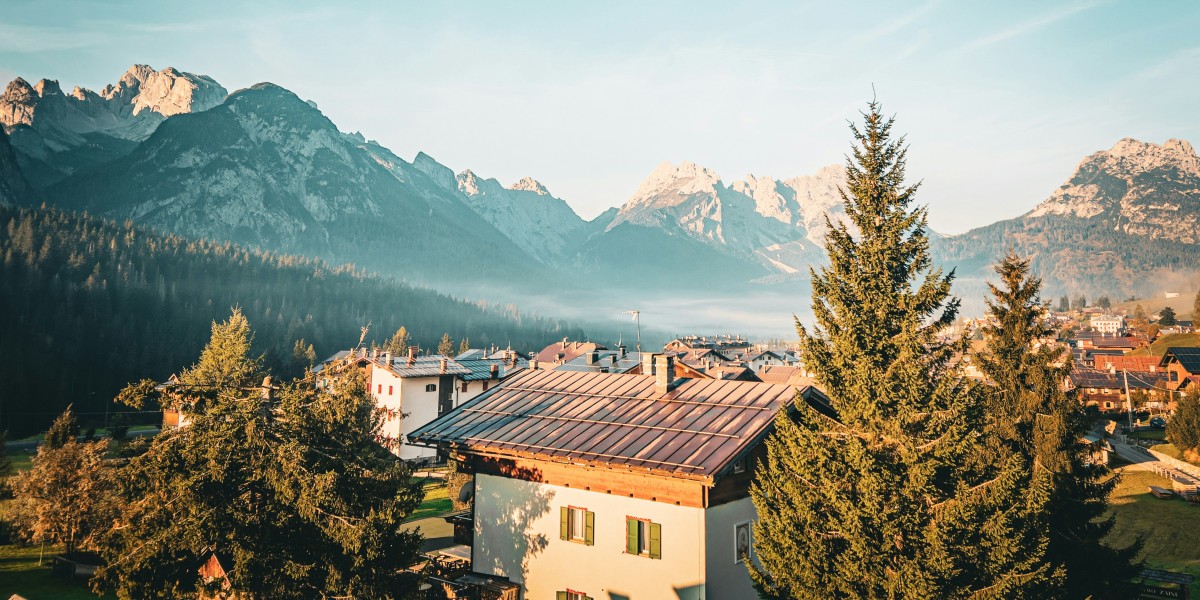
Easily one of Italy's prettiest mountain villages, Sappada sits in the eastern Dolomites near the Austrian border. It's surrounded by snow-capped peaks in winter and emerald-green meadows in summer. Wooden chalets line the lanes, reflective of its Tyrolean heritage and distinct dialect. The air feels noticeably cooler and clearer than in most Italian tourist towns.
Hiking trails weave through alpine pastures, while winter brings reliable snow for skiing. It’s a different face of Italy, more Central European in feel.
What to do in Sappada: Walk through Borgata Cima Sappada to see traditional wooden houses before heading into the mountains on foot or skis.
Stay inspired for your travels in Italy —get our weekly newsletter for the latest travel, legal, and lifestyle news.