When you picture a metro station, it’s usually all rush-hour crowds, screeching trains and purely functional design. In Italy, though, one stop turns the daily commute into something closer to an art installation. A metro station in Naples has received international recognition several times as the most beautiful underground station in the world.
Stepping inside feels less like catching a train and more like descending through layers of light, colour and contemporary design.
Why this Naples metro station earns its reputation
The most beautiful metro station in the world is Toledo, opened in 2012 and designed by Spanish architect Óscar Tusquets Blanca.
- It forms part of Naples’ long-running “Art Stations” project, an initiative by the City of Naples to turn everyday metro stops into permanent contemporary art spaces rather than purely functional transit points.
What sets Toledo apart within the Naples metro is the dramatic “Crater de Luz”. This vast cone cuts through the different underground levels, drawing natural light down towards the platforms. The effect feels almost aquatic, with deep blue mosaics and installations that echo the movement of water and the presence of the sea, an element woven tightly into Naples’ identity.
Its repeated recognition as the most beautiful metro station in the world rests on several elements:
- a bold architectural concept that reshapes the idea of a subway space
- curated contemporary artworks integrated into the structure itself
- the theatrical use of natural light underground;
- praise and awards from international media.

Other metro stations that rival Naples
While Naples often tops the rankings, it’s far from alone. Across Europe and beyond, certain metro systems have turned routine commutes into encounters with art, politics and identity.
Moscow: the “underground cathedrals”
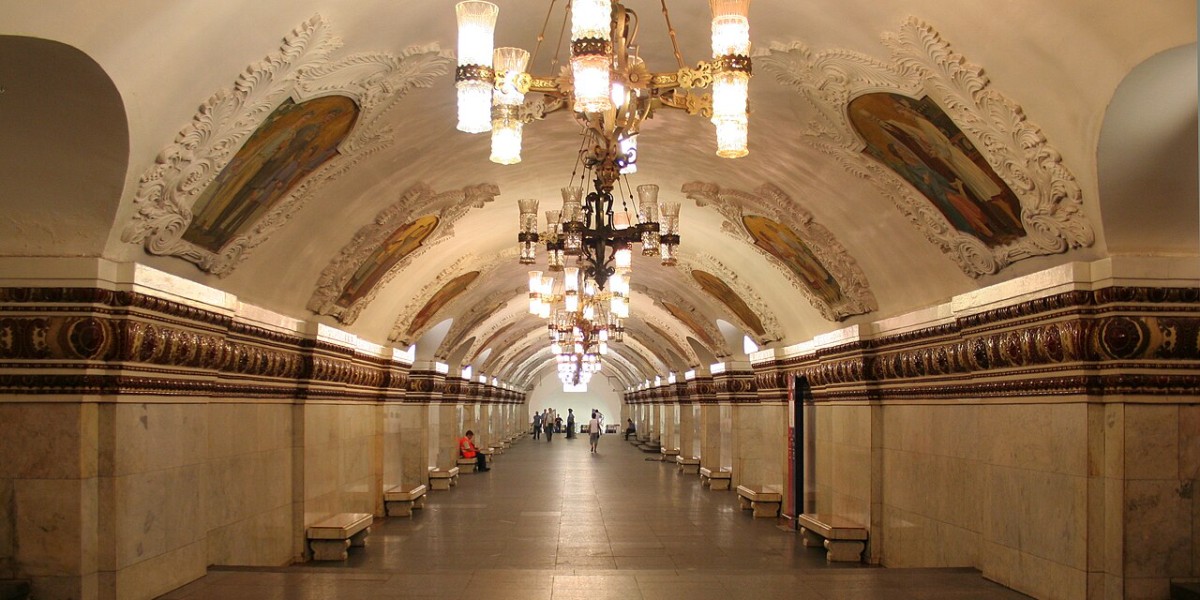
The Moscow Metro set the standard early on. Many of its stations were built during the Soviet era in an opulent classicist style, designed to project power and permanence.
Chandeliers hang low over polished floors, walls are lined with marble, and ceilings carry mosaics and heroic sculptures that celebrate labour, victory and national history.
Stations such as Komsomolskaya, Mayakovskaya and Kievskaya are often described as “underground cathedrals”, and the phrase fits. Stepping off the train can feel like entering a palace hall rather than a transport hub, with symmetry, light and decoration carefully staged to impress.
Stockholm: the world’s longest art gallery
In Stockholm, the metro is often described as the “world’s longest art gallery”, and it’s easy to see why. More than 90 stations feature works by different artists, turning an everyday commute into a rolling exhibition.
Instead of hiding the bedrock, many stations leave the natural rock exposed, then paint and sculpt directly onto it. The result feels like stepping into a series of vast, man-made caves, each with its own mood and visual language. No two stops are the same, so even a short journey carries a sense of discovery.

Dubai: luxury and technology underground
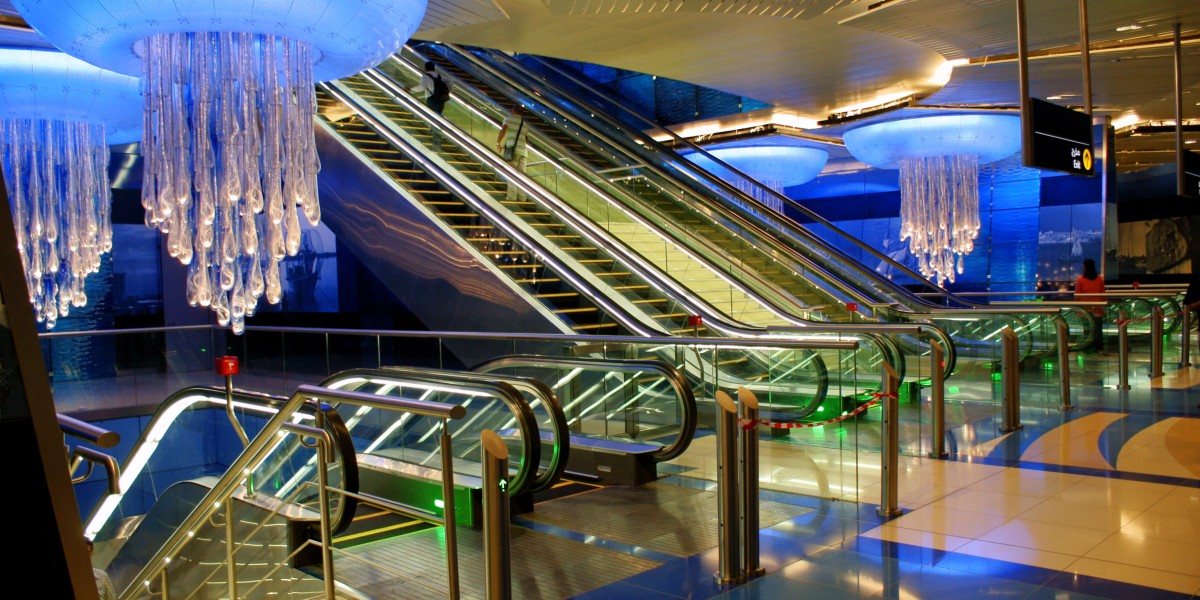
The Dubai Metro takes a different approach. Here, the emphasis is on futuristic lines, polished materials and advanced engineering. Stations lean into a sleek, contemporary aesthetic that mirrors the city’s appetite for innovation and scale.
Although far newer than networks in Europe, Dubai’s metro has quickly gained a place in rankings of the world’s most beautiful systems, thanks to its clean design, ambitious architecture and attention to technological detail.
Stay inspired for your travels in Italy —get our weekly newsletter for the latest travel, legal, and lifestyle news.