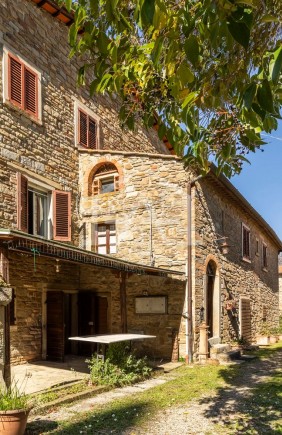
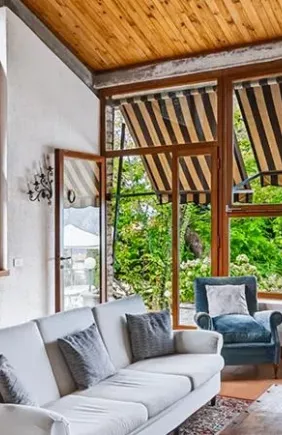
Walking among stone walls, towers rising above the hills, and cobbled lanes that seem frozen in time is an experience Italy does particularly well. The most beautiful medieval villages in Italy tell the story of an era shaped by castles, Romanesque churches and communities perched high up for protection, places that have since become popular travel destinations.
Many of these centres, such as Monteriggioni, Volterra and Gradara, hold official quality certifications and attract millions of visitors each year. It is a heritage spread across the entire peninsula, worth exploring region by region.
What makes a medieval village special
A medieval village is a small or medium-sized settlement, often fortified, that developed largely between the 9th and 15th centuries. It was almost always built for defensive reasons, which is why it stands in an elevated position and is protected by walls, towers and castles.
It is worth noting that there are official recognitions that help when choosing which places to visit. The association “I Borghi più belli d’Italia” certifies villages through an ISO 9001-compliant process based on 72 criteria. By the end of 2025, the number of certified villages had reached 382, with seven new locations added.

The most beautiful medieval villages in Northern Italy
Between the Alps, lakes and rolling hills, Northern Italy is home to fortified towns steeped in history and surrounded by striking scenery. Here, the Middle Ages often sit alongside vineyards, fortresses and mountain views. Three names that deserve a stop:
- Finalborgo (Liguria): one of Liguria’s most attractive villages and the historic heart of Finale Ligure. It has 16th-century walls, frescoed churches and a lively yet authentic pedestrian old town.
- Asolo (Veneto): nicknamed the “town of a hundred horizons”, it is dominated by its medieval fortress and enclosed by defensive walls, with views stretching as far as the Dolomites.
- Guarene (Piedmont): overlooking the Langhe hills, with an 18th-century castle built on the remains of an earlier medieval manor, and UNESCO-listed vineyards all around.

The most beautiful medieval villages in Central Italy
Central Italy probably has the highest concentration of medieval villages. Across Tuscany, Umbria, Marche and Lazio, there are countless examples, many of them exceptionally well preserved. Some have even inspired works of literature and served as film sets.
Civita di Bagnoregio, the “dying town”
Perched on a tuff rock spur in Lazio, Civita di Bagnoregio can only be reached via a long pedestrian bridge of around 300 metres, accessible on foot. Its fragile position, threatened by erosion, has earned it the well-known nickname “the dying town”, and Harry Styles has been reported to have bought property there.
Entry is regulated by a €5 ticket, a fairly unusual case among Italian villages. Its suspended atmosphere above the Valle dei Calanchi makes it one of the most photographed destinations in central Italy.

Monteriggioni and San Gimignano, the queens of Tuscany
Monteriggioni is one of the best-preserved medieval villages in Europe. Its circular walls with fourteen towers were built by the Sienese in the 13th century as a defence against Florence, and Dante Alighieri mentioned them in the Inferno.
Not far away, San Gimignano, often referred to as the Manhattan of the Middle Ages, rises above the Chianti hills with its skyline of medieval towers and is a UNESCO World Heritage Site.
Spello, Gradara and Volterra
These three villages show just how varied Central Italy’s heritage is:
- Spello (Umbria): on the slopes of Monte Subasio, noted for its flower-filled lanes and for works by Pinturicchio in the Baglioni Chapel.
- Gradara (Marche): with its perfectly preserved 14th-century castle, linked to the legend of Paolo and Francesca told in the Divine Comedy.
- Volterra (Tuscany): of Etruscan origin but strongly shaped by the medieval period, with a fortified historic centre that remains intact today.
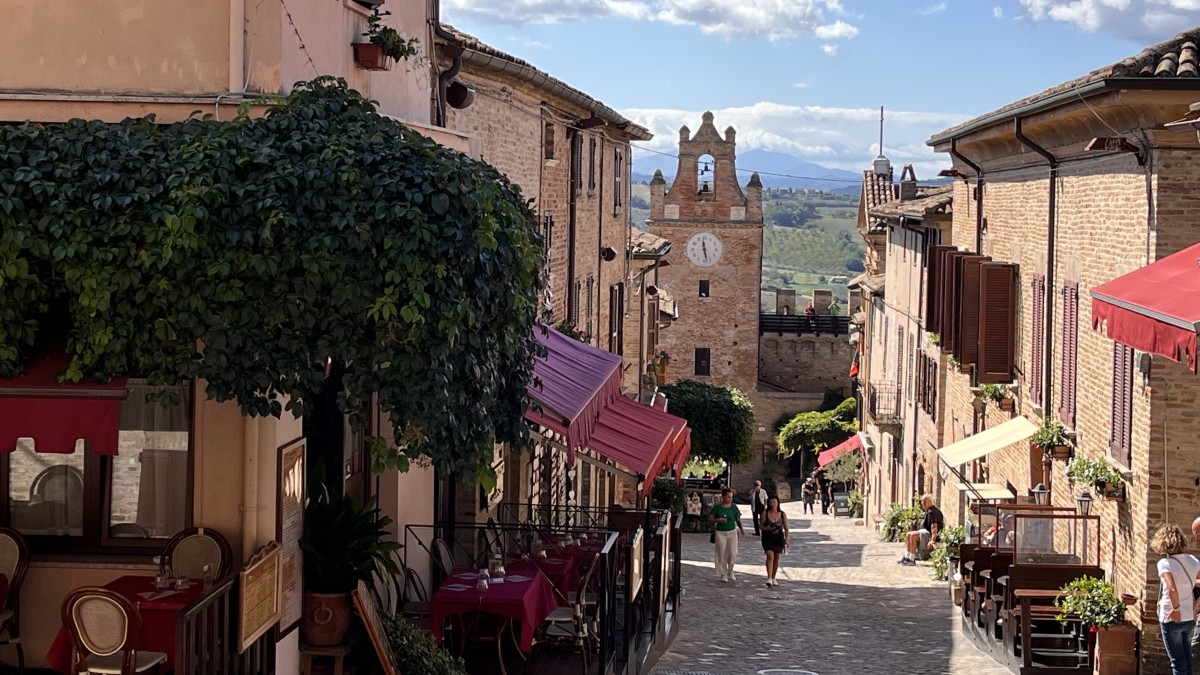
The most beautiful medieval villages in Southern Italy
Southern Italy also has striking fortified towns, often connected to Norman rule and set against dramatic mountain backdrops. Many of these places hold recognised tourism quality awards. Three examples worth noting:
- Erice (Sicily): standing 750 metres above sea level and often wrapped in mist, with a Norman castle, medieval churches and quiet stone lanes.
- Morano Calabro (Calabria): perched on the slopes of the Pollino National Park and dominated by its Norman castle, it is included both among “I Borghi più belli d’Italia” in Calabria and among the “Bandiere Arancioni” (Orange Flag) award towns.
- Castelbuono (Sicily): a village in the Madonie mountains near Palermo, dominated by the Castello dei Ventimiglia and known for producing manna and artisanal panettone.
Stay inspired for your travels in Italy —get our weekly newsletter for the latest travel, legal, and lifestyle news.