There is a scene repeated each summer across Italy: thousands of people on beaches and lakeside promenades, looking skywards as they wait for the first bang. Ferragosto fireworks are a symbol of Italy’s mid-August night, when darkness fills with colours reflected on the water.
Behind the custom is a two-thousand-year history linking pagan rites, religious celebrations and seaside tourism. Siena, Lakes Garda and Como, and Marina di Ragusa are among the places where the displays are at their most memorable, and the tradition has deep roots.
- Why are fireworks set off at Ferragosto?
- What are Italy’s traditions for 15 August?
- Why is it called Ferragosto? The origins of the holiday
- Fireworks display on Lake Garda
- Fireworks on Lake Como
- Fireworks in Marina di Ravenna and the lidi
- Marina di Ragusa, Sicily and the Night of Ferragosto
- Fireworks in Castellammare di Stabia
- Fireworks in Ostia, Lido di Camaiore and other Tyrrhenian destinations
Why are fireworks set off at Ferragosto?
Fireworks are a universal language of celebration: light, noise and a sense of occasion condensed into a few minutes. During Ferragosto, they take on a particular meaning as they coincide with the height of summer, when seaside and lakeside places receive their largest numbers of visitors.
Historically, fireworks displays are tied to religious celebrations of the Assumption of Mary, patron saint of many coastal communities, and to local sagre, or community festivals, that round off the public holiday. For local councils, they are also a major visitor draw, filling promenades and hotels on one of the year’s busiest nights.

When are Ferragosto fireworks held?
Most fireworks displays take place on the night of 15 August, though the period is wider than it may seem.
Many places hold their displays on the eve of Ferragosto, 14 August, while others continue until 16 August. They usually begin in the evening, most often between 10:30 pm and 11:30 pm, making the most of full darkness and reflections on the water.
What are Italy’s traditions for 15 August?
Italian Ferragosto is far more than a day trip or barbecue. It is a patchwork of rituals that vary by region. Some celebrations have particularly old roots and draw thousands of visitors each year. Among the best-known traditions are:
- The August Palio di Siena, the horse race in Piazza del Campo, where the city’s contrade, or historic districts, compete on 16 August.
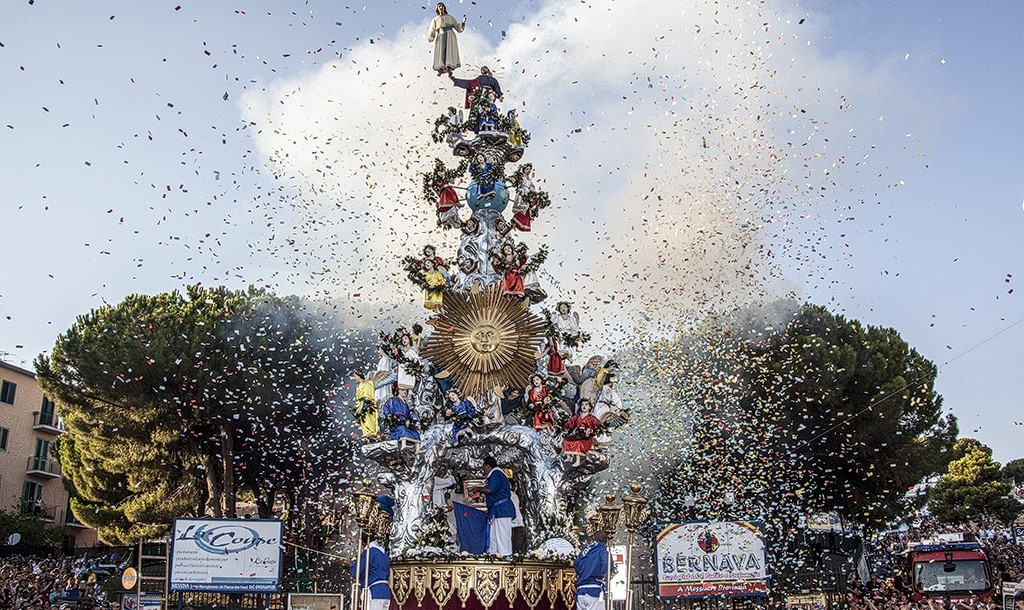
- The Vara and the Giants of Messina, an imposing religious procession with strong popular significance.
- Assumption processions, which in many seaside towns culminate in fireworks over the water.
- Local sagre, barbecues and beach bonfires, which form the secular and sociable heart of the holiday.
Along nearly every coast and lake, the inevitable evening fireworks display brings the celebrations to a close.
Why is it called Ferragosto? The origins of the holiday
To understand the fireworks, it helps to start with the name. The term “Ferragosto” comes from the Latin Feriae Augusti, meaning “Augustus’s rest”. Emperor Octavian Augustus established the holiday in 18 BC, creating a period of rest after the most intensive agricultural work.
Originally, the holiday fell on 1 August and continued through much of the month, with horse races and pack animals given time off work and decorated with flowers.
Later, as Christianity became established, the secular celebration was aligned with the solemnity of the Assumption of Mary, fixed on 15 August. Since then, the date has retained the two sides it still has today: religious and popular. Fireworks arrived much later, becoming part of this long-standing framework of collective celebration.
Fireworks display on Lake Garda
Lake Garda is perhaps one of the most photogenic backdrops for Ferragosto fireworks, helped by floating platforms that multiply reflections across the water. The main display has often taken place in the stretch between Sirmione and Desenzano, with a short musical introduction played by an orchestra on a floating stage at around 10:30 pm, followed by around twenty minutes of fireworks (source: Newsroom Italia).
Other lakeside towns organise their own displays on the same evening. In Malcesine, fireworks have been confirmed for around 11:00 pm along the lakeside promenade, while Limone sul Garda traditionally ends its “Yellow Night” with a fireworks show.
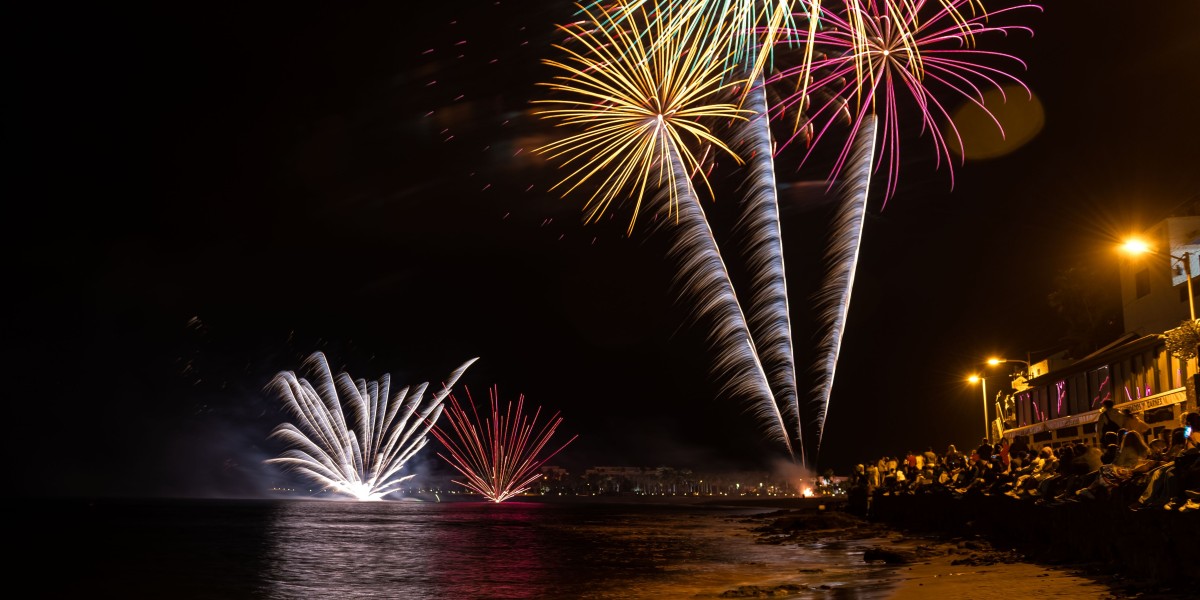
Fireworks on Lake Como
Lake Como also creates an impressive setting for the mid-August night. On the night between 14 and 15 August, the sky above Gravedona, in the northern part of the lake, lights up with a fireworks display reflected in the water. The event is often part of the Festival del Lago, which includes a procession of illuminated allegorical boats followed by fireworks over the lake.
The lake’s narrow, deep shape creates a particular acoustic effect, with the bangs echoing between the mountains. Many visitors choose to watch directly from the water, aboard ferries and private boats.
Fireworks in Marina di Ravenna and the lidi
On the Adriatic coast, Marina di Ravenna’s Ferragosto fireworks are a classic fixture of the Festa del Mare, or Sea Festival. The main event is held on the night of 15 August, when the display called I Fuochi del Candiano traditionally takes place late in the evening near the lighthouse.
The celebrations run across several days, continuing until 16 August with music, food and entertainment. Fireworks are not limited to Marina di Ravenna. On 14 August, other lidi, or coastal resorts, such as Punta Marina host displays, while Porto Corsini takes part in the event along the Candiano Canal.
- Property for sale in Marina di Ravenna
- Long-term rentals Marina di Ravenna
- Holiday rentals in Marina di Ravenna

Marina di Ragusa, Sicily and the Night of Ferragosto
In Sicily, Marina di Ragusa’s Notte di Ferragosto, or Ferragosto Night, is among the most eagerly awaited events along the Hyblaean coast. Fireworks are traditionally set off at midnight and, as they are launched close to the water, create particularly striking reflections on the sea.
The show is often organised as a proper contest involving several local fireworks companies, competing through colour and effects. It is important to note that the local council prohibits private individuals from setting off fires, rockets and sky lanterns on the beaches. Only authorised displays are permitted.
- Property for sale in Marina di Ragusa
- Long-term rentals in Marina di Ragusa
- Holiday rentals in Marina di Ragusa
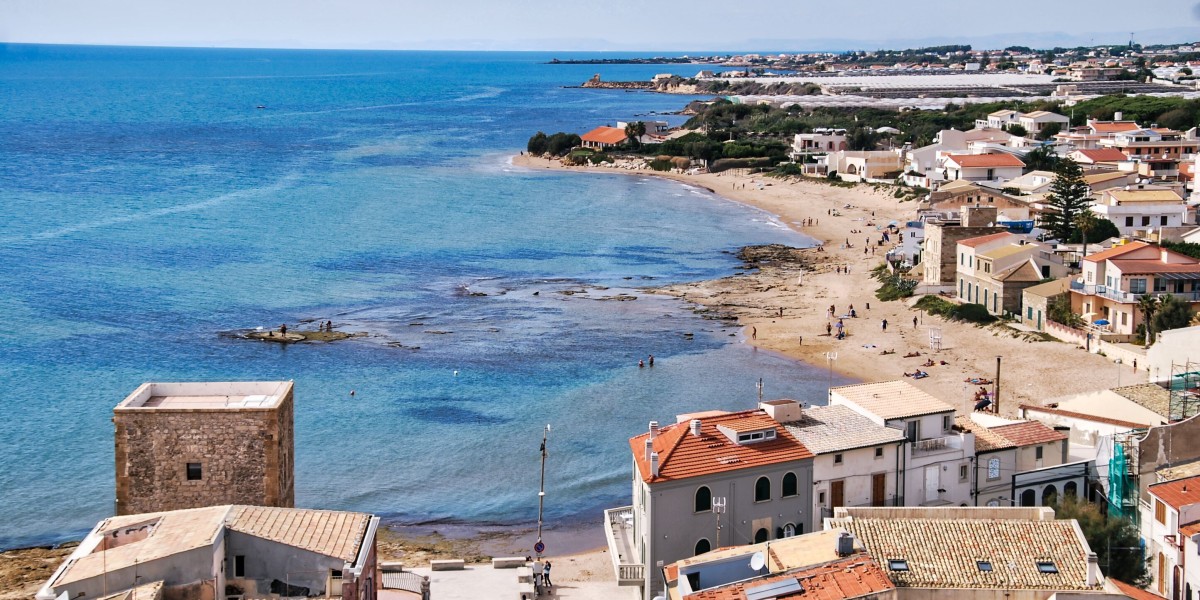
Fireworks in Castellammare di Stabia
In the Gulf of Naples, Castellammare di Stabia’s fireworks light up the sea on the night of Ferragosto. The display, often launched from boats offshore, can be watched along the seafront and from the city’s panoramic higher ground. The coast’s natural setting, framed by Vesuvius and the Sorrento Peninsula, makes for a particularly memorable view.
As well as the 15 August event, the town often rounds off the summer season with another fireworks display at the end of the month. These displays form part of a full calendar of religious and popular events linked to local Stabia traditions.
- Property for sale in Castellammare di Stabia
- Long-term rentals in Castellammare di Stabia
- Holiday rentals in Castellammare di Stabia

Fireworks in Ostia, Lido di Camaiore and other Tyrrhenian destinations
The Tyrrhenian coast also has several well-attended events. In Ostia, Rome’s beach district, it has become a tradition for the sky over the seafront to light up with a Ferragosto fireworks display over the sea, attracting residents and visitors escaping the city heat.
In Versilia, the Lido di Camaiore fireworks are part of a packed Ferragosto programme that takes in the Tuscan coast, including Viareggio, Forte dei Marmi and Marina di Massa. Camaiore marks the night of 15 August with fairs and activities across its squares.
Stay inspired for your travels in Italy —get our weekly newsletter for the latest travel, legal, and lifestyle news.