If you spend any time in Italy in summer, you’ll quickly hear one word over and over again: Ferragosto. It’s the 15 August holiday that shapes the entire month, and in many places it feels as though the country collectively downs tools and heads for the coast.
Ferragosto in Italy is part religious feast, part ancient Roman legacy, and part modern summer escape. For anyone living here or planning a visit, understanding what happens on 15 August — and how long it really lasts — makes life a lot easier.
- What is Ferragosto in Italy? Meaning, dates and why 15 August is a national holiday
- Ferragosto history: from ancient Rome to modern Italy
- How long does Ferragosto last in Italy, and what actually closes?
- Ferragosto celebrations in Italy: what people actually do
- What do Italians eat on Ferragosto?
- Things to do during Ferragosto in Italy
What is Ferragosto in Italy? Meaning, dates and why 15 August is a national holiday
Ferragosto is a national public holiday in Italy held every year on 15 August.
The word comes from the Latin Feriae Augusti, meaning “the holidays of Augustus”. Over time, Ferragosto became associated with the Catholic feast of the Assumption of Mary, which is also celebrated on 15 August.
It’s officially a one-day public holiday, but in practice it shapes the entire middle of August.
Ferragosto Italy 2026 dates
Ferragosto 2026 falls on a Saturday. When it lands near a weekend, many Italians take extra annual leave, which extends the celebrations into what’s often called la settimana di Ferragosto — Ferragosto week.
You’ll also hear people say buon Ferragosto, which simply means “happy Ferragosto”.
Ferragosto history: from ancient Rome to modern Italy
Today, Ferragosto in Italy blends an ancient Roman summer festival, a major Catholic feast day and a modern nationwide summer break.
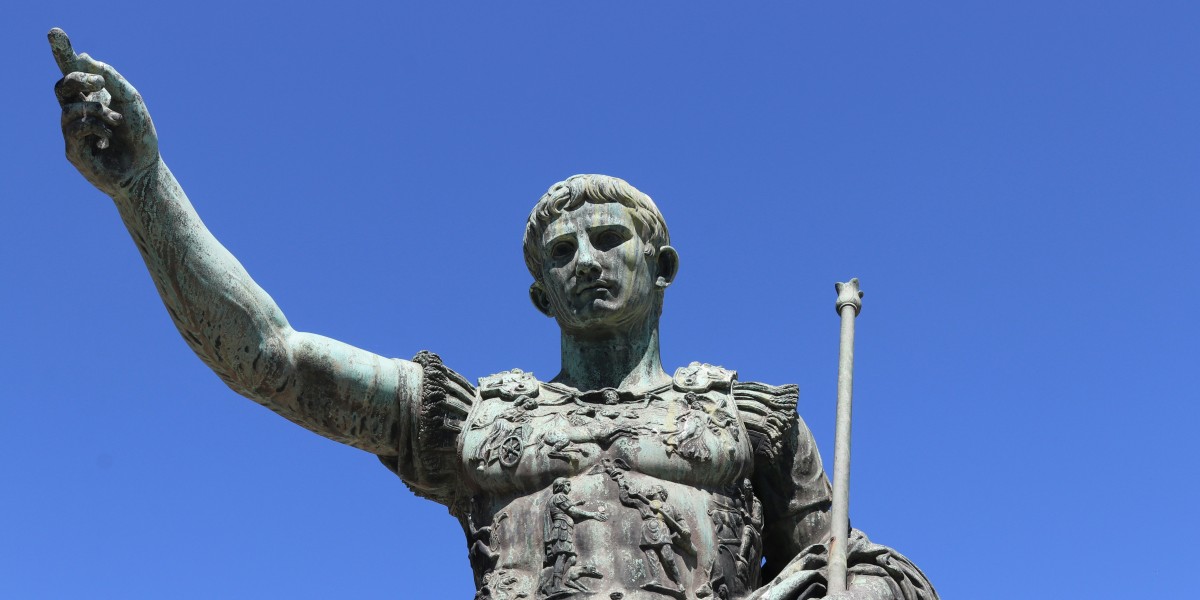
Ferragosto began in 18 BC under Emperor Augustus. He introduced Feriae Augusti as a period of rest after weeks of intense agricultural labour.
It was a time for festivals, horse races and communal celebrations. Workers would greet their employers, who, in return, often gave small bonuses.
Later, the Catholic Church aligned the date with the Assumption of Mary, one of the most important Marian feasts.
In many towns, especially in central and southern Italy, you’ll still see religious processions on 15 August.
- During the 1920s and 30s, organised day trips were promoted to allow working-class families to visit the seaside or countryside.
- After the Second World War, rising car ownership and paid holidays turned Ferragosto into what it is now: the peak of the Italian summer exodus.
In parts of the north, Ferragosto can feel more like a practical shutdown. In the south and in smaller towns, traditional celebrations and processions remain more visible.
How long does Ferragosto last in Italy, and what actually closes?
The public holiday itself is one day; however, many businesses close for several days. Some factories and family-run companies shut for one or even two weeks.
Is everything closed on 15 August in Italy?
Not everything — but a lot.
Usually closed:
- Government offices
- Post offices
- Many small shops and independent businesses
- Local services and some medical clinics
Often open (especially in tourist areas):
- Museums in big cities
- Supermarkets (reduced hours)
- Beach clubs
- Restaurants in holiday destinations
Public transport typically runs on a reduced holiday timetable.
Ferragosto celebrations in Italy: what people actually do
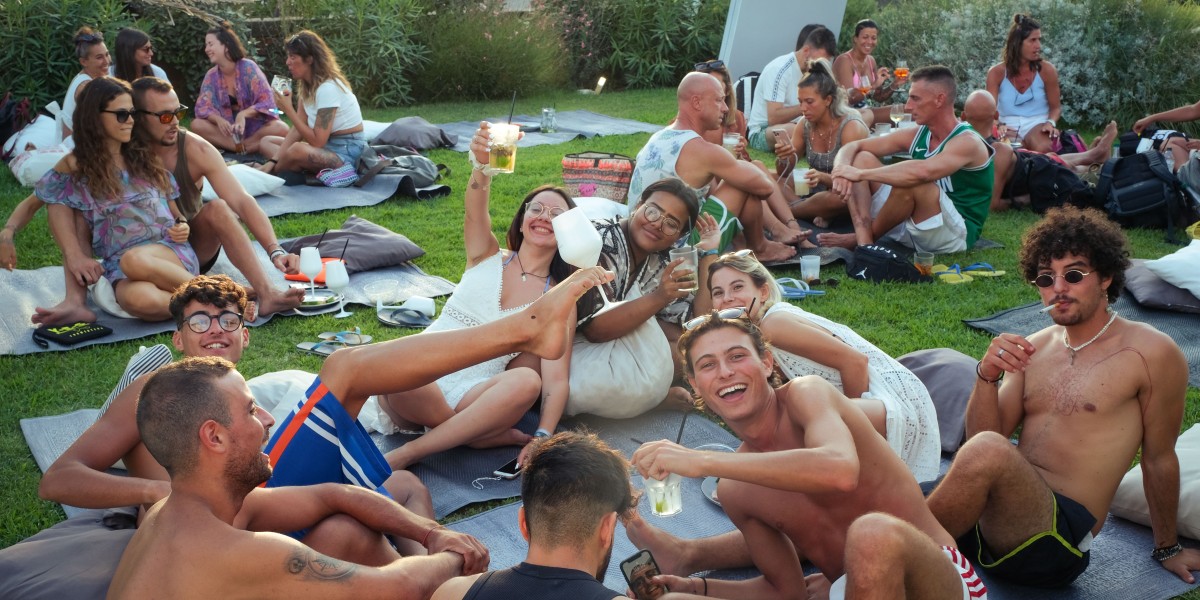
If you ask what happens in Italy on 15 August, the short answer is: people gather, eat and escape the heat.
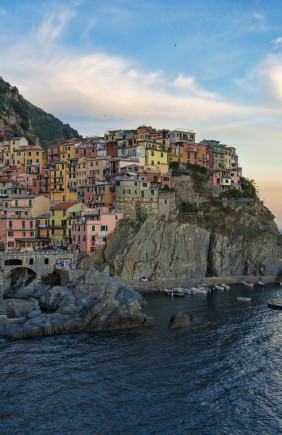
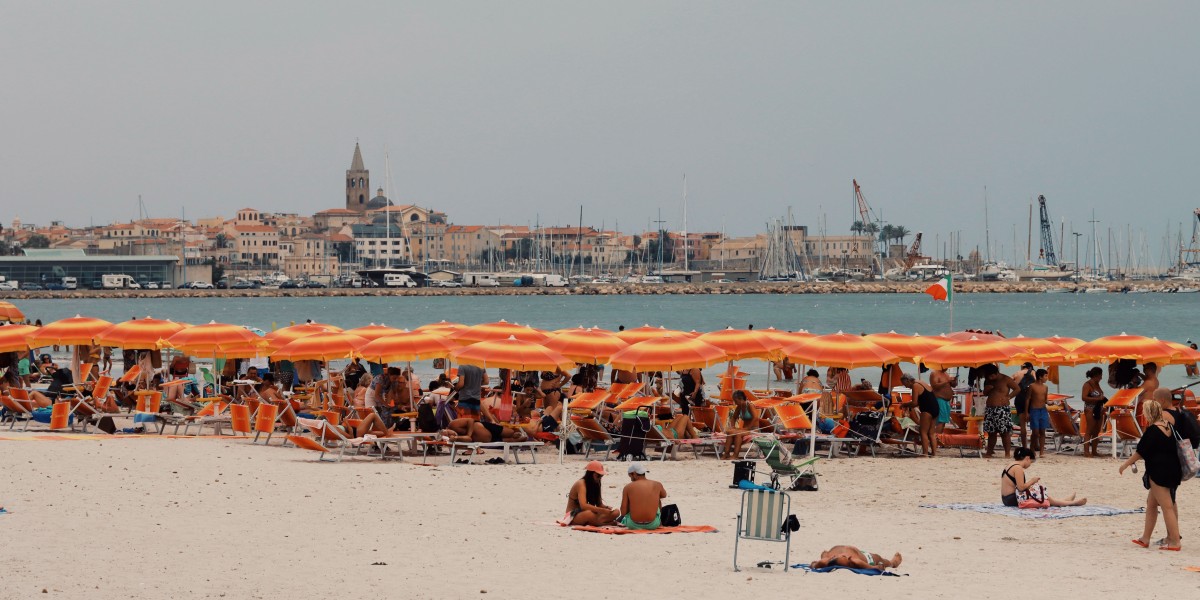
In cities like Rome or Milan, streets can feel strangely empty as locals head to the seaside, mountain villages, or lakes. It’s one of the busiest travel days of the year.
Ferragosto is traditionally spent with family or close friends. Even people who aren’t especially religious often treat it as a non-negotiable gathering.
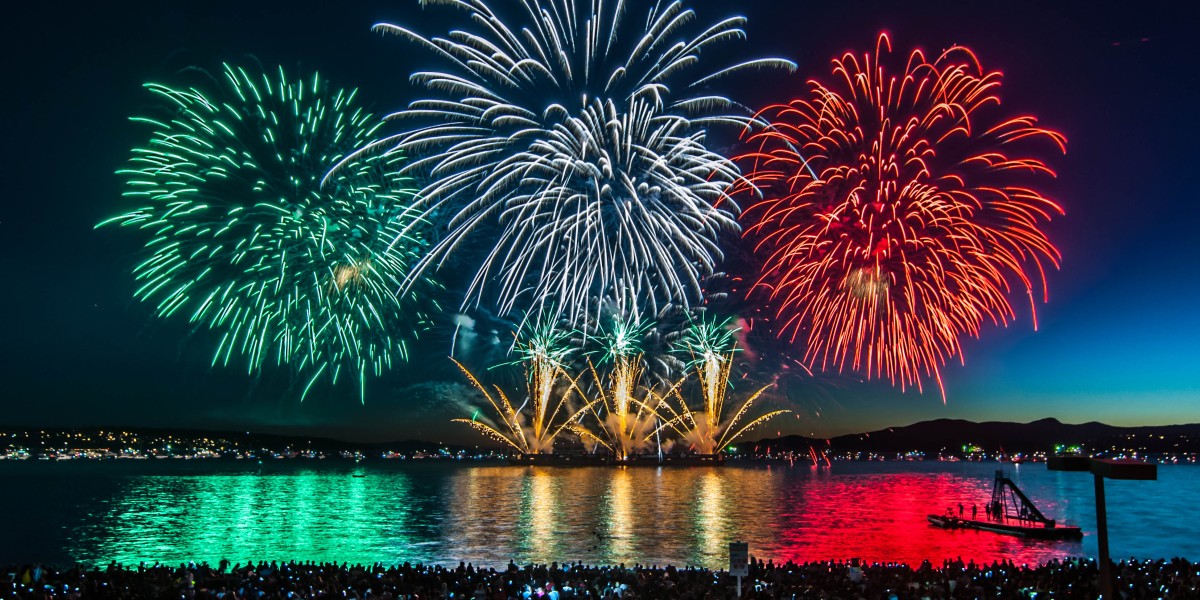
Many towns host outdoor concerts and fireworks displays. You'll also find food festivals (sagre) celebrating local produce.
What do Italians eat on Ferragosto?
Food is central to Ferragosto, and the dishes reflect the height of summer.
Menus vary by region, but common dishes include:
- Chicken and red pepper stew in Rome
- Lasagne or baked pasta
- Parmigiana di melanzane (aubergine bake)
- Cold rice or pasta salads
- Fresh tomatoes, mozzarella and basil
Desserts might include chilled watermelon, fruit tarts or regional specialities. Wine flows freely, though lunch can be more relaxed than Christmas or Easter.
Things to do during Ferragosto in Italy
If you’re not joining a big family gathering, there are still plenty of ways to enjoy the day.
In larger cities, major museums often remain open, and evening events and outdoor cinema are common.
Beach destinations are at their busiest around Ferragosto. If you’re planning a coastal break, it’s worth looking at well-known stretches as well as smaller towns.
Smaller mountain towns and rural farm stays also fill up quickly, particularly in regions like Trentino-Alto Adige, Tuscany and Abruzzo.
Stay inspired for your travels in Italy —get our weekly newsletter for the latest travel, legal, and lifestyle news.