Can people still live in a village with no roads, where the sea is the only way in and night is properly dark?
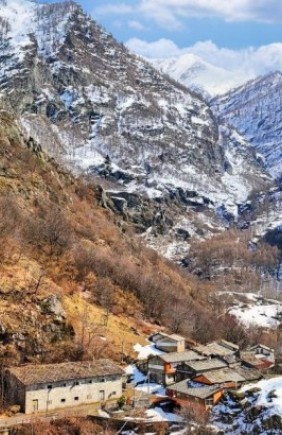
On the south-western side of Stromboli, that is everyday life. One village is cut off by steep slopes and volcanic rock, so no cars, no scooters, no constant background noise. It is a tiny place, with around 40 permanent residents, where simplicity is not a trend but a fact of life.
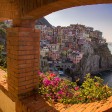
The harbour is a narrow opening amid black lava; time seems to pass more slowly, and the horizon puts everything back into perspective: white houses, footpaths, donkeys and the volcano watching over it all.
Il Pertuso: the “world’s smallest harbour” and the new pier
Ginostra’s tiny landing point is called Il Pertuso, a dialect word meaning “hole”, which says it all. For centuries, it was considered the world’s smallest natural harbour, and the Messina Superintendency has recognised its value, granting it protection for its historical and territorial importance. Until 2004, only one boat could dock at a time.
A new pier was then opened to make hydrofoil and ferry arrivals and departures safer, particularly during emergencies or bad weather. Even now, though, the sea sets the rules: when waves and winds are against you, timetables and stops can change at the last minute.
Everyday life at a different pace: electricity, water and services
Public electricity did not reach Ginostra until February 2004. Before then, residents relied on solar panels and generators, and some still prefer independent systems.
Water is not simply taken for granted: homes collect rainwater in cisterns, supplemented by a network supplied periodically by water tankers. Mobile reception can be patchy, and services remain basic.
Sea, rocks and dark skies: what to do and what not to expect
Ginostra has no sandy beaches. Swimming means using rocky access points and bathing among the rocks, always taking account of the sea conditions and the shape of the coastline.
The water is clear, and the scenery is volcanic. On cloudless days, it is possible to make out the other Aeolian Islands, the Calabrian coast and even Mount Etna. At night, the limited lighting opens up an extraordinary sky.
Swimming among rocks in a volcanic setting
Suitable footwear for the rocks is advisable, and getting into the water needs to be planned carefully, as exposure to waves can quickly change conditions.
Nights without bright lights: the sky as an attraction
The lack of light pollution turns the sky into a dome of stars. It is a fragile asset. To preserve it, lighting remains limited and evening life continues at a low-key pace.
Footpaths and the volcano: rules, safety and guides
Several hiking routes connected with Stromboli begin in the village, but they should never be underestimated. Access and altitude limits depend on current regulations, the weather and volcanic activity levels.
Licensed guides are compulsory for some routes. Trails starting in Ginostra are more demanding than those leaving Stromboli village, with greater sun exposure and less straightforward sections.
Why setting off from Ginostra is more demanding
Exposure, steep terrain and the lack of extended shade make the routes tougher. Water supplies need careful management and rest stops should be planned. It is an intense experience, rewarded by unusual scenery, provided the local approach is respected: caution and care.
Getting there: routes, journey times and unexpected changes
Ginostra can be reached by hydrofoils and ferries linking Stromboli with the other Aeolian Islands, as well as certain ports in Sicily, Calabria and Campania, depending on the season.
The main services are run by Liberty Lines and Siremar, with timetables and frequencies varying greatly between summer and winter. The quickest route is the Liberty Lines hydrofoil between Milazzo and Ginostra, which takes around two hours, conditions permitting. Local operators also provide boat transfers from Stromboli village, including for day visits.
Article originally published on The Wom Travel: Il borgo raggiungibile solo via mare dove il tempo si è fermato agli anni ’60