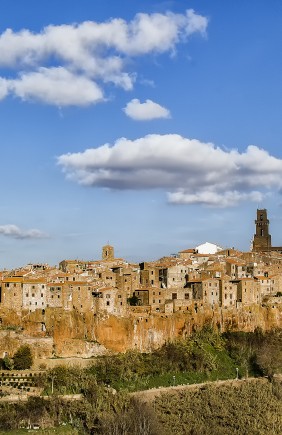
Liberation Day in Italy, celebrated every year on 25th April, marks the end of the Fascist regime and Nazi occupation in 1945. Known in Italian as Festa della Liberazione, it remains one of the most important national holidays in Italy and a defining moment in modern Italian history.
In 2026, 25th April falls on a Saturday, which means many public events will take place over the weekend, with commemorations, marches and cultural initiatives organised across the country.
What is Liberation Day in Italy?
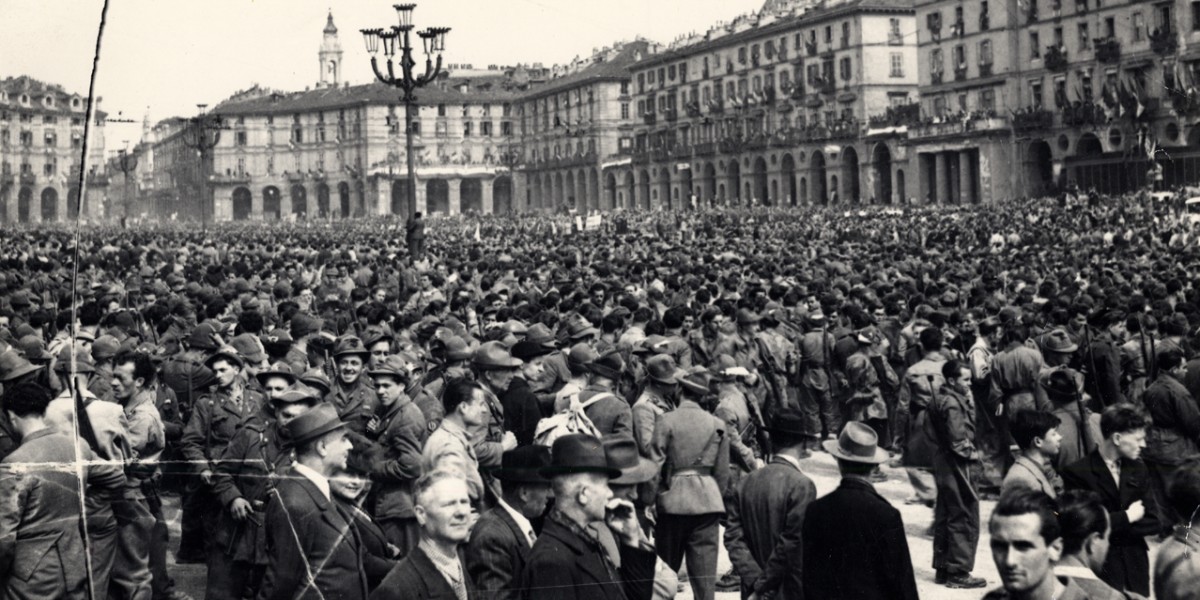
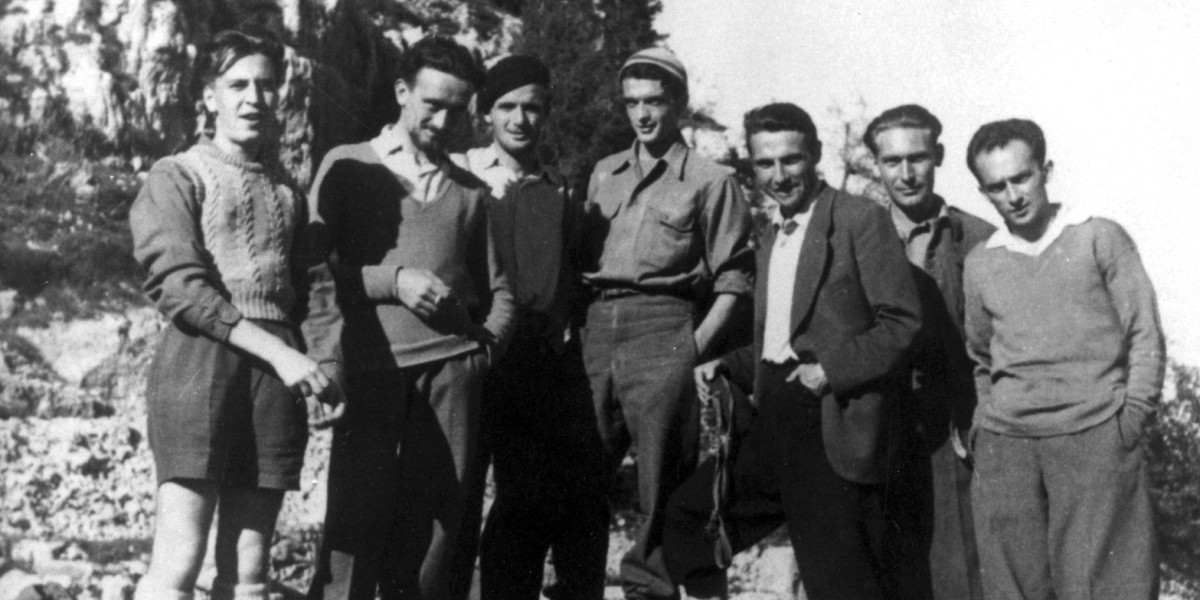
Liberation Day commemorates 25th April 1945, when the National Liberation Committee for Northern Italy (CLNAI) called for a general uprising against Nazi and Fascist forces occupying the north of the country. In the days that followed, key cities such as Milan and Turin were liberated, and German troops began their retreat.
The day April has come to symbolise the collapse of the Fascist regime and the end of Nazi occupation. It represents the victory of the Italian Resistance and the beginning of the democratic process that would lead to the birth of the Italian Republic in 1946.
When did 25 April become a national holiday?
Liberation Day was officially declared a national holiday on 22nd April 1946, on the proposal of Prime Minister Alcide De Gasperi. In 1949, the date was formally institutionalised as a permanent public holiday, alongside 2 June, Republic Day.
Are things closed on Liberation Day in Italy?
Today, 25 April is recognised across Italy as a national holiday. It serves both as a commemoration of those who fought and died for liberation and as a civic reminder of the foundations of the Italian Republic.
- State schools are closed
- Public offices and banks are closed
- Many shops shut, especially smaller independent businesses
Liberation Day traditions
Commemorations vary slightly by region, reflecting Italy’s strong local identities, but several traditions are common nationwide.
Official ceremonies
In Rome, the President of the Republic lays a wreath at the Tomb of the Unknown Soldier at the Altare della Patria.. This is one of the most symbolic moments of the day and is broadcast nationally.
Public marches and demonstrations
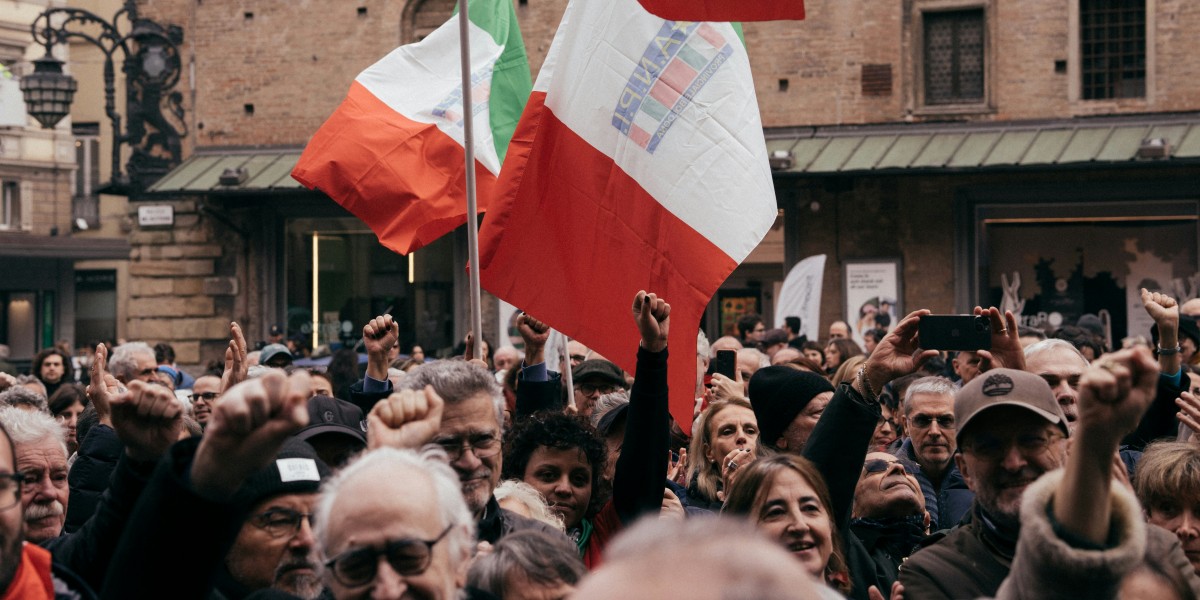
Many towns hold marches organised by the ANPI (National Association of Italian Partisans). These events bring together veterans’ families, trade unions, students and civic groups.
Music and symbolic songs
The song Bella Ciao, associated with the Resistance, is often sung during public events. Over the years, it has become an international anti-fascist anthem, but in Italy, it retains a particularly deep historical meaning.
Liberation Day food
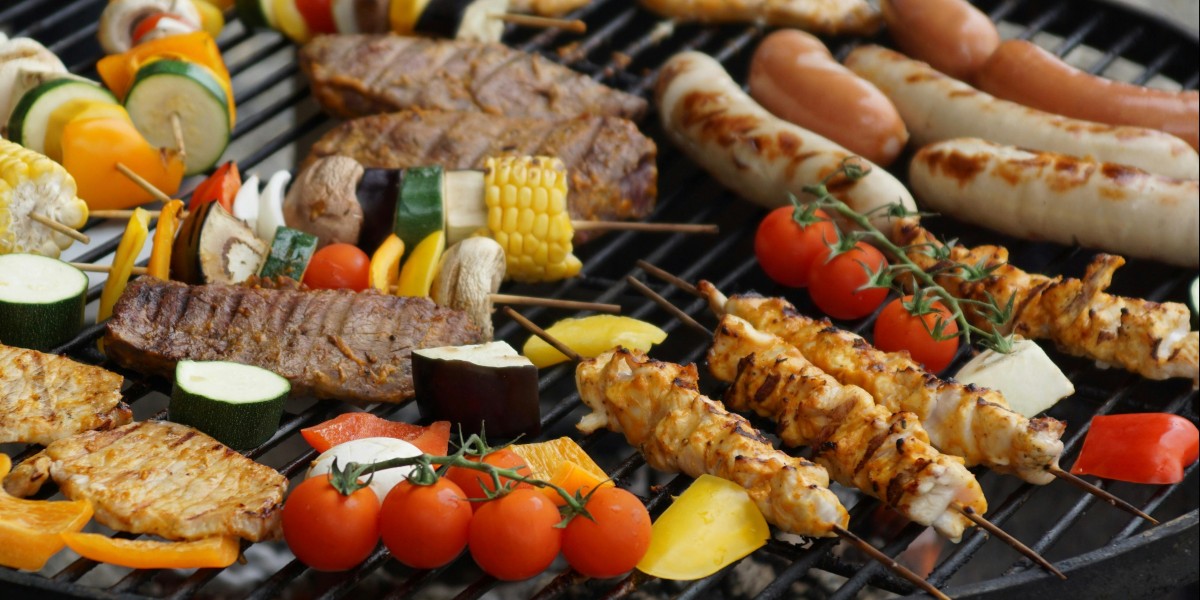
Liberation Day falls in the middle of spring, and for many Italians it marks the unofficial start of picnic and barbecue season.
A typical 25 April lunch might include:
- A grigliata (barbecue) with sausages, pork chops or lamb
- Seasonal vegetables such as artichokes and asparagus
- Simple pasta salads or rice salads (insalata di riso)
- Local wines
Families often gather in parks, head to the countryside or book a table at an agriturismo (farmhouse restaurant). Restaurants in rural areas can fill up quickly, particularly if the holiday creates a long weekend.
Stay in the know about living in Italy as a foreigner—get our weekly newsletter for the latest travel, legal, and lifestyle news.