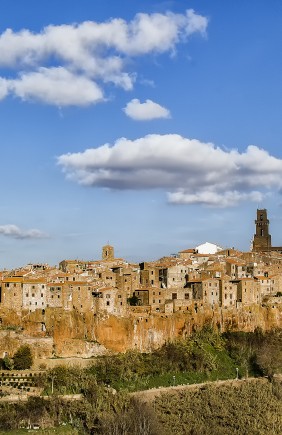
Italy’s Republic Day, Festa della Repubblica, is celebrated every year on 2 June. In 2026, it marks the 80th anniversary of the historic 1946 referendum that led to the birth of the Italian Republic.
This milestone year gives the holiday added significance, with special commemorations expected across the country, particularly in Rome. While views on the monarchy-to-republic transition still spark debate in some circles, Republic Day remains one of Italy’s most important national holidays.
What happens on Republic Day in Italy?
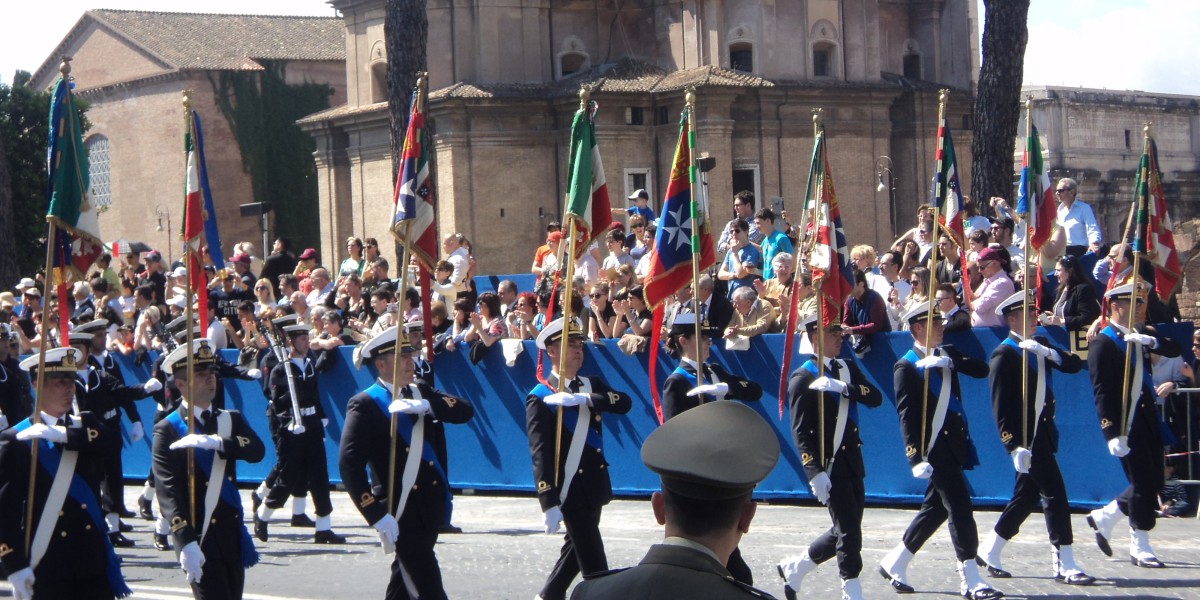
On 2 June each year, Italy marks Festa della Repubblica with military ceremonies, institutional tributes, cultural events, and public celebrations. In 2026, the 80th anniversary is likely to bring expanded programming, historical exhibitions, and increased international attention.
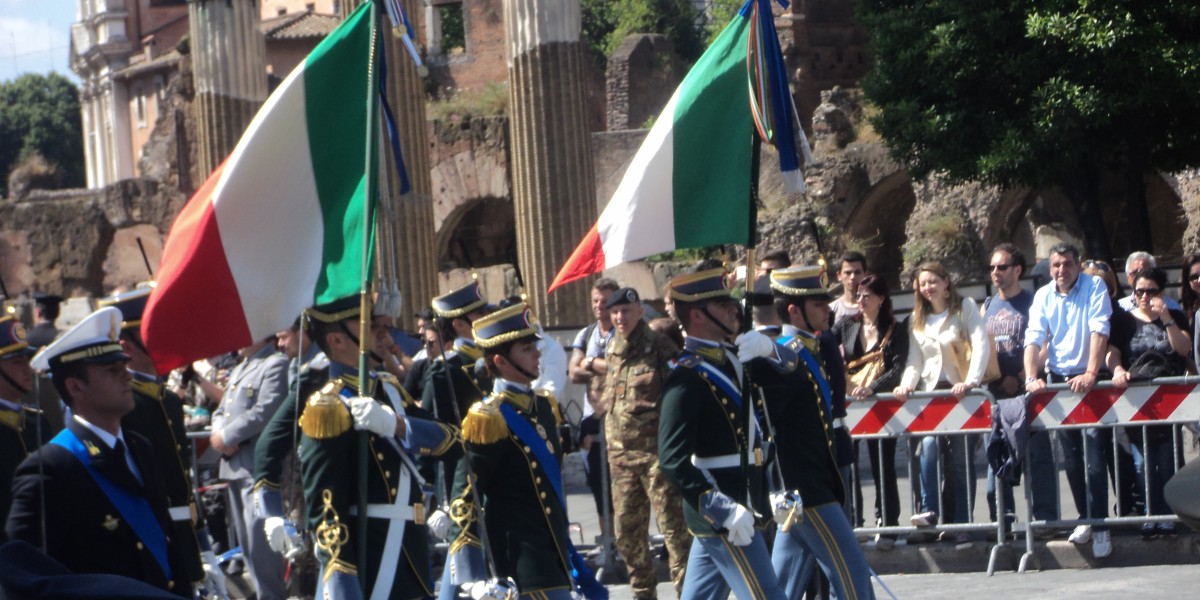
The Italian tricolour flag is displayed across cities, towns, balconies and public buildings. Green, white and red decorate piazzas and official spaces, and many municipalities organise concerts or civic ceremonies.
The central celebration takes place in Rome, where the most formal events are held in the presence of the President of the Republic and senior state officials.
What is the main event on Republic Day?
The main event of Italy Republic Day 2026 will once again be the military parade along Via dei Fori Imperiali in Rome. This parade involves all branches of the armed forces, police units, emergency services and civil protection groups.
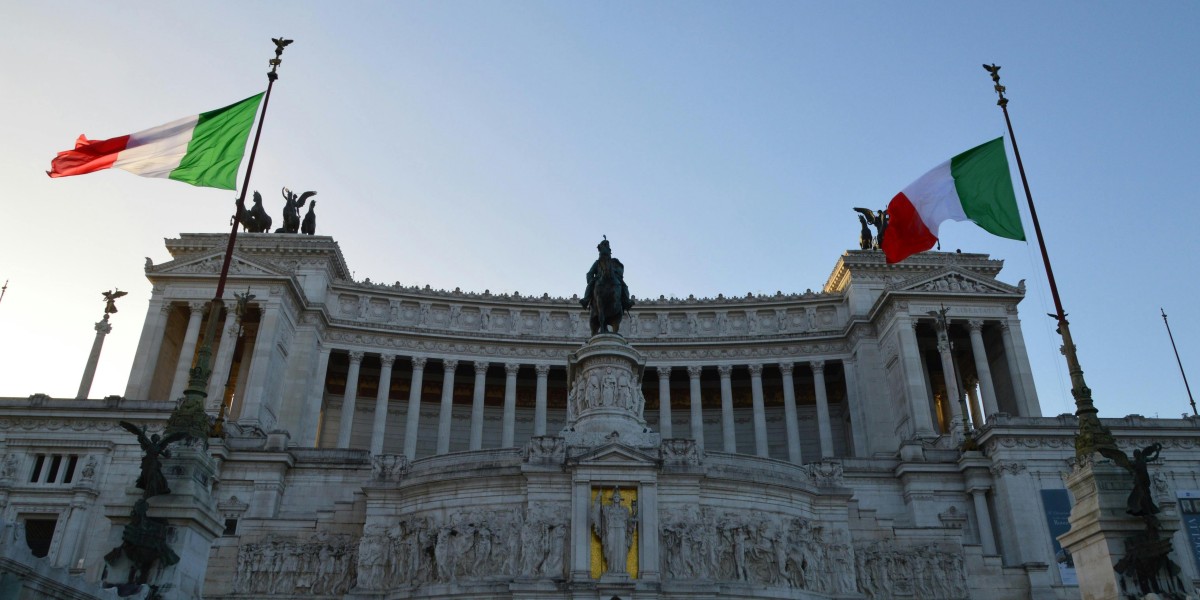
The day begins with the President laying a wreath at the Tomb of the Unknown Soldier at the Altare della Patria (Vittoriano monument). This solemn moment honours those who died for Italy.
One of the most recognisable parts of the ceremony is the flyover by the Frecce Tricolori, the Italian Air Force aerobatic team, which releases green, white and red smoke across the Roman sky. For the 80th anniversary in 2026, the parade is expected to carry additional symbolic weight, reflecting eight decades of republican history.
The origins of Italy's Republic Day
Italy’s Republic Day commemorates the institutional referendum held on 2–3 June 1946, when Italians were asked to vote between monarchy and republic.
The vote took place after the collapse of Fascism and the end of the Second World War. The House of Savoy, Italy’s ruling royal family, had been closely associated with Benito Mussolini’s regime. Their perceived failure to prevent dictatorship significantly weakened support for the monarchy.
In the referendum, just over 54% of voters chose to establish a republic. It was also the first national vote in which Italian women participated.
Following the result, the royal family went into exile. On 27 May 1949, the Italian Parliament formally established 2 June as a national holiday.
Republic Day in Italy: what is closed?
Republic Day is a public holiday across Italy, meaning:
- Government offices are closed
- Schools are closed
- Banks are closed
- Many offices and independent shops shut for the day
In major cities such as Rome, Florence and Milan, museums and tourist attractions often remain open, although opening hours may vary. In Rome, road closures around Via dei Fori Imperiali and central areas are common due to the parade.
What foods are eaten on Republic Day in Italy?

There is no single official Republic Day menu, but food plays a strong social role in the celebrations. Families often gather for long lunches, and many dishes reflect the colours of the Italian flag.
A classic example is Caprese salad, made with tomatoes, mozzarella and fresh basil. Its red, white and green naturally mirror the tricolour.
Other popular dishes include:
- Pasta alla Norma – aubergine, tomato, basil and ricotta salata, originally from Sicily
- Arancini – fried rice balls filled with ragù or mozzarella
- Supplì – Roman rice croquettes with tomato and melted cheese
- Porchetta – slow-roasted pork seasoned with herbs, often served in sandwiches
Republic Day vs. other national holidays in Italy
Italy has several important national holidays, each with a distinct meaning.
- Liberation Day (25 April) commemorates the end of Nazi occupation and Fascist rule in 1945. It focuses on resistance, anti-fascism and the struggle for freedom.
- Republic Day (2 June) marks the institutional decision to become a republic in 1946. It centres on democratic choice, constitutional values and the structure of the state.
- All Saints’ Day (1 November) is a religious observance rooted in Catholic tradition. It involves church services and visits to cemeteries to honour deceased relatives.
The importance of Italy’s Republic Day in 2026
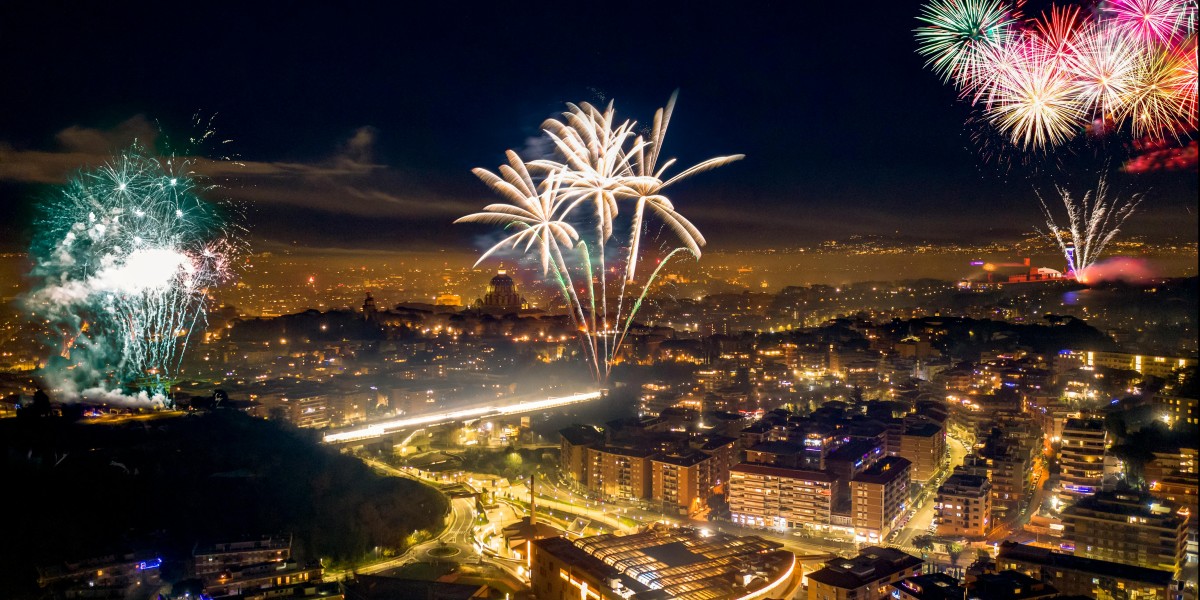
Eighty years on, Italy's Republic Day 2026 represents more than a historical anniversary. It is a reminder of a national decision taken through a democratic vote at a fragile moment in the country’s history.
For many Italians, 2 June symbolises:
- The transition from monarchy to republic
- The beginning of modern constitutional democracy
- The extension of voting rights to women
- A shared civic identity beyond regional differences
At the same time, discussions about Italy’s past, the monarchy, and the legacy of the post-war period remain part of public debate. That complexity is part of the country’s political culture.
Stay in the know about living in Italy as a foreigner—get our weekly newsletter for the latest travel, legal, and lifestyle news.