People living in apartment buildings or historic centres rarely have a section of roof available for solar panels. To address this issue, sustainable construction has begun experimenting with solutions that can be incorporated directly into vertical façades.
One technology that is still not widely used but is gaining ground is designed for those who want to reduce consumption without altering the building’s structure: solar window panels, also called photovoltaic windows.
What are solar window panels?
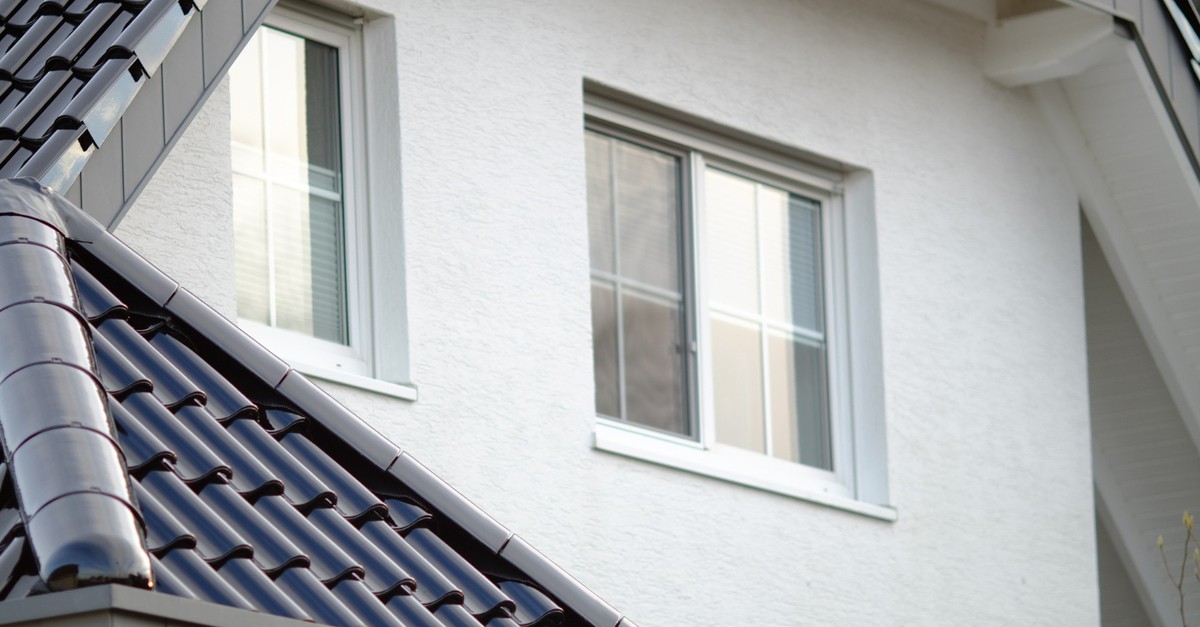
The terms solar window panels and photovoltaic windows refer to window units that look no different from conventional ones, but contain materials capable of converting sunlight into electricity. These are genuinely transparent photovoltaic panes that can replace standard windows. Their main advantage is their lower visual impact compared with systems mounted on roofs.
Before installation, however, it is worth considering two connected aspects:
- Transparency, which affects how much natural light a room needs.
- Efficiency, as energy production remains lower than that of a conventional photovoltaic panel.
It is also important to distinguish this solution from simply placing a rigid panel behind existing glazing. Although technically feasible, that approach produces very little energy because of reflection and refraction effects described by Fresnel’s laws.
Proper photovoltaic windows, on the other hand, integrate the technology directly into the glass structure, partly overcoming this physical limitation.
How do photovoltaic windows work?
Photovoltaic windows work through two panes of glass with an optically active material placed between them. This may consist of amorphous, monocrystalline or polycrystalline silicon cells, applied as a transparent gel containing amorphous silicon.
This process turns the glass into a semiconductor while retaining enough transparency for everyday use as a window. Where this layer is applied affects its output:
- When the gel is spread directly on the surface of the glass, a photovoltaic window can generate up to 100 W/m².
- When it is placed inside the cavity of double glazing, production can reach 300 W/m², almost tripling the overall efficiency of the system.
Once captured, sunlight is absorbed by photons in the gel and organic polymers, while vibrations of the atoms inside the amorphous silicon trigger a continuous flow of electricity that is channelled towards the edges of the frame.
The current then reaches a small domestic inverter, which converts it into electricity that can be used by household appliances and systems. The entire process remains invisible to those living in the property.
What types of photovoltaic windows are available for homes?
Photovoltaic windows are primarily distinguished by their level of transparency. The cell material is another classification factor, as it directly affects both electricity generation and the visual appearance of the glass. The following types of photovoltaic windows are available on the market:
- Windows with transparent glass: these provide the performance of a conventional window, allowing both light and heat through.
- Windows with semi-transparent glass: these allow softer light into the room while ensuring high electricity generation. They prevent the absorption of heat and infrared radiation.
- Windows with coloured glass: these add a different visual finish while maintaining energy performance comparable to other versions.
- Crystalline cells: two sheets of tempered glass with monocrystalline or polycrystalline silicon cells in the cavity, creating a transparent final result.
- Amorphous silicon cells: these look slightly darker, but still allow sufficient light through to illuminate the interior.
- Organic solar cells: made from light-reactive carbon-based polymers, these are printed onto thin rolls and can be applied to different surfaces.

Why use solar window panels: the benefits
Photovoltaic windows are a practical option when aesthetic restrictions prevent rooftop solar systems from being installed. This technology is particularly suited to large urban apartment buildings, as it makes use of vertical surfaces that are not shaded by trees or neighbouring buildings, provided they face south.
The main benefits of photovoltaic windows include:
- No need for roof space: they use available vertical surfaces to generate clean energy directly through a home’s windows.
- Less heat in summer: semi-transparent models block infrared rays, helping rooms stay cooler and reducing reliance on air conditioning.
- Compliance with façade appearance restrictions: they can be incorporated without changing the look of the building and can be connected to home automation systems.
- Improved overall energy efficiency without compromising natural daylight, particularly with crystalline glazing.

How much does a solar window panel cost?
The cost of transparent photovoltaic glass varies considerably according to the quality and type of glazing used, including amorphous silicon, organic solutions and other materials such as graphene. Depending on these factors, costs can range between €0.90 and €7 per watt.
For comparison, a conventional 350-watt photovoltaic panel costs between €200 and €400. This works out at approximately €0.50 to €1.15 per watt per module, considerably less than photovoltaic windows. Installation costs must also be added, and these can vary according to the complexity of the work and the supporting structure required for the windows and panels.
What does a green home look like today?
Photovoltaic windows are an important step towards a green home, but they are not enough on their own to significantly reduce a property’s environmental impact.
Avoiding waste and improving overall building performance requires other measures, including:
- Good external wall insulation, high-quality insulating materials and thermal films applied to glass.
- Efficient air-conditioning systems, which can reduce electricity use, along with a home battery to store energy produced during sunny hours.
- Photovoltaic glass technology is moving in this direction, as demonstrated by the hybrid solar window: a special window that produces electricity and hot water at the same time by using infrared radiation.
Stay in the know about living in Italy as a foreigner—get our weekly newsletter for the latest travel, legal, and lifestyle news.