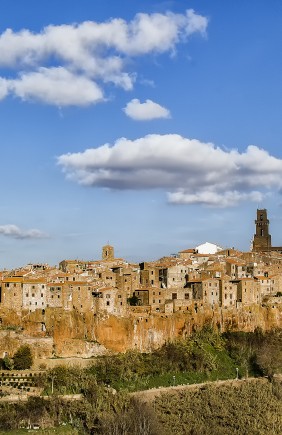
The list of Italian municipalities selling €1 homes is growing, with the latest village in Sicily. In Naro, in the province of Agrigento, the local council has recently approved new regulations and the case1euronaro.it portal is already online, making the process more transparent and accessible for applicants abroad.
The aim is twofold: to restore abandoned buildings in the historic centre and tackle depopulation, encouraging renovation work, services and tourism. The project is open both to people looking for a home and to those intending to start a business.
What the €1 homes scheme in Naro involves
The project follows a growing trend among Italian villages, but stands apart for two newer elements: formally approved municipal regulations and a multilingual digital platform with a verified catalogue of available properties. The council, led by councillor Ignazio Pio Di Gerlando, does not simply list the properties. It checks the eligibility of sellers and buyers, publishes only homes that have passed the required checks, and sets clear deadlines for each stage.
The council does not become the owner of the properties. Instead, it acts as a facilitator between sellers and buyers, helping to ensure transparency and compliance with the aims of urban regeneration. This is not a quick transfer of ownership. Restoration lies at the heart of the scheme, with clear commitments and guarantees designed to protect the project.
How Naro’s €1 homes portal works
The case1euronaro.it portal has been operational since July 2026 and is one of the scheme’s more practical features compared with similar initiatives in Italy. Many municipalities using comparable models have relied on paper forms, generic email addresses or static institutional webpages.
Naro has instead created a dedicated digital system, available in several languages — Italian, English, German, Spanish and French — intended to reduce barriers for people applying from abroad.
The process runs through two separate channels, reflecting the two roles involved: seller and buyer. Each property added to the catalogue receives a unique code assigned by council offices after the necessary checks. This code must be used in any purchase application, removing uncertainty about the specific property being requested.
Published information includes a photo of the façade, location and basic structural details. It does not replace a full technical assessment, which remains the prospective buyer’s responsibility before formalising a proposal.
Submitting an application online does not automatically create any right to buy. It is a formal first step that begins the document checks carried out by the relevant offices.
“Sell for €1” section
Owners of unused or dilapidated properties can register an interest in adding their home to the project. The application requires an identification form and photographic material to be uploaded.
A property is published in the catalogue only after checks by the relevant council offices, creating a reliable inventory of genuinely available homes.
“Buy for €1” section
Individuals, associations and businesses can browse the catalogue and apply for a particular property using its unique code. The platform guides applicants through the upload of the required documents.
The application is reviewed by council offices and leads to allocation only when all requirements are complete and consistent with the restoration aims laid down in the regulations.
Who can apply for Naro’s €1 homes scheme
The call is open to a broad range of applicants:
- Individuals aged 18 or over, Italian or foreign
- Legal entities, including associations, foundations, co-operatives and commercial companies
There are no residency or nationality restrictions. This makes the programme open to international investors and Italians living abroad who want to maintain a connection with Sicily.
Permitted uses
Flexibility over the intended use is one of the scheme’s strengths, provided current legislation and the technical requirements of the restoration are respected:
- Primary residence or permanent home
- Second home or holiday home
- Accommodation business, such as a B&B, albergo diffuso or guest house
- Commercial businesses, craft workshops or association premises
The real costs beyond the symbolic €1
The purchase price is symbolic, but it is essential to plan the full project realistically. All related costs remain the buyer’s responsibility.
Item | Details |
|---|---|
Purchase price | €1, symbolic |
Notary fees | Paid by the buyer |
Registration and cadastral taxes | Paid by the buyer |
Design work and applications | To be costed before applying |
Restoration work | Compulsory within the deadlines set by the regulations |
Guarantee bond | Required to guarantee the start and completion of works |
The key point is the bank or insurance guarantee bond. It is required to ensure restoration work is genuinely started and completed by the deadlines. This protects both the council and the original seller, and distinguishes the scheme from less structured initiatives elsewhere.
Process and transparency: how allocation works
The online application is only the first stage. The process includes a series of progressive checks:
- Publication of the property in the catalogue, only after preliminary checks by council offices
- Submission of the application by the buyer, with complete documentation
- Formal and technical verification of the requirements by the relevant offices
- Allocation, subject to the restoration proposal meeting requirements
- Submission of the renovation project by the set deadline
- Start of works, secured by the guarantee bond
The portal’s digital structure reduces information gaps and makes remote access easier, including for international buyers unable to be physically present during the initial stages.
How to submit an application
Before submitting an expression of interest, these stages are useful to keep in mind:
- Browse the catalogue on case1euronaro.it and identify a property using its unique code
- Assess restrictions and suitability for the intended use, with help from a qualified technician
- Gather the required documents, including identification, a company registration extract for legal entities where applicable, and any declarations required under the call
- Prepare an outline restoration proposal consistent with local planning and building regulations
- Plan funding and the guarantee bond well in advance
- Define the final use: home, accommodation, commercial or cultural activity
A well-prepared application can speed up the process and improve the likelihood of allocation.
Getting to know Naro: location and local context
Those considering a property purchase in a village are not simply looking for an address, but also a place to live. Naro has retained something that more tourist-heavy coastal towns have partly lost: a lived-in, everyday feel, with functioning services, a weekly market, schools and a community that does not empty in September.
Geographically, Naro is well placed in the Agrigento hinterland. It is around 30 minutes from the Valle dei Templi tourist area, under an hour from the main beaches on Sicily’s southern coast, and within manageable reach of the island’s two main airports, Catania and Palermo.
It works as a practical base without feeling like a stopover, which can suit both year-round living and dispersed accommodation projects.
The land around Naro also has a strong food-and-wine identity. Naro almonds are a protected product recognised nationally, while the area lies within the wine-producing zone for Nero d’Avola and Grillo.
Architecturally, the historic centre brings together Sicilian Baroque in notable concentration, with churches, noble palazzi and limestone lanes. It does not need artificial, stage-set restoration to create a sense of place. This is one reason why carefully completed renovation projects can result in homes with an identity that is hard to reproduce elsewhere.
Stay in the know about living in Italy as a foreigner and other 1-euro house schemes—get our weekly newsletter for the latest travel, legal, and lifestyle news.