Italy’s €1 homes project has captured attention well beyond its borders. What began as a strategy to tackle depopulation in small villages, particularly in southern Italy, has drawn strong interest from foreign buyers, with reports suggesting that around 80% of purchasers come from the United States.
But buying a house for 1 euro in Italy is not a shortcut to effortless property ownership. The price is symbolic. The real commitment comes afterwards, in renovation, paperwork and long-term planning. If approached carefully, it can become a primary residence, a second home, or even a small hospitality venture.
What is Italy’s €1 homes project and why does it exist?
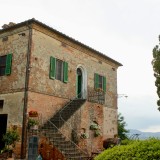
The Italy €1 house project was created to revive abandoned properties in small towns experiencing long-term depopulation. Many of these villages, especially in the south, have seen younger generations leave, resulting in empty homes and ageing infrastructure.
Municipalities transfer abandoned properties and resell them for a symbolic €1. In return, buyers commit to restoring them within set timeframes. The aim is not speculation, but regeneration.
Some municipalities focus specifically on repopulating historic centres, while others are also open to investment projects such as small hotels or shops.
Can foreigners buy a €1-house in Italy?
Yes, foreign buyers can participate in the €1 homes scheme, provided legal conditions are met.
However, each municipality runs its own tender process. There is no single national platform. Rules vary from town to town, and many local authorities structure their calls for proposals to discourage speculation.
For overseas buyers, this decentralised structure is important. Research needs to focus on the specific municipality, not just the headline price.
The real cost of a €1 house in Italy
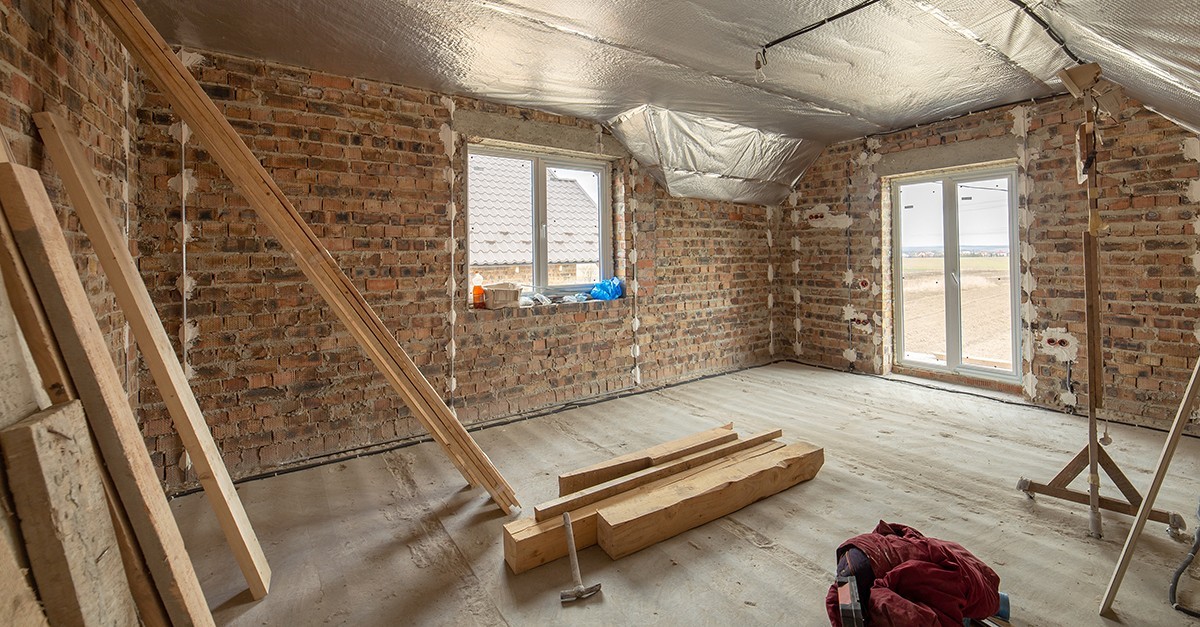
The €1 purchase price is only the starting point. Once acquired, the buyer must cover:
- Notary and registration fees
- All deed-related expenses
- Full renovation costs
Renovation expenses can range from a few thousand euros to tens of thousands, depending on the property’s condition. In some cases, after renovation, the total investment may still be significantly lower than the market value of a restored property.
In favourable circumstances, a renovated home may be worth five to ten times the initial investment. That outcome, however, depends entirely on location and execution.
Three ways buyers use €1 homes

A primary residence in a small Italian village
For some buyers, the goal is relocation. Restoring an abandoned house into a permanent home can suit those seeking a quieter pace of life away from large cities.
Many of these villages are small urban centres that have experienced steady depopulation. Daily life can be peaceful, but services may be limited compared to larger towns.
A second home in Southern Italy
In regions such as Sicily, Sardinia, and Puglia, several municipalities have joined the €1 homes initiative. These locations appeal to buyers looking for a holiday base near the sea or in the countryside.
It is worth remembering that many participating towns are not major tourist hubs. They are often small communities undergoing demographic decline, which is precisely why the scheme exists.
A small hospitality business
Some municipalities allow buyers to convert properties into tourist accommodation, such as a small hotel or B&B.
The revival of historic villages has contributed to renewed interest in lesser-known destinations. Restoring a €1 property for hospitality use can be viable, provided:
- Local regulations permit commercial activity.
- All renovation deadlines are respected.
- The business complies with Italian licensing requirements.
Tips for turning a €1 house into a solid investment
One of the advantages of buying a property for one euro in Italy is the array of investment opportunities it presents. However, this requires lots of research and planning.

Study the municipality, not just the property
Every town sets its own rules. Deadlines, deposits, and eligibility conditions differ. Some prioritise residents; others welcome investment projects.
Visit in person and calculate a proper quote
Before committing:
- Inspect the property in person.
- Assess structural condition carefully.
- Obtain a realistic renovation estimate.
The difference between a manageable restoration and a costly rebuild often becomes clear on site.
Plan for the long term
The €1 house project was created to combat abandonment and restore communities. It works best for buyers prepared to engage seriously with that goal.
Quick resale or speculative flipping is rarely the intention of participating municipalities. Long-term planning, adequate budgeting, and patience are essential.
Stay in the know about living in Italy as a foreigner—get our weekly newsletter for the latest travel, legal, and lifestyle news.
For a taste of the high life, sign up for the monthly luxury market round-up.