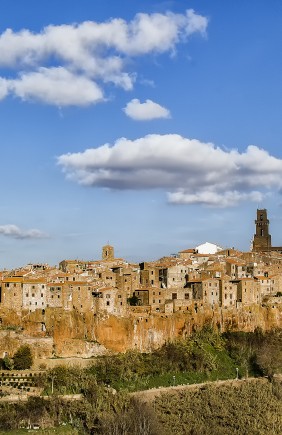
Italy is dotted with lovely historic centres almost everywhere you go. Medieval churches, noble palaces, artisan workshops, squares and little piazzas tell the story of how cities, towns and society itself have evolved.
Yet beyond the feeling they inspire, the definition of what a historic centre is in Italy is far less straightforward than it may seem. It is not simply the “old quarter” of a town or city, but a concept with very specific cultural, urban-planning and legal roots.
Understanding this helps explain why certain buildings cannot be demolished, why renovating a home in zona A is more complicated, and why so many Italian Comuni (municipal councils) are looking for new ways to breathe life back into their historic origins.
The definition of a historic centre: between urban planning and identity
A historic centre is the part of an urban settlement — a city, town or village — that preserves traces of its distant origins and original functions in its street layout, architecture and organisation of space. These functions may be residential, economic, social or cultural.
It is not simply an area in the geographical centre of a place. It is a collection of buildings, squares, narrow lanes and routes that reveal the layers added over time. Two essential features define every genuine historic centre:
- centrality: this is not merely geographical, but also symbolic and functional. It is the place around which a community’s collective life took shape;
- historicity: the visible presence of material layers that show how the urban fabric has changed over the centuries.
These two elements do not always coincide. Some historic centres have lost their functional centrality while retaining a strong sense of identity, and the reverse can also be true.
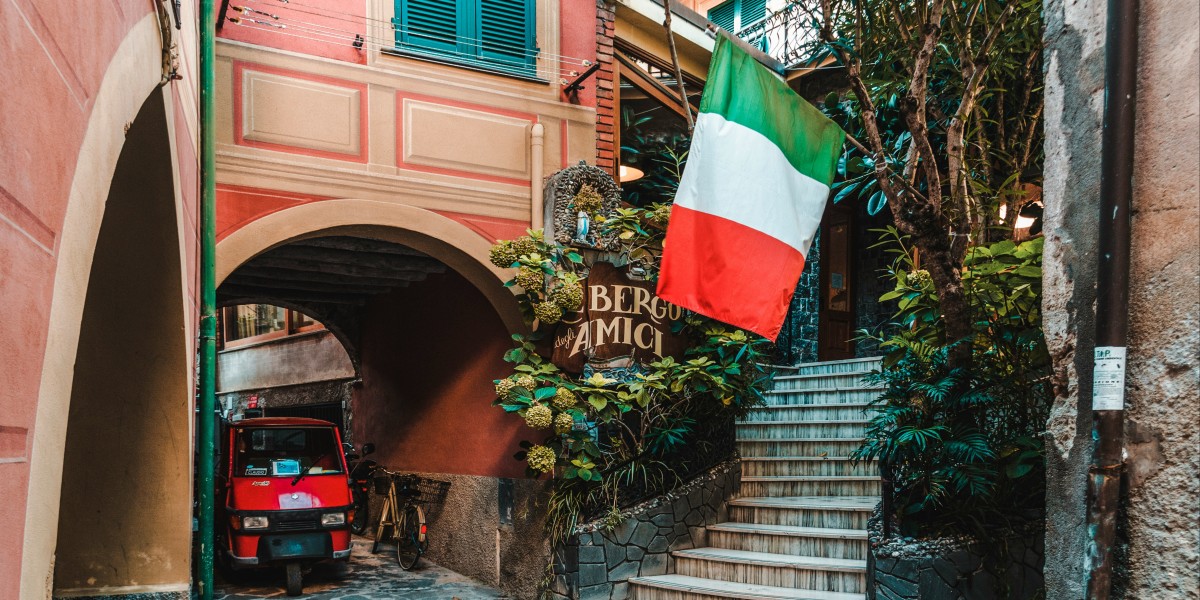
How the concept of the historic centre emerged in Italy
Until the early decades of the 20th century, protection for the built heritage was almost entirely limited to individual monuments: churches, palaces and triumphal arches.
Between the 19th century and the beginning of the 20th century, many Italian cities underwent major sventramento projects, literally “gutting” works, where entire medieval blocks were razed in the name of progress.
Gustavo Giovannoni, one of the most influential engineers and urban planners of his era, proposed an alternative approach: diradamento edilizio, or selective thinning of the built environment. Rather than carrying out wholesale demolition, this meant intervening selectively, removing only buildings with no historical value while preserving the original street plan and the wider urban structure.
The Carta di Gubbio of 1960: a turning point
The real turning point came in 1960, with the National Conference for the Safeguarding and Regeneration of Historic Centres, held in Gubbio. The resulting document, called the Carta di Gubbio, was signed by numerous Italian Comuni, alongside urban planners, architects and scholars.
For the first time, the historic centre was openly declared a single cultural asset, to be protected as a whole rather than merely through the preservation of individual buildings of particular value. Since then, many historic centres have also become recognised as UNESCO World Heritage Sites.
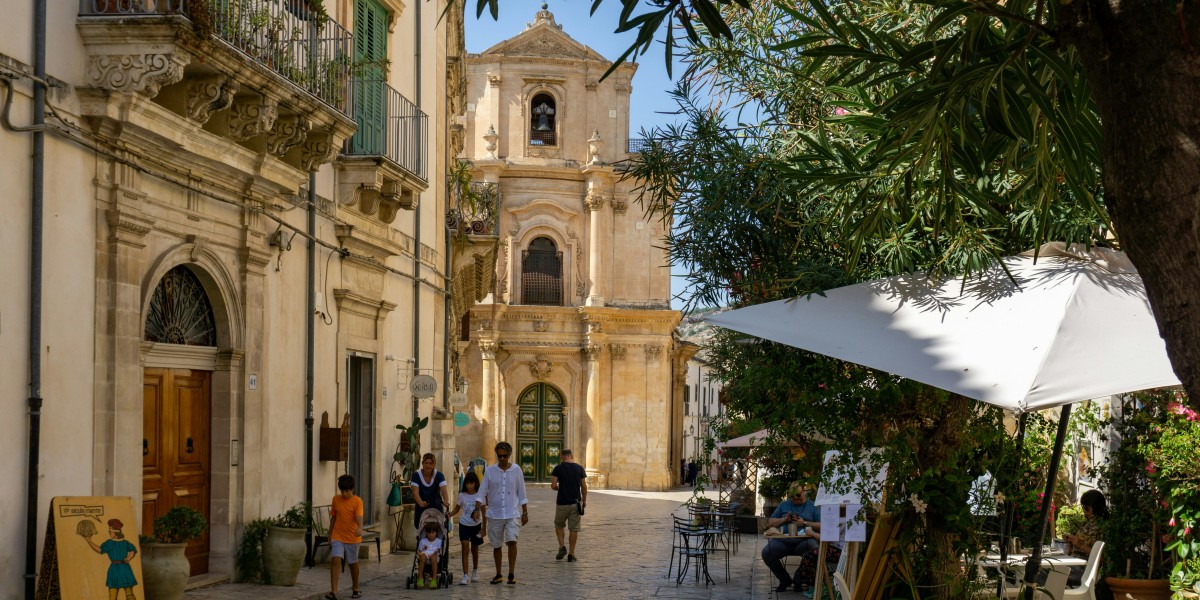
The legal framework
Italian lawmakers reflected this cultural shift in Ministerial Decree no. 1444 of 2 April 1968, which introduced the division of municipal land into homogeneous planning zones.
The so-called zona A covers “urban areas of historic, artistic or particular environmental value”, including the surrounding areas considered an integral part of the protected core. This classification still underpins municipal planning and brings particularly strict building rules.
Within zona A, restoration and conservation works take precedence over new construction. Existing building volumes cannot be increased, original typological features must be respected, and any work must receive authorisation through specific procedures.
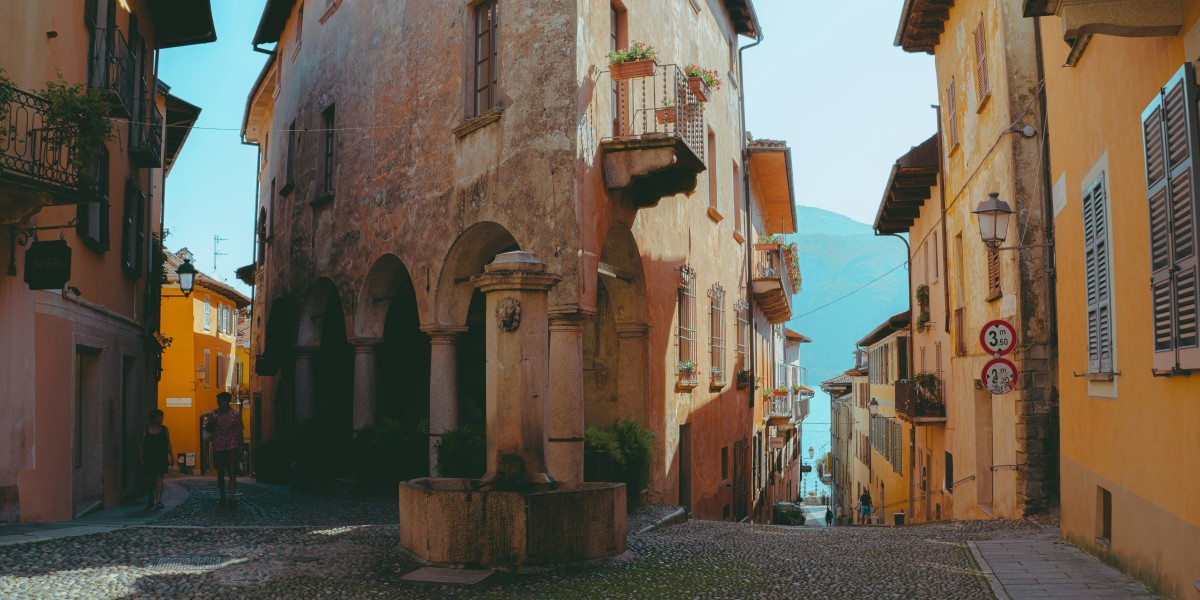
Living in a historic centre: prices, restrictions and opportunities
Properties in Italian historic centres make up a highly varied market. In large art cities, prices remain high and relatively stable over time due to tourism demand and the limited supply of new homes. In many smaller historic centres, on the other hand, homes may have very modest market values, partly because of depopulation and the cost of renovation work.
To encourage people to move back, some Italian Comuni have even launched schemes selling homes for the symbolic price of €1. In return, buyers commit to carrying out restoration work within a specified number of years.
Stay in the know about living in Italy as a foreigner—get our weekly newsletter for the latest travel, legal, and lifestyle news.