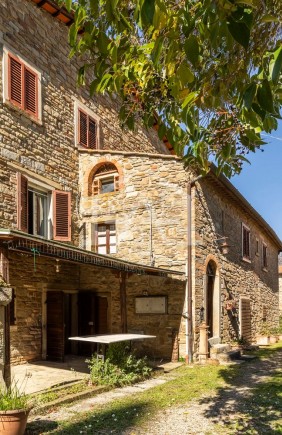
The idea of a home built with a 3D printer began more than 14 years ago, but only a few weeks ago, construction was completed on Itaca, the first self-sufficient, sustainable farm built using a precision digital crane, near Imola.
The result of research and design work by WASP, a company based in Massa Lombarda, Itaca presents itself as a housing model not only for Italy but for humanity more broadly, intended to address housing needs in many developing countries.
Built using a lime-based mixture, Itaca forms an integral part of the open-air “Shamballa” laboratory, which also includes eight hectares of land cultivated with fruit and aromatic plants in the hills of Romagna. idealista/news visited the site with WASP president Massimo Moretti.

Italy’s first 3D-built home
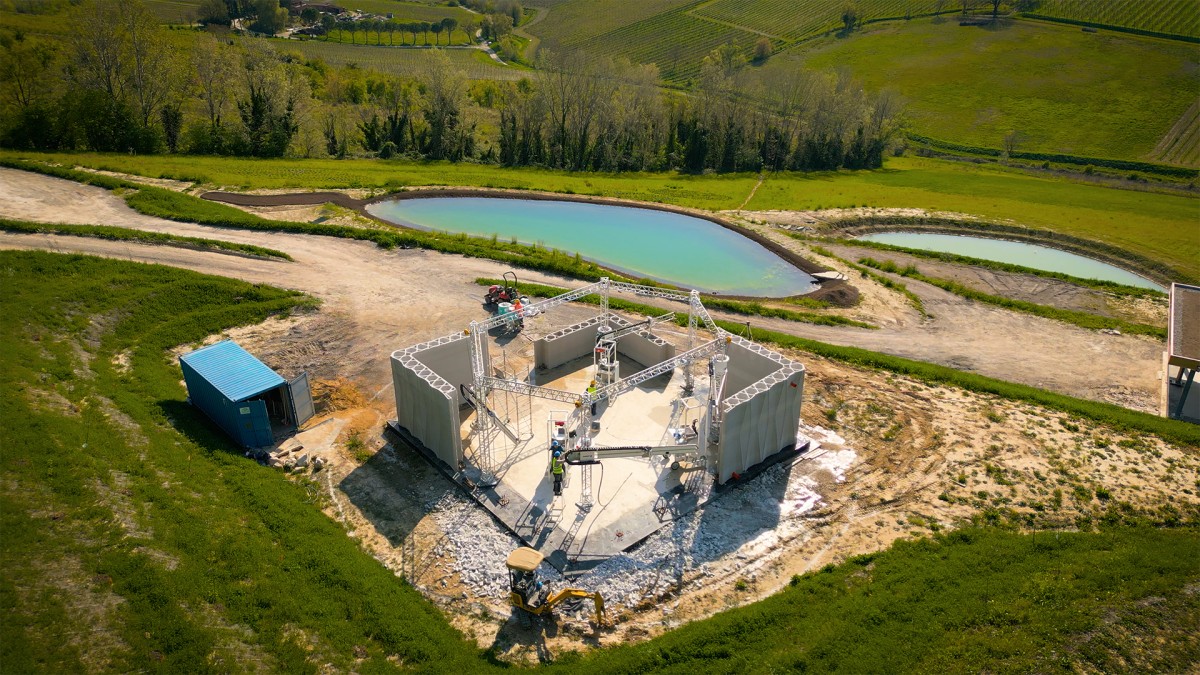
As Massimo Moretti explained to idealista/news, “Itaca is the first 3D-built house in Italy. It is a structure of around 200 m², with lime-based walls insulated on the inside using waste materials from the agri-food supply chain.
Hemp was used in the foundations and rice husks on the roof. It is a passive building because it is insulated with these natural materials and has very low emissions.”
A 14-year construction process
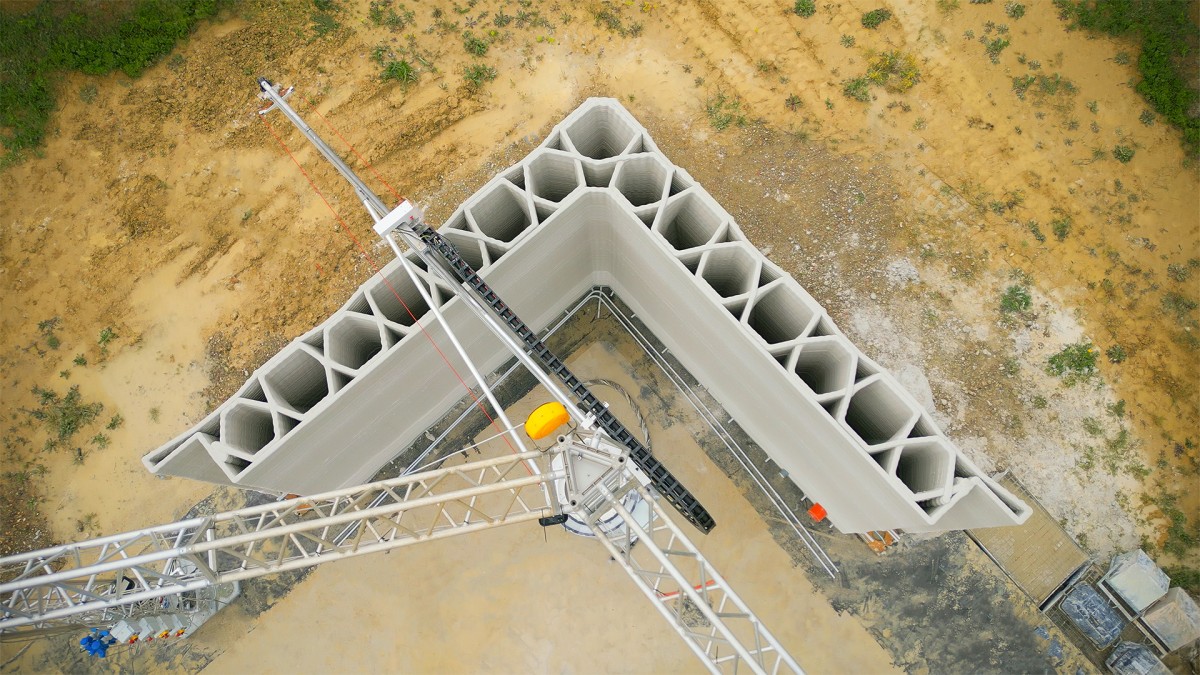
“The construction process behind Itaca is based on digital fabrication, developed over 14 years. First, the machines, pumping systems, kinematics and software had to be developed. Only at the end could attention turn to construction.
“We began with natural materials, including earth, because this is one of the materials that responds to humanity’s real needs. In the end, however, the most environmentally friendly material that could be found was chosen: a lime-based mixture.”
The architectural form of a “mandala”
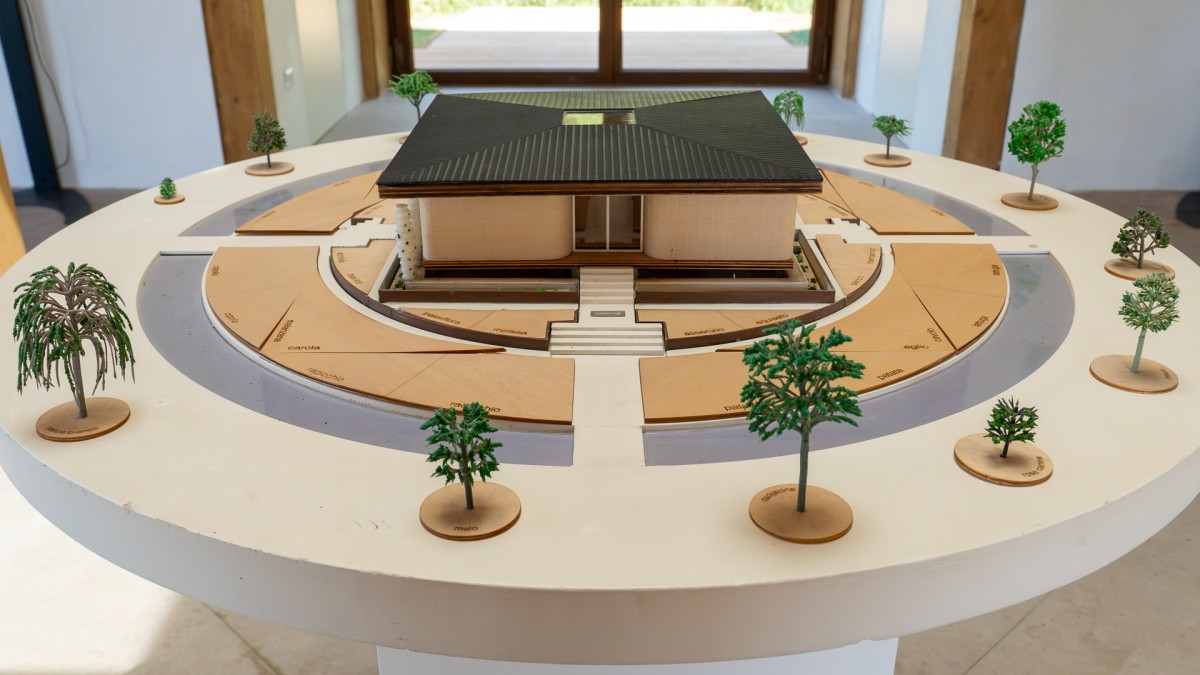
Itaca’s architectural form is a mandala. “A sacred geometry with a meaning and a story that inspired us was chosen, then simply extruded in 3D. It is a circle with a square at its centre, expanding towards the infinitely large or the infinitely small.”
A self-sufficient, sustainable building
Itaca is a home where the techniques needed for independent living are all made available.
“It starts with the now familiar solar panels and water-collection systems, as well as the cultivation of all the plants needed for self-sufficiency and more advanced farming techniques. This is automated agriculture: there will be an automatic vegetable garden managed by artificial intelligence.”
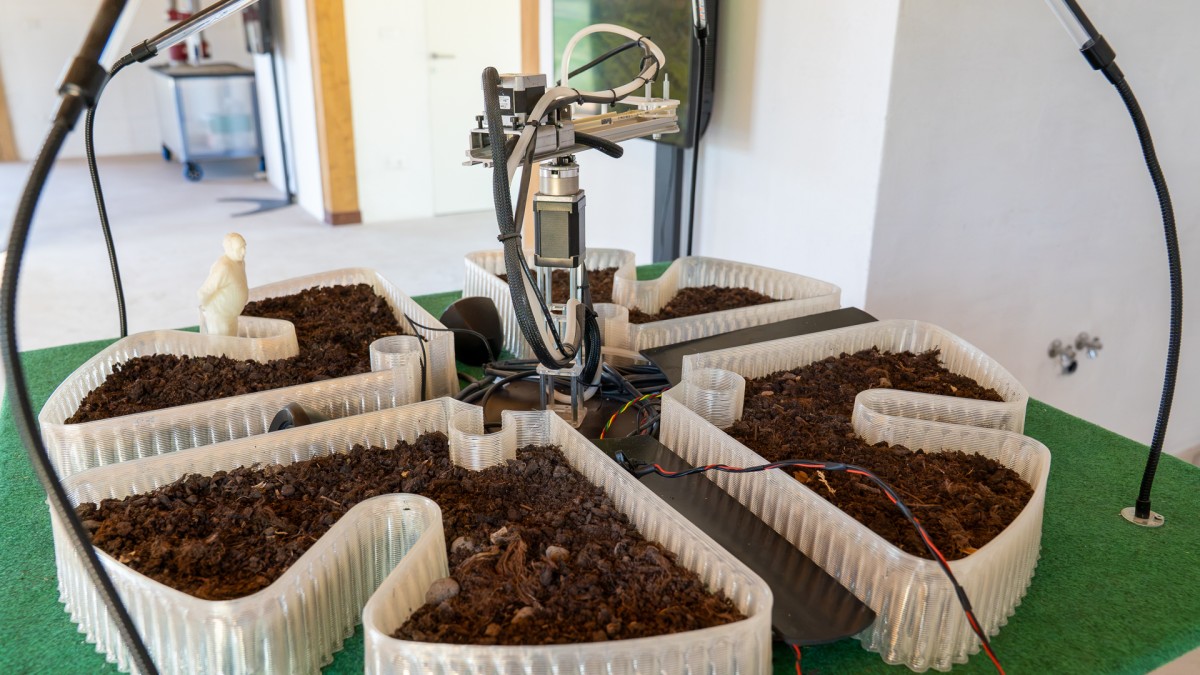
One of Itaca’s research aims is to take available collective knowledge and make it accessible to people wishing to live differently. This is precisely what the Itaca project represents: “Within a diameter of 33 metres, a family has everything it needs to live.”
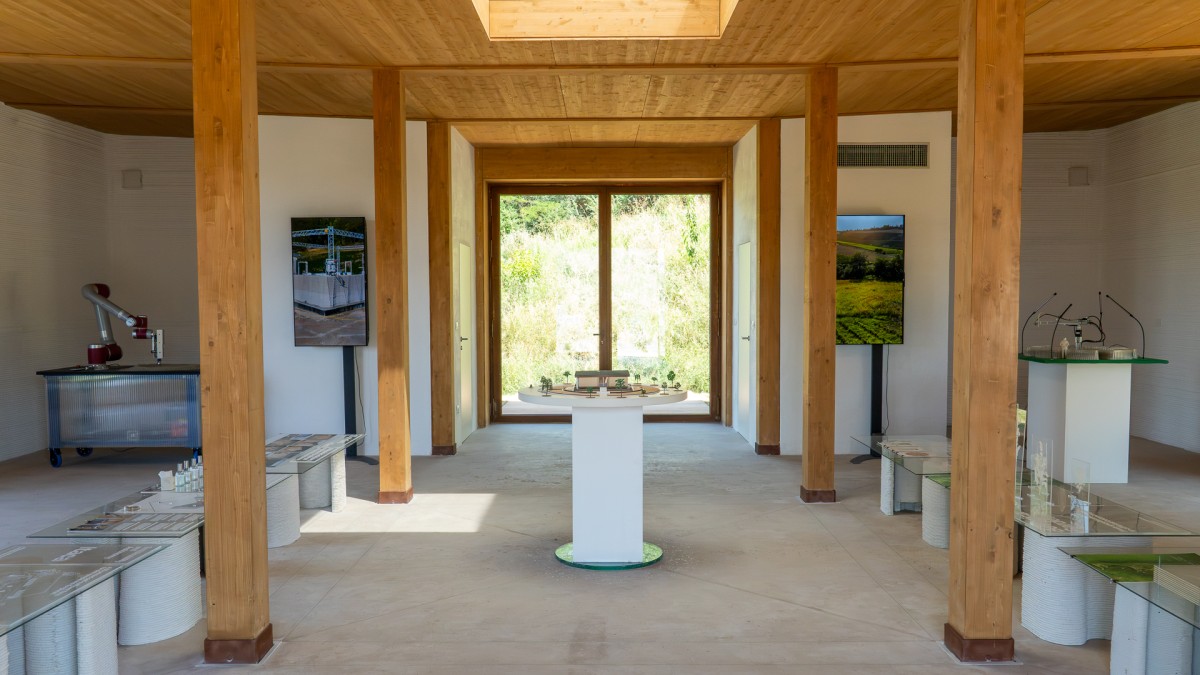
Crane, a precision digital crane
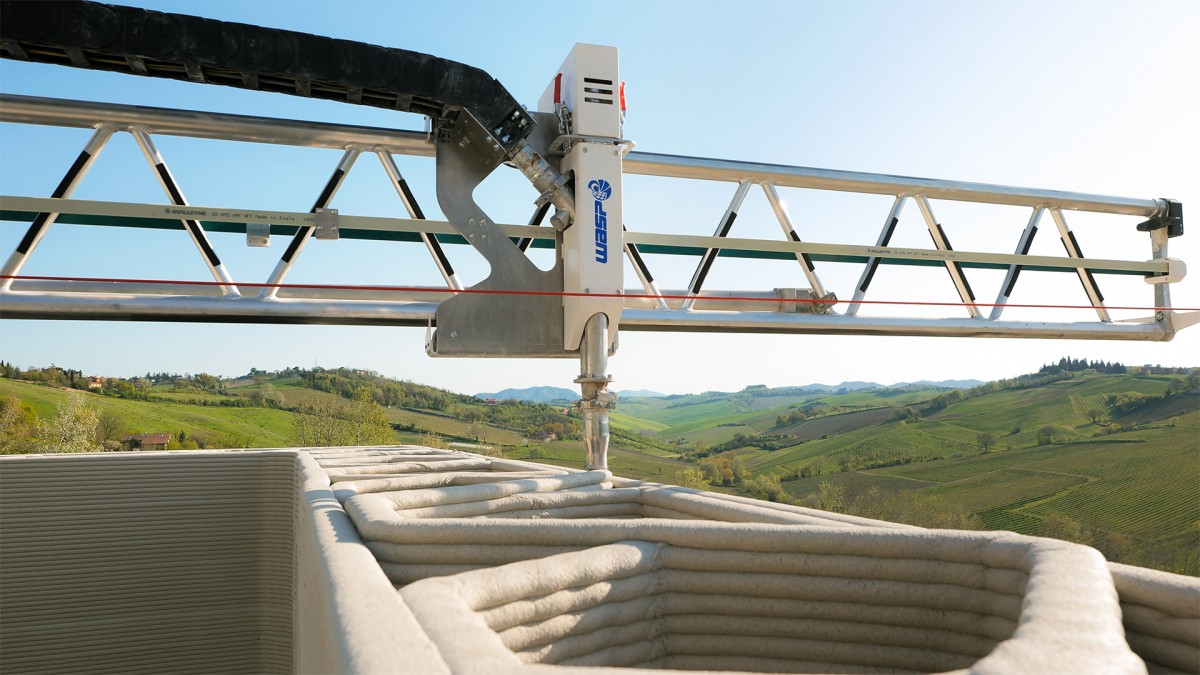
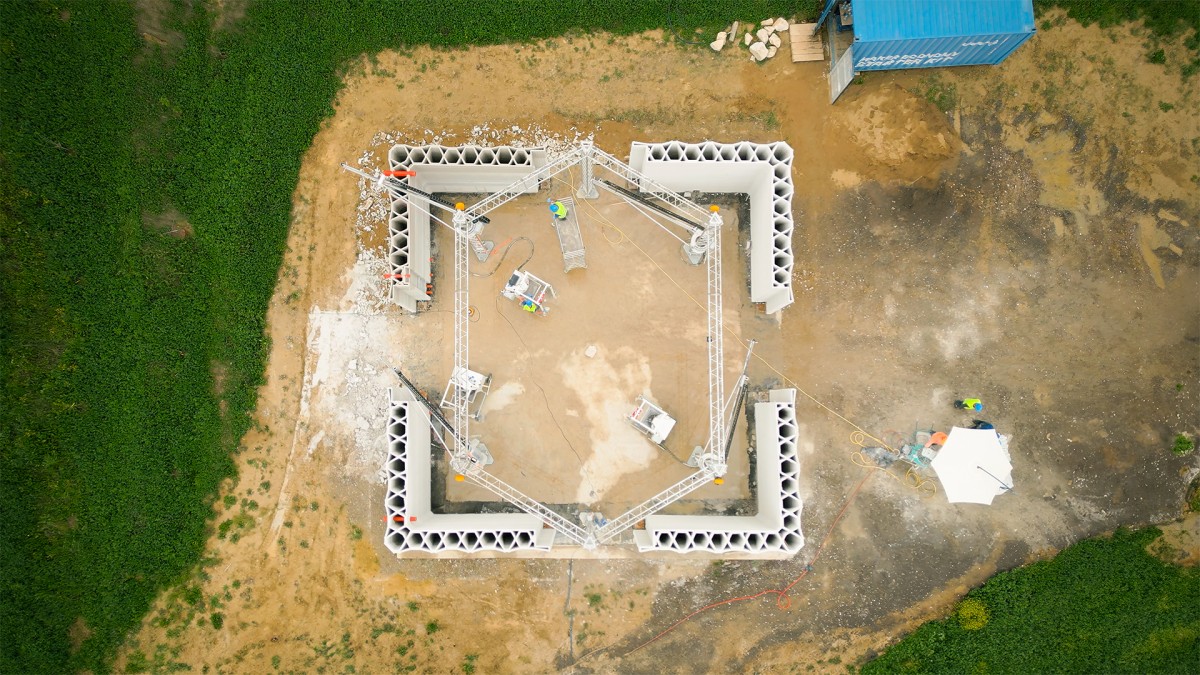
“In theory, Itaca can be printed in 24 hours. It was built with four printers working in parallel, coordinated by a team of architects and engineers. A crane was automated. Using this Crane, this type of digital crane, it is possible to deposit materials in free-form shapes. The 3D printer is, in every respect, a precision digital crane.”

How much does a 3D-printed home cost?
How much does a 3D-printed home like Itaca cost compared with a conventional build?
As Moretti explained to idealista/news, “A 3D-printed house has production costs similar to those of a conventional concrete house. The walls, on the other hand, cost far less and can be made much more intelligently because the systems are already incorporated during printing. The walls are already insulated and do not need further finishing.”
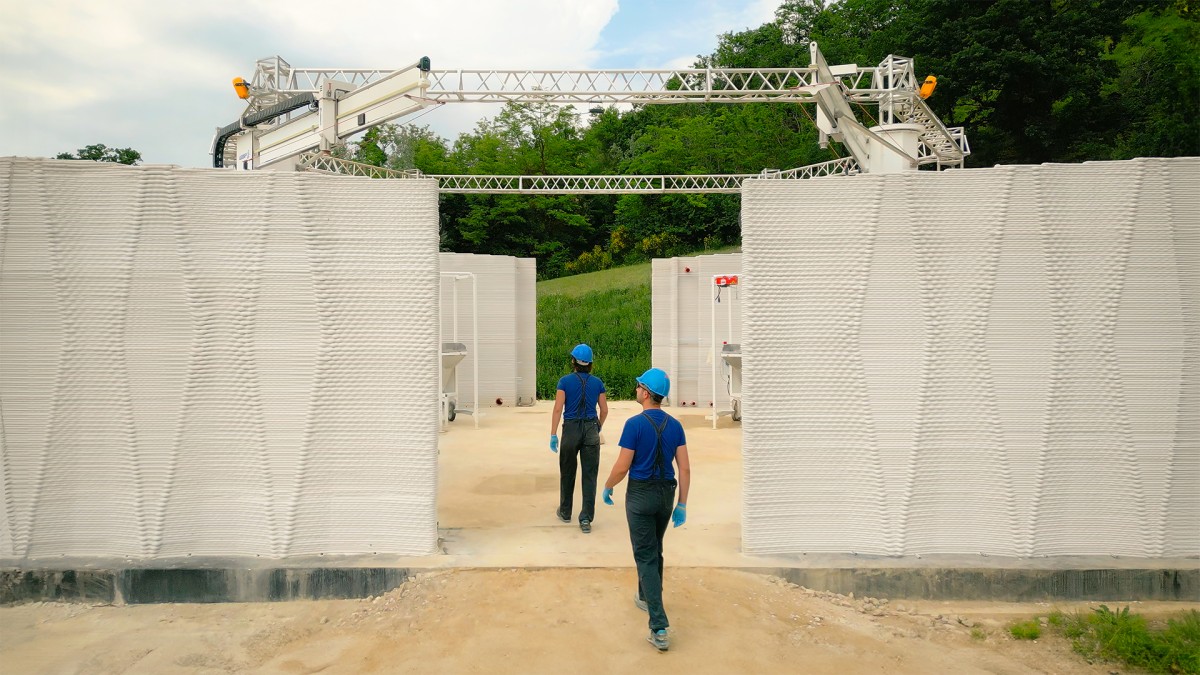
A project exported around the world
Itaca is a model for a self-sufficient, sustainable 3D-printed home that will also be exported to other countries. “Itaca is intended to be a travelling development project for sustainability and self-sufficiency. The aim is to make it possible to build tens of thousands of homes in areas where housing is lacking.
“The focus is not so much on Italy, but more on developing countries, where homes can be built using low-impact materials, placing the right material exactly where it is needed.”
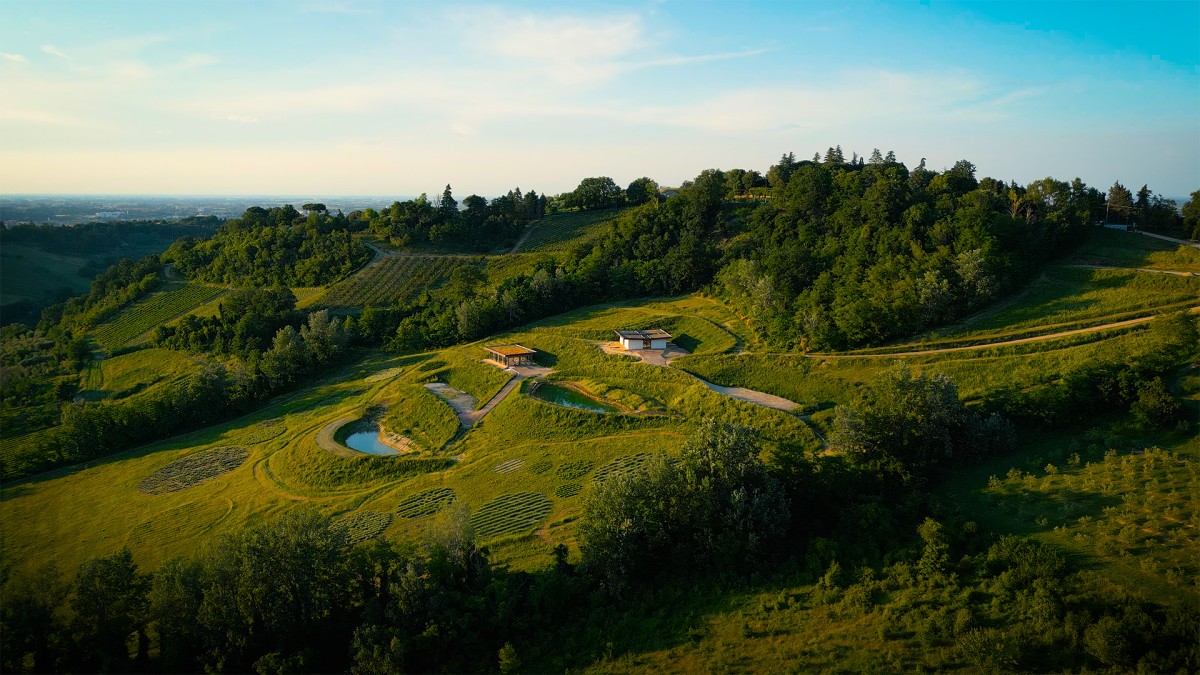
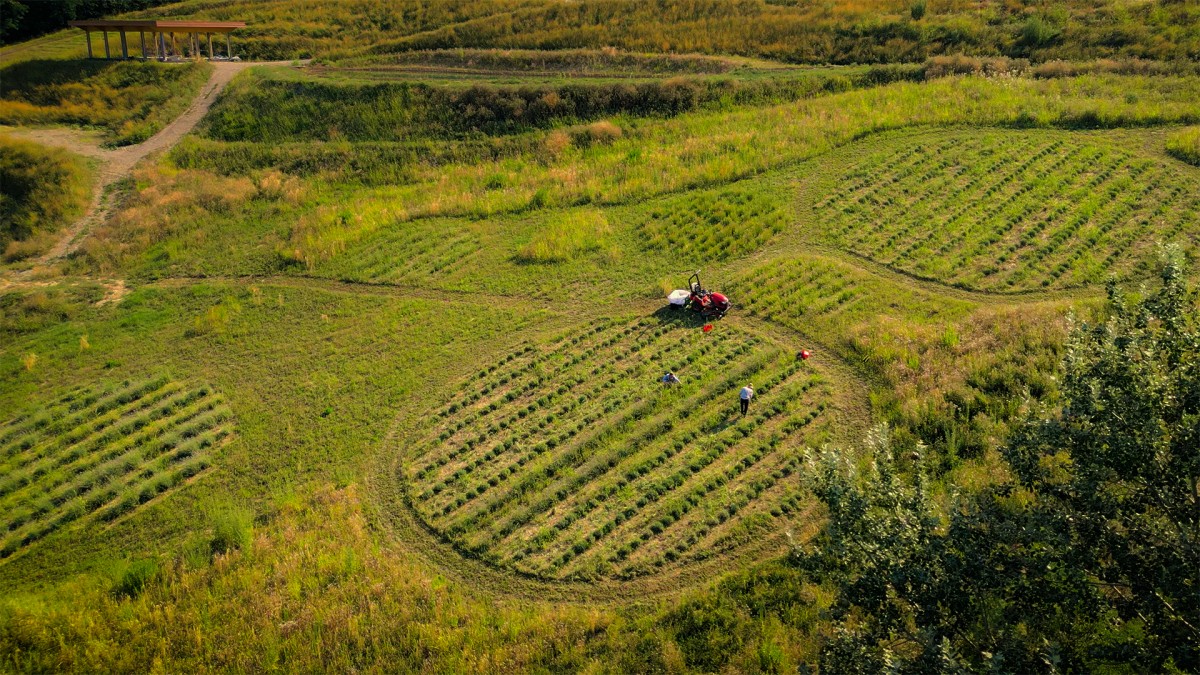
This is a translation of an original article published in Italian by idealista/news.