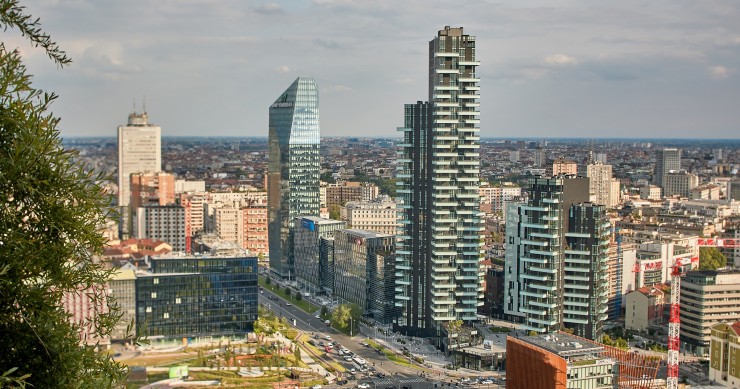
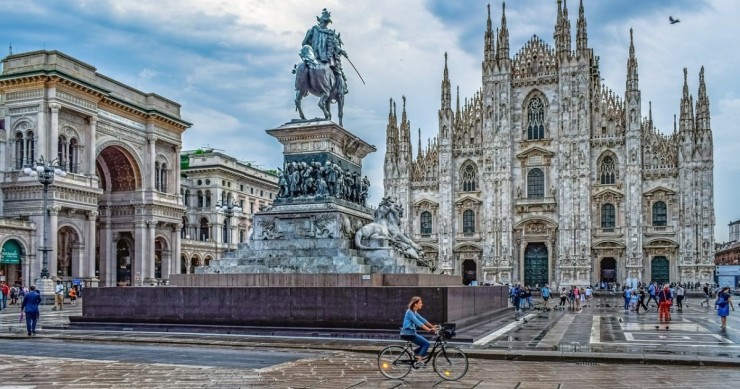
Luxury property in Italy continues to demonstrate remarkable resilience. In 2026, Milan and Rome remain the country’s primary magnets for high-net-worth buyers and institutional investors seeking prestigious real estate.
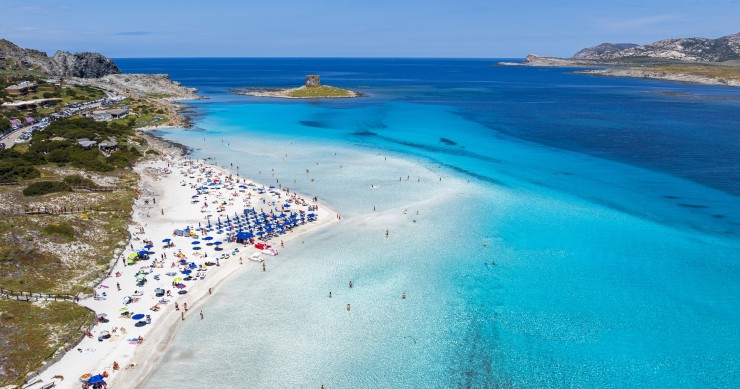
Sardinia is consistently among the top destinations for luxury vacations in Italy. In recent years, several locations in the northwest, southwest, and the Cagliari metropolitan area have seen significant increases in house prices per square meter.
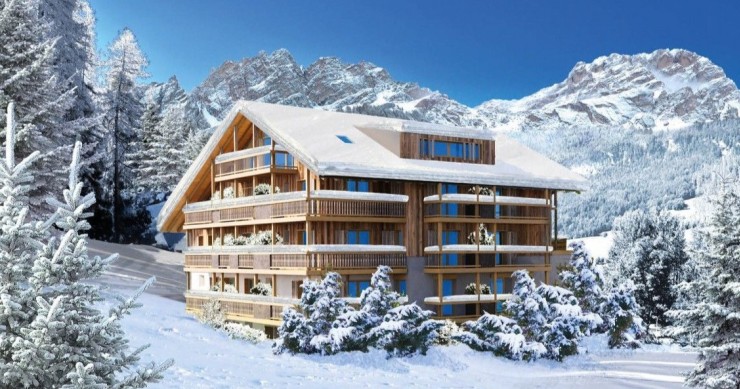
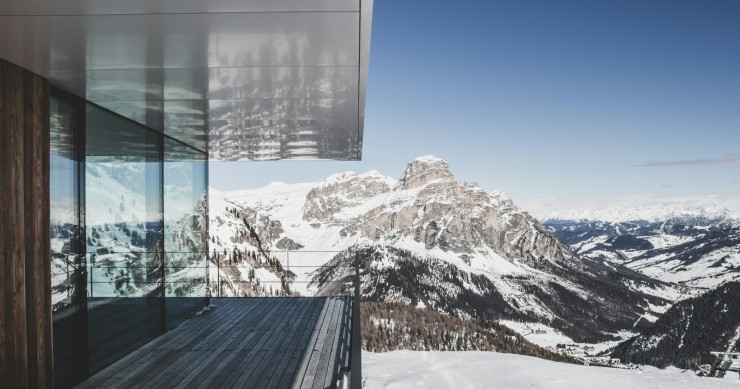
Winter in Italy is a season of elegance, serenity, and exclusive escapes. While summer dazzles with sunlit landscapes and bustling piazzas, winter unveils a quieter, more intimate side of Italy—perfect for those seeking luxury living surrounded by breathtaking scenery.
After several years of uncertainty, Italy’s residential property market is regaining momentum. A combination of favourable macroeconomic conditions, including falling interest rates, contained inflation, and renewed household confidence in property as a safe investment, is driving this resurgence.
As climate change and the need for sustainable practices take centre stage, the European Union’s revision of the Energy Performance of Buildings Directive (EPBD) marks a pivotal regulatory moment.
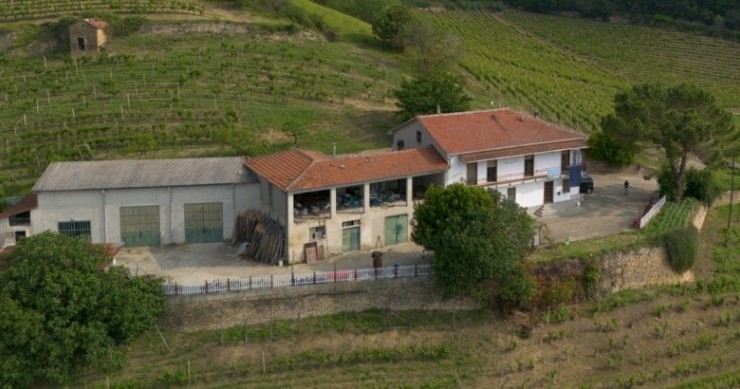
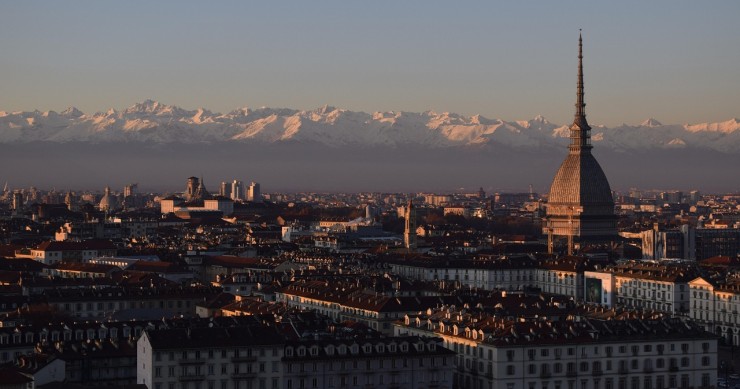
The Italian property market in Piedmont is once again on the radar of international investors, boosting transactions and consolidating the sector’s positive trend.
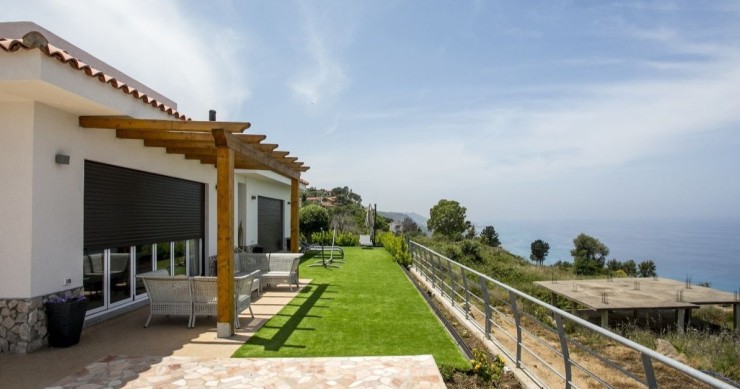
Owning a villa in Italy doesn’t have to be out of reach. Across regions like Abruzzo, Calabria, Puglia, and Sicily, you can find charming villas under €250,000 that offer traditional character and beautiful surroundings.
While Italy is well known for its €1 homes, these often come with the catch of major renovation. If you’re after something ready to move into, there are plenty of discounted properties available that don’t require extensive work.
The trend in Italian house prices in 2024 and 2025 confirms a clear pattern: the North is driving growth, while Central and Southern Italy show more moderate expansion, with some regions even experiencing a decline.
Italy has long been synonymous with elegance, history, and stunning landscapes, making it one of the most desirable destinations for property investments by foreigners and expats.
In the wake of Donald Trump’s re-election, a growing number of Americans are seeking living and investment opportunities overseas, with Italy emerging as one of the most sought-after destinations for property buyers.
The prices of houses in Italy in the first quarter of 2024 recorded an increase of 0.6% compared to the same period last year, thus reaching an average price of 1,850 euros per square metre. As expected, the situation varies significantly depending on geographical area. In which municipalities are searches for a home most concentrated and where are properties most expensive?
When deciding where to buy a place in the sun, there are lots of different factors that can influence your choice: is it a safe neighbourhood? Are there schools nearby? Is the gym within walking distance? If you’re guided more by exclusivity and price, though, this is the article for you.
2024 is already in full swing and real estate market experts are outlining their forecasts for the development of real estate in the coming months, starting with the events of 2023.
Looking for a bigger, cheaper house in Italy? Well, you're not alone. With more people working from home, having a spacious place has become a big deal.
In the first nine months of 2023, €3.5 billion of capital market investments were registered in Italy, a volume that is still below that of the same period in 2022.
Amidst the 'invisible' recession, the tug-of-war between inflation and wage immobility, geopolitical uncertainty and monetary policies that are not always effective, the property market in Italy has been slow to see that drop in buying and selling and in prices that was supposed to have occurred in
Italy's 1 euro home initiative is having great success, contributing to the revival of Italian villages, especially those in the south of the country that have suffered from depopulation for years.
The global real estate market is suffering from the uncertainties expected in 2023, with the real estate market specfically affected by inflation, interest rate increases, the economic slowdown and the energy crisis.