If you love history, libraries and a good student buzz, Bologna is your happy place. The University of Bologna is widely cited as the oldest university in Italy, and it still shapes academic life today.
The oldest Italian university
The oldest university in Italy—and widely regarded as the oldest in continuous operation in Europe and the Western world—is the University of Bologna, commonly dated to 1088. Known as the Alma Mater Studiorum, it pioneered a student‑organised system of learning that influenced universities across Europe. Today, it remains a major research institution with a lively campus culture spread through Bologna and beyond.

University of Bologna: a brief history
Medieval Bologna drew students from across Europe for law, medicine and philosophy. Early on, learners formed universitates scholarium—student associations that hired and paid masters—an arrangement that gave students unusual power over curriculum and fees.
Teaching moved through churches, private houses and later the Archiginnasio. This was a sixteenth‑century complex that became the university’s main seat and is now home to a stunning historic library and the Anatomical Theatre. Over the centuries, the university weathered political change, expanded into modern sciences and the humanities, and today counts more than 90,000 students across multiple campuses in Emilia‑Romagna.
Innovations and cultural impact
Bologna’s biggest legacy is the idea of academic freedom and shared governance. By separating teaching from direct control of the church or the crown, the university helped establish a model where ideas could circulate more freely, and scholarship could be argued in public. That dynamism fed Europe’s legal traditions, boosted medical learning and seeded a network of scholars who carried the “Bologna model” to other cities.
Dante Alighieri and Petrarch are part of its story, as are Erasmus of Rotterdam and Copernicus. In recent decades, figures like Umberto Eco kept Bologna on the global intellectual map.
Today, thousands of international students choose to study abroad in Bologna, thanks to its legacy, active student scene, and high teaching standards.

Other ancient Italian universities
Italy’s university heritage runs deep, and two peers often come up in the same breath as Bologna.
University of Padua
Founded in 1222, the University of Padua is celebrated for academic freedom and for hosting Galileo as a professor. It is also where Elena Cornaro Piscopia earned a doctorate in 1678, widely recognised as a landmark for women in higher education.
University of Naples Federico II
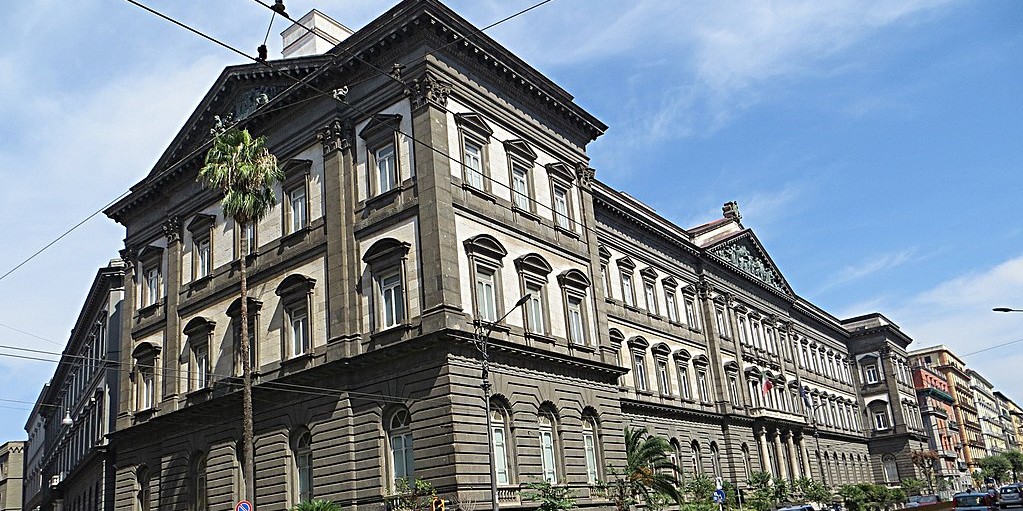
Established in 1224 by Emperor Frederick II, the University of Naples Federico II is considered the oldest public university founded by a head of state. It was designed to widen access to learning within the kingdom, rather than sending students north.
The oldest universities in the world
When people say “oldest,” they often mean oldest in continuous operation. Italy’s oldest sits within a wider global lineage, and these names often top the lists:
- University of al‑Qarawiyyin (Fez, 859): an institution with deep roots in Islamic scholarship and continuous teaching.
- Al‑Azhar University (Cairo, 970–972): a historic centre of learning that now covers a broad range of disciplines.
- University of Oxford (England, late 11th century): teaching is recorded by the 1090s.
- University of Cambridge (England, 1209): founded by scholars from Oxford and renowned worldwide.
- University of Salamanca (Spain, 1218): the oldest university in the Spanish‑speaking world.
Stay in the know about living and studying in Italy as a foreigner—get our weekly newsletter for the latest travel, legal, and lifestyle news.