If you’re used to celebrating in June, Father’s Day in Italy might take you by surprise. Here it’s held every year in March and is known as Festa del Papà.When is Father’s Day in Italy?Why is Father’s Day different in Italy?
The Italian Capital of Culture 2028 has not yet been announced, but the path towards the final decision is well underway. Ten shortlisted cities will compete for the title by presenting their cultural projects to the ministerial committee.
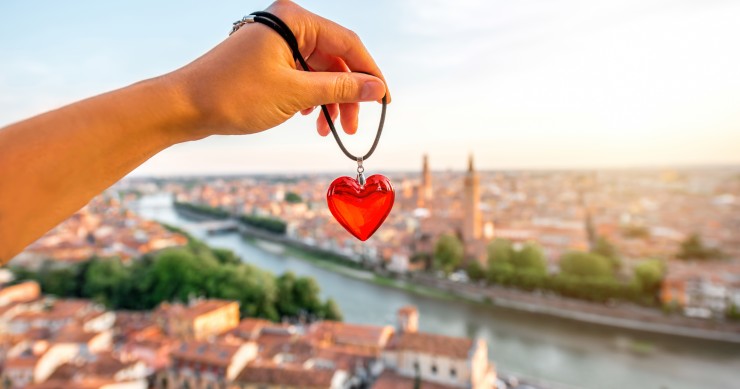
Valentine’s Day is celebrated worldwide on 14th February, and Italy is no exception. Known locally as San Valentino, this holiday is also called la festa degli innamorati — the day of lovers.
Italian New Year’s Eve traditions hum along the edges of winter nights, a mix of old superstitions and quiet rituals that slip into the evening without fuss.
Italy’s most recent UNESCO inscriptions span prehistoric rock-cut tombs, blue‑ceilinged chapels, grand spa culture, ancient roads and delicate gypsum cave systems.
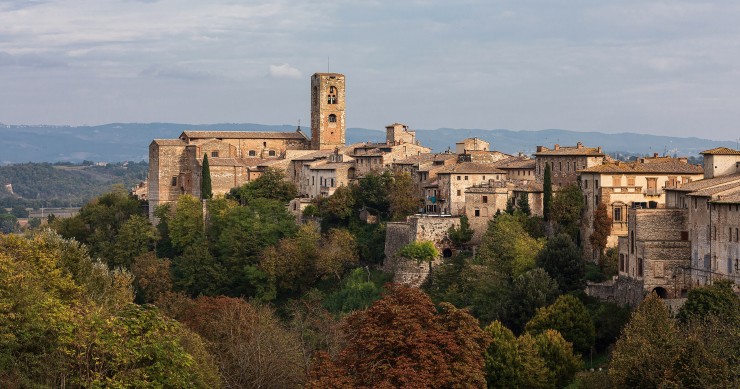
Italy’s UNESCO World Heritage cities in Italy serve up hill towns with frescoed basilicas, elegant medieval centres, grand merchant palaces on marble-lined streets and cave quarters cut into honey-coloured rock.Italy’s most beautiful UNESCO sitesAssisiVerona Ragusa Genoa SienaMateraIt
If you’re hunting for things to do in Lucca, picture a walled Tuscan city where the pace is gentle, the views are timeless, and surprises wait around each corner.
Italy moves on unspoken rules and long‑standing habits. The ten things not to do in Italy are mostly about small courtesies—how you order, how you greet, and how you handle day‑to‑day travel.
Italy does cheese the way nonna does Sunday lunch: with pride and deep regional roots. Across the Alpine pastures, the Po Valley dairies and the sunny farms of Sicily, each area champions its own cheese styles. These are shaped by milk type, ageing traditions and DOP/IGP rules.
Rome is the headline act, but Italy’s Roman ruins outside Rome deliver ancient drama with fewer crowds and gentler prices. Think evocative ports, theatres and mosaics, with straightforward trains and buses to keep things simple.
Fittingly, the birthplace of the Renaissance rewards slow wanderers. Head out on non‑touristy neighbourhood walks in Florence through Santo Spirito, Sant’Ambrogio and the quieter river lanes.
Slip beyond the blockbuster sights and you’ll find Rome’s unusual attractions tucked into cloisters, courtyards and catacombs. Think keyholes framing domes, layered churches and private palazzi with quietly dazzling art.
Strolling through a sunny Italian piazza, it’s easy to think that gelato is just the local word for ice cream. The debate of gelato vs ice cream, however, goes far beyond a simple translation.
While mainly known worldwide for its Grand Prix, the list of things to do in Monza goes far beyond the racetrack. Step away from the circuit and you’ll find one of Europe's largest parks, home to a grand neoclassical palace that gives a real sense of the region's aristocratic past.