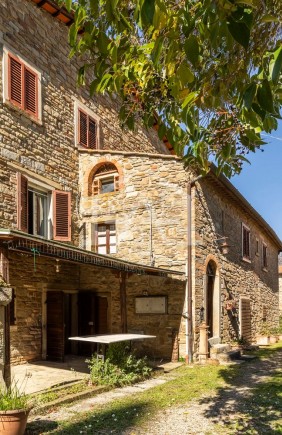
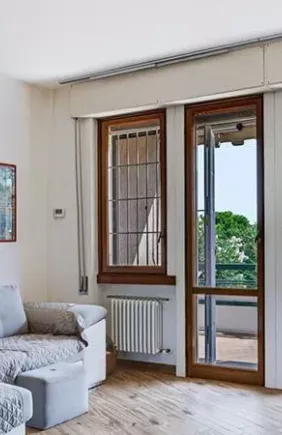
A stunning Italian villa with panoramic terrace views – but what will it really cost you?
Imagine sipping espresso on a sunlit terrace overlooking Tuscan vineyards, the keys to your own Italian property in hand. Dreamy, right? But before you get lost scrolling through listings on sites like idealista, here’s a reality check: the price you see is just the starting point.
Italy’s property market offers some of Europe’s most enticing opportunities, but buying here often means navigating a maze of taxes, fees, and charges that can add 10–20% to your final bill, especially if you’re purchasing a second home or investment property. The good news? With the right information, you can avoid surprises, budget smartly, and secure your Italian home for the best possible price. This 2026 guide will show you exactly what to expect and how to keep your Italian property dream financially on track.
The real cost breakdown: Beyond the property price
Buying property in Italy involves far more than just the price on the listing. The process comes with substantial paperwork, professional fees, and a system where nearly everyone – from the government to your estate agent and notary – takes a slice of your transaction.
Here’s where it gets interesting (and potentially expensive): Italy runs two tax systems, depending on whether you’re buying from a private seller or a construction company, each with its own rules and costs.
Understanding Italy's dual tax system
When you buy an existing property from a private seller, you'll pay registration tax based on the property's cadastral value, which is typically 30–60% lower than the market price.
- Primary residence (prima casa): 2% of cadastral value
- Second home / holiday home: 9% of cadastral value
Example: €300,000 apartment with a cadastral value of €150,000
- Primary residence: €3,000 in registration tax
- Second home: €13,500 in registration tax
A €10,500 difference just based on how you plan to use the property!
If buying new construction from a developer, VAT applies instead:
- 4% for primary residences
- 10% for second homes
- 22% for luxury properties
That same €300,000 apartment could cost an extra €12,000–€30,000 in VAT depending on classification.
The notorious notary fees
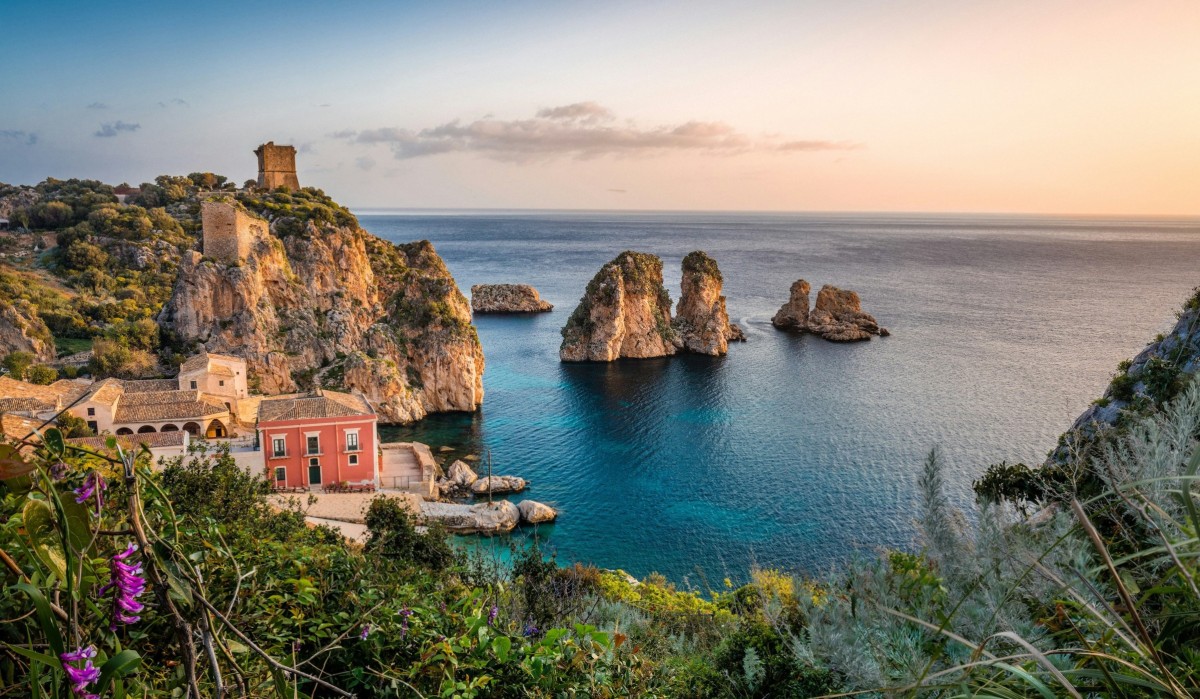
In Italy, there’s no escaping the notary – they’re legally required for every property transaction, and the buyer covers the fees.
Expect 1–2.5% of the declared property value, plus 22% VAT.
- €200,000 property: ~€2,000–€2,500
- €500,000 villa: ~€3,500–€5,000
The notary handles everything from title searches to tax collection and land registry updates. Pro tip: shop around – fees aren’t standardised, and a bit of research can save hundreds.
Estate agent commissions
Unlike many countries, Italy splits estate agent commissions between buyer and seller: 2–5% each, plus 22% VAT.
- €300,000 property: ~€9,000–€12,000
Negotiation is sometimes possible, especially for cash buyers or properties on the market for a while.
Hidden costs that catch buyers off guard
Beyond the big-ticket items, several smaller costs often surprise buyers:
- Condominium fees: €200–€1,000 annually for apartments
- Utility connections: €200–€500 setup; monthly base fees ~€40–€70 (electricity), €26 (water)
- Translation services: €250–€350 for sworn translators at deed signing
- Property insurance: €180–€380 per year; mandatory if getting a mortgage (0.21% of property value, 20-year coverage)
- Currency exchange costs: 2–4% margins on transfers
Foreign buyers: What you need to know
Italy welcomes foreign property investors, but there are some requirements:
- Countries with reciprocity (e.g., US, UK, most Western nations) are allowed
- You need a codice fiscale (Italian tax number)
- Processing from abroad: 2–4 weeks
- Buying property doesn’t grant residency but can support visa applications, particularly the elective residency visa (requires €31,000 annual foreign income)
The prima casa advantage: Your secret weapon
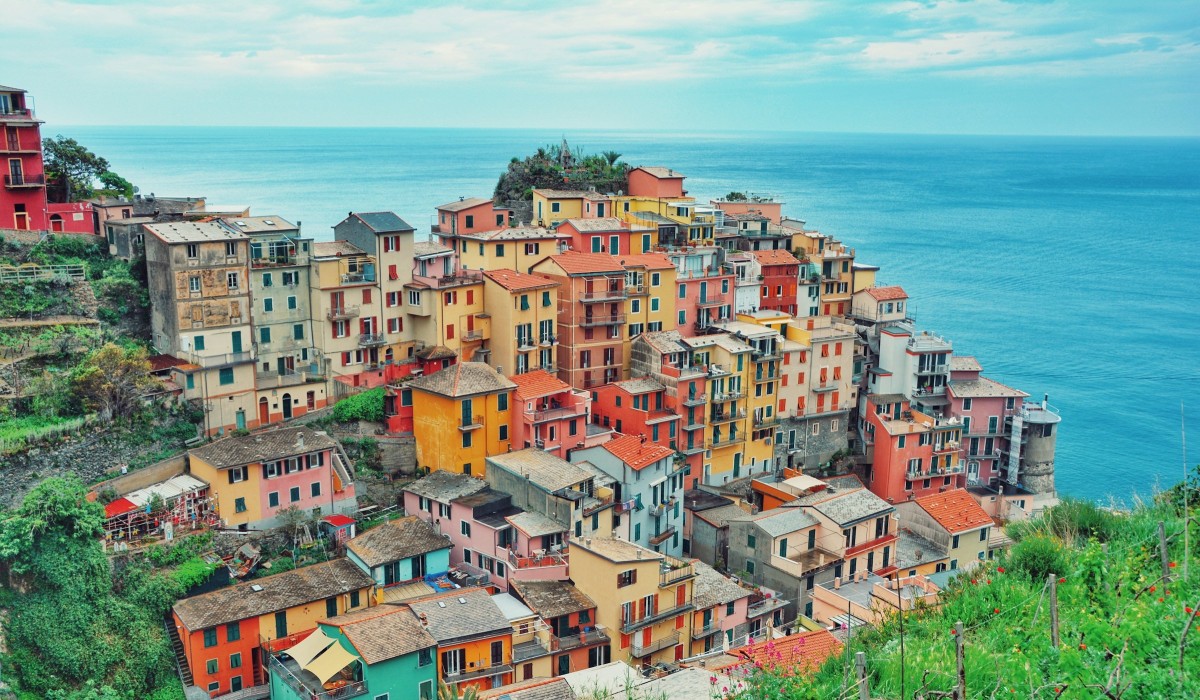
Financially, the best-case scenario is prima casa (primary residence) status – a golden ticket in Italian property buying.
Benefits:
- Registration tax drops from 9% → 2% of cadastral value
- Exemption from IMU property tax (€2,000+ annual savings)
- Better mortgage terms
- Other local tax incentives
For a €400,000 property, prima casa status can save €14,000 in registration tax alone.
Requirements:
- No other residential property in the same municipality
- Establish residency within 18 months
- Prima casa designation can now be switched between properties
Even for a holiday home, temporary residency may justify the paperwork.
Real-world examples: What you'll actually pay
€250,000 apartment as primary residence:
- Property price: €250,000
- Registration tax: €3,150
- Notary fees: €2,500
- Estate agent: €9,150
- Legal/surveyor: €5,000
- Miscellaneous: €1,200
- Total additional costs: €21,000 (8.4% of purchase price)
€500,000 villa as a second home:
- Property price: €500,000
- Registration tax: €28,350
- Notary fees: €4,500
- Estate agent: €18,300
- Professional fees: €12,000
- Setup costs: €2,000
- Total additional costs: €65,150 (13% of purchase price)
Smart strategies to minimise costs
- Time your purchase – properties on the market >6 months often indicate motivated sellers
- Consider regional price differences – southern Italy can be up to 70% cheaper than the north
- Maximise prima casa benefits – temporary residency may save thousands even on vacation homes
- Shop around for professionals – notary, legal, and surveyor fees vary widely
- Check energy efficiency requirements – 2030 regulations mandate minimum energy class E
Your Italian property journey: The bottom line
Italy’s property market offers incredible opportunities, but success requires preparation. Prima casa benefits, regional selection, and strategic timing can save tens of thousands. Spending wisely on professional advice upfront often prevents costly mistakes later.
With the right knowledge, your Italian property dream in 2026 is fully achievable.
Frequently Asked Questions
What is the tax on buying property in Italy?
Registration tax ranges from 2% (primary residence) to 9% (second home) of cadastral value. New properties are subject to VAT of 4%, 10%, or 22% depending on usage.
Can a foreigner purchase property in Italy?
Yes, foreigners from countries with reciprocity agreements (including the US and UK) can buy. You need a codice fiscale and must meet the same requirements as Italian citizens.
How much are mortgage fees in Italy?
Mortgage arrangement fees average 1% of the loan, plus registration tax (0.25% for primary residences, 2% for investment properties). Insurance and valuation fees are additional.
Is buying property in Italy expensive?
Total costs usually range from 10–20% of the purchase price, though prima casa benefits and regional selection can reduce expenses significantly.