Decree-Law 162/2026, approved by the Council of Ministers, suspends vehicle tax for 2027. The measure affects around 70% of Italy’s car fleet and represents a direct saving for millions of households. Not every car is included, however, and the benefit does not apply to every vehicle registered to the same person.
These are the cars that will not have to pay Italian car tax from 2027.
The conditions for not paying car tax from 2027
The main limit for the abolition of car tax in 2027 is a maximum output of 80 kW, equivalent to around 109 hp. To check whether a car is included, look for entry P.2 on the vehicle registration document. This figure, expressed in kilowatts, is the only one that matters.
Eligible fuel types include petrol and diesel, including combinations with other power sources. This means hybrid cars, both mild and full hybrids, as well as bi-fuel LPG cars, are included if they remain within the power limit.
It is also worth remembering that the decree uses the approved figure shown on the registration document, rather than the output of an individual engine.
There is also a requirement for valid insurance. The vehicle must be covered by a current RCA third-party liability insurance policy. In addition, the exemption applies to one vehicle only per individual. Someone registered as the owner of two or three eligible cars will automatically receive the benefit for the vehicle with the lowest power output.
If the kW figures are the same, the exemption will apply to the vehicle whose tax bill would have been lower without the concession. For the time being, the measure only covers payments falling due between 1 January and 31 December 2027.

A list of the most common models
The same model may be sold with different engine options, some below and others above 80 kW. According to an analysis by Quattroruote, 95 models currently on sale in Italy have at least one version within the limit.
Below are some of the most popular models on Italian roads, excluding other vehicle types such as motorhomes and motorcycles. The table shows versions that fall within the threshold and those that do not. The figure in field P.2 of the registration document remains the only definitive reference.
| Model | Exempt version (≤ 80 kW) | Approximate output | Excempt? |
|---|---|---|---|
| Fiat Panda / Pandina | Mild Hybrid 1.0 | ~51-52 kW | ✔ Yes |
| Fiat Grande Panda | 1.2 Petrol 100 HP | ~74 kW | ✔ Yes |
| Fiat Grande Panda | Mild Hybrid 110 HP | ~81 kW | ✘ No |
| Fiat 500 | 1.0 Mild Hybrid | ~51 kW | ✔ Yes |
| Dacia Sandero | TCe 90 / ECO-G 100 | ~67 kW | ✔ Yes |
| Citroën C3 | PureTech 100 | ~74 kW | ✔ Yes |
| Citroën C3 | Hybrid 136 | ~81 kW | ✘ No |
| Renault Clio | TCe 90 | ~67 kW | ✔ Yes |
| Renault Clio | E-Tech Full Hybrid 145 | >80 kW (approved) | ✘ No |
| Toyota Yaris | 1.0 Petrol | ~53 kW | ✔ Yes |
| Toyota Yaris | Full Hybrid 1.5 (116 HP) | >80 kW (approved) | ✘ No |
| Kia Picanto | 1.0 Petrol | ~49 kW | ✔ Yes |
| Suzuki Swift | 1.2 Hybrid | ~61 kW | ✔ Yes |
| Mitsubishi Colt | 1.0 Turbo | ~67 kW | ✔ Yes |
| Jeep Avenger | 1.2 Turbo Petrol | ~74 kW | ✔ Yes |
| Lancia Ypsilon | 1.0 Mild Hybrid | ~51 kW | ✔ Yes |
| Lancia Ypsilon | HF Full Hybrid | >80 kW (approved) | ✘ No |
| Volkswagen Polo | 1.0 TSI 80 HP | ~59 kW | ✔ Yes |
| Opel Corsa | 1.2 Turbo 100 HP | ~74 kW | ✔ Yes |
| Opel Corsa | Hybrid 136 | ~81 kW | ✘ No |
Who is already exempt from car tax
Italy already has several categories of vehicles and owners that qualify for vehicle-tax exemptions. The main categories cover low-emission cars, historic vehicles, alternative-fuel vehicles and concessions for people with disabilities.
Hybrid or electric cars
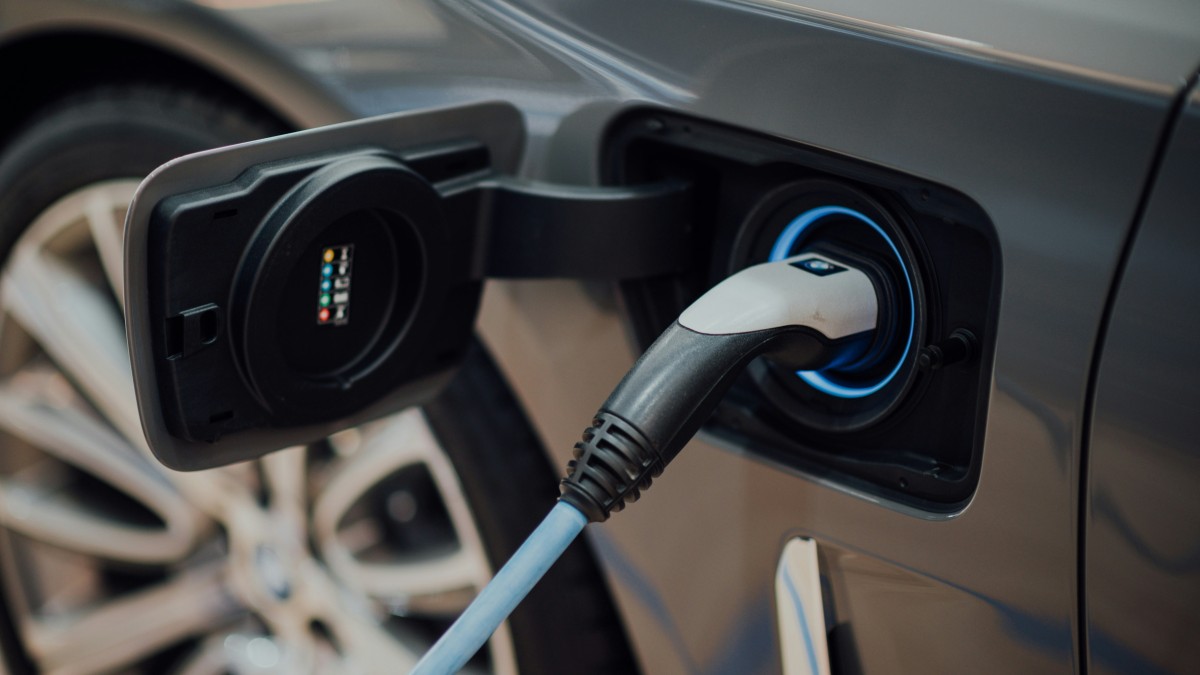
Fully electric cars are the most advantageous case. At national level, they are fully exempt from car tax for the first five years after their initial registration. Once that five-year period ends, a reduced rate of 25% applies compared with the standard tax for vehicles of an equivalent power output.
The rules are even more favourable in certain regions.
- Lombardy, for example, grants a permanent exemption for the entire life of an electric vehicle.
- Piedmont also applies a long-term arrangement.
- In Sicily, electric cars newly registered between 2026 and 2028 receive an additional five years of regional exemption.
Rules for hybrid cars are more fragmented, as concessions depend almost entirely on the region where the owner lives.
Historic cars
Vehicles more than 30 years old, calculated from their initial registration date, are automatically and permanently exempt from ownership tax. No application is required. The exemption takes effect once the vehicle reaches that age, as long as it remains properly registered and has not been removed from the PRA (Pubblico Registro Automobilistico, or Public Vehicle Register).
The position is different for vehicles aged between 20 and 29 years. There is no automatic exemption. A 50% reduction in the tax may be available, but only under specific conditions.
LPG cars
Most gas-powered cars sold in Italy are bi-fuel, meaning they run on petrol and LPG. In several regions, bi-fuel vehicles pay a reduced flat rate based on their full power output, without the surcharge that normally applies above 100 kW. This does not apply everywhere, so the rules need to be checked case by case according to the region of residence.
Is it true that car tax is not payable after the age of 70?
Despite this being a common question, there is no national law that automatically exempts people once they turn 70. Some Italian regions have introduced specific concessions for people aged over 70 since 2026.
These measures are never automatic or universal, though. They require additional criteria, such as an ISEE income threshold, limits on vehicle power and the submission of a formal application.
Stay in the know about living in Italy as a foreigner—get our weekly newsletter for the latest travel, legal, and lifestyle news.