Italy still attracts remote workers, retirees and professionals in large numbers, and the search for the best places to live in Italy hasn’t slowed down in 2026. The reality, though, is a little less glossy than the brochure version. Rents have climbed in major cities, bureaucracy hasn’t magically improved, and the north–south divide remains very real.
Even so, there are still places where the balance between lifestyle, cost and opportunity genuinely makes sense, provided you arrive with realistic expectations. The shortlist below reflects actual expat demand, job markets and affordability rather than postcard appeal.
- Why 2026 is a key year for moving to Italy
- Best cities in Italy for jobs and international careers
- Best affordable places to live in Italy in 2026
- Best places to live in Italy by the sea
- Best small cities in Italy for lifestyle and quality of life
- Safest cities in Italy in 2026
- Moving to Italy in 2026: practical considerations
Why 2026 is a key year for moving to Italy
Two things are shaping relocation decisions right now: housing pressure in the big names and growing interest in mid-sized and southern cities.
- Milan, Rome and Florence remain the obvious magnets, but long-term rentals are competitive, and prices have edged upwards again.
- Smaller cities are drawing remote workers and early retirees who want lower housing costs and a slower pace.
- There’s steady interest in island living, where property prices are still significantly below northern averages.
Best cities in Italy for jobs and international careers
These are the places where employment prospects and international networks are strongest.

Milan – strongest job market and international schools
If career progression is the priority, Milan still leads. Finance, fashion, tech and multinational firms are concentrated here, and English is more widely used in the workplace than anywhere else in Italy.
The trade-off is cost. Housing is among the highest in the country, and competition for well-located flats is intense. You’re paying for infrastructure, connections and opportunity.
Rome – capital city life with global institutions
Rome suits those working in diplomacy, NGOs, academia or large international organisations. It’s home to UN agencies such as the FAO and has a sizeable expat community scattered across neighbourhoods like Prati, Monteverde and Testaccio.
Daily life can be chaotic. Public transport is patchy outside central areas, and administrative processes move slowly. Still, the cultural depth and sheer scale of the city make it easier to build an international network.
Bologna – well-connected northern city with a strong university economy
Often overlooked by newcomers, Bologna strikes a balance between opportunity and manageability, recognised for its great quality of life. The University of Bologna, one of the oldest in Europe, keeps the city internationally minded, and the high-speed train network places Florence, Milan and Rome within easy reach.
It’s smaller and more navigable than Milan or Rome, with a solid food culture and good public services. Property isn’t cheap, but it tends to be less extreme than Milan’s centre.
Best affordable places to live in Italy in 2026
For anyone searching “cheapest places to live in Italy” or “affordable cities in Italy for expats”, these are realistic options without sacrificing urban life entirely.

Turin – northern Italy without Milan-level prices
Turin has long been more affordable than Milan while retaining solid infrastructure and job opportunities in engineering, automotive and tech. It feels orderly, with wide boulevards and proximity to the Alps.
Winters are colder and greyer than in much of Italy, which catches some newcomers off guard. Still, for those wanting northern efficiency without Milan’s housing market, it’s a sensible compromise.
Bari – southern coastal city with lower rents
On the Adriatic coast, Bari combines a working port city with a compact historic centre. It’s cheaper than most northern cities and has an international airport, which matters more than people think when living in the south.
The job market is limited compared to Milan or Rome, so it suits remote workers or retirees better. The sea is part of daily life here, not a weekend luxury.
Catania – budget-friendly option with year-round sun
On Sicily’s east coast under Mount Etna, Catania attracts those prioritising cost and climate. Housing prices are significantly lower than the national northern average, and the food scene is excellent in an unpolished way.
Infrastructure and bureaucracy can feel slower than in the north. This is better suited to independent types who don’t mind navigating a bit of chaos.
Best places to live in Italy by the sea
Search interest in coastal living remains strong, especially among retirees and remote workers.
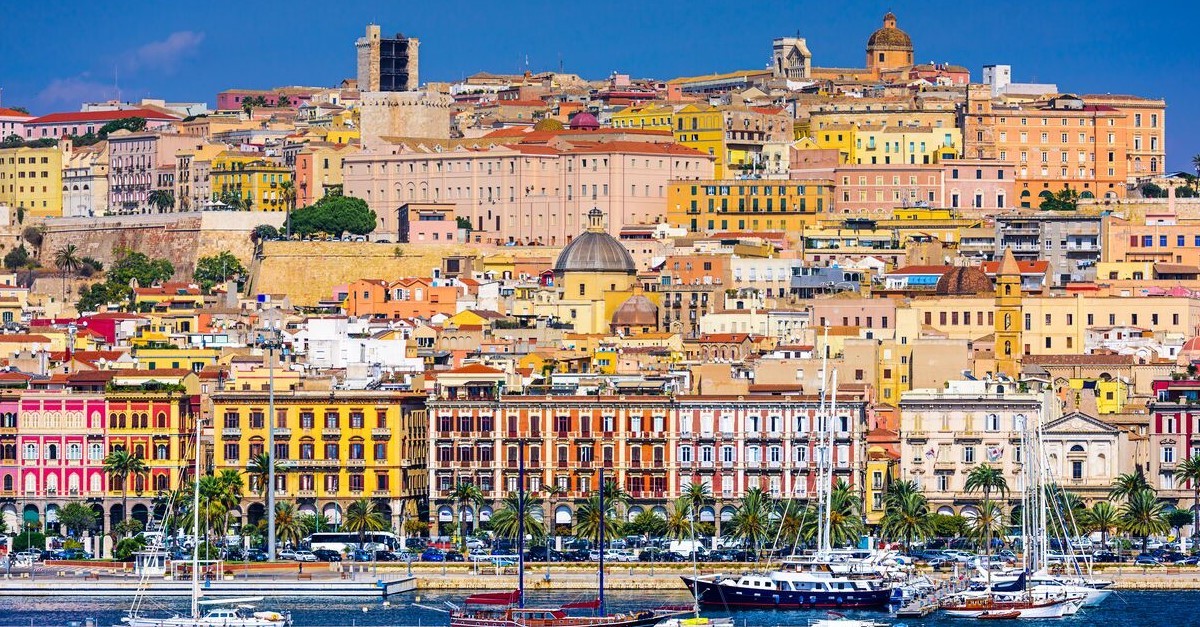
Cagliari – island capital with urban services and beaches
Cagliari, in southern Sardinia, gives access to beaches such as Poetto while still functioning as a regional capital with hospitals, universities and decent services. It’s calmer than mainland cities of similar size.
Island life brings higher travel costs and fewer job opportunities. For those with location-independent income, it’s one of the more balanced seaside options.
Palermo – culture, lower property prices and international interest
Sicily’s capital has seen steady international curiosity in recent years. Palermo combines grand architecture, street food culture and relatively accessible property prices compared to northern cities.
The city can feel disorganised, and public services are uneven. That said, the sense of history and daily life rooted in local traditions appeals to people who want something less polished.
Best small cities in Italy for lifestyle and quality of life
Not everyone wants a metropolis. These cities are compact enough to manage on foot yet substantial enough to feel connected.
Florence– compact, international and expensive
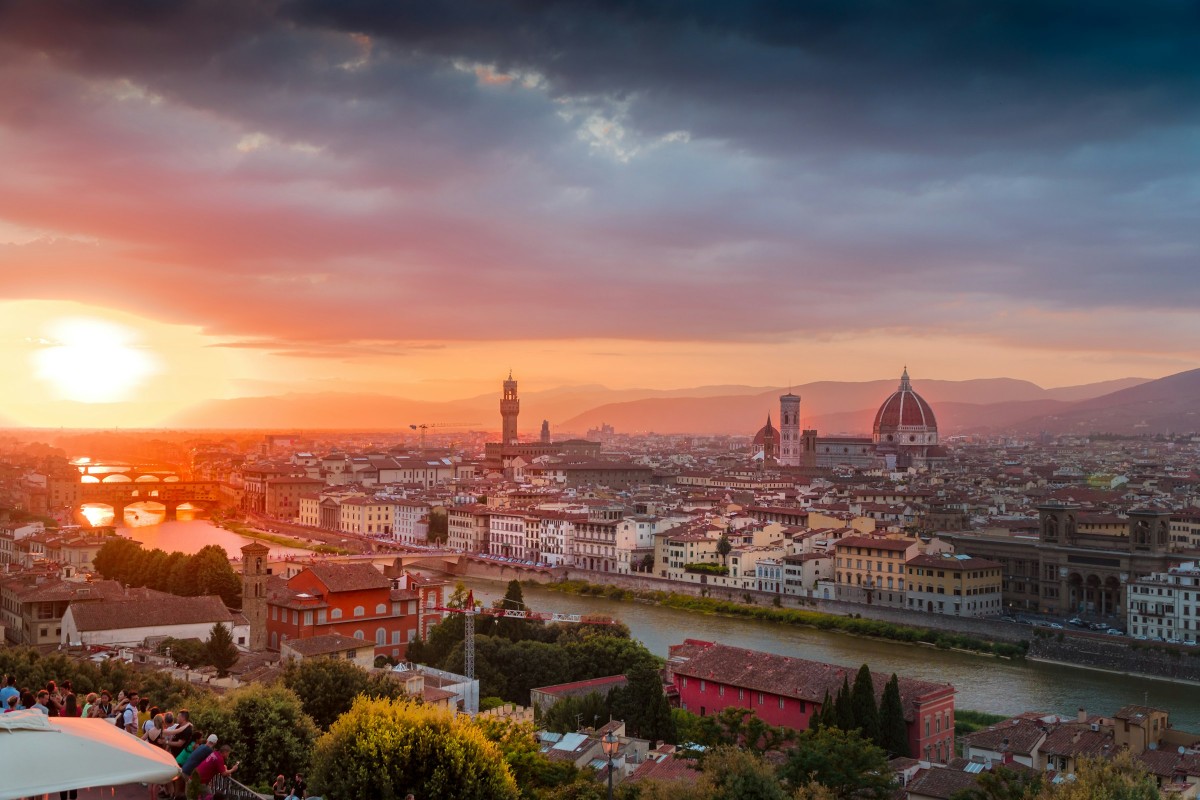
Florence remains one of the most internationally oriented small cities in Italy. There’s a large American presence, strong English usage in certain sectors, and world-class art within walking distance.
The downside is cost and tourism pressure. Long-term housing in central areas is competitive, and the city centre can feel overwhelmed in peak seasons.
Parma – manageable size and strong public services
In Emilia-Romagna, Parma has a reputation for good public services and a high standard of living. It’s closely associated with regional food production, including Parmigiano Reggiano and Prosciutto di Parma, and has a respected university.
It’s quieter than Bologna and far less tourist-driven than Florence. For families or professionals seeking stability over spectacle, it often makes more sense than flashier cities.
Safest cities in Italy in 2026
Safety regularly appears in relocation searches. According to recent quality-of-life and crime statistics from ISTAT and national rankings, northern cities consistently score well on safety and public services.
Cities frequently highlighted include:
- Trento – small, orderly and close to the Dolomites
- Bolzano – bilingual Italian-German city with strong infrastructure
Safety in Italy is generally good by European standards, but petty theft remains an issue in major tourist hubs such as Rome and Florence.
Moving to Italy in 2026: practical considerations
Beyond choosing a city, relocation to Italy depends on paperwork and planning.
Visa options such as elective residency and the digital nomad route are detailed by the Italian government. Processing times vary, and documentation requirements can be strict, so preparation matters.
Healthcare is accessible through the national system once properly registered, though waiting times differ regionally. Rental contracts are formal and regulated, and deposits of several months are standard.
The best approach is to visit a shortlist of cities, spend time in residential neighbourhoods rather than hotel districts, and speak to other foreigners about daily routines.
Stay in the know about living in Italy as a foreigner—get our weekly newsletter for the latest travel, legal, and lifestyle news.
For a taste of the high life, sign up for the monthly luxury market round-up.