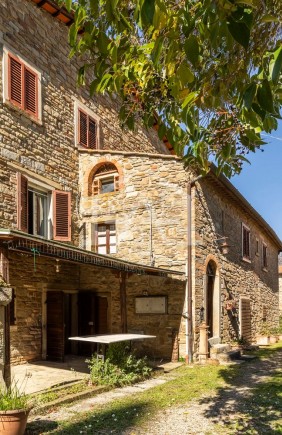
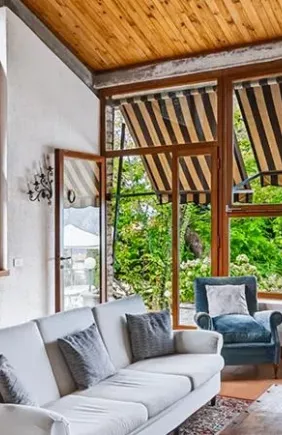
The buzz around 1 euro houses in Italy hasn’t died down yet, and 2026 is shaping up to be another year when small Italian towns try to lure new residents with symbolic prices. The original aim is still the same: safeguard abandoned properties and bring life back to historic centres that have been emptying out for decades.
Are 1 euro houses in Italy still available in 2026?
You can still find 1 euro houses in Italy in 2026, but the picture is more nuanced than it was a few years ago. Some villages have already completed their first rounds, others reopen the scheme periodically, and a few newer towns are still testing the waters with pilot projects.
The basic idea remains the same: properties are offered for €1 on the condition that buyers commit to renovating them within a set time, often backed by a guarantee or security deposit. However, the details—deadlines, required investments, and who’s eligible—vary from one Comune to another, making the reality of enjoying Italian rural life for just one euro a little more complicated.
Map of villages with 1-euro house schemes
If you’d like a more interactive view, the map of 1 euro houses in Italy 2026 lets you see exactly where each village is located and how they relate to one another across the country. The list of places on this page is based on the locations mentioned on the €1 house website, so it’s a useful starting point for spotting areas that have launched, or previously hosted, these schemes.
Complete list of Italian villages offering 1 euro homes in 2026
Below you’ll find a structured list of Italian villages that have launched 1 euro house schemes, organised by macro‑region. Some are actively offering properties in 2026, while others have completed previous rounds but remain important reference points for anyone exploring the idea. Always confirm the current status on the official municipal website or by contacting the Comune directly, as schemes can open and close quite quickly.
North Italy – 1 euro house villages in 2026
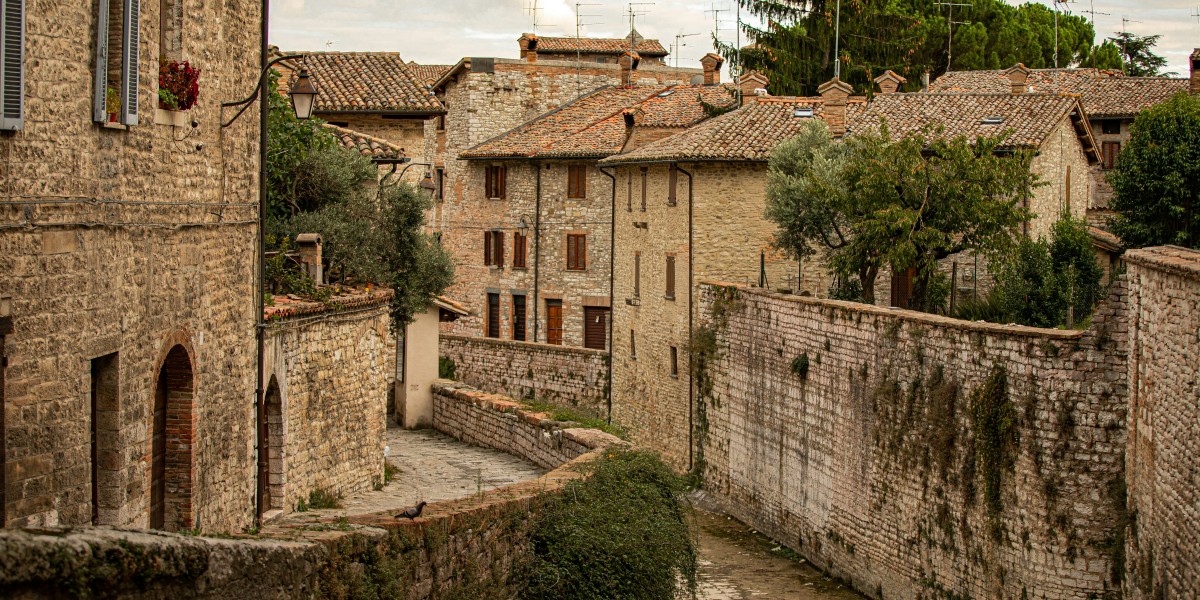
Oyace
- Location: Small mountain village in the Aosta Valley, in north‑western Italy, not far from the Swiss border.
- Type of setting: Alpine setting with high peaks, forests and traditional stone houses, popular with hikers and nature lovers.
- Why it’s interesting for buyers: An option if you’re dreaming of a quiet Alpine lifestyle within reach of ski areas and mountain trails, rather than crowded resorts.
- Location: Inland village in Liguria, in the province of La Spezia, within easy reach of the Cinque Terre coast.
- Type of setting: Rural hill town surrounded by woodland and agricultural land, quieter than the famous seaside villages further south.
- Why it’s interesting for buyers: Offers a more affordable base a short drive from some of Italy’s most famous coastal scenery, without the crowds and prices of the tourist hotspots.
Triora
- Location: Medieval hilltop village in the province of Imperia, inland from the Riviera dei Fiori on the Ligurian coast.
- Type of setting: Mountainous inland valley with stone houses, narrow lanes and a strong historical identity.
- Why it’s interesting for buyers: Known for its atmospheric medieval streets and folklore, it suits those looking for a remote, characterful base with access to both mountains and sea.
Milan
- Type of setting: Large urban centre with a mix of historic neighbourhoods and modern districts, extensive public transport and services.
- 1 euro homes status in 2026: Milan has experimented with symbolic‑price urban regeneration projects rather than traditional 1 euro village homes. As part of the second edition of Reinventing Cities, the municipality launched an initiative that involves the transfer of unused or degraded sites to environmental and urban regeneration projects.
- Why it’s interesting for buyers: Opportunities here are niche and highly regulated, and are aimed at developers or institutional investors rather than individual homebuyers.
Albugnano
- Location: Hill town in the province of Asti, in Piedmont, surrounded by vineyards and countryside.
- Type of setting: Rural setting with rolling hills, wineries and typical Piedmontese landscapes.
- Why it’s interesting for buyers: Attractive if you’re drawn to wine country and slow living, with easier access to larger towns like Asti and Turin by car.
Borgomezzavalle
- Location: Mountain village in the province of Verbano‑Cusio‑Ossola, northern Piedmont, close to the Swiss border.
- Type of setting: Alpine valleys and stone hamlets, with a strong rural character and cooler climate.
- Why it’s interesting for buyers: Suits those who enjoy remote, mountainous environments and are happy with basic services and a tight‑knit community.
Carrega Ligure
- Location: Small mountain municipality in the province of Alessandria, near the borders with Liguria and Emilia‑Romagna.
- Type of setting: Sparsely populated, mountainous territory with scattered hamlets and extensive woodland.
- Why it’s interesting for buyers: A possibility if you’re keen on off‑the‑beaten‑track living, hiking, and getting deeply embedded in a small rural community.
Central Italy – 1 euro house villages in 2026
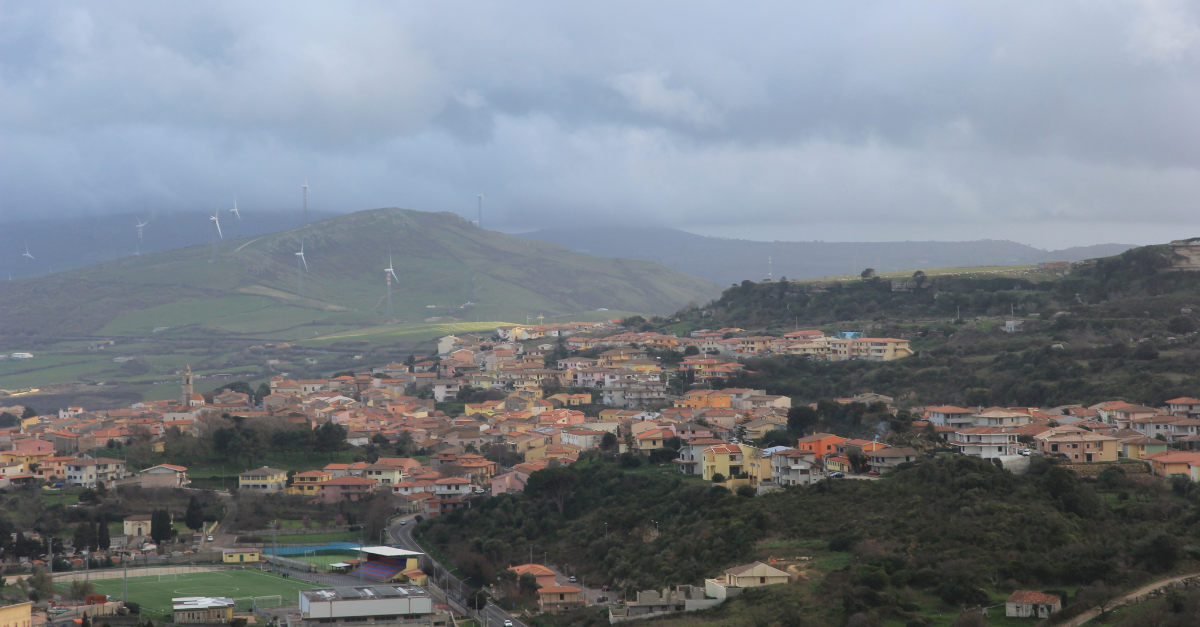
Casoli
- Location: Town in the province of Chieti, Abruzzo, set between the Maiella mountains and the Adriatic coast.
- Type of setting: Hill town overlooking a lake and countryside, with good access to both mountains and sea by car.
- Why it’s interesting for buyers: Offers a balanced lifestyle option for those who like outdoor activities, with relatively easy access to beaches and national parks.
Lecce nei Marsi
- Location: Village in the province of L’Aquila, Italy's Capital of Culture in 2026, Lazio and Molise National Park.
- Type of setting: Mountainous, natural environment with forests and wildlife, popular with walkers and nature enthusiasts.
- Why it’s interesting for buyers: Ideal if you’re seeking a base next to a major national park, with strong appeal to eco‑tourism and slow travel.
- Location: Hill town in the province of Pescara, roughly halfway between the coast and the mountains.
- Type of setting: Historic town with brick architecture, overlooking rolling countryside and within driving distance of the Adriatic.
- Why it’s interesting for buyers: Good if you want a medium‑sized town with services, while still enjoying a small‑town feel and access to both seaside and mountain day trips.
Pratola Peligna
- Location: Town in the province of L’Aquila, in the central Peligna Valley.
- Type of setting: Inland town surrounded by mountains, close to Sulmona and within reach of ski areas.
- Why it’s interesting for buyers: A good choice if you’re interested in central Abruzzo, with access to both historic towns and outdoor activities.
Santo Stefano di Sessanio
- Location: Small fortified medieval village in the province of L’Aquila, in the Gran Sasso area of Abruzzo.
- Type of setting: High‑altitude stone village with narrow streets, part of a protected mountain landscape.
- Why it’s interesting for buyers: Particularly appealing if you’re drawn to atmospheric, historic villages and the idea of developing boutique hospitality or creative projects.
Maenza
- Location: Hill town in the province of Latina, Lazio, south of Rome and inland from the Tyrrhenian coast.
- Type of setting: Medieval village on a hilltop, with views over the surrounding countryside, not far from coastal resorts.
- Why it’s interesting for buyers: Attractive if you want to be within reach of Rome and the sea while living in a quieter, traditional setting.
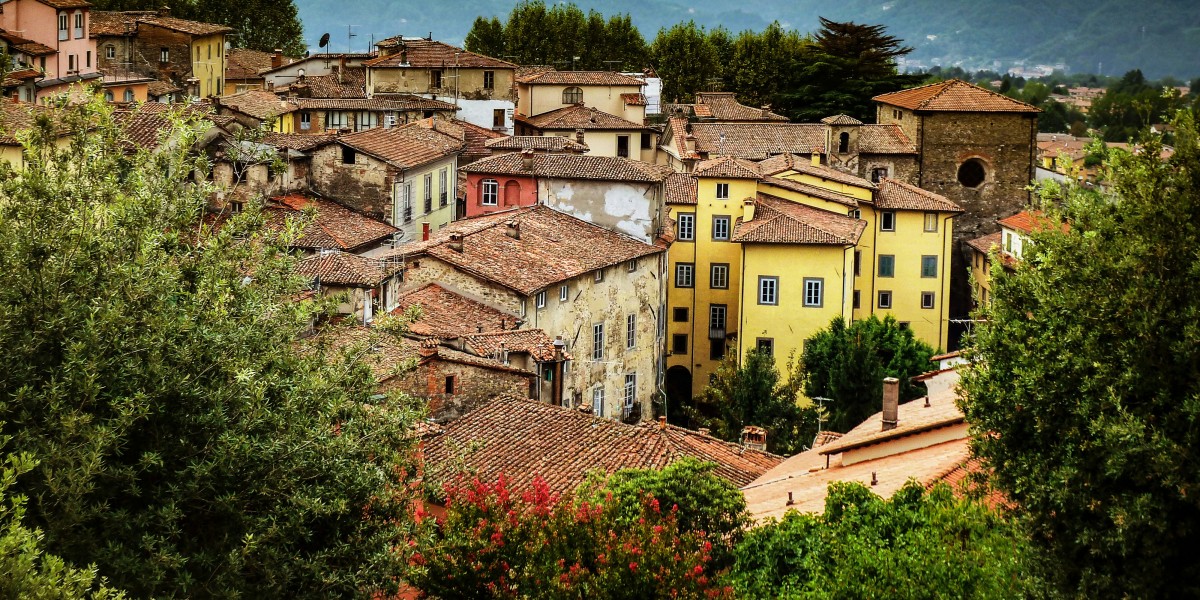
Patrica
- Location: Village in the province of Frosinone, in southern Lazio, set on a hill overlooking the Sacco Valley.
- Type of setting: Elevated village with panoramic views and a rural backdrop, within driving distance of Rome and Naples by motorway.
- Why it’s interesting for buyers: Offers a compromise between rural living and access to major cities and transport routes.
Santi Cosma e Damiano
- Location: Town in the province of Latina, located between Rome and Naples, not far from the Tyrrhenian coast.
- Type of setting: Inland but relatively close to seaside towns such as Formia and Gaeta, with a mix of rural and small‑town character.
- Why it’s interesting for buyers: Good if you’re after a base in central Italy with straightforward access to both cities and beaches.
Cantiano
- Location: Village in the province of Pesaro e Urbino, in the inland hills of Marche, near the Umbrian border.
- Type of setting: Rural, mountainous landscape with forests and traditional stone houses.
- Why it’s interesting for buyers: A possibility if you like under‑the‑radar locations, with easy access to both Marche and Umbria by car.
Monte Urano
- Location: Town in the province of Fermo, Marche, a short drive from the Adriatic coast.
- Type of setting: Hill town overlooking the coastal plain, known for artisan and manufacturing traditions.
- Why it’s interesting for buyers: Interesting if you want a working town close to the sea, rather than a purely tourist‑driven resort.
- Location: Municipality in the province of Lucca, Tuscany, in the Apuan Alps area.
- Type of setting: Mountain villages in a wooded, rocky landscape, with a strong rural feel.
- Why it’s interesting for buyers: Good for those drawn to hiking, nature and the quieter side of Tuscany, away from the main tourist routes.
Montieri
- Location: Hilltop village in the province of Grosseto, Tuscany, in the metalliferous hills inland from the Tuscan coast.
- Type of setting: Rural hill country with chestnut forests and historic mining heritage, within driving distance of the coast.
- Why it’s interesting for buyers: A quiet, affordable alternative to the more famous Tuscan hotspots, with a strong sense of place and local traditions.
South Italy – 1 euro house villages in 2026
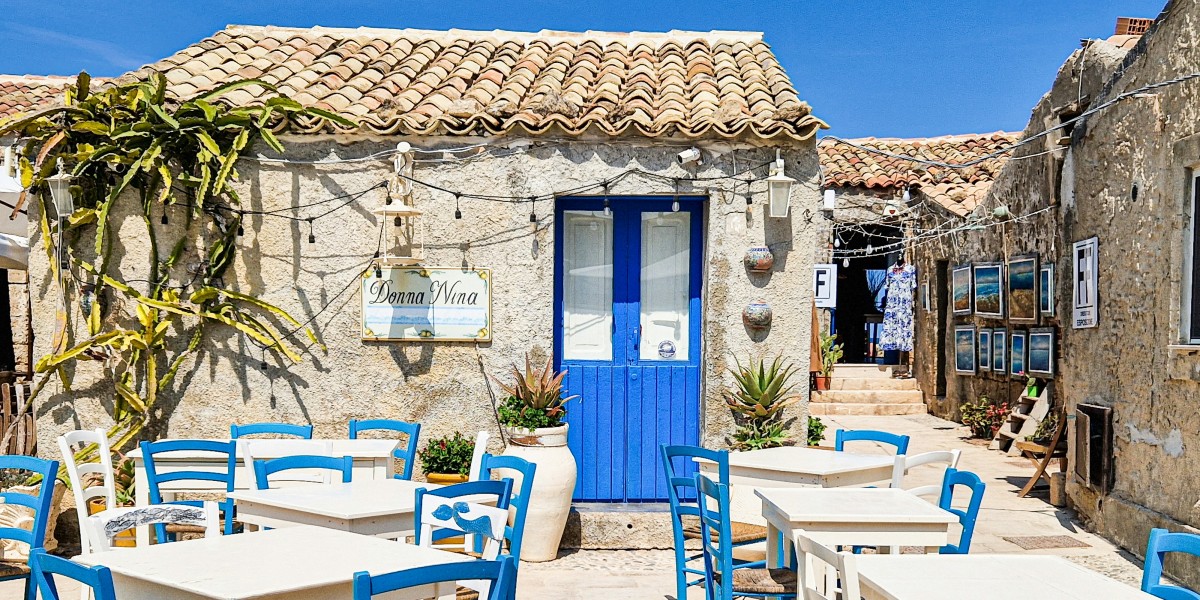
- Location: Village in the province of Foggia, Apulia, in the inland Daunia mountains.
- Type of setting: Rural, hilly area with forests and farmland, cooler than the coastal lowlands.
- Why it’s interesting for buyers: Attractive if you want a less touristy corner of Apulia, with space, nature and a community keen to welcome new arrivals.
Candela
- Location: Hill town in the province of Foggia, inland Apulia, overlooking the Ofanto river valley.
- Type of setting: Traditional town with winding streets and views across the surrounding countryside.
- Why it’s interesting for buyers: A good fit if you’re interested in Apulia beyond the famous coastal spots, and open to living in a quieter rural environment.
Caprarica di Lecce
- Location: Town in the province of Lecce, in the Salento area of southern Apulia, inland from the Adriatic.
- Type of setting: Rural, olive‑growing landscape, within driving distance of Lecce and the coast.
- Why it’s interesting for buyers: A good base if you want to be part of the Salento countryside, with access to both coasts and the baroque Lecce.
Taranto
- Location: Coastal city in Apulia, on the Ionian Sea, with a historic old town on an island.
- Type of setting: Large port city with a mix of industrial, residential and historic areas.
- Why it’s interesting for buyers: Potentially interesting if you’re drawn to urban regeneration projects in a city with a long, complex history and waterfront setting.
Acerenza
- Location: Hilltop town in the province of Potenza in Basilicata, overlooking the Bradano valley.
- Type of setting: Dramatic, elevated setting with historic architecture and expansive rural views.
- Why it’s interesting for buyers: Suits those who want a genuinely off‑grid feeling and don’t mind being far from the main tourist circuits.
Chiaromonte
- Location: Town in the province of Potenza, perched above the Sinni valley.
- Type of setting: Mountainous inland setting with surrounding forests and agricultural land.
- Why it’s interesting for buyers: Attractive for slow‑paced living in a very traditional part of southern Italy, with potential for nature‑based tourism.
Laurenzana
- Location: Village in the province of Potenza, within the Appennino Lucano – Val d’Agri – Lagonegrese National Park.
- Type of setting: Mountain village surrounded by forests and protected natural areas.
- Why it’s interesting for buyers: Ideal if you’re drawn to national‑park living and want to develop outdoor or eco‑tourism projects.
Ripacandida
- Location: Hilltop village in the province of Potenza, overlooking vineyards and countryside.
- Type of setting: Rural hill town with a compact historic centre.
- Why it’s interesting for buyers: A small, quiet base if you’re looking for authenticity and are comfortable with limited services.
Albidona
- Location: Village in the province of Cosenza, inland from the Ionian Sea.
- Type of setting: Hilltop settlement with views towards the coast and surrounding countryside.
- Why it’s interesting for buyers: Combines rural tranquillity with access to Ionian beaches by car.

Belcastro
- Location: Historic hilltop town in the province of Catanzaro, a short drive inland from the Ionian coast.
- Type of setting: Dramatic medieval village with castle ruins and surrounding hills.
- Why it’s interesting for buyers: Good if you’re fascinated by medieval architecture and want to be near but not on the coast.
Bisignano
- Location: Town in the province of Cosenza, inland from the Tyrrhenian coast.
- Type of setting: Rural town with hillside neighbourhoods and views over the Crati valley.
- Why it’s interesting for buyers: A possible base if you want a local, non‑touristy town with reasonable connections to larger centres in northern Calabria.
Cinquefrondi
- Location: Town in the province of Reggio Calabria, inland from the Costa Viola and Tyrrhenian coast.
- Type of setting: Inland town surrounded by hills, a drive away from both sea and mountains.
- Why it’s interesting for buyers: Known for its proactive stance on attracting foreign buyers, making it a useful case study for how these schemes can transform a town.
Maida
- Location: Town in the province of Catanzaro, not far from Lamezia Terme and the Tyrrhenian coast.
- Type of setting: Hill town with views over the plain towards the sea, surrounded by olive groves.
- Why it’s interesting for buyers: A strategic spot if you want to be near an airport (Lamezia Terme) and beaches while living inland.
Rose
- Location: Village in the province of Cosenza, in the Crati valley.
- Type of setting: Inland, semi‑rural setting with easy road access to Cosenza.
- Why it’s interesting for buyers: A practical choice if you want to live in a smaller town but remain close to a larger city.
Altavilla Silentina
- Location: Hill town in the province of Salerno, overlooking the Sele plain and not far from the Cilento coast.
- Type of setting: Rural, panoramic setting with views towards both mountains and the sea.
- Why it’s interesting for buyers: Good if you want to explore the Cilento area and southern Campania from a peaceful base.
Bisaccia
- Location: Inland town in the province of Avellino, in the Irpinia area.
- Type of setting: Hill town surrounded by rolling countryside, far from the coast.
- Why it’s interesting for buyers: Offers low property prices and a very traditional lifestyle, but be prepared for a remote location and cooler winters.
Pietramelara
- Location: Town in the province of Caserta, at the foot of the extinct volcano Monte Maggiore.
- Type of setting: Inland rural town with historic streets and a surrounding agricultural landscape.
- Why it’s interesting for buyers: A possible option if you want to be within reach of Naples and Caserta while living in a quieter inland town.
Teora
- Location: Village in the province of Avellino, in the Irpinia region.
- Type of setting: Mountainous inland setting, heavily affected by the 1980 earthquake and later rebuilding efforts.
- Why it’s interesting for buyers: Best suited to those who specifically want to help repopulate a small, earthquake‑affected town in the Apennines.
- Location: Hill town in the province of Avellino, listed among the “Borghi più belli d’Italia” (most beautiful villages in Italy).
- Type of setting: Stone village with narrow streets, surrounded by countryside in inland Campania.
- Why it’s interesting for buyers: Attractive if you want a picturesque, well‑preserved village and are open to running a guesthouse or small business alongside your own home.
Castropignano
- Location: Hilltop village in the province of Campobasso, Molise, overlooking the Biferno valley.
- Type of setting: Rural, mountainous landscape with castle ruins and a compact old town.
- Why it’s interesting for buyers: A good choice if you’re drawn to Molise’s quiet, little‑known villages and are comfortable with limited local services.
Sardinia – 1 euro house villages in 2026
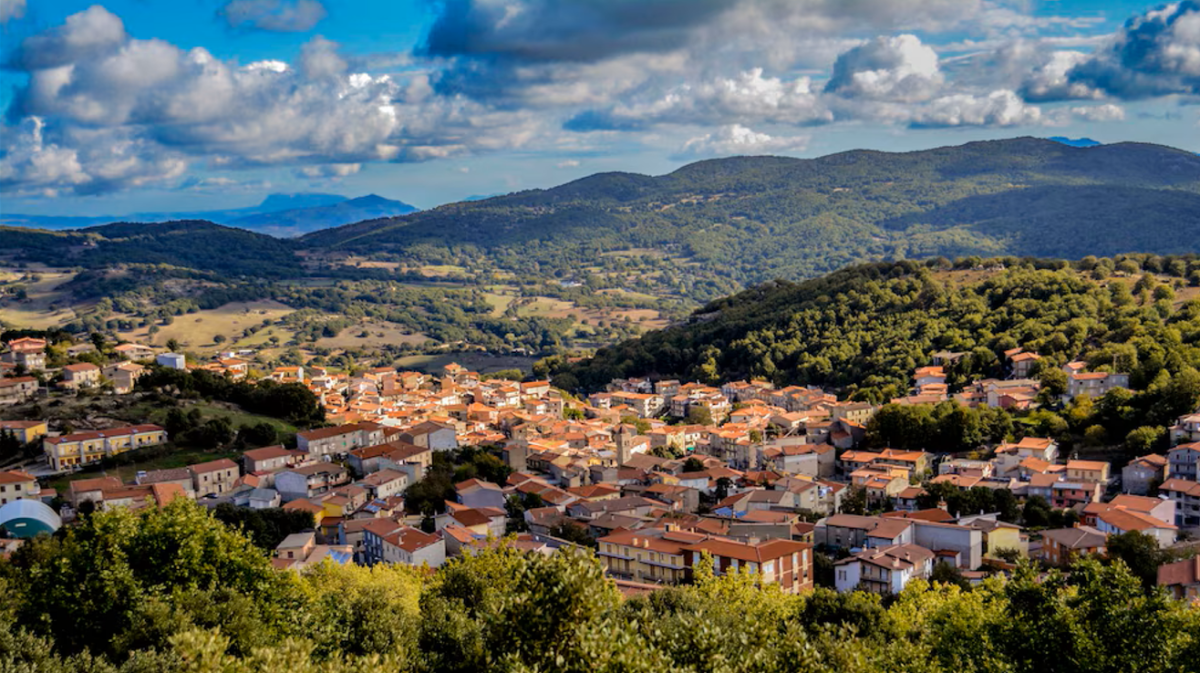
Bonnanaro
- Location: Village in the province of Sassari, Sardinia, in the Logudoro region of northern Sardinia.
- Type of setting: Rural inland village surrounded by hills, vineyards and agricultural land.
- Why it’s interesting for buyers: An option if you’d like to live in central‑north Sardinia, with access to local traditions and a slower pace than the coast.
Montresta
- Location: Village in the province of Oristano, Sardinia, inland from the Bosa coastline on the island’s west.
- Type of setting: Remote, hilly area with a rugged landscape and small‑village atmosphere.
- Why it’s interesting for buyers: Suitable if you prefer wild nature and don’t mind being far from major cities, while still being able to reach the coast by car.
- Location: Town in the province of Sassari, in the island’s north, inland from the coast.
- Type of setting: Hill town with views over the Anglona area, around 30–45 minutes by car from northern coastal spots such as Castelsardo and Marina di Sorso.
- Why it’s interesting for buyers: Good if you want to be reasonably close to Sardinia’s northern beaches without paying coastal property prices.
- Location: Village in the province of Nuoro, in the Barbagia region in the island’s interior.
- Type of setting: Mountain village with a strong identity, surrounded by rugged landscapes and traditional pastoral culture.
- Why it’s interesting for buyers: Popular with Americans, it appeals to those who like authentic, inland Sardinia and don’t mind being far from the sea in exchange for a tight‑knit community.
Romana
- Location: Small village in the province of Sassari, in the north‑western part of the island.
- Type of setting: Rural inland village surrounded by countryside and archaeological sites.
- Why it’s interesting for buyers: A possibility if you want an inexpensive base in northern Sardinia and are interested in local archaeology and countryside.
Sicily – 1 euro house villages in 2026
Augusta
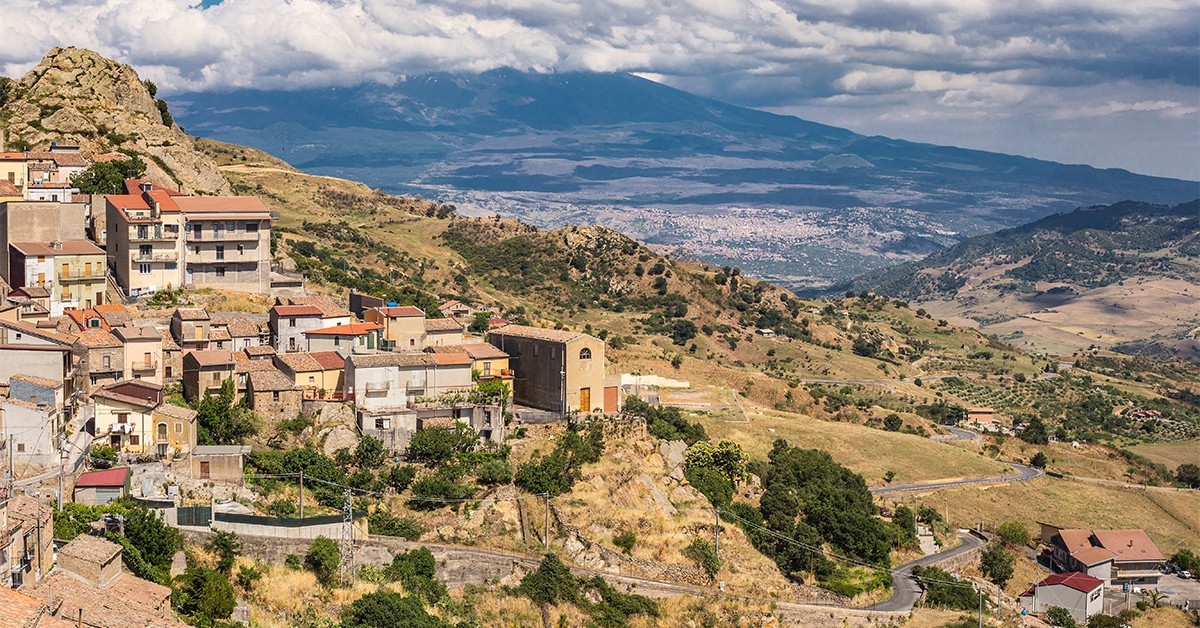
- Location: Coastal town in the province of Syracuse, Sicily, with an historic centre on an island.
- Type of setting: Port town with both industrial and historic areas, directly on the sea.
- Why it’s interesting for buyers: Potentially appealing if you want a working port town on the Ionian coast, with access to Syracuse and Catania.
Bivona
- Location: Inland town in the province of Agrigento, in central‑western Sicily.
- Type of setting: Mountain‑edge town surrounded by orchards and countryside.
- Why it’s interesting for buyers: Suits those who want to be in western Sicily but prefer countryside to the coast.
Calatafimi Segesta
- Location: Town in the province of Trapani, near the famous ancient site of Segesta.
- Type of setting: Inland hill town with easy access to archaeological sites and the north‑western coast by car.
- Why it’s interesting for buyers: Appealing if you’re a history buff who wants to be close to major archaeological attractions and within reach of Trapani and Palermo.
Caltagirone
- Location: Town in the province of Catania, famous for its ceramics and baroque architecture.
- Type of setting: Inland hill town, part of the Val di Noto area, with a rich historic centre.
- Why it’s interesting for buyers: A vibrant, UNESCO-protected historic town rather than a tiny village, ideal if you prefer more services and cultural life.
Cammarata
- Location: Mountain town in the province of Agrigento, on the slopes of Monte Cammarata.
- Type of setting: Dramatic hillside setting, with steep streets and views over central Sicily.
- Why it’s interesting for buyers: Good if you like striking landscapes and don’t mind steep streets and a cooler inland climate.
Canicattì
- Location: Town in the province of Agrigento, on the road between Agrigento and Caltanissetta.
- Type of setting: Inland agricultural town with a mix of historic and more modern neighbourhoods.
- Why it’s interesting for buyers: A larger town environment with better services, if you don’t mind being some distance from the sea.
Castel di Lucio
- Location: Hilltop village in the province of Messina, in the Nebrodi mountains.
- Type of setting: Mountainous inland area with views over northern Sicily.
- Why it’s interesting for buyers: A good fit if you love mountain views and cooler summers, and don’t mind a winding drive to the coast.
Castiglione di Sicilia
- Location: Town in the province of Catania, on the northern slopes of Mount Etna, overlooking the Alcantara valley.
- Type of setting: Hill town with lava‑stone buildings, vineyards and spectacular views of Etna.
- Why it’s interesting for buyers: Ideal if you’re fascinated by Etna, wine tourism and rural Sicily, and don’t mind an inland location.
Corleone
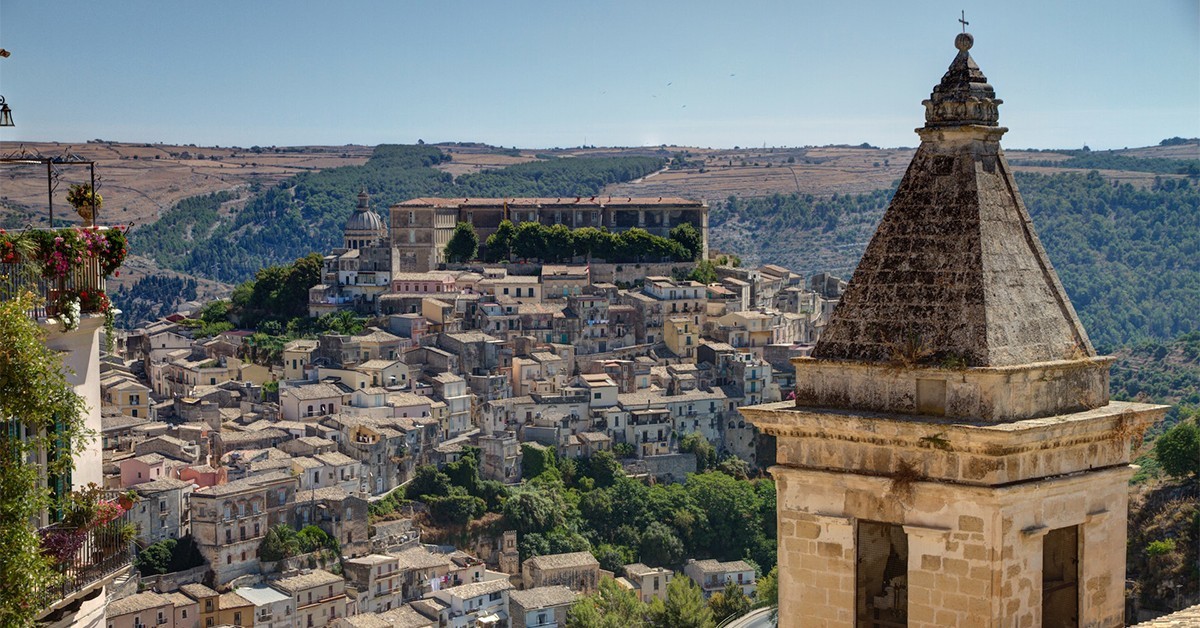
- Location: Inland town surrounded by hills and farmland, and home to The Godfather.
- Type of setting: Rural town with a complex history and strong identity.
- Why it’s interesting for buyers: Best for those who specifically want to engage with the town’s ongoing transformation and social projects.
Gangi
- Location: Hilltop town in the province of Palermo, in the Madonie mountain area.
- Type of setting: Dramatic, photogenic medieval town, recognised as one of Italy’s most beautiful villages.
- Why it’s interesting for buyers: Great if you want a visually striking, historic town with a track record of welcoming foreign buyers.
Grotte
- Location: Town in the province of Agrigento, inland from the southern coast.
- Type of setting: Rural inland town with a compact historic centre.
- Why it’s interesting for buyers: A quieter alternative to larger towns, while still fairly close by car to Agrigento and the coast.
Itala
- Location: Coastal municipality in the province of Messina, on the Ionian Sea.
- Type of setting: Mix of seaside and hillside hamlets, with beaches and coastal views.
- Why it’s interesting for buyers: One of the options if you want to be near the sea while still getting access to symbolic‑price homes in historic villages.
Leonforte
- Location: Town in the province of Enna, in central Sicily, surrounded by rolling hills.
- Type of setting: Inland town with a baroque centre and strong agricultural traditions.
- Why it’s interesting for buyers: A good base if you want central Sicily and don’t mind being far from the coast in exchange for lower prices.
- Location: Hilltown in the province of Caltanissetta, in central Sicily, about an hour’s drive from the southern coast.
- Type of setting: Inland town dominated by a dramatic castle, surrounded by countryside and smaller villages.
- Why it’s interesting for buyers: One of the cheapest places to buy property in Italy, it has strong foreign interest and an emerging international community.
Palma di Montechiaro
- Location: Coastal town in the province of Agrigento, overlooking the Mediterranean.
- Type of setting: Mix of coastal and hillside areas, with beaches nearby.
- Why it’s interesting for buyers: Attractive if you want to be by the sea in southern Sicily while taking on a restoration project.
Petralia Soprana
- Location: Mountain town in the province of Palermo, in the Madonie range.
- Type of setting: High‑altitude village with narrow streets, stone houses and expansive views.
- Why it’s interesting for buyers: A good fit for those who enjoy cooler summers, mountain scenery and a slower pace of life.
Pettineo
- Location: Hilltop village in the province of Messina, overlooking the northern coast.
- Type of setting: Rural, elevated setting with views towards the Tyrrhenian Sea and the Nebrodi mountains.
- Why it’s interesting for buyers: Combines inland peace with relative proximity to the coast and larger towns like Cefalù by car.
Piazza Armerina
- Location: Town in the province of Enna, famous for the Villa Romana del Casale UNESCO site.
- Type of setting: Inland hill town with rich historical and archaeological interest.
- Why it’s interesting for buyers: Particularly appealing if you love Roman history and want to be near a major UNESCO attraction.
Racalmuto
- Location: Inland town in the province of Agrigento, associated with writer Leonardo Sciascia.
- Type of setting: Rural town with cultural heritage and connections to Sicilian literature.
- Why it’s interesting for buyers: Suitable if you’re interested in the cultural side of Sicily and don’t mind an inland setting.

Regalbuto
- Location: Town in the province of Enna, overlooking Lake Pozzillo.
- Type of setting: Inland hill town with a lake and rural surroundings.
- Why it’s interesting for buyers: An option if you like the idea of lakeside views in the heart of the island.
Salemi
- Location: Town in the province of Trapani, in the hilly inland area of western Sicily.
- Type of setting: Historic town with a castle and stone houses, surrounded by vineyards and fields.
- Why it’s interesting for buyers: Good if you want to explore western Sicily, including Marsala, Trapani and surrounding wine country, from a more affordable base.
Sambuca
- Location: Town in the province of Agrigento, inland from the south‑western coast.
- Type of setting: Hill town with Arab‑influenced street patterns and views over Lake Arancio.
- Why it’s interesting for buyers: International media coverage has led to a lively mix of locals and newcomers, making it one of the best‑known case studies of the whole programme.
San Cataldo
- Location: Town in the province of Caltanissetta, inland in the central part of the island.
- Type of setting: Medium‑sized inland town with residential areas and services.
- Why it’s interesting for buyers: More of a working town than a tourist spot, suited to those who want a “normal” Sicilian town experience.
San Piero Patti
- Location: Village in the province of Messina, in the Nebrodi area, inland from the Tyrrhenian coast.
- Type of setting: Hill village with mountain views and access to natural parks.
- Why it’s interesting for buyers: A good option if you enjoy hiking and rural life but still want reasonable access to the coast and Messina.
Saponara
- Location: Town in the province of Messina, close to the Tyrrhenian coast and the city of Messina.
- Type of setting: Inland hillside areas with views towards the sea.
- Why it’s interesting for buyers: Convenient if you want to be within commuting distance of Messina, ferries to the mainland, and the coast.
Serradifalco
- Location: Inland town in the province of Caltanissetta, surrounded by rolling hills.
- Type of setting: Small agricultural town with a compact centre.
- Why it’s interesting for buyers: A quieter alternative in central Sicily for those looking for a very local experience.
Termini Imerese
- Location: Coastal town in the metropolitan city of Palermo, on the Tyrrhenian Sea.
- Type of setting: Port town with thermal springs, an old town and industrial areas.
- Why it’s interesting for buyers: Handy if you want to be between Palermo and Cefalù, with rail and road connections as well as sea views.
Troina
- Location: Mountain town in the province of Enna, in the Nebrodi area.
- Type of setting: High‑altitude town with views over the surrounding mountains and countryside.
- Why it’s interesting for buyers: Attractive for those who love mountain landscapes and are open to cooler winters and a remote location.
Valguarnera Caropepe
- Location: Town in the province of Enna, in the island’s interior.
- Type of setting: Inland town with a compact historic centre and surrounding countryside.
- Why it’s interesting for buyers: Suitable if you’re specifically drawn to central Sicily and want to be part of a local community with little tourism.
Spotlight on Sicily and Sardinia
Among all the regions, Sicily and Sardinia stand out for the sheer number of towns that have tried the 1 euro house approach. Depopulation, especially in inland and mountain areas, has pushed many local councils to get creative in attracting new residents.
In Sicily, places such as Mussomeli, Sambuca, Gangi and Castiglione di Sicilia have become almost synonymous with the one‑euro homes phenomenon. In Sardinia, villages like Ollolai, Nulvi and Bonnanaro offer a very different lifestyle to the island’s famous beach resorts, focusing instead on traditional inland communities.
Case study: George Laing’s 1 euro house in Mussomeli
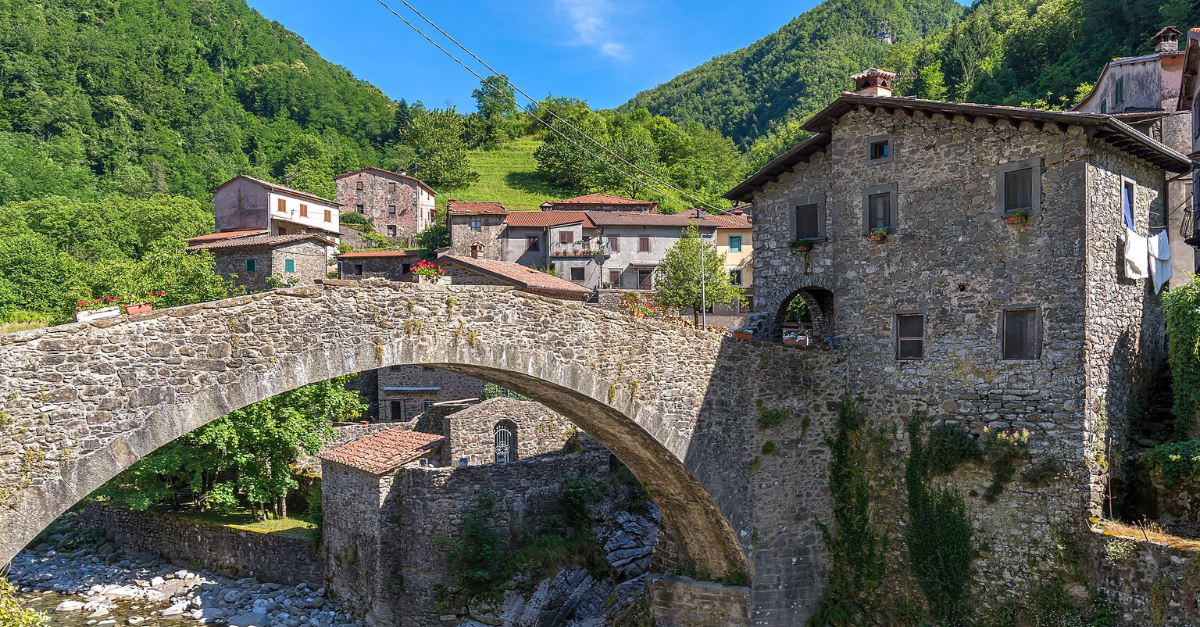
To put a human face on all of this, it’s worth looking at what actually happens when someone takes the plunge. One recent example is George Laing, originally from London, who chose Mussomeli for his 1 euro house project.
George was attracted by the idea of finally owning a home outright, without a mortgage, and by the chance to start a new chapter in a Sicilian hill town. After finding a property through the scheme, he set about navigating local bureaucracy, renovation planning and the practicalities of travelling between the UK and Sicily while works were underway.
Along the way, he discovered both the benefits—affordable purchase price, friendly locals, a slower pace of life—and the challenges, such as managing a renovation in another language and adjusting to a small‑town environment.
Is a 1 euro village in Italy right for you?
Before you fall in love with a €1 price tag, it’s worth being brutally honest with yourself about what you’re signing up for.
On the plus side, buying in a 1 euro village can give you:
- A foothold in authentic Italy, far from the usual tourist trail.
- The chance to restore a piece of local heritage and be part of a town’s revival.
- A base from which to explore beautiful countryside, mountains or coastline, often at far lower prices than the hotspots.
On the flip side, you’ll need to be comfortable with:
- Remote locations, sometimes with limited public transport and services.
- Red tape, renovation work and the risk of costs going well beyond the symbolic €1.
- Language barriers and the reality that integrating into a small community takes time and effort.