The Italian government is further extending its COVID-19 green pass scheme, meaning that the green Pass will now be a necessary requirement for workers in certain sectors, as well as for individuals and tourists in some cases. Parliament has approved a new decree extending the use of the green pass to access places such as schools, universities and certain health establishments (known as RSAs). Let's have a closer look at all the green pass updates, as the green pass becomes mandatory in more places in Italy.
What is a green pass and how to get one?
Before we delve into Italy's green pass rules and restrictions, a quick recap. What is Italy's green pass? And how can you get one?
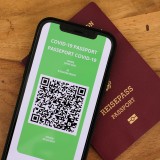
The Italian green pass is basically what Italy calls a COVID-19 health certificate, also known in some cases as a COVID-19 passport or the EU digital COVID certificate. The aim of this document, which is most commonly a QR code but can also be printed, is to prove that you have either been fully vaccinated with an EU approved vaccine, that you have fully recovered from COVID-19 within the past 6 months, or if you have tested negative for COVID-19 within the previous 48 hours.
For more information about getting a green pass in Italy, check out our guide.
Italy green pass for UK citizens
The only people who are exempt from the green pass requirement in Italy are children who are under 12 years of age. Green pass rules therefore apply to everyone who is over 12, including tourists and non-resident visitors.
This therefore includes UK citizens who will be required to have a green pass for all of the activities mentioned in this article, including travelling on flights and on public transport in Italy. In summary, all travellers entering Italy must comply with the regulations of the region they are visiting, including having a green pass. More information on the requirements for travelling to Italy from the UK can be found on the Italian Ministry of Health website.
New government decree and updates
The most recent green pass updates in Italy include rules from 1st September 2021 and new rules which will come into force from October 2021. In September, the Italian government already stated that individuals wanting to get on any sort of public transport in Italy, including planes, buses, trains and ferries, would be required to present the green pass in order to be allowed to board the vehicle.
Among the other new green pass rules in Italy, perhaps less relevant for tourists but important for families living in Italy, are those concerning education. Until at least 31st December 2021, in addition to school staff (for whom a green pass had already been made compulsory), "anyone who has access to all the facilities of school, educational and training institutions" will have to show a green pass. This includes both pupils and parents, and also applies to higher education and university students.
From 10th October, a green pass will also be compulsory for all outsiders working in certain health establishments in Italy known as RSAs, and not only for doctors and nurses.
Failure to adhere to any of the above rules will result in fines, and in the case of employees, sanctions could include suspension from work and a salary cut.
Where in Italy is the COVID green pass required?
With all of this in mind, the green pass obligation also remains in place in Italy for access to the following public places:
- Indoor catering (including bars and restaurants) for table service
- Shows and performances open to the public, including sporting events and competitions
- Museums, other institutes and places of culture and exhibitions;
- Swimming pools, gyms, when participating in team sports, in wellness centres, inside accommodation facilities (limited to indoor activities)
- Festivals, fairs, conventions and congresses
- Spas (with the exception of those providing medical services), theme and amusement parks
- Cultural, social and recreational centres, limited to indoor activities and excluding children's educational centres, including summer centres, and related catering services
- Gambling halls, betting shops, bingo halls and casinos
- Public competitions
- Company canteens
- Hotel restaurants if external customers are involved.
- On all public transport, including trains, interregional ships and ferries, domestic and international flights and buses connecting different regions.