Situated among the rolling hills of Tuscany, Siena sizes up as a fantastic spot for anyone after a slower pace but without skimping on culture or daily buzz. Its terracotta rooftops, medieval lanes and that picture-perfect Piazza del Campo make you feel like you're stepping into a Renaissance painting. The University of Siena gives the place a lively, youthful vibe, with students adding an international flair to local hangouts and shaded cafés. Living in Siena is about soaking up the best bits of Tuscan life, all within city walls that seem built for slow strolls and evenings spent watching the world go by.
Is Siena a nice place to live?

Settling in Siena suits those who appreciate city life on a friendly, manageable scale. It’s easy to feel at home wandering car-free streets lined with family-run eateries and wine bars. You’ll quickly notice Siena’s well-preserved character, with everything from local bakeries to small boutiques run with Old World attention to detail. For many, Siena’s main draw is its relaxed rhythm and the sense that daily life happens at walking pace rather than a mad dash. Outdoor family-friendly festivals and lively piazzas keep things sociable, but nightlife is fairly low-key. It’s a brilliant spot if you’d like a healthy work-life balance, excellent food, and access to Tuscany’s picture-perfect countryside.
Pros and cons of living in Siena

Like anywhere, there are a few ups and downs to weigh up before making the move to Siena. If you’re partial to exploring on foot with no rush, and love that old-world charm mixed with a genuine sense of community, you’ll find plenty to like.
Some of the pros of life in Siena include:
- Breathtaking surroundings and architecture: living here means stumbling on beautiful views, ancient churches, and history at every turn.
- A strong sense of community: Siena’s neighbourhoods are tight-knit, with plenty of festivals, markets, and traditions that make it easy to get to know your neighbours.
- Great work-life balance: people make time for long lunches, and the countryside’s on your doorstep for quick escapes to vineyards or hill towns.
And a couple of cons worth knowing:
- Limited nightlife and shopping: things go quiet after dark compared to bigger Italian cities. Fancy bars and chain shops are thin on the ground, so options can feel a bit limited if you’re after late nights or big retail therapy.
- Smaller expat network: while there is an international community, especially around the university, Siena isn’t packed with expats like Florence or Rome.
Is it expensive to live in Siena?

When it comes to the living cost in Siena, you’ll find it’s not quite as pricey as living in Florence or Rome, but it’s definitely not the cheapest spot in Tuscany either. According to Numbeo, an inexpensive meal in a local trattoria averages around €15. If you fancy a proper dinner for two somewhere midrange, expect to pay about €70, though the bill can easily top €100 at smarter places. For drinks, a beer is typically around €5, but your daily espresso comes in at a refreshingly affordable €2.30 or less.
Utility bills (covering standard things: heating, cooling, electricity, water, rubbish collection) come to roughly €230 per month for a typical flat, though this can go up or down based on how much you use and the size of your place. As for income, the average net monthly salary in Siena is about €1,330, so budgeting carefully is still the name of the game.
Renting and buying property in Siena
Finding a place to live in Siena isn’t as steep as in Florence, but it’s no small-town bargain either. As of June 2025, property prices in Siena averaged €2,894 per m². If you’re planning on renting rather than buying, average rents sit at €12.6 per m², so for a standard 80m² flat, you’re usually looking at around €1,000 a month.
To put things in perspective, Florence property prices have soared to €4,492 per m², and rents average €21.8 per m², almost double those of Siena. So if you find Florence out of reach, Siena might just be your more affordable slice of Tuscany.
Best neighbourhoods in Siena

Siena’s got a handful of neighbourhoods, each with its own personality and quirks—so where you choose to live really shapes your day-to-day. You’ll notice prices in Siena can swing a fair bit depending on whether you’re looking inside the medieval centre or further out, where things are often more reasonable.
Centro Storico
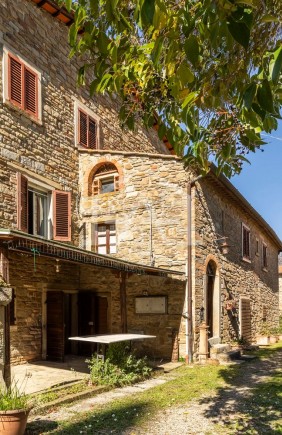
Cobbled lanes, medieval squares, and a front-row seat to city life amid a UNESCO World Heritage site. Flats here are older and full of character, often with high ceilings and quirky layouts. Expect to pay a bit more for the privilege of walking everywhere and soaking up the nightlife, markets, and festivals right outside your door. As of June 2025, property prices in the historic centre were above the city's average, at €3,525 per m2.
San Prospero
Sits just outside the old walls and is popular with young professionals. It’s more modern, has easier parking, and is still just a short stroll from the buzz of town. There are more green spaces, including Parco Unità d’Italia, and rents tend to be lower than in the centre.
Le Scotte
The area is best known for its modern hospital, Azienda Ospedaliera Universitaria Senese, which draws health professionals and students. There are newer apartment blocks here, and it's easy to drive out into the surrounding Tuscan countryside for a change of scene.
Fuori Porta Camollia
Located just outside the historic city gates, this area gives you the best of both worlds. The neighbourhood is dotted with typical alimentari (small grocers), bakeries, and a few local trattorias that haven’t changed in decades. You’ll also have connections to the train station, which is great for trips further afield.
Petriccio
Petriccio sits a little farther out and has more of a residential, almost suburban character. This area is popular with families and people who want quieter surroundings with access to parks and local schools. Petriccio doesn’t have the historic drama of the city centre, but that means you get more space for both your home and your wallet.
Living in Siena as a foreigner
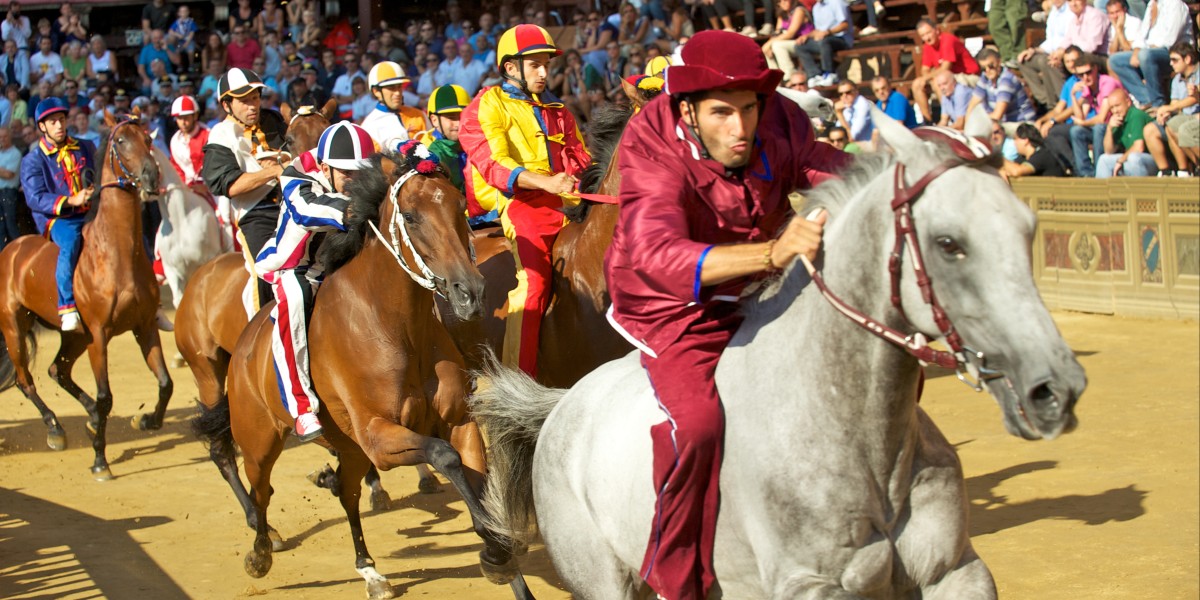
Siena might be old-school in some ways, but it welcomes a fair mix of newcomers, especially thanks to its historic university and the odd wave of expats. The international student crowd brings some buzz, and you’ll spot a handful of fellow expats at local cafés or events. Getting stuck into local festivals, like the internationally famous Palio di Siena, is a great way to integrate as a newbie.
Do people speak English in Siena?
English is fairly common in university settings and among students, as well as in bigger hotels or tourist-facing businesses. That said, most shopkeepers, local bureaucrats, and older residents stick to Italian. Learning a bit of Italian goes a long way, but you’ll probably get by with English for essentials.
Living in Siena as an American
The US expat community isn’t huge, but there’s support in the form of university programs and Facebook groups, and Florence—with its bigger American network—is close enough for a weekend catch-up.
Siena crime rate
Siena is widely seen as a safe and relaxed city. Violent crime is extremely rare, and even petty crime is pretty low compared to most other Italian cities. You might need to keep an eye out for the occasional pickpocket around the busier tourist spots, but most residents are comfortable walking home late or letting their kids play outside.
Moving to Siena

Getting started in Siena is made smoother by the city’s welcoming, unhurried vibe. Locals tend to be patient if your Italian is rusty, often switching to “slow Italian” or even a bit of English. Finding work as a foreigner can be tricky, but there are normally job opportunities in tourism and hospitality.
Services for foreigners are naturally best around the University of Siena, which provides language classes, integration help, student support, and occasional bureaucratic assistance. For non-university folks, local Comune (town hall) staff can be helpful, although paperwork can take time. Siena’s manageable size means regular faces quickly become familiar, making it easier to build your own network of helpers and new friends.