Slip off the main drag and Rome softens into villagey corners, street art pockets and leafy hillsides. These hidden neighbourhoods in Rome are made for slow wanders, a lazy aperitivo, and the odd trattoria you’ll want to keep to yourself.
While veering off the beaten track, check out Rome's lesser-known landmarks and find some of the city's best non-touristy things to do for a real taste of the city.
Testaccio
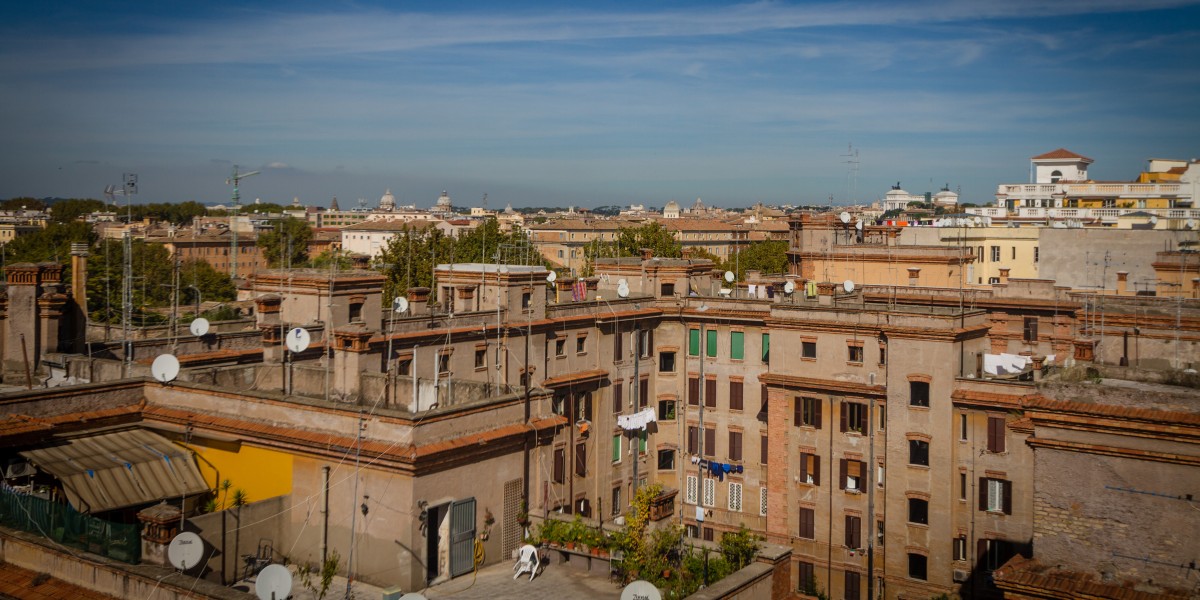
Once working‑class, now foodie without the fuss, Testaccio wraps the River Tiber’s bend, just below Aventino. Expect to find fresh toms at the covered market, old‑school osterie, street art around ex‑warehouses and a laid‑back evening scene. Great for budget‑friendly eats and everyday Roman life, but limited 'wow‑factor' sights.
Where to start: Mercato Testaccio for counter lunches and straight-up Roman staples.
Local tip: Walk Via Nicola Zabaglia to see Monte Testaccio’s exposed layers of terracotta shards, then amble to Ponte Testaccio for a sunset river view.
Monteverde Vecchio
Leafy and elegant, Monteverde Vecchio is all villa lanes, viewpoints and the sweep of Villa Doria Pamphilj nearby. Calm, well‑heeled and green, with a handful of charming cafés on back streets. Fewer attractions, more atmosphere.
Where to start: Via Carini and the surrounding villa grid.
Local tip: Loop through Villa Doria Pamphilj just before sunset for long, quiet paths. Tram 8 makes getting back to the centre straightforward.
Garbatella
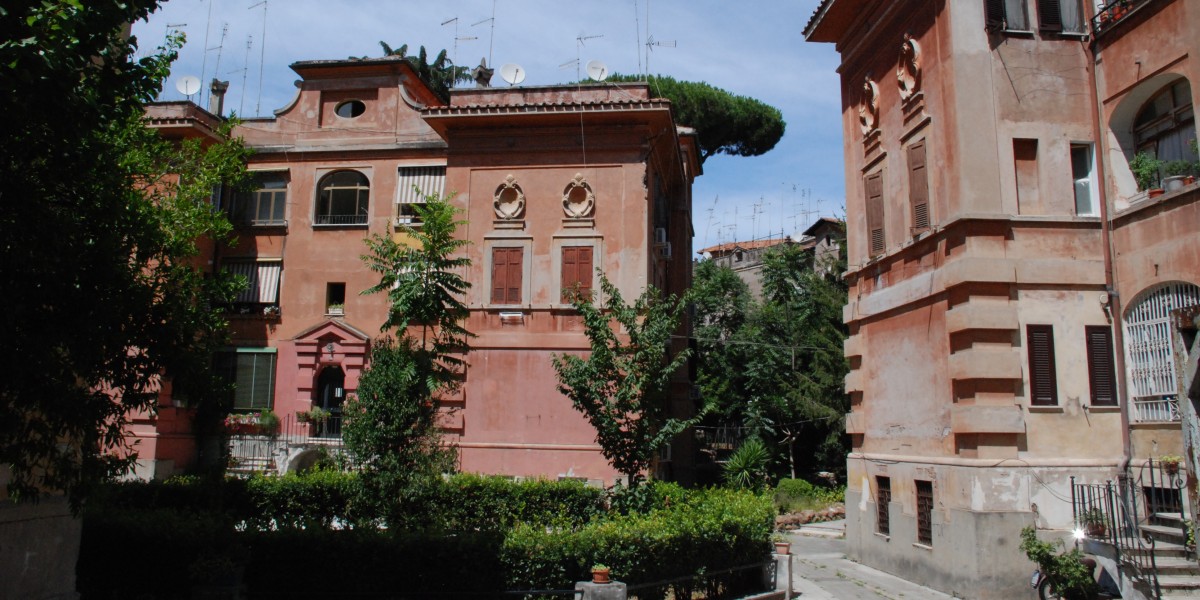
A 1920s garden suburb of cottage‑style blocks and courtyards, Garbatella feels like a film set where neighbours still chat on benches. Wander the lotti, the original communal living units, for archways, tiled plaques, and little squares. Finish with a simple plate at a family‑run trattoria. Quieter at night, lovely for slow afternoons.
Where to start: Piazza Benedetto Brin and the original Lotto 1 courtyards.
Local tip: Keep voices low inside residential courtyards, and aim for a weekday visit when locals are about and the lanes feel lived-in.
Quartiere Coppedè
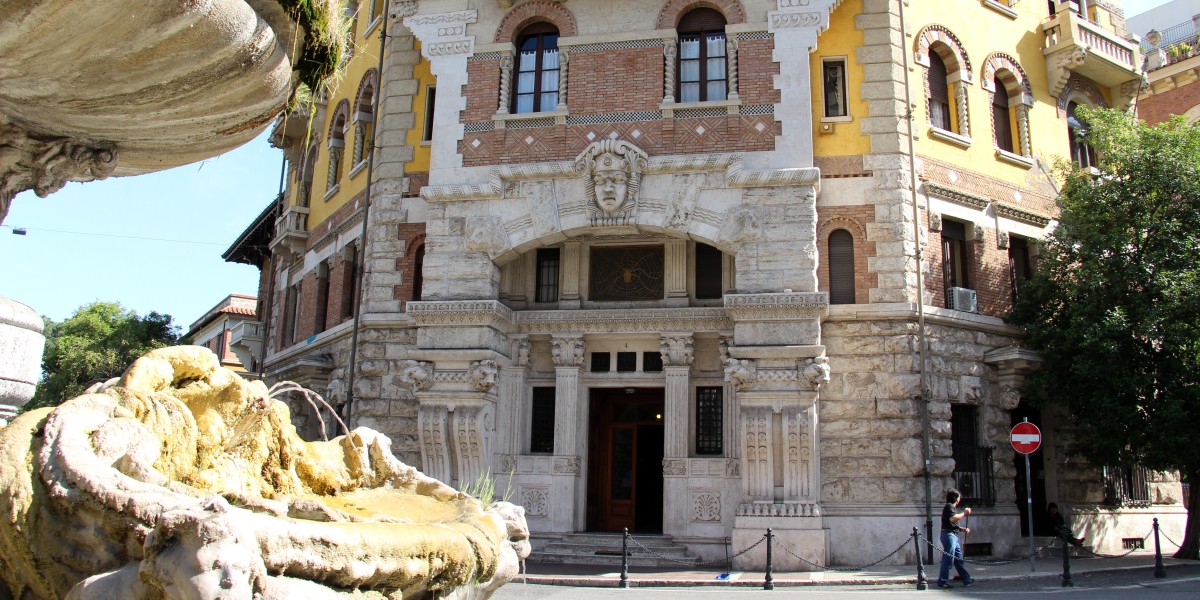
A whimsical pocket tucked inside Trieste, Coppedè blends Art Nouveau flourishes, faux‑medieval turrets and mosaic details around Piazza Mincio. It’s tiny, photogenic and residential, think fairy‑tale facades rather than big sights.
Best thing to do: An architectural treasure hunt around the Villino delle Fate and nearby facades — look for mosaics, creatures and inscriptions.
Don’t miss: Golden‑hour photos when the stonework glows and the piazza is quiet.
San Lorenzo
Studenty, scruffy‑creative and street‑art sprinkled, San Lorenzo has cheap bites, indie bars and artisan workshops. Daytimes are best for browsing studios and murals, while nights are lively on weekends. Not the prettiest, but full of character and value.
Where to start: Via dei Sabelli and Via dei Volsci for murals and small studios.
Local tip: Pair an afternoon wander with a reflective detour through the Verano Monumental Cemetery nearby.
Pigneto
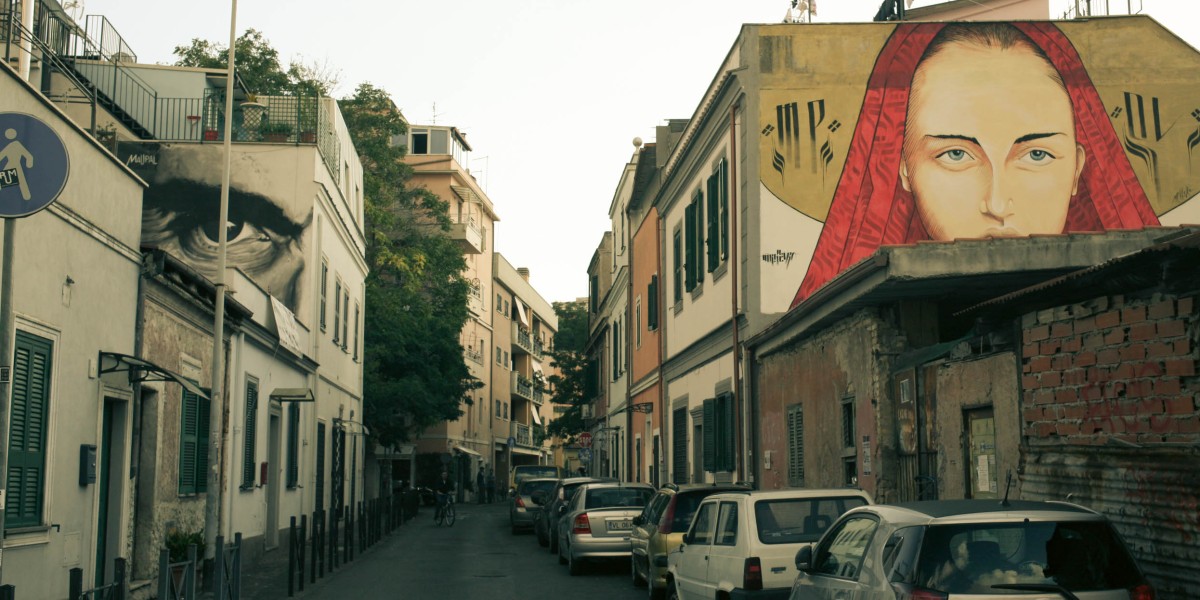
Eastside boho with café terraces and natural‑wine bars, Pigneto swings from lazy brunch to buzzy aperitivo. Hunt down murals off Via del Pigneto, then slip into a side street for dinner, where menus change daily. Edgier vibe, great for food‑forward explorers.
Where to start: The pedestrian strip on Via del Pigneto.
Local tip: Cross the tracks into the older core for quieter streets and better value at dinner. Late afternoon is the sweet spot before aperitivo.
Ostiense
Industrial bones turned cultural hub, Ostiense mixes the dramatic iron Gazometro, warehouse murals and unfussy trattorie. Peek at the street art, wander to Ponte Settimia Spizzichino, and nibble your way around old workers’ haunts.
Where to start: Via del Porto Fluviale for big murals and ex-warehouse fronts.
Local tip: Twilight flatters the Gazometro, so map a loop that ends by the River Tiber bend for wide-open views and fewer crowds.
Centocelle
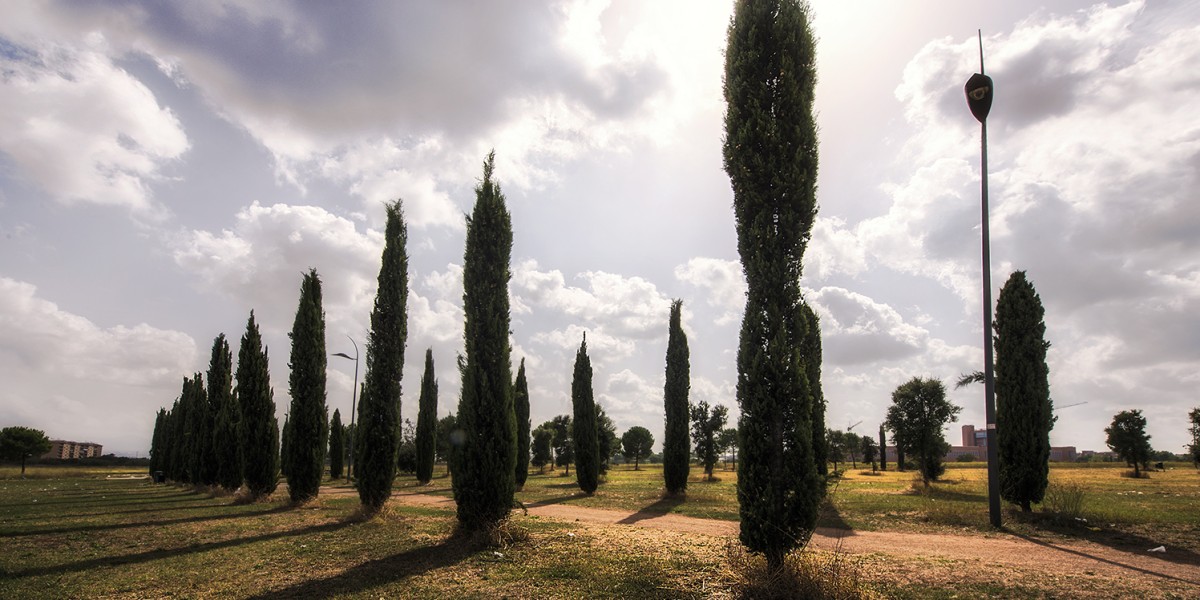
Further out and properly Roma, Centocelle has community markets and a rising craft‑beer scene. Stroll Parco di Centocelle for a breather, then aim for a neighbourhood pizzeria with wood‑fired pies. Low on tourist gloss, high on local rhythm.
Where to start: Via dei Castani for the local shopping strip and cafés.
Local tip: Take Metro C to Gardenie or Mirti, then wander to Parco di Centocelle for a breather before an early neighbourhood dinner.
Appio Latino
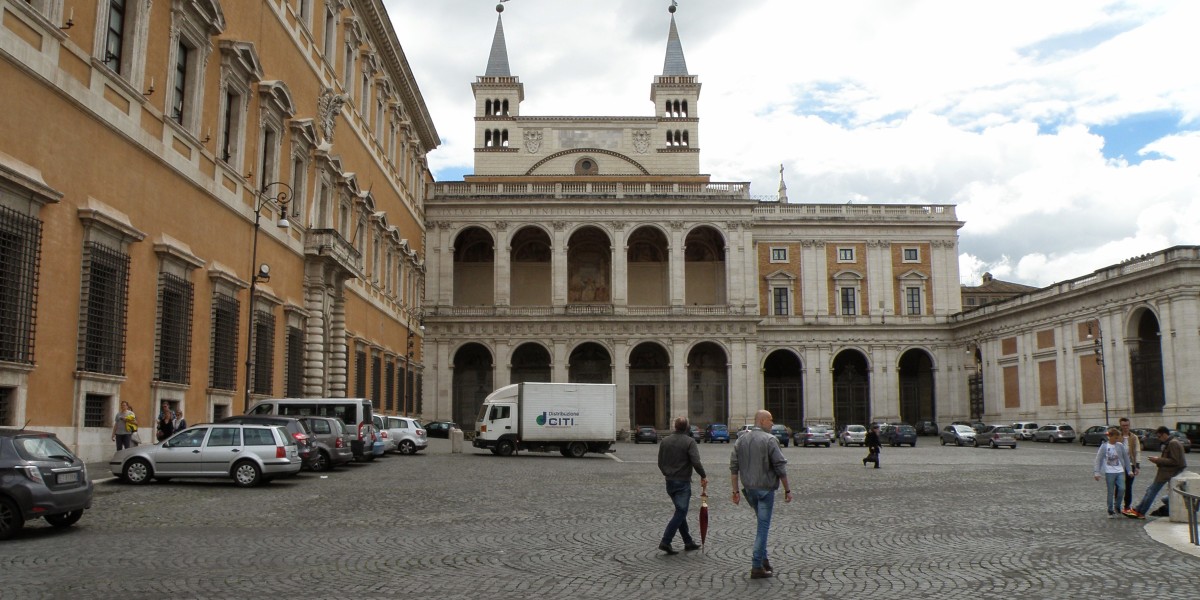
Quiet streets and the green bowl of Parco della Caffarella define Appio Latino. Perfect for a bread‑and‑cheese picnic beneath umbrella pines, with mellow cafés on side streets. Calm, family‑friendly and good value.
Where to start: The Via Latina or Largo Tacchi Venturi entrances into Caffarella.
Local tip: Bring a simple picnic and walk on to the Appian Way for honeyed light.
Stay in the know about visiting and living in Italy as a foreigner—get our weekly newsletter for the latest travel, legal, and lifestyle news.