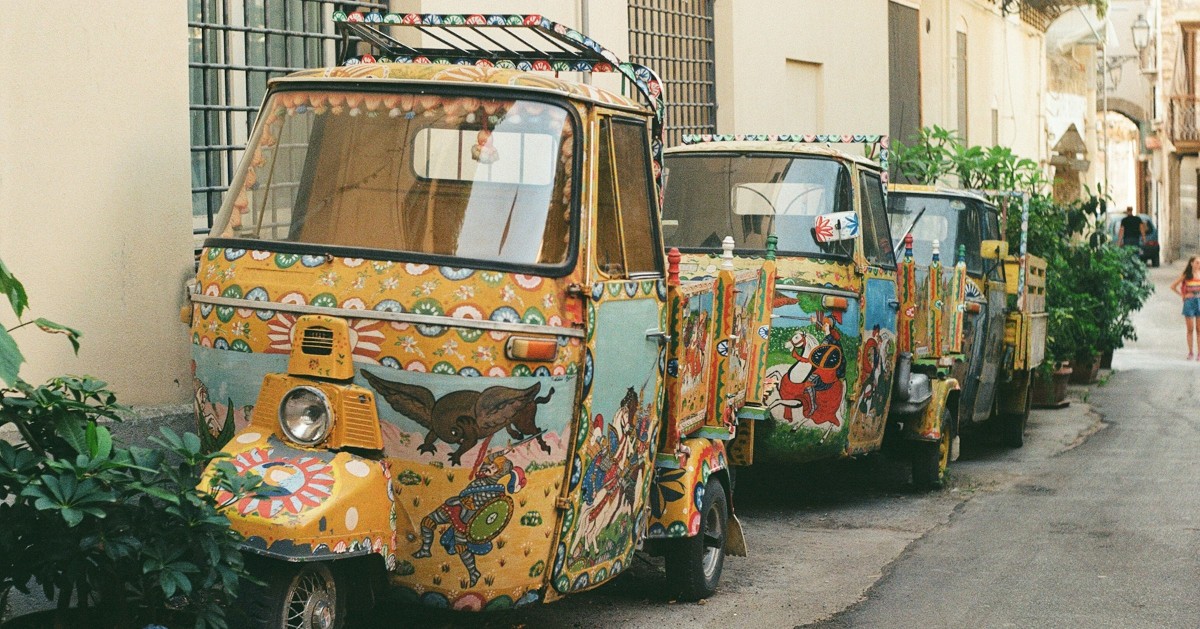
Florence is taking a decisive step to protect its historic heart. From 15th October 2025, the city will ban rickshaws, tuk-tuks, golf carts and other “atypical tourist vehicles” from circulating in its UNESCO-listed centre. The new regulation is part of a broader strategy to manage mass tourism, ease congestion and safeguard the city’s extraordinary cultural heritage.
What the rickshaw and tuk-tuk ban covers
Under the new rules, all rickshaws, tuk-tuks, golf carts and similar vehicles will no longer be allowed in the protected UNESCO area.
However, the city will grant a strictly limited number of permits for up to 24 electric tourist shuttles. These will have to:
- Be white and carry no more than eight passengers.
- Operate only on two pre-approved routes, with no unscheduled stops.
- Be officially registered with a travel agency or tour operator.
- Comply with strict safety and equipment standards.
This marks a shift away from loosely regulated tourist transport towards a controlled and uniform system designed to protect the city’s delicate infrastructure.
Why Florence is enforcing the ban
City officials have outlined several key reasons behind the move:
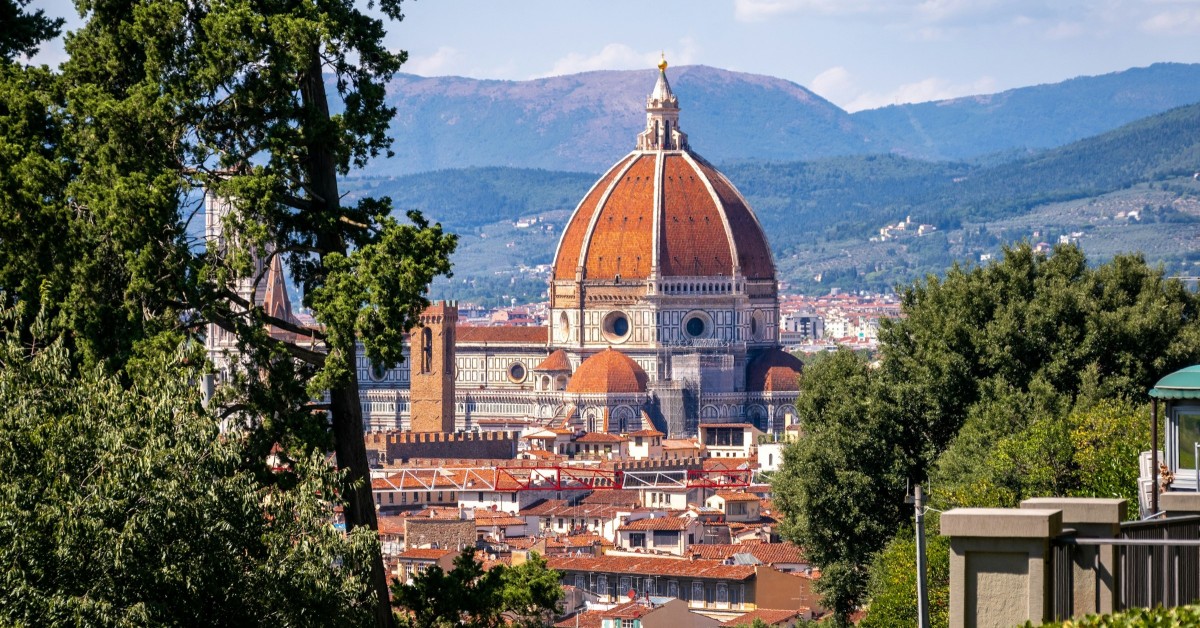
1. Protecting cultural heritage: Florence’s narrow medieval streets and fragile monuments are not designed to accommodate a growing fleet of motorised tourist vehicles like rickshaws and tuk-tuks. Reducing traffic helps to preserve historic structures, minimise vibrations and maintain the visual harmony of the cityscape.
2. Easing congestion: Residents have long complained about blocked pavements, crowded streets and excessive noise. By removing these vehicles, the city aims to make the centre more walkable and accessible for both locals and visitors.
3. Supporting sustainable tourism: This ban is part of Florence’s wider strategy to balance tourism with liveability. It aligns with regional tourism legislation that allows local authorities to regulate tourist mobility in the public interest.
4. Improving safety and regulation: Some vehicles have been operating in a legal grey area, with unclear standards. The new system provides clear rules and accountability, ensuring safety for passengers and pedestrians alike.
Public reactions and controversies
The decision has sparked debate across Florence.
- Rickshaw and tuk-tuk operators argue that the ban threatens their livelihoods. Many have invested heavily in vehicles and licences, and feel they are being unfairly penalised.
- Accessibility advocates are concerned that some users — including elderly tourists or families with young children — will have fewer transport options.
- Several operators are reportedly preparing legal appeals before the regional administrative court, seeking compensation or revisions to the regulation.
How the ban will be enforced
The city plans to enforce the new rules rigorously from 15 October 2025:
- Non-compliant vehicles will face fines of up to €500.
- Repeat offenders risk losing their licences or having vehicles impounded.
- From 1 April 2026, all authorised electric shuttles must also include a licensed tour guide or cultural operator on board.
What this means for visitors and locals
- For tourists: Expect a more peaceful, walkable historic centre. Traditional rickshaw and tuk-tuk rides will no longer be available, but a limited shuttle service will still offer guided routes.
- For residents: Less noise, fewer vehicles and improved pedestrian flow in the most crowded areas.
- For businesses: Operators will need to adapt — either by meeting the new standards or shifting to other tourism models.
- For heritage protection: The ban could serve as a model for other cities facing similar pressures from overtourism.
A turning point for Florence
Florence’s ban on rickshaws, tuk-tuks and other unconventional tourist vehicles is more than a traffic measure — it’s a statement about how the city wants to manage tourism in the future. By prioritising heritage preservation, liveability and sustainable tourism, the city aims to protect what makes it unique.
Whether this regulation will strike the right balance between local needs and tourist demand remains to be seen, but it clearly marks a new chapter in the way Florence manages its historic centre.