A tourist tax, often referred to as a city tax, is a small fee levied by municipalities on visitors staying in paid accommodation. Far from being an arbitrary charge, the tourist tax in Italy serves as a tool to manage the impacts of a high volume of travellers.
What is the Italian tourist tax?
The Italian tourist tax, known locally as the imposta di soggiorno or tassa di soggiorno, is a legally mandated levy that visitors are required to pay for overnight stays in any given municipality.
Alongside these overnight levies, 2026 brings new or expanded access charges at some of Italy’s best-known landmarks, as cities seek to manage crowding and pay for upkeep.
Understanding the city tax in Italy
The city tax is calculated on a per-person, per-night basis, and the cost can vary significantly from one city to another.
Who is required to pay the tax for tourists in Italy?
The liability for the city tax extends to nearly all non-resident visitors staying overnight in a municipality that enforces it.
How much is the tourist tax in Italy?
Each municipality determines its own fee structure. The final amount a visitor pays depends on several factors, including the city, the type and star rating of the accommodation, and sometimes the time of year. Many destinations cap the tax after a set number of consecutive nights, typically between five and fourteen.
Tourist tax in Rome
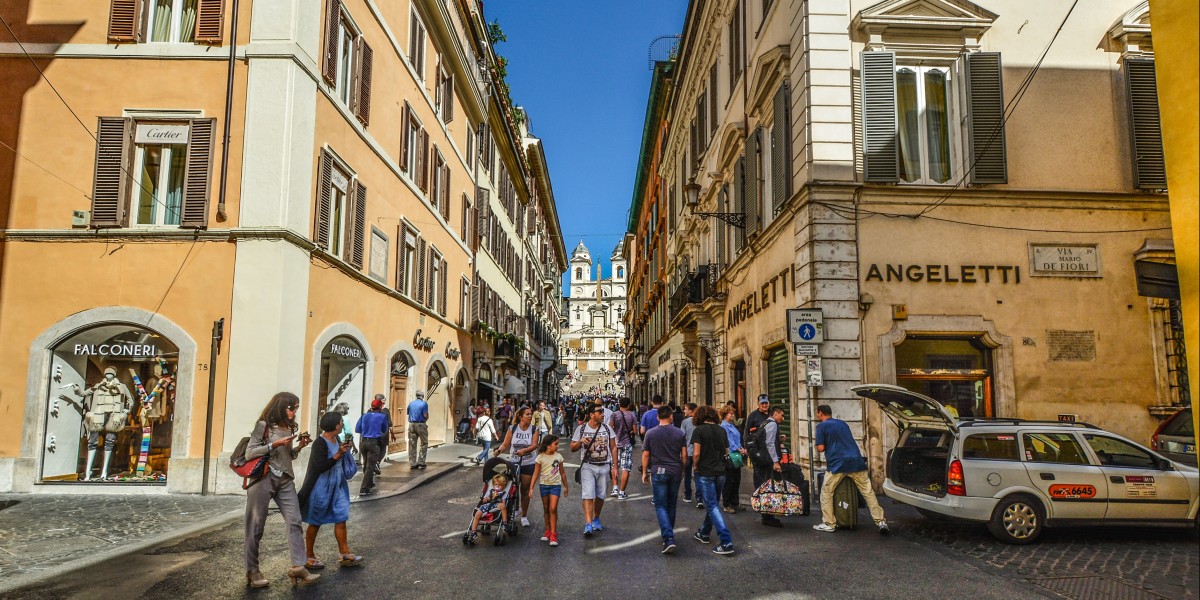
Rome’s overnight tourist tax continues to be based on the category of accommodation, ranging in 2026 from €10 per person per night in five-star hotels down to €3 in campsites, and is generally applied for a maximum of 10 consecutive nights
Entry fee to visit the Trevi Fountain
From 1st February 2026, Rome is also adding a separate €2 access ticket for the Trevi Fountain. Non-residents must buy a ticket to enter the basin area directly in front of the fountain during set hours.
The Trevi Fountain is one of six Rome monuments and museums becoming paid attractions in 2026. Expect to pay to visit:
- Giovanni Barracco Museum of Ancient Sculpture
- Carlo Bilotti Museum
- Pietro Canonica Museum
- Napoleonic Museum
- Villa of Maxentius
Tourist tax in Milan
Milan’s tourist tax is tiered by accommodation category, and in 2026, it will rise significantly in areas near the Winter Olympics venues. The increase applies for one year from 1st January 2026 and affects accommodation within 30 kilometres of Olympic sites.
Updated nightly charges per person range from €3 in campsites, €4 in 1-star hotels, to €10 in 4-star and 5-star tourist hotel residences.
Tourist tax in Venice
Venice continues to apply a standard overnight tourist tax on stays in hotels, guesthouses and short-term rentals.
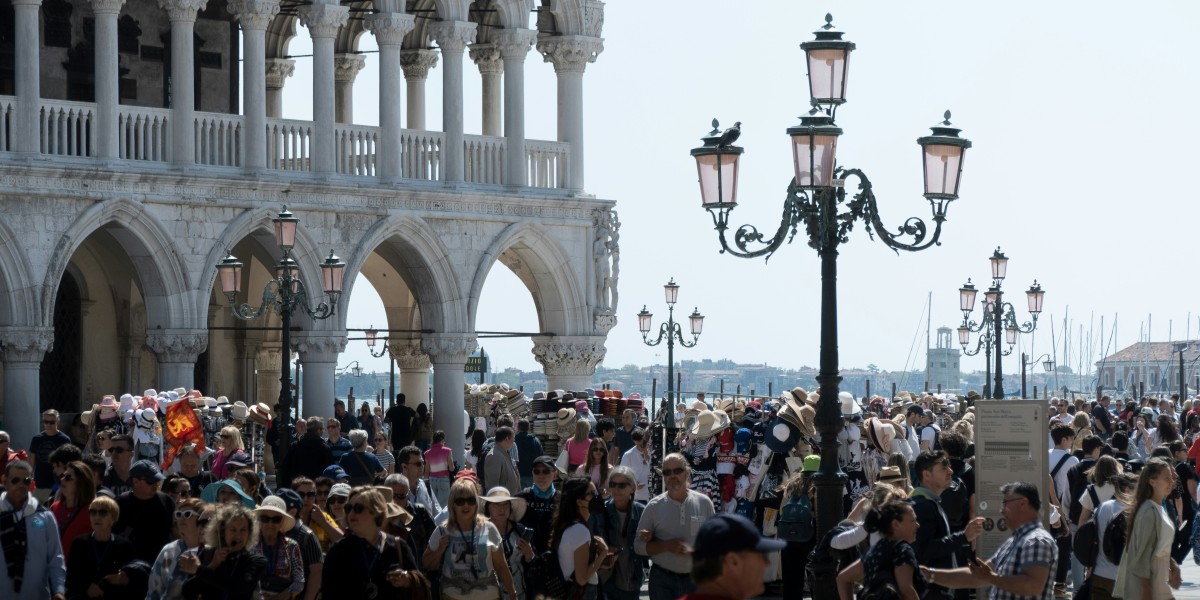
The city is also expanding its day‑tripper entry fee in 2026. The measure will apply to 60 peak days between early April and late July, up from 54 days in 2025 and 29 when the system started.
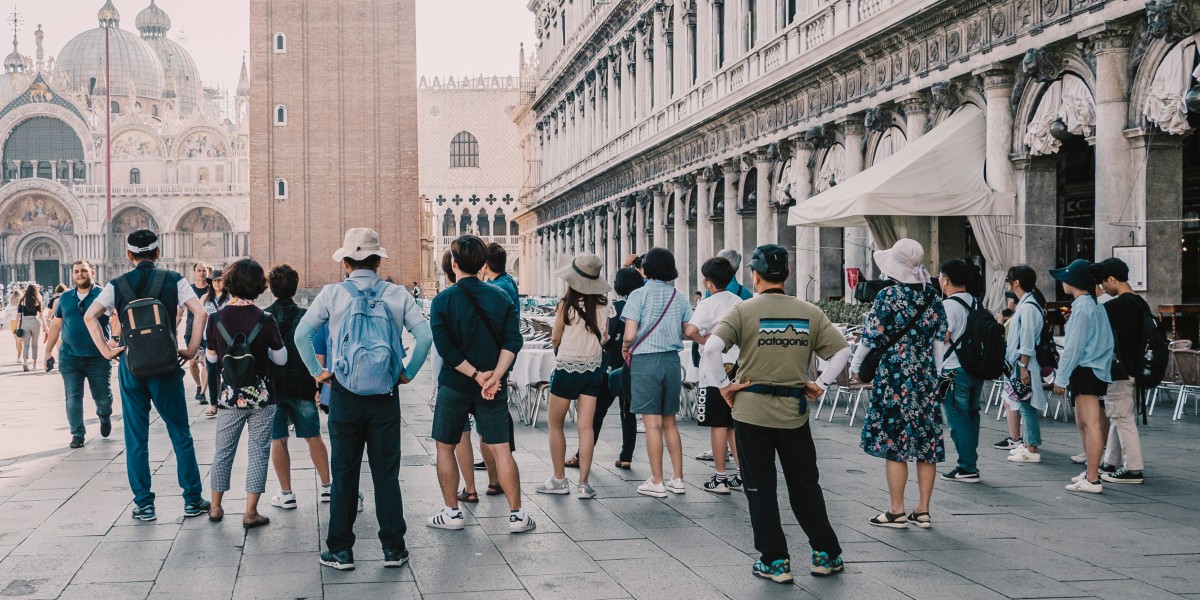
On selected days from 3rd April to 26th July 2026, visitors entering Venice’s historic centre between 08:30 and 16:00 must pay a €5 access charge.
Tourist tax in Florence
Florence operates a long-established tourist tax on overnight stays. The system includes:
- 5-star hotels, tourist hotel residences and high-end farm stays, typically around €8 per person per night.
- A large group of mid-range options, including many B&Bs, holiday flats and room rentals, at a standardised rate of €6.
- Campsites and 1-star hotels at the lowest end, with charges around €3.50, and youth hostels slightly higher.
The tax is generally collected for a maximum of 7 consecutive nights, with exemptions for younger children and certain categories of visitors.
Tourist tax on the Amalfi Coast
On the Amalfi Coast, municipal tourist taxes vary from town to town, but the structure in Sorrento, one of the area’s main hubs, is indicative of wider practice:
- Guests in 5-star hotels pay €5 per person per night.
- A flat fee of about €4 typically applies to B&Bs and other non-hotel accommodation, such as holiday apartments.
- The lowest rate, around €1.50, applies to campsites, hostels and hotels rated three stars or below.
These charges are usually capped after a limited number of nights.
Tourist tax in Naples
From 1st March 2025, Naples introduced higher tourist tax rates. The levy is tiered by accommodation type:
- 5‑star hotels charge €6 per person
- Non‑hotel accommodation is set at €4.50 per person
- Short-term rentals pay €5 per person.
Other hotels pay between €3 and €5.50.
Tourist access fee for Juliet’s Balcony in Verona
Verona is moving to a paid system for visits to Juliet’s House and balcony after years of free access to the courtyard and intense overcrowding. A €12 ticket for the house‑museum, including the balcony, was introduced during the 2025 festive period.
How to pay the tourist taxes in Italy
The tourist tax is normally collected directly by the accommodation provider. The fee is rarely included in the headline price shown on booking platforms. Instead, it is handled locally as a separate line item, usually requested either at check-in or when settling the final bill at check-out.
Paying the city tax in hotels vs. on Airbnb
For hotel stays, the process is usually standardised: the amount due is calculated automatically according to the length of stay and the number of guests.
For stays in Rentalia properties, Airbnbs and B&Bs, the process can be more varied. Some hosts may use the platform’s tools to record or request the tax, but it is still common for them to ask for payment in person on arrival or departure.
Stay in the know about visiting and living in Italy—get our weekly newsletter for the latest travel, legal, and lifestyle news.
For a taste of the high life, sign up for the monthly luxury market round-up.