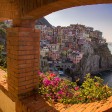
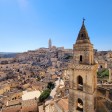
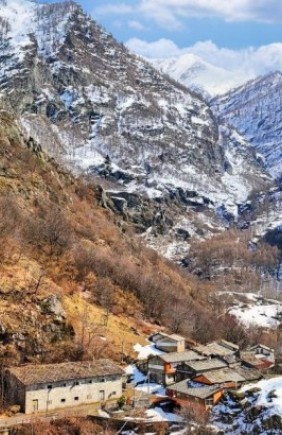
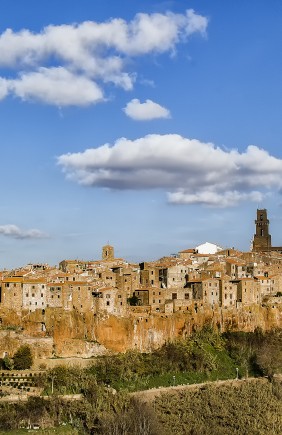
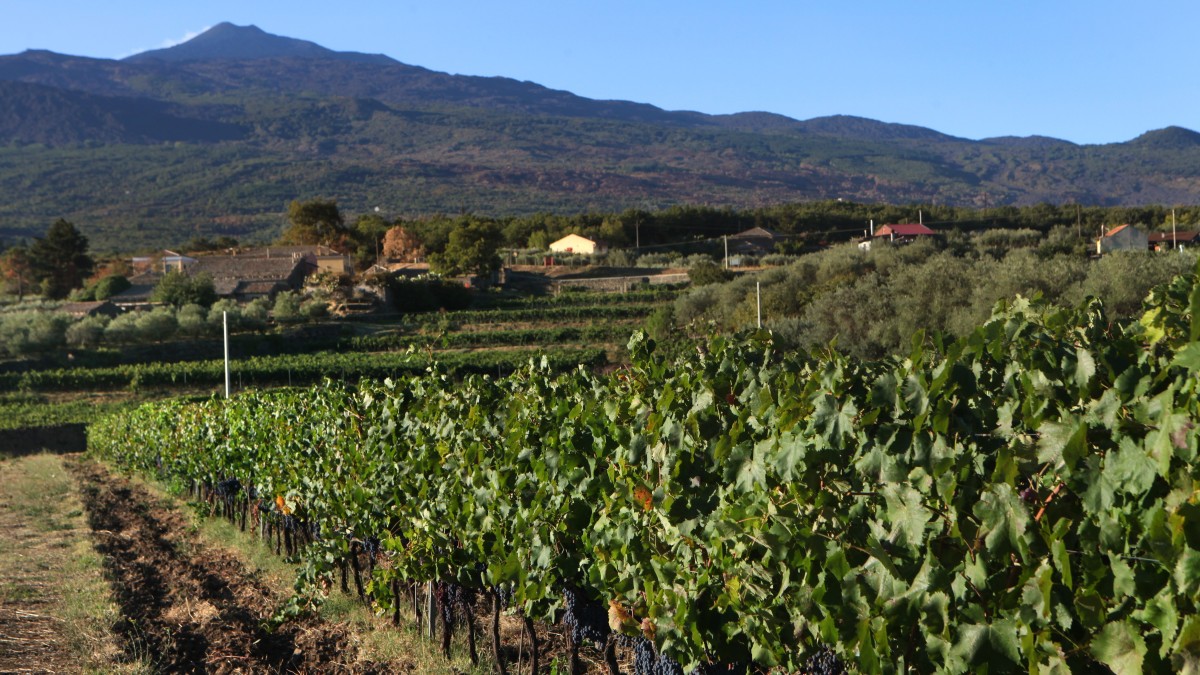
As you make your way up the volcano along dry-stone walls, lava-stone roads, and through historic hamlets, you’ll discover lush vineyards. Differences in altitude, sun exposure, and soil give rise to wines with a truly unique character, telling the story of Europe’s highest active volcano. To enjoy some excellent Etna DOC wines, here’s what you need to know about the Etna Wine Route and the must-visit villages.
Wine villages on Etna
Etna’s villages boast a rich agricultural history and are perfect for exploring typical Sicilian wines and local delicacies. Highlights include:
- Linguaglossa: The natural gateway to the northern slopes, full of old workshops, wine presses, and historic wine cellars.
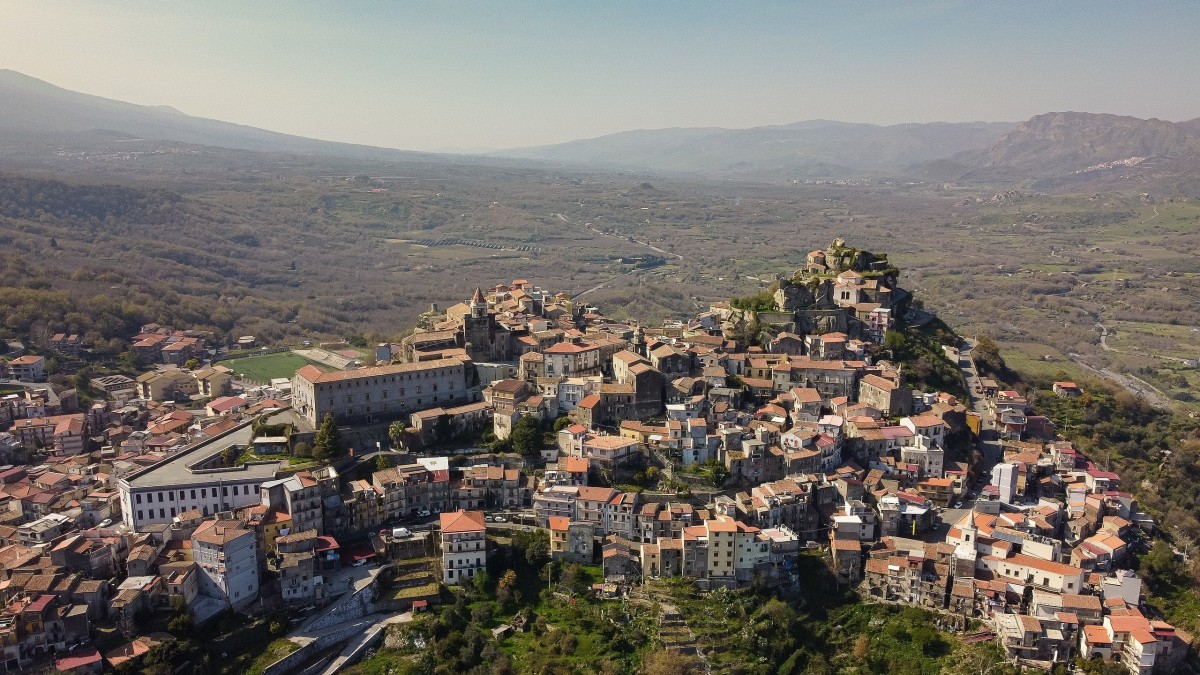
- Castiglione di Sicilia: One of Italy’s most beautiful villages, with a medieval castle, scenic alleyways, and terraces overlooking the vineyards.
- Randazzo: The “black city” of lava stone, 700 m above sea level, with historic quarters and Norman churches.
- Milo: Famous for Etna Bianco Superiore, overlooking the Ionian Sea. Weather permitting, there are plenty of trails in Etna Park to explore.
- Zafferana Etnea: An elegant village at the foot of the south-eastern craters, renowned for its honey and local produce.
Wines worth tasting
Etna DOC, one of Italy’s oldest appellations, offers a surprising variety of wines: elegant reds, whites, and rosés, often grown on sandy volcanic soils. Key types include:
- Etna Rosso: Made from Nerello Mascalese and Nerello Cappuccio, with cherry aromas and smoky notes. Pairs beautifully with white meat, mushrooms, or rabbit.
- Etna Rosato: Also from Nerello Mascalese, with aromas of wild strawberry, pomegranate, and a hint of salt. Perfect with tuna tartare, caponata, or traditional Sicilian cheeses.
- Etna Bianco: Carricante and Catarratto grapes create a citrusy, mineral wine that goes well with fish, raw seafood, or grilled vegetables.
- Etna Spumante: Made from Nerello Mascalese and Carricante, with fine bubbles, citrus notes, and a hint of bread crust. Excellent with aperitifs, fried fish, or arancini.

Wineries to visit Etna
Along the Etna Wine Route, you’ll find both historic estates and innovative new winemakers. Some notable wineries include:
- Benanti (Viagrande)
- Graci (Passopisciaro)
- Tenuta delle Terre Nere (Randazzo)
- Cottanera (Castiglione di Sicilia)
- Pietradolce (Solicchiata)
- Barone di Villagrande (Milo)
- Gambino (Linguaglossa)
Best time to visit
Etna experiences four very different seasons, each offering a unique perspective on winemaking.
- Spring (April–June): Vines are in bloom, the weather is mild, and it’s ideal for trekking between the villages or attending events such as “Cantine Aperte”.
- Summer (July–August): Warm days and cooler evenings at altitude. Tastings can stretch until sunset, but it’s best to book in advance due to high demand.
- Autumn (September–October): Harvest time brings variable weather and intense aromas. Some wineries may limit visits.
- Winter (November–March): Cold and occasional snow make it perfect for indoor tastings and cosy tours.
Where to stay close to the Etna Wine Route
Where you stay can make all the difference if you want to enjoy the Etna routes at a relaxed pace. On the northern slope, Linguaglossa or Castiglione di Sicilia are ideal. On the eastern slope, Milo and Zafferana Etnea offer sea views, restaurants, and proximity to the vineyards. Rentalia has the latest holiday rental options along the Etna Wine Route.