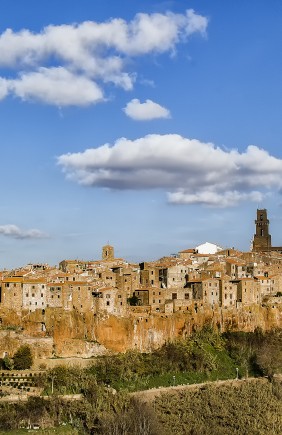
If you ever needed an excuse to open a bottle of Italian wine, this is it. Italy has held onto the top spot as the European Union’s largest wine producer, and it is still one of the engines behind Europe’s wine exports.
The EU wine sector in numbers
Before getting into Italy’s position, it is worth understanding just how important wine is at the EU level. Between 2020 and 2025, the European Union turned out around 157 million hectolitres of wine a year on average, according to the European Commission. In 2023, EU vineyards covered roughly 44% of the world’s wine-growing area, and the bloc accounted for more than 60% of global wine production.
Wine is not just a cultural symbol. It is a major business. In 2024, wine was the EU's third-largest agri‑food export sector. In value terms, EU wines add up to around two-thirds of the global wine trade.
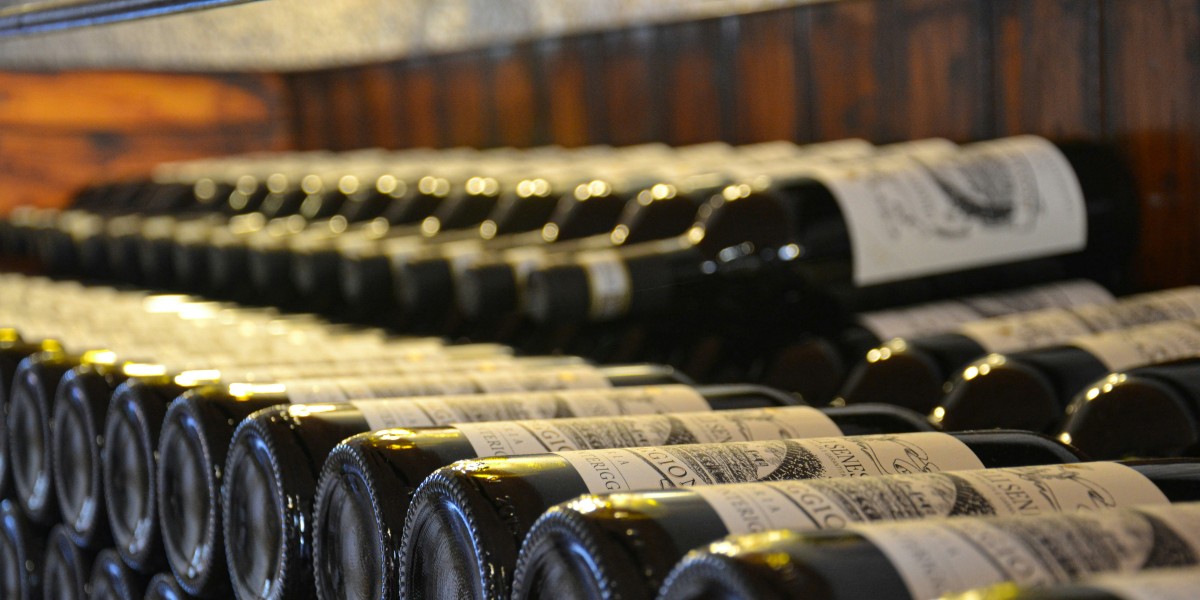
Italy’s wine production in 2024 and 2025
Italy’s place in that EU story is pretty central. It consistently sits near the top of global league tables for wine production and has a long tradition of exporting to just about everywhere that drinks wine.
Italy vs France and Spain: who makes the most wine?
Within the EU, the comparison everyone makes is Italy against France and Spain.
Recent estimates for the 2024/2025 wine year by the European Commission show Italy on about 41 million hectolitres, ahead of France at roughly 39.3 million and Spain at about 38.1 million. Those three countries together account for around 80% of all wine produced in the EU.
Forecast for 2025: Italy still on top
Looking ahead, the latest forecasts suggest Italy is not about to lose that lead. Farming union Copa‑Cogeca expects overall European wine production to creep up by about 1% in 2025.
Within that slightly fragile picture, Italy stands out. Its 2025 production is projected at about 47 million hectolitres, which would be an increase of roughly 8% on the previous year.
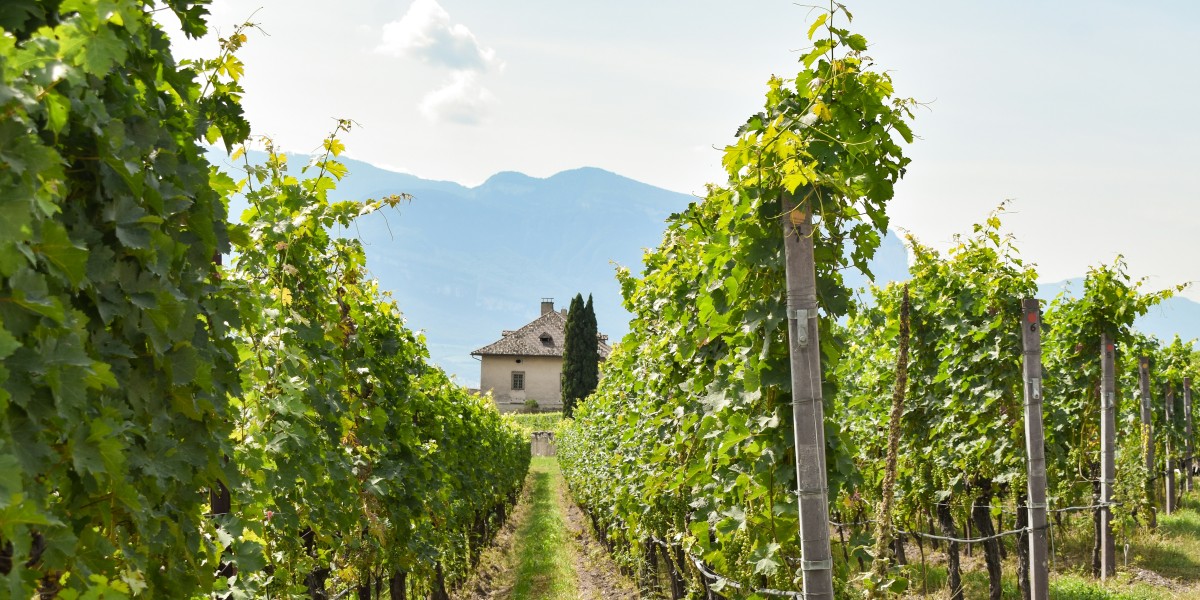
European wine production under pressure
Wine volumes may edge up, but they are still below historic norms. EU wine production in 2024–25 is estimated at around 143 million hectolitres, roughly 10.4% below the previous five‑year average
Climate extremes are the obvious main factor. In recent years, European winemakers have had to deal with spring frosts, heatwaves, droughts and violent storms. Any of those can seriously cut yields in a single season. On top of that, trade tensions and tariffs have affected some export markets, and demand is not growing the way it used to in certain countries.
What Italy’s wine leadership means on the ground
Italy’s leadership in EU wine production translates into a particular kind of rural economy. In regions like Piedmont, Tuscany, Puglia and Sicily, vines are a core part of how people earn a living.
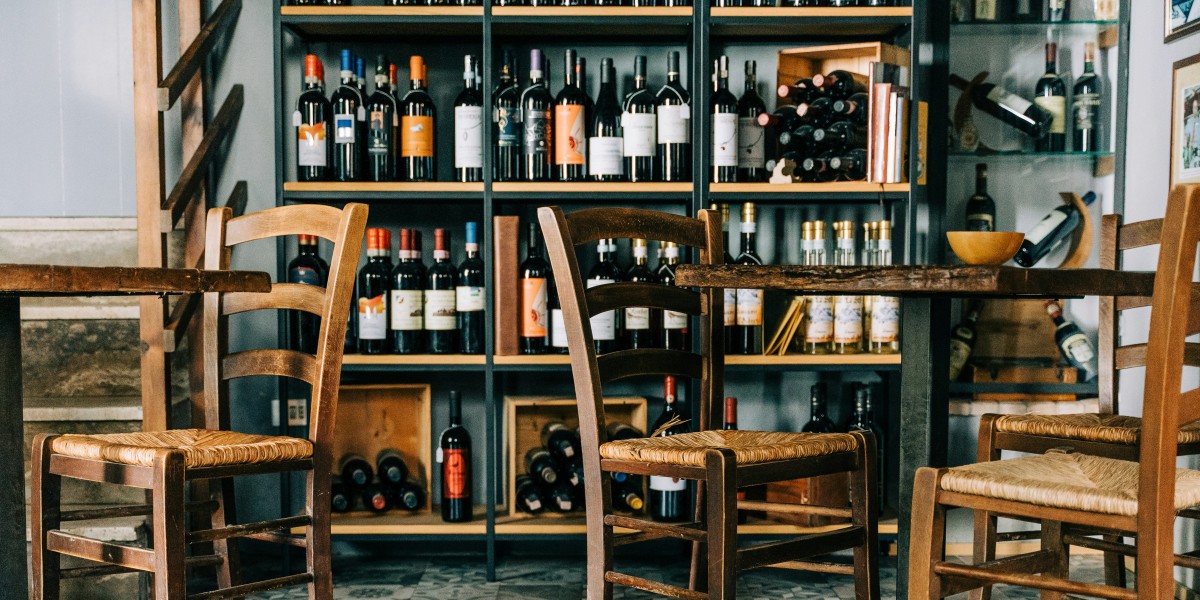
Some of the best wineries and vineyards in Italy are open to the public for tastings and tours. Many estates now offer stays and even scenic vineyard walking trails, which means more year-round income for small towns rather than everything hanging on harvest alone
Stay inspired for your travels in Italy —get our weekly newsletter for the latest travel, legal, and lifestyle news.