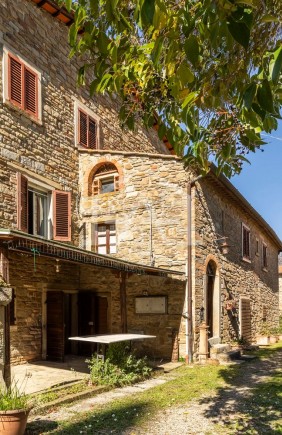
Tourism in Italy continues to grow as 2025 comes to a close, with new data confirming its crucial role in the country’s economy and a clear shift in traveller preferences. According to the latest Italia Destinazione Digitale 2025 report by The Data Appeal Company, visitor satisfaction has reached record levels — and the future of Italian tourism may lie in the hands of its small villages and lesser-known destinations.
- Tourism drives Italy’s economic growth
- Experience quality remains Italy’s strongest asset
- Slow tourism and local identity reshape travel trends
- Territorial marketing becomes essential for competitiveness
- Small villages call for visibility
- Travel creators become the new ambassadors
- A more inclusive tourism model
- Italy’s tourism future lies beyond major cities
Tourism drives Italy’s economic growth
Between January and July 2025, Italy recorded 268.4 million overnight stays, a 5.7% increase compared with the same period in 2024. ENIT, the National Tourism Agency, estimates that:
- Visitor spending could reach €185 billion by the end of the year
- Employment in the tourism sector may rise to 3.2 million people
- Tourism could contribute €237.4 billion to Italy’s GDP
Long-term forecasts are even more positive, projecting up to 3.7 million workers and €282.6 billion in generated value within the next decade.
Experience quality remains Italy’s strongest asset
The report also highlights a high satisfaction score of 82.3 out of 100, signalling strong visitor appreciation for Italy’s cultural heritage, food, landscapes and hospitality.
However, it also reveals an important trend: travellers are increasingly seeking authentic, “real” experiences, often found in:
- Rural areas
- Inland regions
- Historic villages
- Smaller, community-led destinations
This shift reflects the global rise in slow tourism — a travel style that prioritises local culture, meaningful interaction and a sustainable pace.
Slow tourism and local identity reshape travel trends
“Tourism is changing rapidly,” says tourism marketing expert Federica Argentieri. She believes Italy is well positioned to lead this evolution by focusing on experiences that highlight the identity, stories and traditions of each territory.
Public initiatives are already supporting this direction. One example is the Ministry of Culture’s project to create a national community focused on local and proximity tourism, using personal stories and digital content to promote lesser-known destinations.
Territorial marketing becomes essential for competitiveness
The growing demand for personalised, story-led travel experiences is transforming tourism marketing into a strategic development tool.
Recent investments include:
- €114 million allocated to the Digital Tourism Hub through the NRRP
- Funding from the Tourism Business Revolving Fund for innovation and sustainability
- Regional efforts to strengthen digital promotion and destination storytelling
For Italy’s regions, effective communication is increasingly tied to economic competitiveness.
Small villages call for visibility
“Many villages don’t succeed because they lack a narrative, not because they lack appeal,” Argentieri notes. Helping local communities tell their stories is now seen as essential for unlocking tourism potential.
User-generated content and travel creators are playing a major role in this transformation.
Travel creators become the new ambassadors
Italy boasts a growing number of influential creators, including:
- Take My Heart Everywhere
- ItalianPlaces
- BorghItalia
Many count over one million followers and specialise in showcasing hidden corners of Italy, small towns and off-the-beaten-path routes — offering valuable exposure for sustainable tourism and local traditions.
A more inclusive tourism model
Accessibility is another key pillar of Italy’s tourism transformation. “Real innovation means making tourism accessible to everyone,” Argentieri stresses, highlighting persistent challenges for visitors with visual, hearing or mobility impairments.
In response, the Ministry of Tourism has launched the programme “Small Municipalities with a Tourism Focus”, investing €34 million in villages with fewer than 5,000 residents. The aim is to improve:
- Accessibility
- Sustainable mobility
- Urban regeneration
Italy’s tourism future lies beyond major cities
From economic growth to rising visitor satisfaction, the data confirms that Italy remains one of Europe’s most desirable destinations. Yet the real opportunity for the coming years lies not just in iconic cities like Rome, Venice or Florence, but in the thousands of villages, landscapes and communities that embody the country’s identity.