Living in Tuscany still tops a lot of wish lists. When people start looking at the best places to live in Tuscany, they tend to focus on practicality rather than postcard looks alone. In reality, most foreigners usually settle in towns with reliable transport, year‑round life and some international presence.
Is Tuscany a good place to live?

Tuscany suits people who value routine, food culture and a slower rhythm over convenience and speed. Daily life revolves around meals, local markets and seasonal habits, and things like admin or repairs often take longer than newcomers expect. Healthcare is reliable, especially near larger towns, and trains link the main cities well, but a car becomes essential in rural areas.
Best towns in Tuscany for expats
Most expats in Tuscany gravitate towards established towns and small cities such as Florence, Lucca and Pisa, where there’s a year‑round population, decent transport and everyday services. These places tend to feel more liveable than isolated hill villages, while still keeping a strong Tuscan identity.
Florence
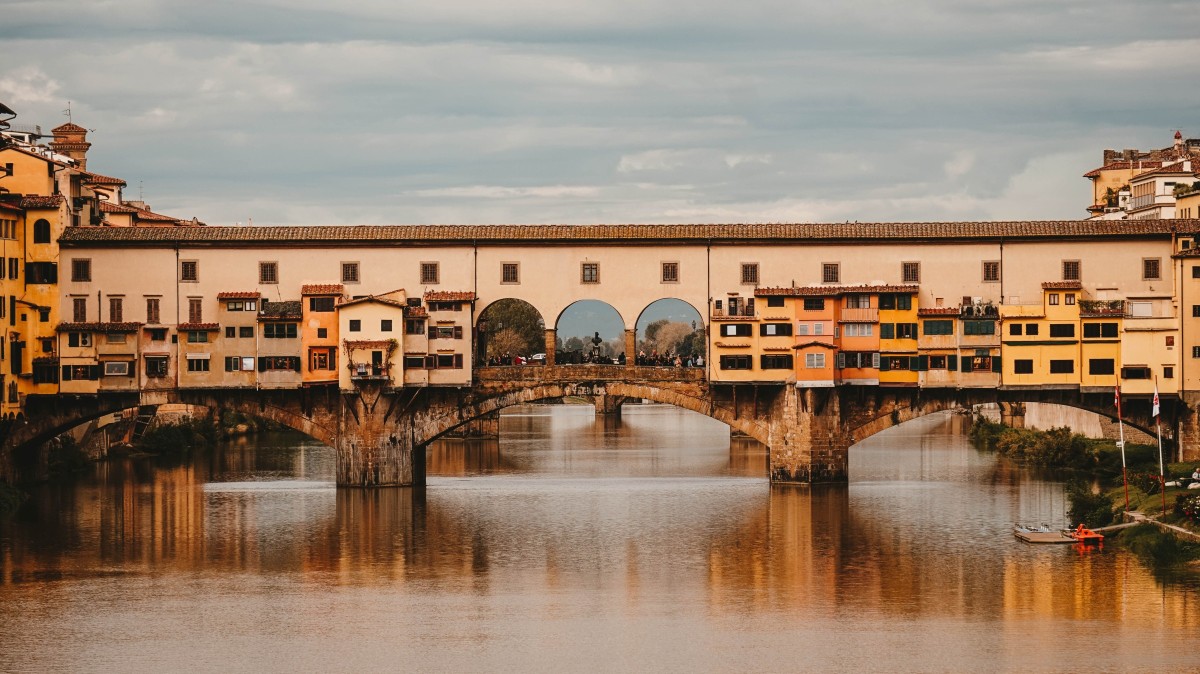
Florence works well for those who want culture, jobs and international schools in one place. It has reliable trains, hospitals and a steady foreign community, but rents are high, and tourism affects daily life. Living just outside the historic centre makes things more manageable.
A good option if work, services and connections matter more than space.
Lucca
Lucca is popular with long‑term expats who want something calmer but still walkable. The walled centre feels lived‑in rather than overrun, and the train line makes Pisa and Florence easy day trips. It can feel quiet in the evenings, and property inside the walls isn’t cheap.
Well-suited to slower routines and permanent living.
Pisa
Pisa is more than its leaning tower and feels like a functioning university town. Prices are lower than in Florence, the airport is a real advantage, and daily life stays active all year. Some areas are scruffier than visitors expect.
A practical base with good connections and fewer tourists.
Arezzo
Arezzo attracts people looking for value without going fully rural. It has a strong local identity, a decent train station and lower property prices than northern Tuscany. English isn’t widely spoken, which suits some and puts others off.
Best for those happy integrating into local life.

Siena
Siena is beautiful but tightly regulated, especially within the historic centre. It’s quieter, more traditional, and better for those who don’t need nightlife or frequent travel. Renting can be tricky due to student demand.
Works best if aesthetics matter more than convenience.
Montepulciano
Montepulciano appeals to retirees and remote workers who want a classic hill town setting. Life is slower, a car is essential, and winters can feel long. Community matters here, especially outside tourist season.
A good fit for those settled into a quieter phase of life.
Viateggio
Viareggio offers a coastal alternative with a proper year‑round population. Trains run along the coast and up to Pisa and Florence, and daily life feels more Italian than resort‑focused. Summer crowds are intense near the beach.
Ideal if sea air and flat walking matter.
The cost of living in Tuscany
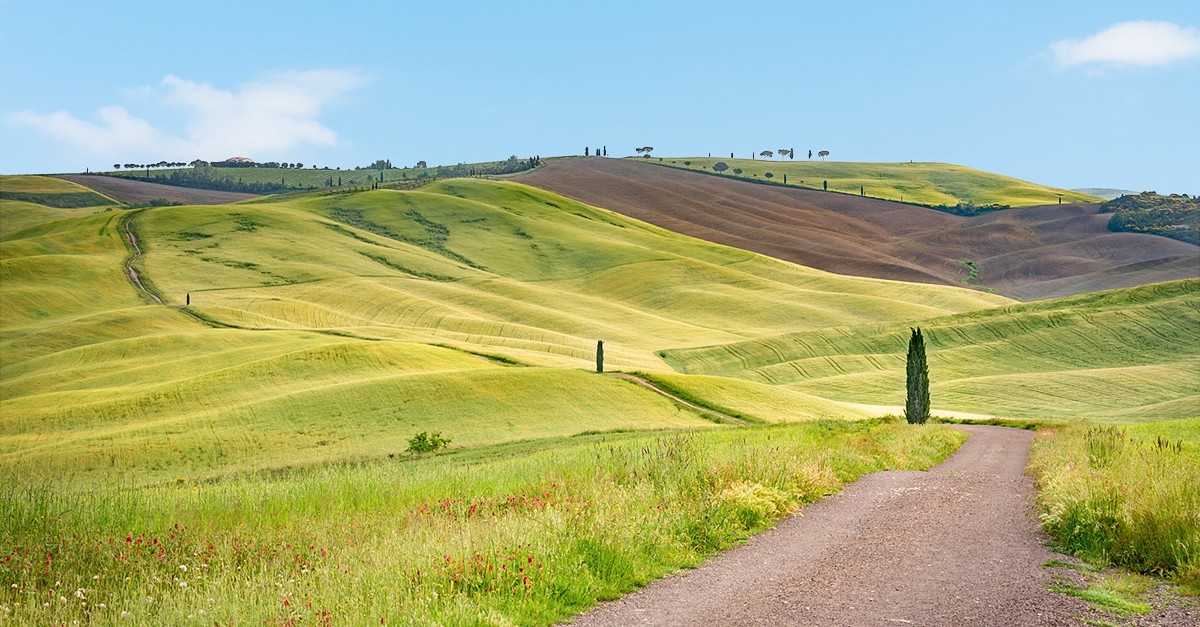
The cost of living in Tuscany varies sharply depending on location. The region is the fourth most expensive in Italy on average when it comes to buying property. According to Numbeo, Florence sits roughly between Rome and Milan in terms of cost of living. However, living in the Tuscany countryside will lower your expenses considerably.
- Florence and Lucca sit at the top end for rent and property
- Arezzo or areas outside Pisa are noticeably cheaper
- Housing: renting a one‑bedroom apartment in a Tuscan city centre typically starts closer to €900–€1,400 per month, while rents drop noticeably outside urban hubs.
- Utilities: basic utilities for an 85 m² apartment generally average around €200 per month, with costs creeping higher in winter due to heating in older buildings.
- Food: a main course in an inexpensive restaurant costing around €15–€20, and a three‑course meal for two at a mid‑range restaurant usually costs between €60 and €80.
Is Tuscany a good place for expats to retire?
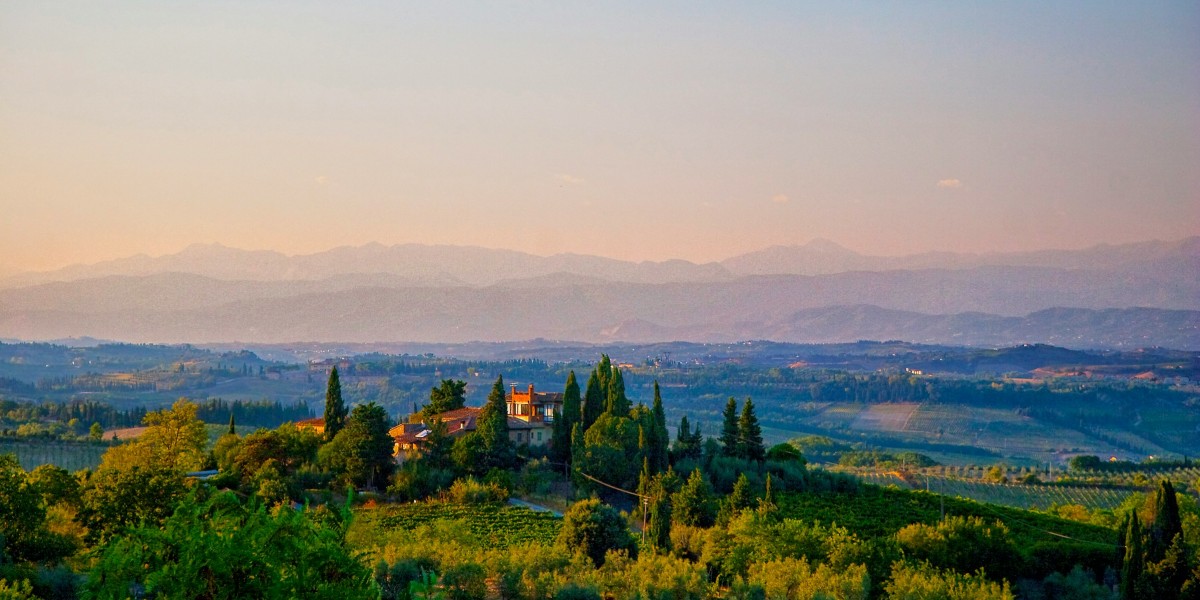
Tuscany remains one of the best places to retire to in Italy in 2026, particularly if daily convenience matters as much as scenery. Healthcare access, walkability and social connection are strong points here, especially in medium‑sized towns, where hospitals, local clinics and pharmacies are easy to reach.
Many historic centres are compact and flat enough for everyday walking, while established foreign communities and local clubs make it easier to build a routine and avoid isolation.
Stay in the know about living in Italy as a foreigner—get our weekly newsletter for the latest travel, legal, and lifestyle news.
For a taste of the high life, sign up for the monthly luxury market round-up.