Naples is world-famous for its history, culture and extraordinary monuments. Yet the city’s most authentic character emerges when you step away from the classic sightseeing paths. From breathtaking viewpoints to secret underground passages, these lesser-known spots showcase a different Naples — one that continues to surprise even seasoned visitors.
If you want to explore an unusual Naples, these eight places deserve a spot on your itinerary.
- Palazzo Mannajuolo: the Art Nouveau gem with a stunning staircase
- Belvedere of Mount Echia: one of Naples’ best panoramic views
- Bourbon Tunnel: the hidden Naples underground
- Pausilypon Archaeological Park: ancient ruins with sea views
- Fontanelle Cemetery: Naples’ most atmospheric ossuary
- Pignatelli Museum: step inside a noble residence
- Pedamentina di San Martino: the scenic historic staircase
- Baia Underwater Park: the submerged Roman city
- Living in Naples: why more people are moving here
Palazzo Mannajuolo: the Art Nouveau gem with a stunning staircase
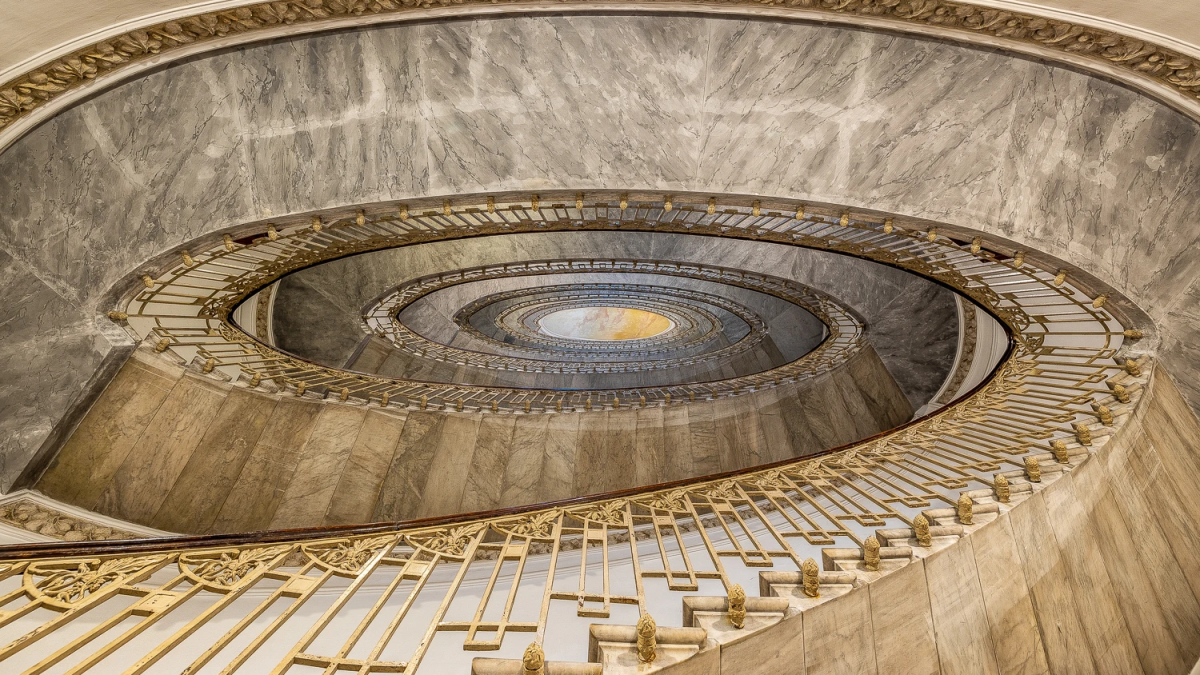
A must-see in the Chiaia district is Palazzo Mannajuolo, one of the city’s most elegant Art Nouveau buildings. Its spectacular spiral staircase has made it a favourite with architecture lovers and photographers alike.
Located on Via Filangieri, between Piazza Amedeo and Via dei Mille, the palace is easily reached on foot from Piazza Amedeo metro station (Line 2) or with a short uphill walk from Piazza del Plebiscito. While you’re here, take time to stroll around Chiaia, known for its boutiques, historic cafés and refined atmosphere.
Belvedere of Mount Echia: one of Naples’ best panoramic views
Thanks to its unique geography, Naples offers countless scenic viewpoints. Among the most impressive is the Belvedere of Mount Echia, where you can admire Castel dell’Ovo, the Bay of Naples, Mount Vesuvius and Posillipo in a single sweeping view.
Located in the Pizzofalcone district, the viewpoint can be reached on foot from Via Chiatamone or Piazza del Plebiscito. A convenient lift takes visitors to the top, making the experience accessible to everyone.
Bourbon Tunnel: the hidden Naples underground
Naples is just as fascinating below ground as it is above. The Bourbon Tunnel is a remarkable network of tunnels and cisterns carved into tuff rock in the 19th century. Originally designed to connect the Royal Palace with military barracks and provide an escape route for the royal family, the space later served as an air-raid shelter during the Second World War.
Today, the tunnel can be visited on guided tours suitable for different interests and fitness levels. It is located in the city centre, with popular entrances on Via Domenico Morelli and Vico del Grottone, near Piazza del Plebiscito.

Pausilypon Archaeological Park: ancient ruins with sea views
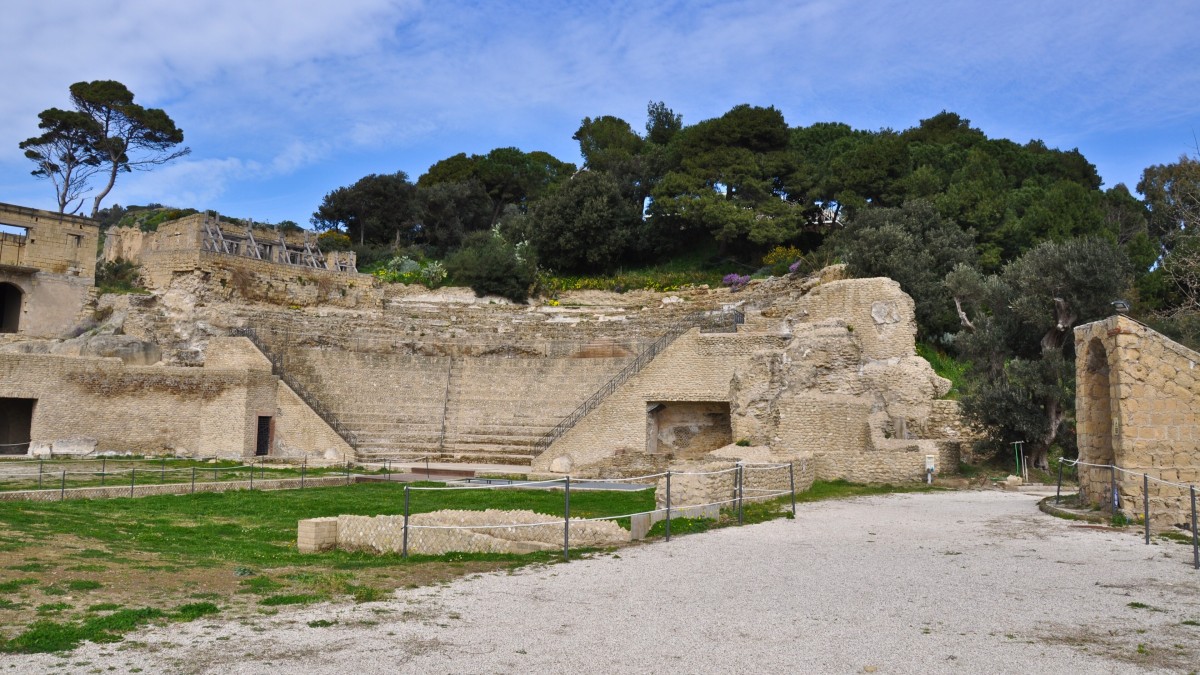
Some of Naples’ most spectacular sites remain hidden in plain sight. The Pausilypon Archaeological Park, near Parco Virgiliano, is one of the city’s most captivating historical areas.
Access is via the Grotta di Seiano, an impressive Roman tunnel carved through the tuff that links Coroglio to the archaeological complex. Inside the park, visitors can explore ancient theatres, panoramic terraces, Roman mosaic walls and sweeping views over the sea and the islet of Nisida. Visits are usually guided, so checking times in advance is recommended.
Fontanelle Cemetery: Naples’ most atmospheric ossuary
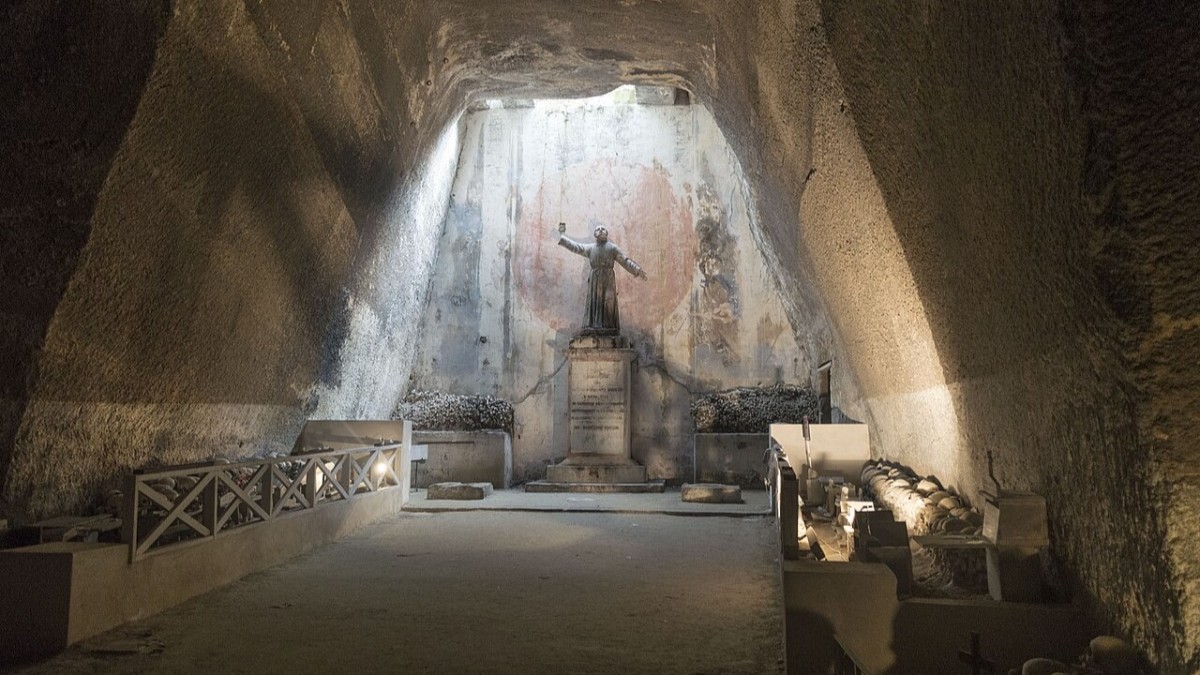
The Fontanelle Cemetery offers one of the most powerful cultural experiences in Naples. This vast ossuary, carved into tuff rock, houses the bones of thousands of people collected over the centuries.
What makes the site especially unique is the traditional cult of the “anime pezzentelle”, in which locals symbolically “adopted” a skull and prayed for the soul in exchange for protection. The cemetery is located in the Sanità district and can be reached on foot from Piazza Cavour or Via Foria, or by bus to Via Fontanelle.
Pignatelli Museum: step inside a noble residence
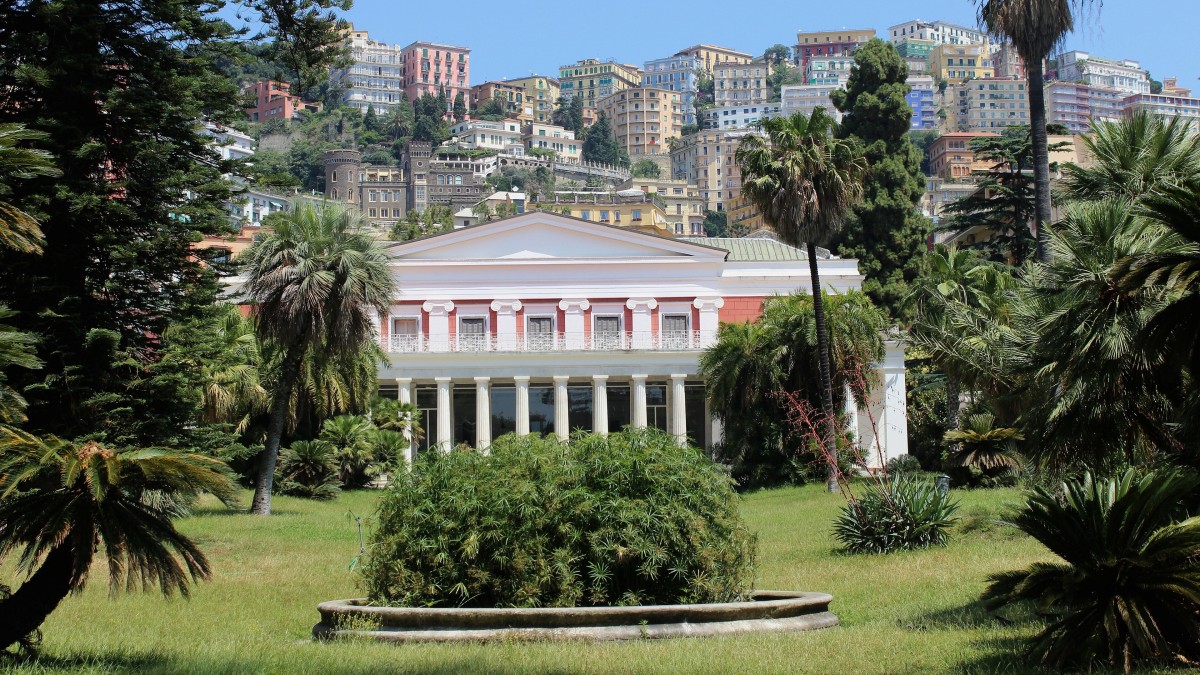
More than a museum, Villa Pignatelli is a historic residence set within an elegant garden along the Riviera di Chiaia seafront.
Inside, you can explore reception rooms, private apartments, art collections and photographs that tell the story of the Pignatelli family between the 19th and early 20th centuries. The villa is easily accessible by metro (Piazza Amedeo or Mergellina on Line 2, San Pasquale on Line 6) and regularly hosts temporary exhibitions and cultural events.
Pedamentina di San Martino: the scenic historic staircase
The Pedamentina di San Martino is a historic stepped path linking Vomero hill with Naples’ historic centre. Walking these steps rewards visitors with sweeping views over the city, with Mount Vesuvius and the sea forming a dramatic backdrop.
The upper entrance is near the Charterhouse and Museum of San Martino and Castel Sant’Elmo. You can reach it via the funicular (Montesanto, Chiaia or Centrale) or Metro Line 1 to Vanvitelli, followed by a short walk.
Baia Underwater Park: the submerged Roman city
Just outside Naples, in the Campi Flegrei area, lies one of Italy’s most extraordinary archaeological sites: the Baia Underwater Park.
Here, the remains of an ancient Roman city lie beneath the sea, submerged over time due to bradyseism. Located in the Phlegraean Fields west of Naples, the site can be reached by Cumana train, car or private transport. Visitors can explore the ruins by glass-bottom boat or by diving with the appropriate certification.

Living in Naples: why more people are moving here
In recent years, Naples has attracted growing numbers of young professionals, creatives and remote workers thanks to its mild climate, vibrant cultural scene and comparatively affordable lifestyle.
With music, theatre, street art, festivals, coworking spaces and urban regeneration projects on the rise, the city offers increasing opportunities for those considering a move.
Thinking about relocating? Explore the best neighbourhoods to live in Naples and find the property that suits your needs: