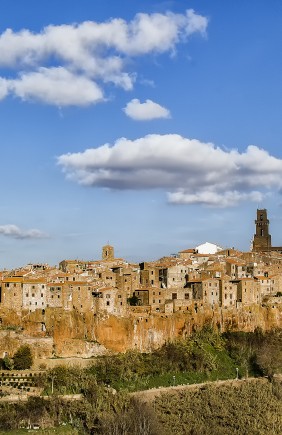
With pastel houses facing the sea, a leaning cylindrical bell tower and long golden beaches, this is one of the most distinctive seaside towns in northern Italy.
Often described as “Little Venice”, this small town on the Adriatic coast of Veneto combines maritime history, family-friendly beaches and excellent seafood.
Why is this Italian town famous?
Caorle, Italy, is known as “la piccola Venezia”, and the nickname makes sense. The town dates back more than two thousand years and for centuries shared the fate of the Serenissima Republic of Venice.
It was once crossed by navigable canals and linked by wooden bridges, much like Venice itself. The canals were filled in during the 19th century for health reasons, but the fishing industry never disappeared.
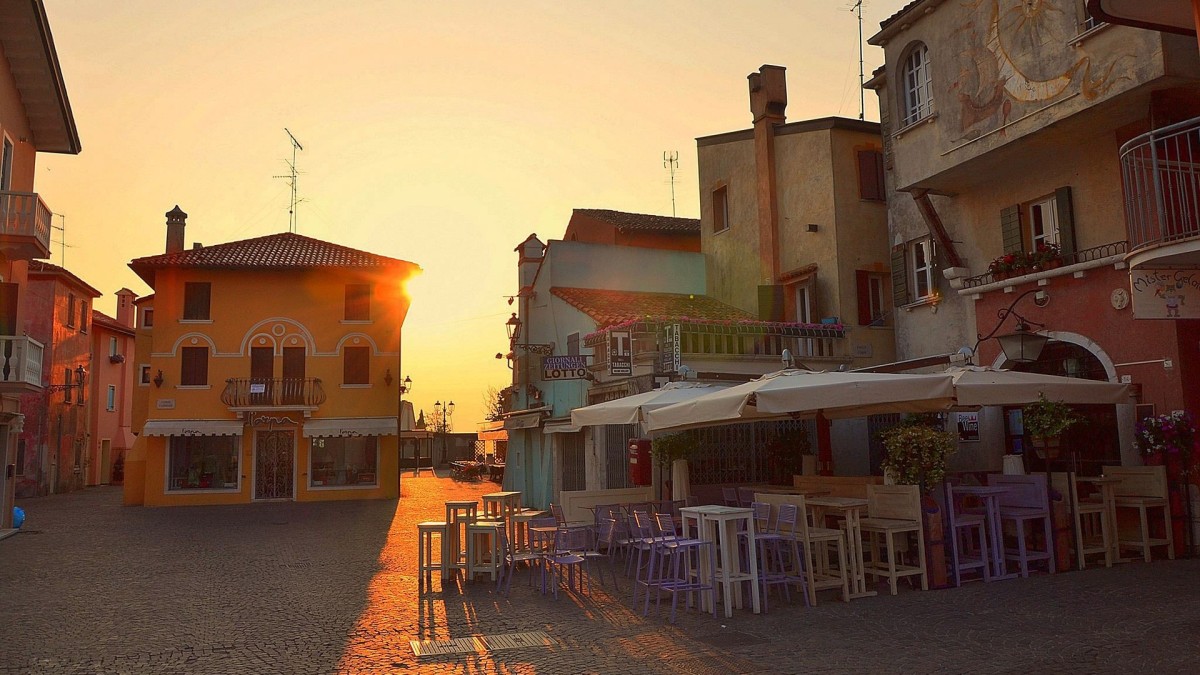
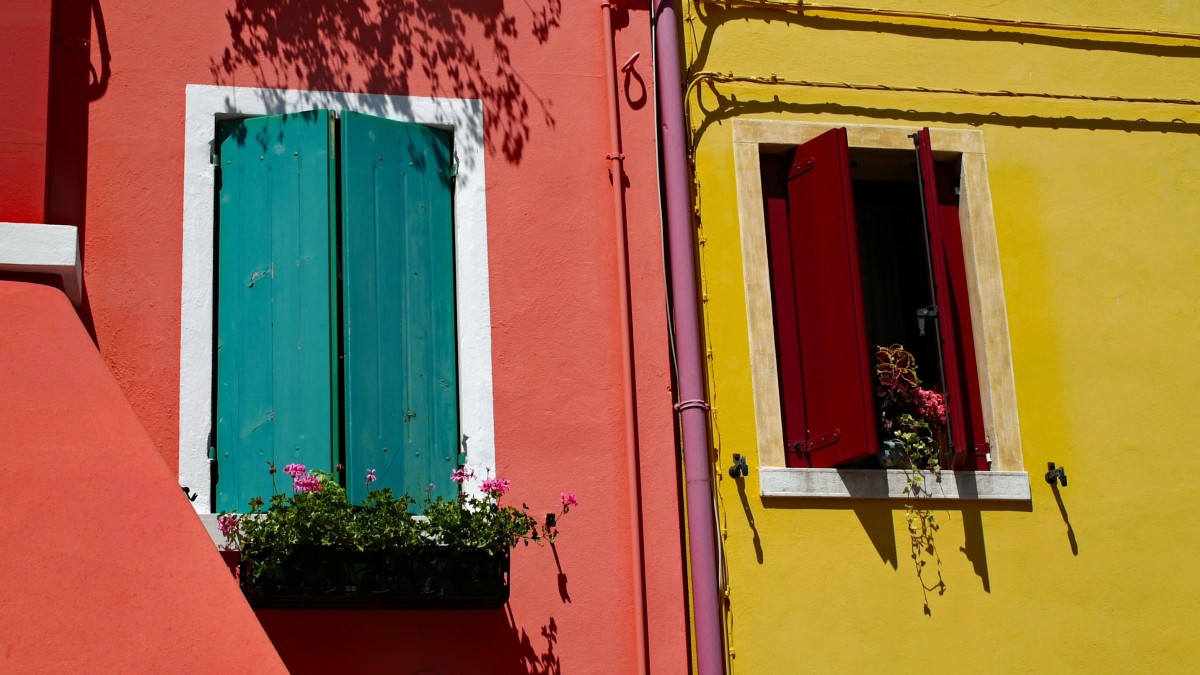
The first thing that stands out today is the row of pastel-coloured houses pressed closely together, reminiscent of nearby Burano, one of Italy's most beautiful towns.
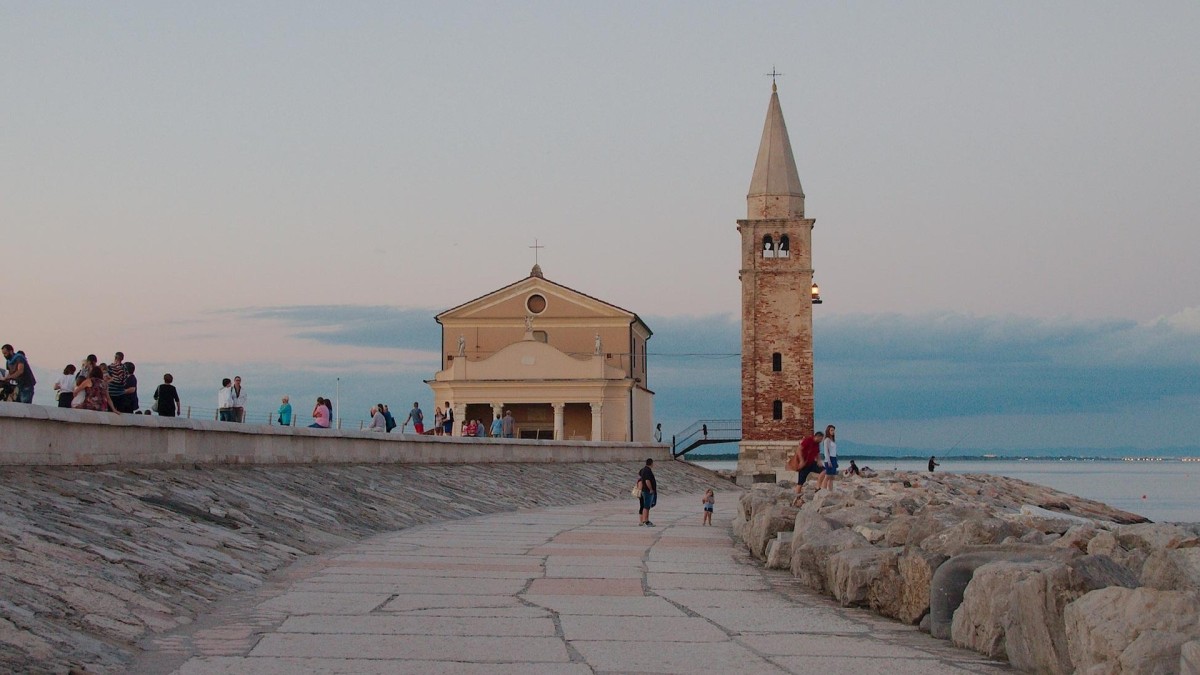
Caorle’s symbol is its cylindrical bell tower, around 48 metres tall and slightly leaning. It is one of the very few circular bell towers still standing in Italy, inspired by Byzantine-Ravenna architecture.
Even Ernest Hemingway was taken by this area. The countryside and lagoon around Caorle appear in his novel Across the River and Into the Trees, adding a literary note to the town’s reputation.
What to see in Caorle in one day
If you only have one day in Caorle, the compact historic centre makes it easy to explore on foot. These are the key stops:
- Historic centre and Rio Terrà delle Botteghe: the main pedestrian street, paved and lined with small shops, gelaterie and cafés.
- Piazza Vescovado, Duomo and cylindrical bell tower: home to the oldest building in Caorle and its distinctive leaning tower.
- Santuario della Madonna dell’Angelo: a white seaside church set right by the water, among the most photographed spots in town.
- Scogliera Viva and the sea wall promenade: an open-air gallery where artists have carved sculptures directly into the rocks along the Adriatic.
- Fishing port and Mercato Ittico: in the early afternoon, boats return, and the fish market hosts the traditional whispered “ear auction”, where buyers murmur their bids.
- Spiaggia di Levante or Spiaggia di Ponente: both awarded Blue Flag status in Veneto for water quality and services.

Things to do in Caorle with children
For families, Spiaggia di Levante is usually the easiest kid-friendly choice. The sand is fine, the seabed slopes gently, and the beach clubs are well equipped, which explains its consistent awards and recognition.
- If a beach day is not enough, Aquafollie water park has slides suitable for younger children, pools and green areas for a full day out.
Hiring bicycles and heading towards the traditional casoni in the lagoon is another good option.
Cycling along Riva di Levante towards the Isola dei Pescatori brings you through reed beds and wetlands, with plenty of birdlife along the way.

What to do in Caorle in the evening
Evenings in Caorle are simple in the best way. A walk along the illuminated seafront with an artisanal gelato is a local ritual. For an aperitivo, order a spritz with a plate of cicchetti in one of the small bacari in the centre.
Sunset is the real highlight. Watching the light fade from the sea wall or beside the Santuario della Madonna dell’Angelo, with the town’s outline turning gold and pink, is one of those moments that explains why Caorle has such loyal visitors.
What to eat in Caorle: traditional dishes
Caorle’s cuisine reflects its fishing roots and Venetian traditions, relying on straightforward recipes and fresh ingredients. Typical dishes include:
- Moscardino di Caorle: small local octopus, boiled or stewed with cherry tomatoes and served with polenta.
- Canestrello bianco: a small scallop, often used in creamy risotto.
- Sarde in saòr: fried sardines marinated with onion, vinegar, raisins and pine nuts.
- Broéto (broeto de sepe): a traditional fishermen’s fish soup, served with polenta or toasted bread.
- Spaghetti al nero di seppia: cuttlefish ink pasta, dark and full-flavoured.
- Spaghetti alla busara: pasta with scampi or shellfish.
- Bigoi in salsa: thick pasta with anchovies and white onion from Chioggia.
- Fritto misto dell’Adriatico: fried calamari, prawns and small fish, a staple along this stretch of coast.
Places to visit near Caorle
Caorle works well as a base for exploring eastern Veneto. Within a short drive you’ll find:
- Concordia Sagittaria (around 30 km): a Roman town founded in 42 BC, with an archaeological area, early Christian baptistery, baths and Roman bridge.
- Portogruaro (around 25 km): a refined medieval town on the Lemene river, known for its arcades, crenellated town hall and the mills of Sant’Andrea.
- Summaga (around 26 km): a small village with a Benedictine abbey and 11th-century frescoes.
- Sesto al Reghena (around 35 km, in Friuli): listed among Italy’s most beautiful villages, centred around a fortified abbey surrounded by canals.
- Bibione: a nearby seaside resort with one of the most important lighthouses in the northern Adriatic.
- Venice and the lagoon islands: roughly an hour away, also reachable by motorboat from Caorle’s port.
Living in Caorle
Living in Caorle means settling in a seaside town of around 11,000 residents within the Metropolitan City of Venice. Daily life is calm and compact, with essential services available locally and the sea always within walking distance.
- Portogruaro provides additional schools, services and railway connections nearby, while Venice is about an hour away.
- Treviso, Padua and even Trieste are within manageable reach.
The mild Adriatic climate, cycle paths and proximity to the lagoon attract those looking for a slower pace without feeling cut off.
Stay inspired for your travels in Italy —get our weekly newsletter for the latest travel, legal, and lifestyle news.