Central Italy is one of the country’s strongest areas for traditional sweets. Among hills scented with wine, medieval borghi clinging to rock and monasteries where recipes have been passed down for centuries, every region has at least one dessert that tells its story better than any tourist brochure.
These are the traditional sweets of central Italy to try at least once.
Lazio’s ciambelline al vino
Ciambelline al vino, made with either white or red wine, are among Lazio’s oldest and most-loved sweets. They appear at village sagre, or local food festivals, and on family tables throughout the Castelli Romani area. Every family in the Castelli Romani, across places such as Frascati, Genzano, Velletri and Marino, has its own version.
They are small ring-shaped biscuits, plain-looking but surprisingly full of flavour, made with flour, extra-virgin olive oil, sugar and wine. The wine may be white or red, depending on local custom. These traditional Italian biscuits for home baking have a dry, crumbly texture designed to hold up when dipped in wine, still their most classic and tempting pairing.
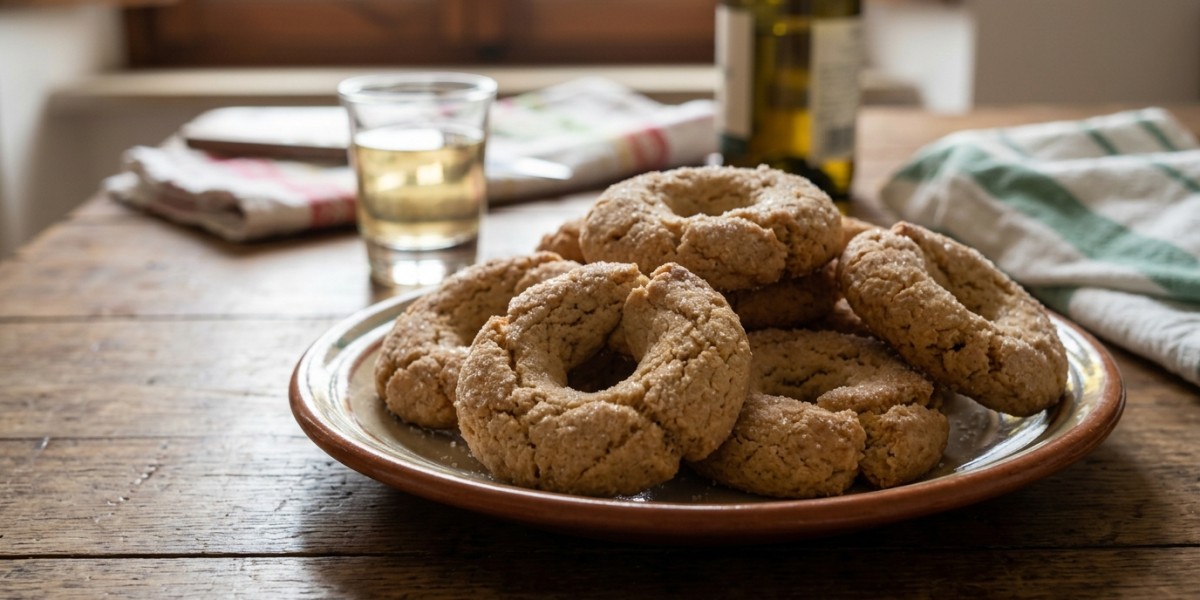
The most traditional match is a glass of Frascati DOC or Marino DOC. These white wines from the Alban Hills bring out the restrained sweetness of the biscuits without overwhelming them.
Tuscan cantucci
Cantucci may be Tuscany’s best-recognised sweet internationally, yet tasting them locally, fresh from the oven and still scented with toasted almonds, can feel like a discovery.
They originated in Prato, where they have been made according to a recipe formally codified in the 17th century. These twice-baked biscuits get their character from a generous amount of whole, unpeeled almonds, which remain crunchy and aromatic within a firm, lightly sweetened egg-based dough. Their familiar uneven, diagonal shape comes from slicing the warm dough log at an angle before its second turn in the oven.
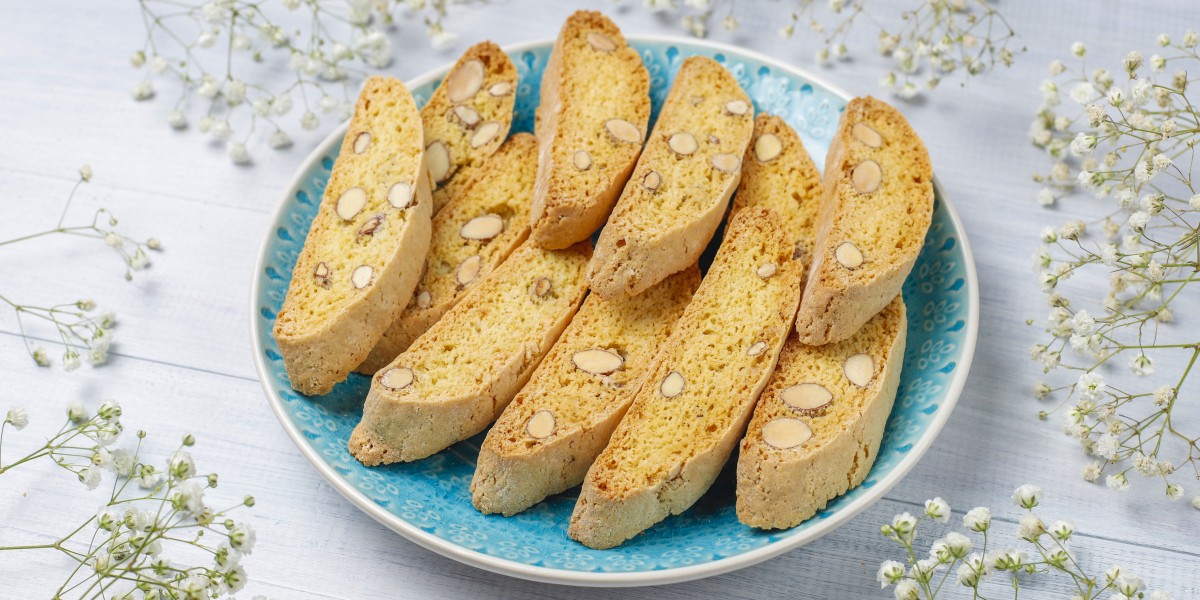
The classic pairing, almost obligatory according to tradition, for these well-known Italian sweets is Tuscan Vin Santo, a sweet dessert wine. The ritual is precise: take a cantuccio, dip it in a glass of Vin Santo for a few seconds, then eat it before it falls apart.
Umbrian panpepato
Umbrian panpepato is one of those sweets that immediately shows just how sophisticated medieval Italian baking could be. Originating in Terni as a Christmas dessert, tradition holds that it was prepared for the feast day of Saint Lucy on 13 December.
Panpepato is a dense, dark disc made with honey, walnuts, almonds, hazelnuts, candied fruit, spices and dark chocolate, bound together without flour or raising agent. Black pepper, which gives the sweet its name, has a definite presence and balances the intense sweetness of the other ingredients.
The traditional recipe for panpepato from Terni includes ingredients that were considered rare and valuable centuries ago: eastern spices, cocoa brought from the Americas, honey from the Umbrian countryside and dried fruits from Apennine woods. Everything is melted and mixed, then baked on bay leaves, which leave a light herbal scent on the crust. The result is a very dense sweet, cut into thin slices and served at room temperature.
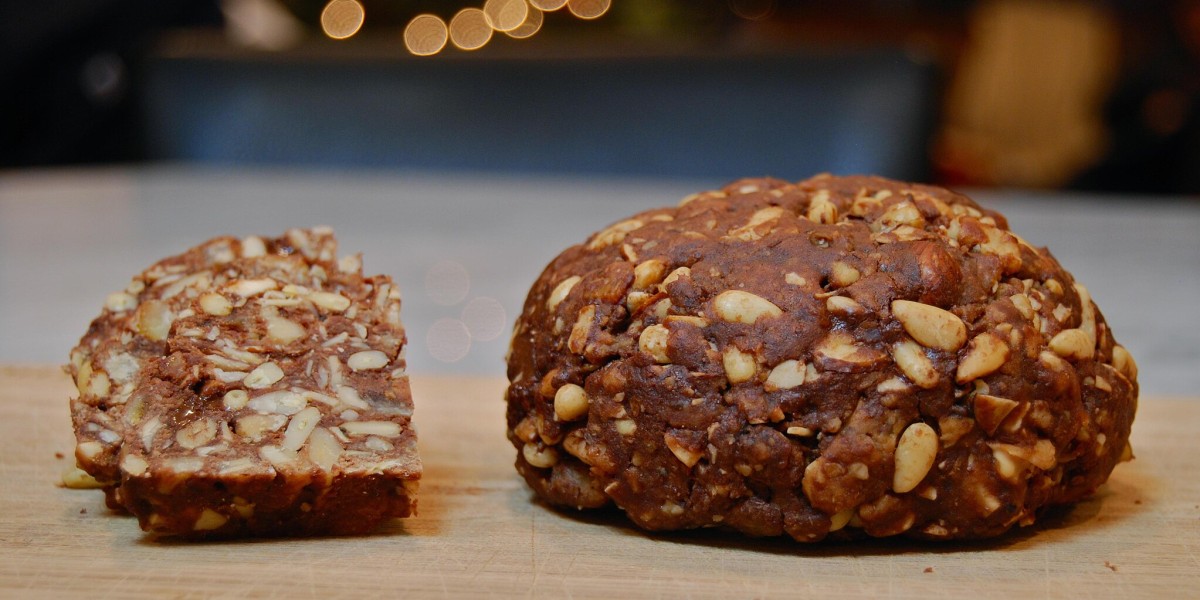
Its best match is a sweet wine such as Sagrantino di Montefalco Passito DOCG, the great Umbrian red dessert wine with enough tannic structure to stand up to panpepato’s powerful aromas.
Marche and cicerchiata
Cicerchiata is the carnival sweet most associated with Marche, though it is also found across central Italy, including Umbria and Abruzzo. Its name comes from the cicerchia, a humble pulse in Marche’s farming tradition, which the small fried pieces of dough resemble. Traditionally, cicerchiata is made during Carnival, between Fat Thursday and Shrove Tuesday.
The process is labour-intensive but rewarding. Flour is mixed with eggs, a dash of anise and a little liqueur, then formed into small dough cylinders and fried in oil until golden. Finally, the pieces are held together with warm honey. Once assembled, cicerchiata is decorated with coloured sugar sprinkles, called diavolicchi in Marche, which add a cheerful touch to an already festive-looking sweet.
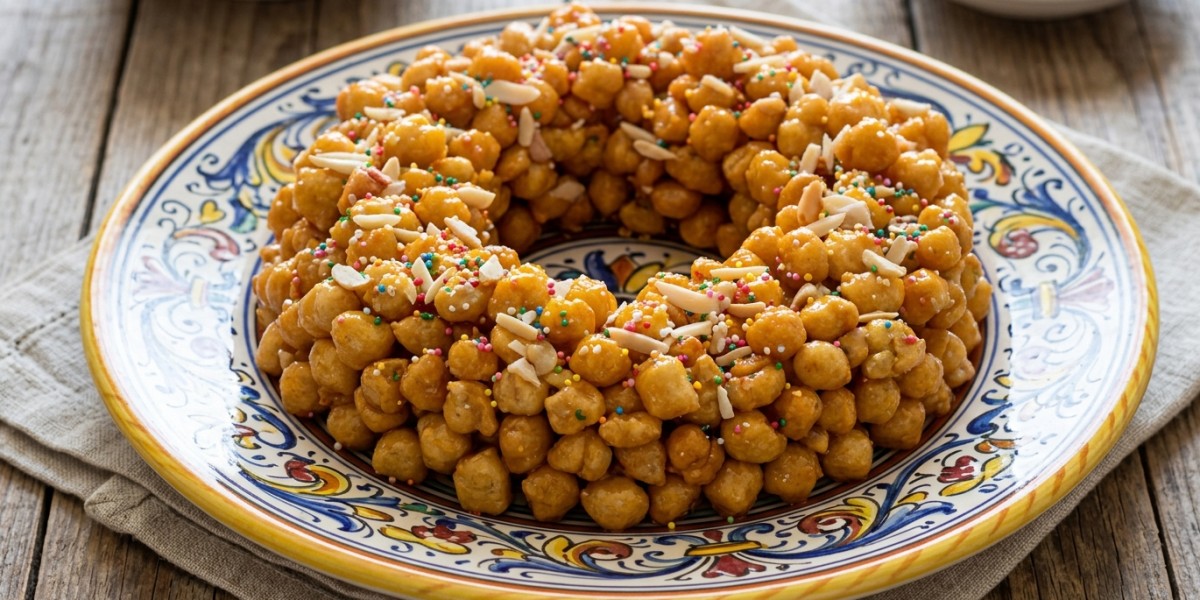
It is sold in Marche pastry shops during Carnival, as well as in some artisan food shops that make it throughout the year as a local speciality.
- Property for sale in the Marche region
- Long-term rentals in the Marche region
- Holiday rentals in the Marche region
Stay inspired for your adventures in Italy —get our weekly newsletter for the latest travel, legal, and lifestyle news.