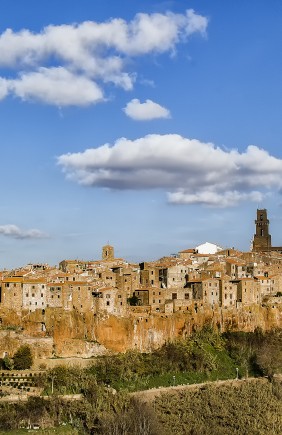
Less than an hour from Rome lies a borgo where water takes centre stage. This is Nepi, and even the Etruscan origin of its name means “water”. The town sits on a tufa-rock promontory, surrounded by deep gorges, streams and mineral springs that feed some of Lazio’s most striking waterfalls.
Here is what to know about Nepi’s waterfalls: Cascata del Picchio, Cascata dei Cavaterra and Cascata del Pizzo, which provide a quiet break and some impressive viewpoints.
Cascata del Picchio
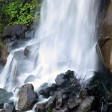
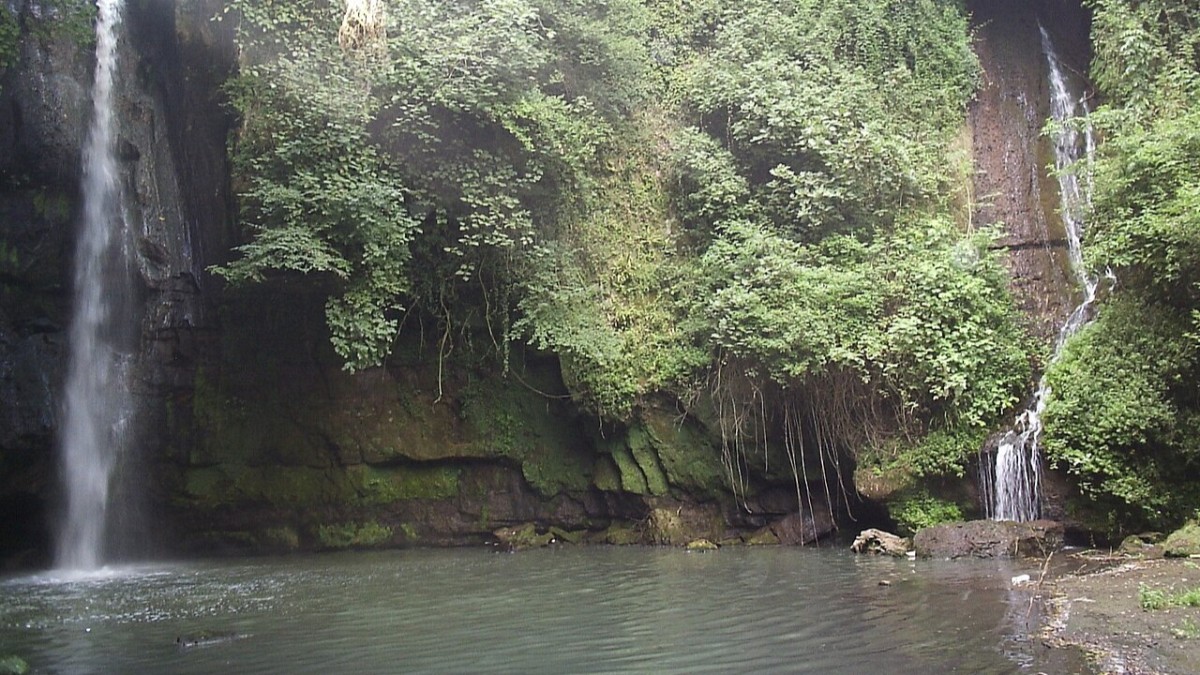
Cascata del Picchio is undoubtedly the most dramatic of Nepi’s waterfalls, and probably one of the most captivating in the whole region. It is a double cascade dropping around 15 metres down volcanic rock walls. The thick greenery around it has earned it the nickname “the little Amazon of Tuscia”.
The waterfall is fed by the Rio Falisco and is made up of two parallel streams, with differing flow levels but a similar height. The usual starting point is Via del Cardinale in Nepi, where signs lead towards the nature trails.
Parking is available near Piazza dei Bersaglieri or the municipal park. The return route measures around 6.1 km, is considered moderately demanding and takes an average of one hour and 40 minutes.
Cascata dei Cavaterra
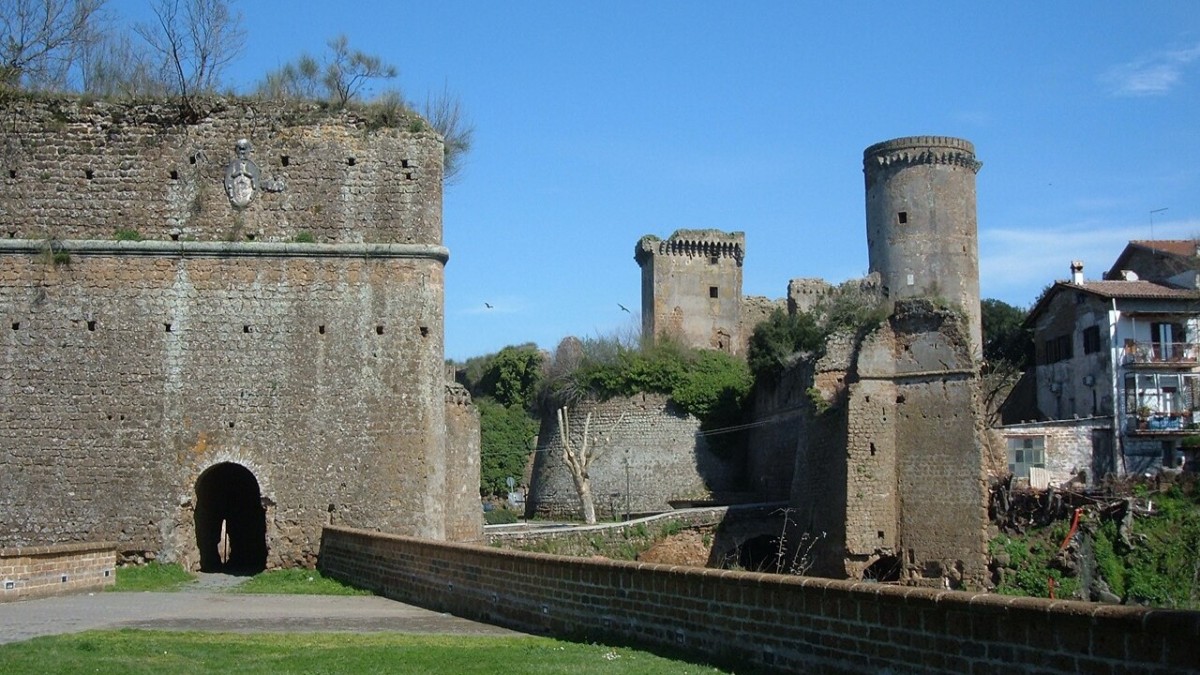
Cascata dei Cavaterra is far more accessible and requires much less effort to reach. Fed by the Rio Puzzolo, it drops powerfully at the foot of the walls of the Rocca dei Borgia, the fortress commissioned by the powerful Borgia family during the 15th century, where the controversial Lucrezia Borgia also lived for a short time.
Its name comes from renovation and fortification works on the village walls, designed by Antonio da Sangallo the Younger.
Getting to Cascata dei Cavaterra is straightforward. Parking near Piazza dei Bersaglieri puts the view almost immediately in front of you. A convenient viewing point allows visitors to see and photograph the waterfall from above. The base of the waterfall cannot be reached, as there is no dedicated path.
Cascata del Pizzo
Less familiar than its two “sisters”, Cascata del Pizzo, also called the Cascatella or “little waterfall”, is still well worth seeing. It drops around 8–10 metres and is fed by water running towards the valley floor, forming small pools of clear water below, surrounded by particularly green, well-kept vegetation.
During the spring months, when rainfall is plentiful and the countryside takes on countless shades of green, Cascata del Pizzo reaches its finest state. Water flow lessens in summer, though the coolness of the gorge and the character of the setting remain.
Starting again from Via del Cardinale in Nepi, follow the small road downhill. At the fork, follow the signs for Via del Pizzo, then take the path alongside private properties until reaching the watercourse.
How to get to Nepi
Nepi is halfway between Rome and Viterbo. It lies around 40 km from Rome, with a driving time of roughly one hour. Travel options include:
By car from Rome: take the Cassia Veientana (SS2bis) towards Viterbo and continue for around 40 km. Another option is the northbound A1 motorway, taking the Roma Nord branch and exiting at Castelnuovo di Porto.
Nepi is around 25 km from there.
By car from Viterbo: follow the SS 2 Cassia, or the more scenic Cassia Cimina, towards Rome, then follow the signs for Nepi.
The journey takes just under 40 minutes over around 36 km.
By public transport: Cotral buses connect Nepi with both Rome, via the Saxa Rubra route, and Viterbo.
The nearest railway stations are Capranica-Sutri, around 15 km away, and Stimigliano, around 19 km away.
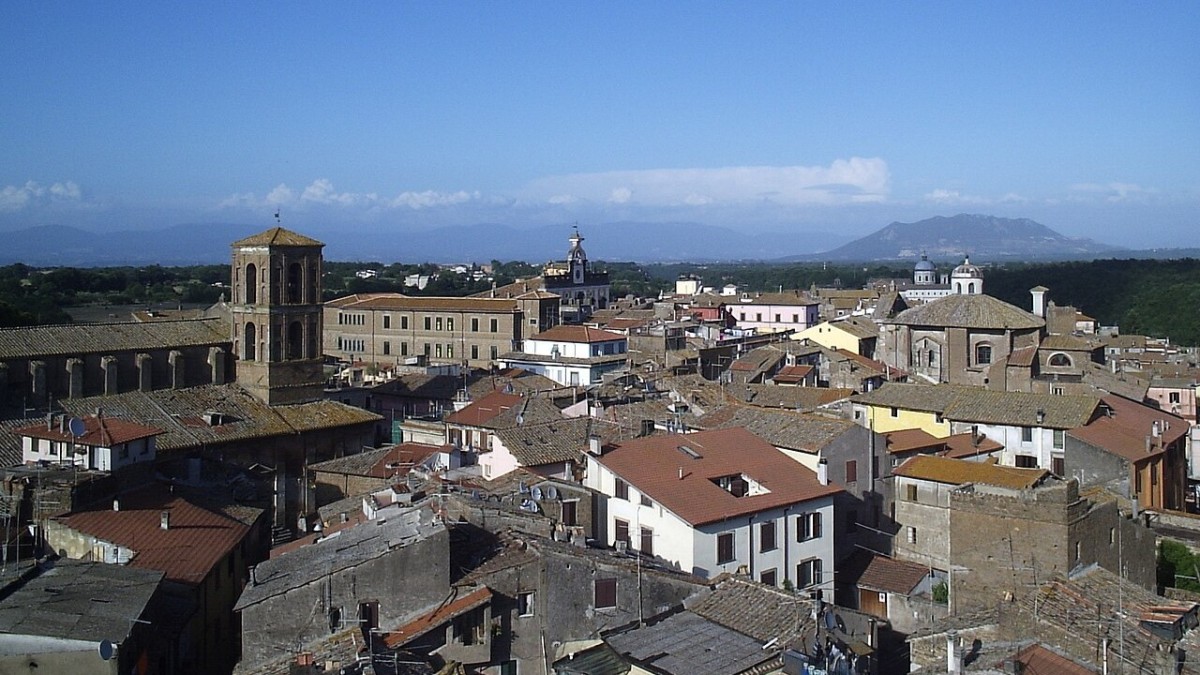
Living in Nepi
In recent years, more people have begun seeing Nepi as more than a day-trip destination and considering it a place to settle more permanently. There are several reasons behind this:
- A small-town setting: Nepi has around 9,500 residents and retains the feeling of a smaller community, where people know one another, life moves at a gentler pace, and day-to-day life feels noticeably different from that of a large city.
Costs and the property market: one of the most tangible benefits is the cost of living. The province of Viterbo combines decent living standards with more accessible costs, and property prices are considerably lower than the national average.
In August 2026, the average asking price for property for sale in Nepi was €1,136 per m².
Services and connections: schools, clinics, pharmacies, shops and restaurants are available locally.
For more specialist needs, such as major hospitals, large shopping centres and universities, Viterbo and Rome remain the main points of reference.
Stay inspired for your adventures in Italy —get our weekly newsletter for the latest travel, legal, and lifestyle news.