One of the most beautiful destinations for a weekend trip or a short holiday in autumn is Trentino-Alto Adige. Trento and Bolzano are among the greenest cities in Italy and in the Non Valley there is a castle well worth a visit: Castel Thun. Let's take a tour.
For those wondering if Thun Castle had something to do with the famous Christmas angels, the answer is yes. In fact, since 1267, the castle has been the home of the family from which Count Otmar and Countess Lene Thun descend. In 1950, they founded the famous ceramics factory in Bolzano, transforming a hobbyist passion into a real business that generates over 170 million euros per year. The angels that Lene designed were in fact modelled using the faces of her sleeping children as inspiration. Since 1978, Peter Thun has been running the company, which has become international, while since 2013 the third generation of the family has made its way with Simon Thun, Peter's son and product manager.
But the family has only been called Thun since 1926, when the Bohemian branch of the family took over the castle. About 700 years earlier, Varimberto di Tono was the first owner of the house that is located in the municipality of the lower Non Valley still called Ton.
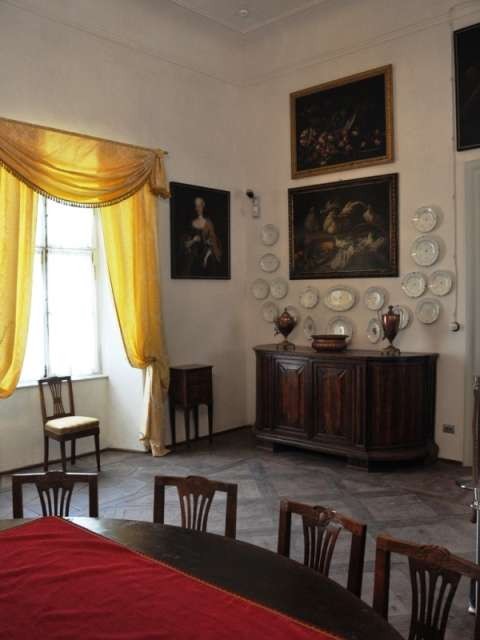
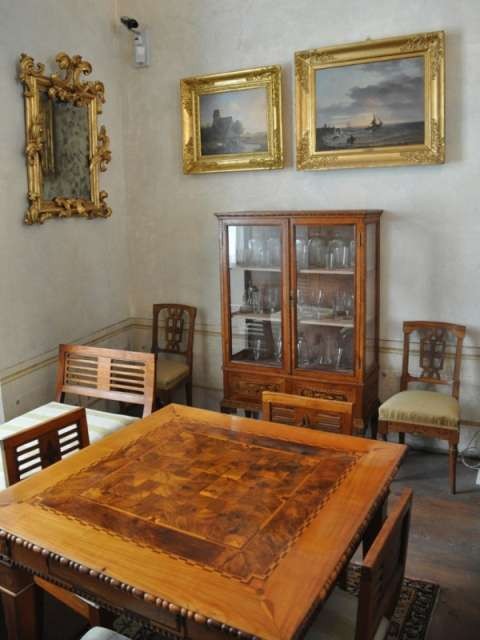
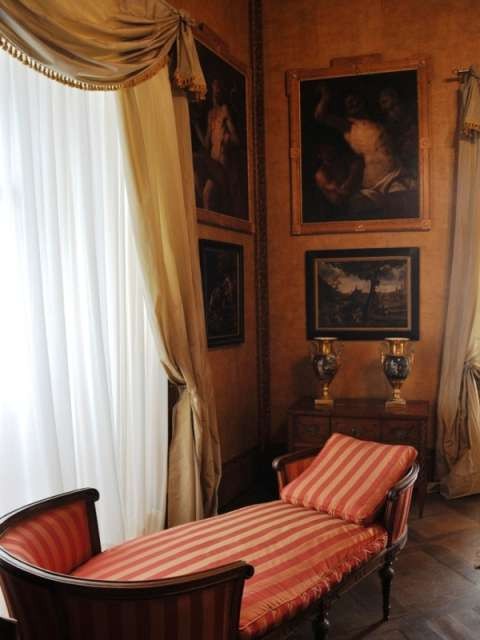
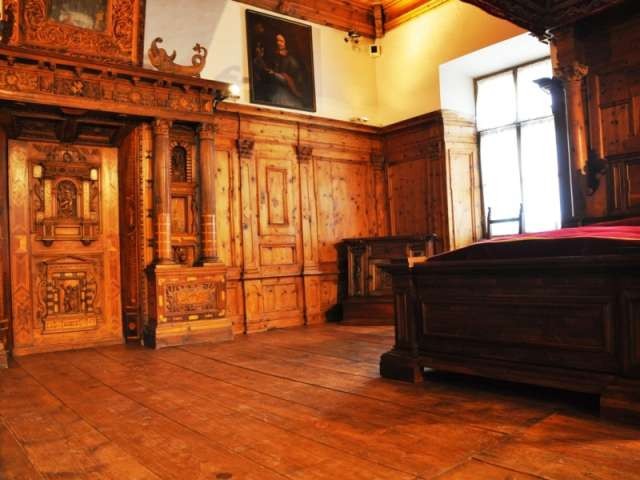
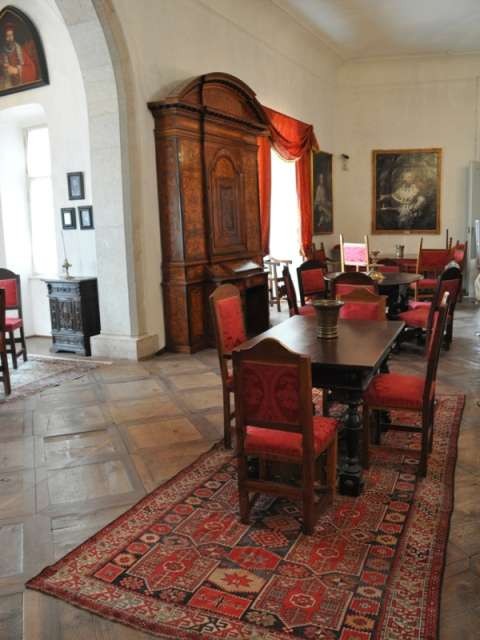
The building has a civil-military character and superimposes every style, both in terms of architecture and furnishings, that followed one another from the Middle Ages to the 1930s, combining the typically elegant features with austere and essential lines.
After crossing the drawbridge, after having crossed the Spanish Gate, an entrance supported by 18 columns leads to the courtyard used to protect the cannons from rain and snow. From here you get to the entrance to the ancient part of the castle, the baronial palace, from which a path leads to the ground floor with a charming and ancient kitchen perfectly preserved. You continue to the upper floors and stately rooms with their typical tiled stoves, necessary in that very cold place. The furnishings range from the rich canopies and coffered ceilings to the inlaid tables and the light and slender Empire style furniture of the upper floors, creating a sort of family storyboard that makes the visitor travel through centuries of events.
Find a property on idealista