Discover the pleasure of a slow holiday, a different way of travelling that puts calm, time and wellbeing at the centre of the experience.
We’ve selected five routes to help you explore some of Italy’s most remarkable natural wonders. Walking at an unhurried pace, you can cross authentic, unspoilt landscapes, come across artistic masterpieces and visit places steeped in history and tradition.
1. Como

The Lake Como Greenway is a spectacular 10 km walking route running between the towns of Colonno and Cadenabbia, along the western shore of Lake Como. It's undoubtedly one of Italy's most beautiful hiking routes.
You pass pretty towns, secret gardens and historic villas, hidden little lanes and centuries-old trees, stone stairways and narrow alleys, all framed by views of the lake and the majestic mountains reflected in its waters.
It’s a walk suitable for everyone, experienced hikers or complete beginners, and the views over the lake and surrounding scenery are a real highlight. At the end of the route, you can return to your starting point by boat, extending that sense of peace and calm that the lake naturally brings.
2. Ravenna
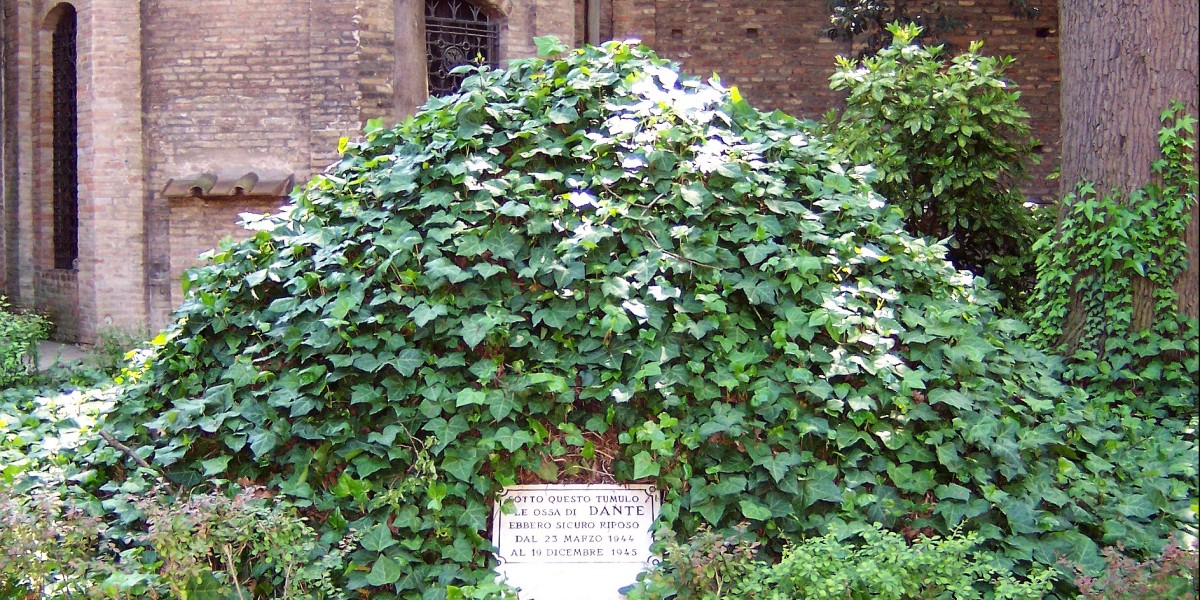
Between Emilia-Romagna and Tuscany lies a truly special route: the Cammino di Dante (Dante’s Way). This circular itinerary stretches for around 380 km, divided into 20 stages. It begins at Dante’s tomb in Ravenna and ends at the Museo Casa di Dante in Florence.
The path retraces the journey that Dante Alighieri, exiled from Florence, is believed to have taken in the early 12th century, with many references found in the pages of the Divine Comedy.
Following in the footsteps of the father of the Italian language, you’ll see the beautiful landscapes of Romagna, the castles of the Guidi Counts, the atmospheric corners of the Casentinesi Forests, the green Tuscan hills, small medieval villages and ancient Christian hermitages.
3. Siena

The soft green Tuscan hills frame this route through the Val d’Orcia, leading you to some of the most beautiful villages in Italy.
Thanks to the outstanding preservation of its landscape and the influence it had on Renaissance artists, the Val d’Orcia has been on the UNESCO World Heritage list since 2004.
To experience the beauty of these lands that inspired great masters of painting, you can choose among several itineraries or tackle the classic route linking San Gimignano and Siena.
4. Alberobello
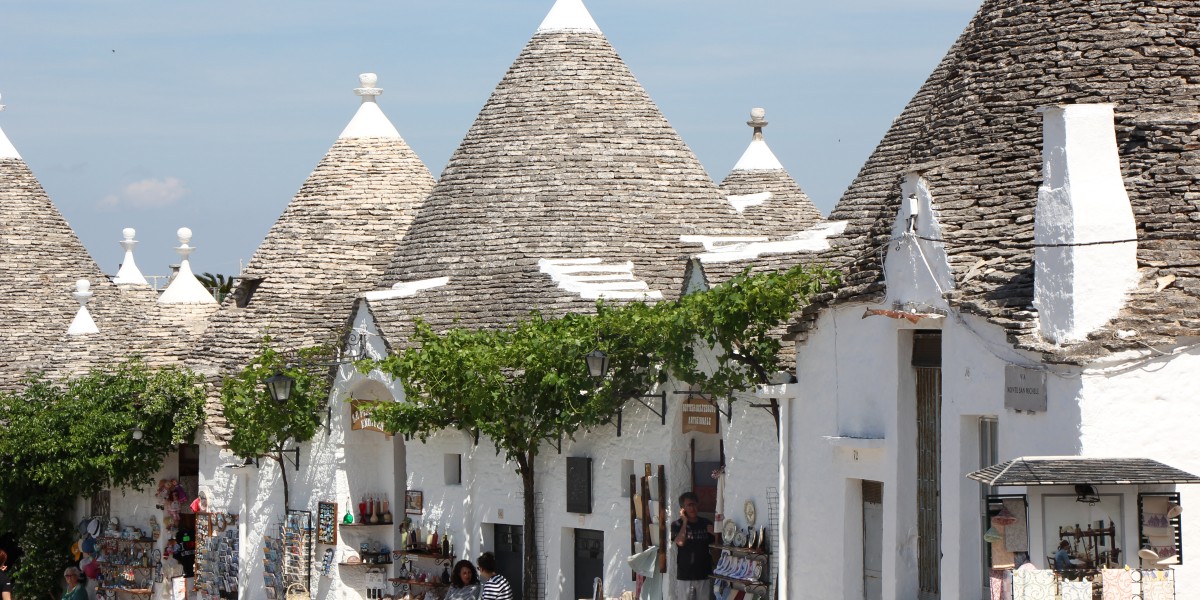
One of Italy's more underrated UNESCO World Heritage Sites, the trulli of Alberobello are unique buildings and a striking testimony to the history of Puglia.
The best way to appreciate Puglia's unique stone houses is by wandering slowly through the town’s narrow streets.
Begin at the Terrazzino Belvedere, which looks out over the cone-shaped roofs marked with mysterious lime-painted symbols.
Continue towards the Aia Piccola district, home to around 400 trulli, many still used as private homes. Here you can also visit the Museum of Traditional and New Crafts, which displays tools linked to local artisan culture, and the Oil Museum.
Carry on to Piazza XXVII Maggio, where you’ll find the Territory Museum, then head to Casa D’Amore. Built immediately after the royal decree that freed Alberobello from feudal rule, it was the first house constructed with mortar rather than in the traditional trullo style.
You’ll then reach the Minor Basilica dedicated to Saints Cosmas and Damian, the town’s patron saints.
Just behind it stands the Trullo Sovrano, the most advanced example of a two-storey trullo.
End your visit in the Rione Monti, which counts more than 1,000 trulli arranged along seven different streets, many of them home to artisan workshops where craftspeople continue to create genuine works of art.
5. Cagliari

Among Italy’s most atmospheric routes, the Cento Torri (Hundred Towers) trail stands out, leading you to discover the wilder side of Sardinia.
The route stretches for 1,284 km along the island’s coastline, created to highlight the towers built between the Early Middle Ages and the mid-19th century, and to make many of the coastal paths more accessible and better known.
Located in Cagliari, these towers played a crucial role in the island’s history, serving both as protection against invasions and as part of a communication system. Their importance has turned them into a lasting symbol of the region.
Stay inspired for your travels in Italy —get our weekly newsletter for the latest travel, legal, and lifestyle news.