If you’re spending time in Italy, getting to grips with traditional pizza is part of understanding everyday life here. Authentic Italian pizzas are built on simplicity and good ingredients: slow-risen dough, balanced toppings and combinations that make sense.
These are the most popular Italian pizzas you’ll see across the country, and in recent years, there’s been a clear return to proper fermentation, carefully sourced flour and regional produce with protected status.
Neapolitan Pizza

The original traditional Italian pizza comes from Naples and is even protected by UNESCO. Recognised by its soft, elastic dough and slightly charred, puffed-up crust (cornicione), Neapolitan pizza is cooked quickly in a wood-fired oven at very high heat.
The classic topping is San Marzano tomatoes, mozzarella (often mozzarella di bufala), fresh basil, olive oil and salt. The centre is soft and slightly soupy, so don’t expect a rigid base.
Margherita

The Margherita is the most iconic of all authentic Italian pizzas. Created in 1889 in honour of Queen Margherita of Savoy, it mirrors the Italian flag: red tomato, white mozzarella and green basil.
It may look simple, but this is the benchmark pizza in any decent pizzeria. In many parts of Italy, it remains the most ordered pizza on the menu.
Marinara

One of the oldest traditional pizza toppings, the Marinara contains no cheese at all. Just tomato, garlic, oregano and olive oil.
The name comes from marinai (sailors), as the ingredients were easy to preserve on long sea voyages. Ordering a Marinara is still a quiet way of judging the quality of the dough and tomato sauce in any pizzeria.
Prosciutto e funghi

This is Italy’s answer to ham and mushroom pizza, but done properly. The base is tomato and mozzarella, topped with mushrooms and either cooked ham (prosciutto cotto) or cured ham added after baking.
Quattro Stagioni
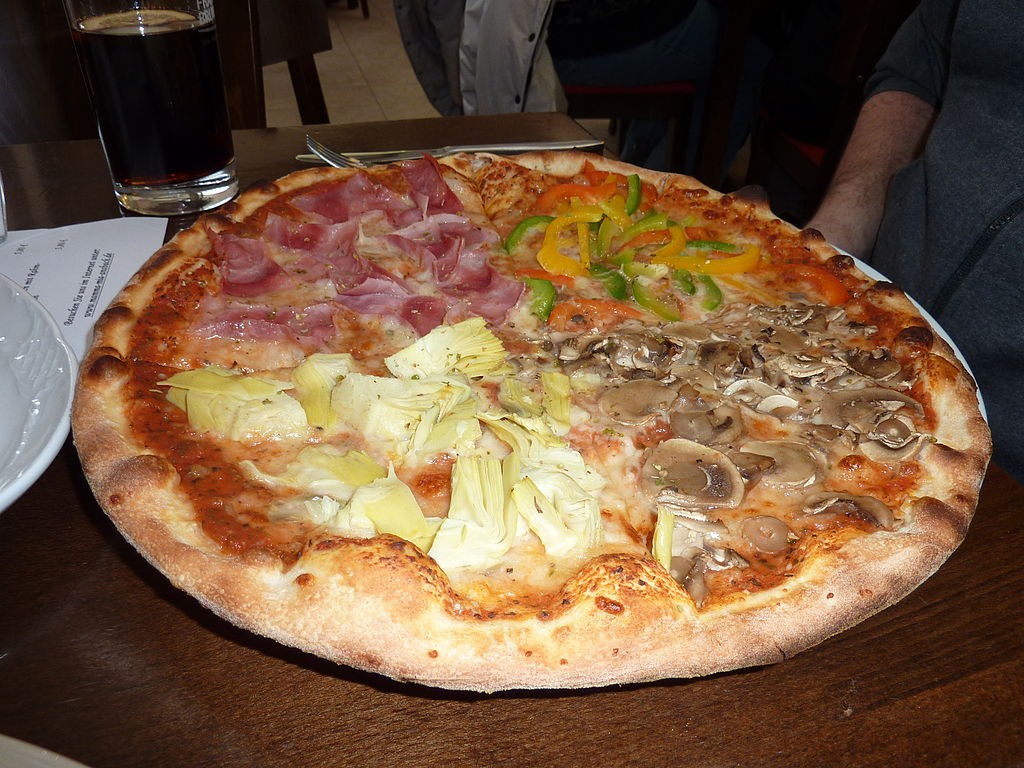
Literally “Four Seasons”, this pizza is divided into four sections, each representing a different topping. The typical combination is cooked ham, mushrooms, artichokes and black olives.
Capricciosa

Often confused with the Quattro Stagioni, the Capricciosa uses similar ingredients — usually tomato, mozzarella, ham, mushrooms and artichokes — but everything is scattered evenly across the base.
Quattro Formaggi

If you like strong flavours, this white pizza (no tomato sauce) combines four cheeses. The mix varies, but commonly includes mozzarella, gorgonzola, fontina and Parmigiano Reggiano.
In many places, a drizzle of honey or a handful of walnuts has become a modern addition, though traditionalists keep it simple.
Ortolana (Vegetariana)

The Ortolana is the classic vegetarian Italian pizza. Alongside tomato and mozzarella, you’ll usually find grilled aubergine, courgette and peppers.
Seasonal vegetables sometimes replace the standard mix, especially in smaller towns where menus follow the market.
Diavola

The Diavola is one of the most popular Italian pizzas internationally. The defining ingredient is spicy salami (salame piccante).
Outside Italy, it’s often labelled “pepperoni”, but the flavour profile is slightly different, with a deeper, smokier heat. It’s a common favourite among younger Italians.
Boscaiola

The name means “woodcutter’s pizza”, and mushrooms are the constant feature. In many regions, you’ll also get sausage and mozzarella on a tomato base.
Recipes vary across Italy, so the Boscaiola in Rome may not match the one in Naples or Milan.
Frutti di Mare
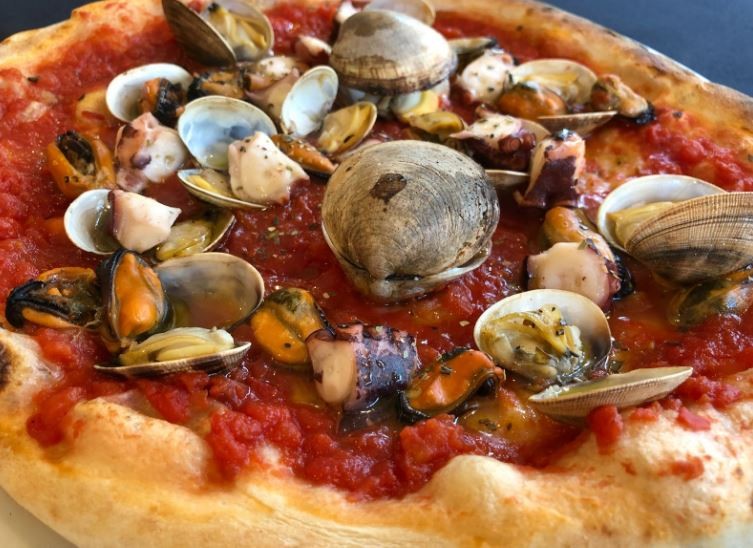
Seafood pizza divides opinion even in Italy. Traditionally, it includes tomato, mussels, clams, prawns or squid, plus garlic and parsley. Some versions skip the mozzarella entirely.
You’ll see it more often in coastal areas where seafood is genuinely fresh. Inland, it can be hit or miss.