Planning a short break in Milan in 2026? Italy’s financial and fashion capital is far more layered than its glossy image suggests. Yes, there’s design, couture and polished shop windows, but there’s also Renaissance art, working-class canals, radical architecture and some of the best aperitivo culture in the country.
If you’re wondering what to see in Milan in one, two or three days — or you’re considering living here — this guide keeps it focused on the places that genuinely shape the city.
What to see in Milan in one day
If you’ve only got 24 hours, stay central. Milan’s historic core is compact and walkable, and you can cover the highlights without rushing like mad.
1. Piazza del Duomo and the Duomo di Milano
Start with the city’s gothic showpiece. The Duomo di Milano is vast, intricate and properly theatrical. Go up to the rooftop terraces for views across the city skyline, which now includes the modern Porta Nuova towers.
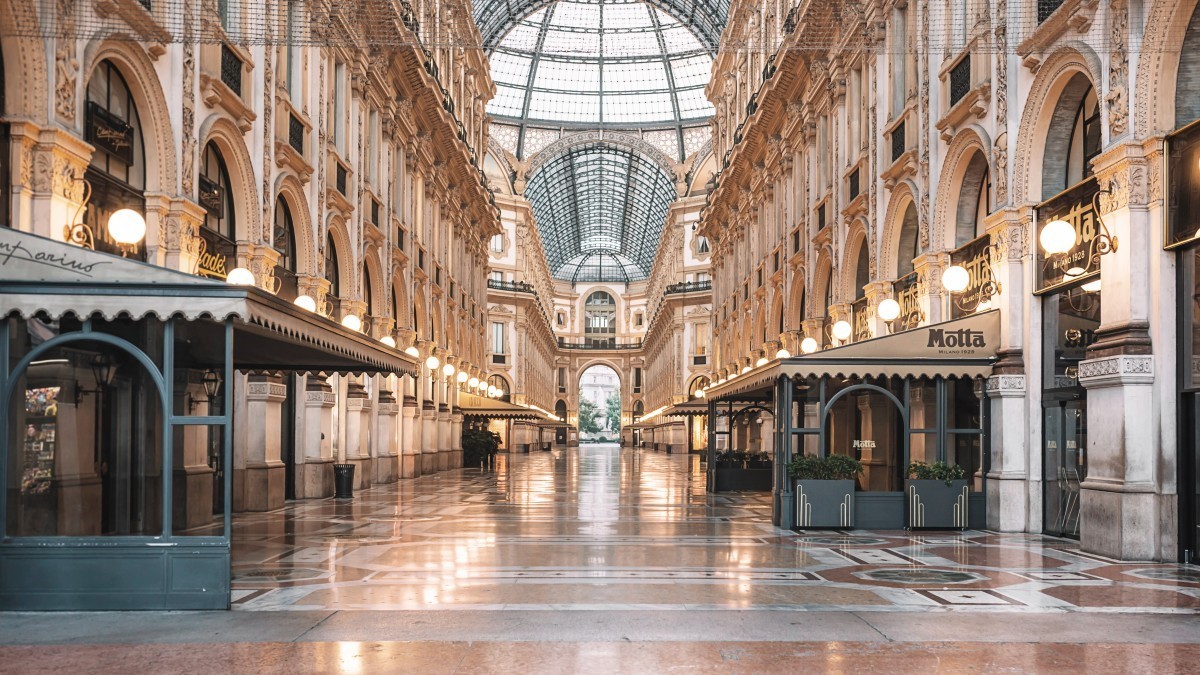
2. Galleria Vittorio Emanuele II
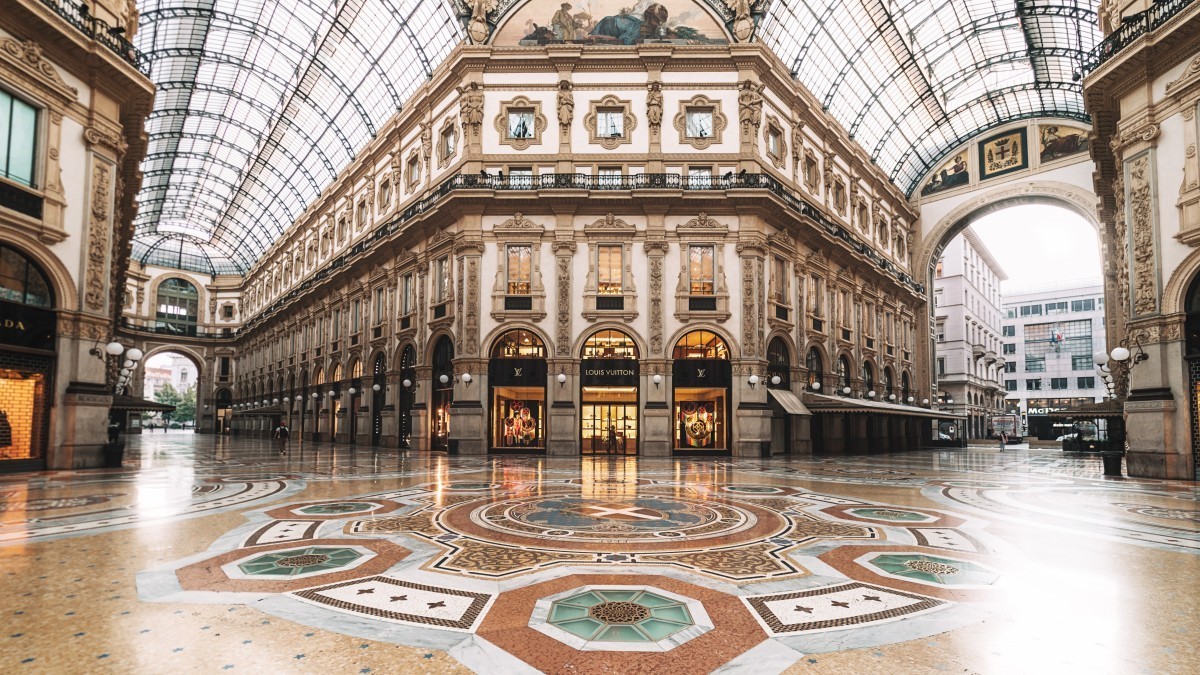
Right next door, this 19th-century glass arcade is still one of Europe’s most elegant shopping galleries. Even if designer labels aren’t your thing, the architecture alone is worth lingering over.
3. Teatro alla Scala
Opera fans will know it already, but even non-opera people tend to appreciate the theatre museum. It gives context to Milan’s cultural weight beyond fashion week.
4. Castello Sforzesco and Parco Sempione
Walk north-west to this red-brick fortress, once home to the powerful Sforza family. Behind it, Parco Sempione is where locals jog, picnic and escape the traffic.
5. Brera district and Pinacoteca di Brera
Finish in Brera, Milan’s prettiest quarter. The Pinacoteca di Brera houses serious masterpieces, while the surrounding streets are good for a relaxed dinner without the Duomo crowds.
If you only have half a day in Milan, concentrate on the Duomo, Galleria and a quick wander towards Brera.
What to see in Milan in two days
With a second day, you can explore the city beyond its postcard centre.
6. Navigli
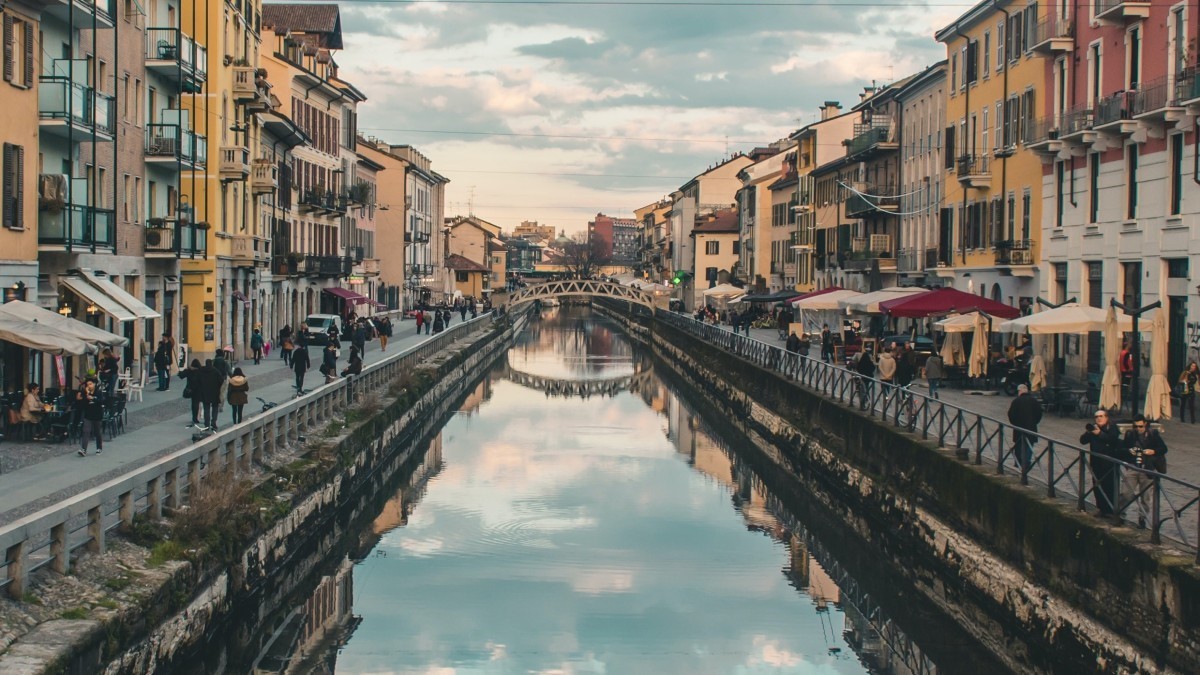
The canal district feels completely different from the polished centre. The Naviglio Grande area is best explored late afternoon into evening, when bars lay out snacks for aperitivo. It’s one of the best free things to do in Milan if you’re simply wandering.
7. Santa Maria delle Grazie and The Last Supper
Leonardo da Vinci’s Last Supper still needs booking well in advance in 2026. The refectory setting inside Santa Maria delle Grazie makes it more powerful than most people expect.
8. Museo del Novecento
Overlooking Piazza del Duomo, this museum focuses on 20th-century Italian art. It adds context to Milan’s modern identity and pairs well with a rooftop view of the cathedral.
9. Monumental Cemetery (Cimitero Monumentale)
Strange suggestion perhaps, but it’s effectively an open-air sculpture park. Tombs here are dramatic, eccentric and historically revealing.
10. Isola and Porta Nuova
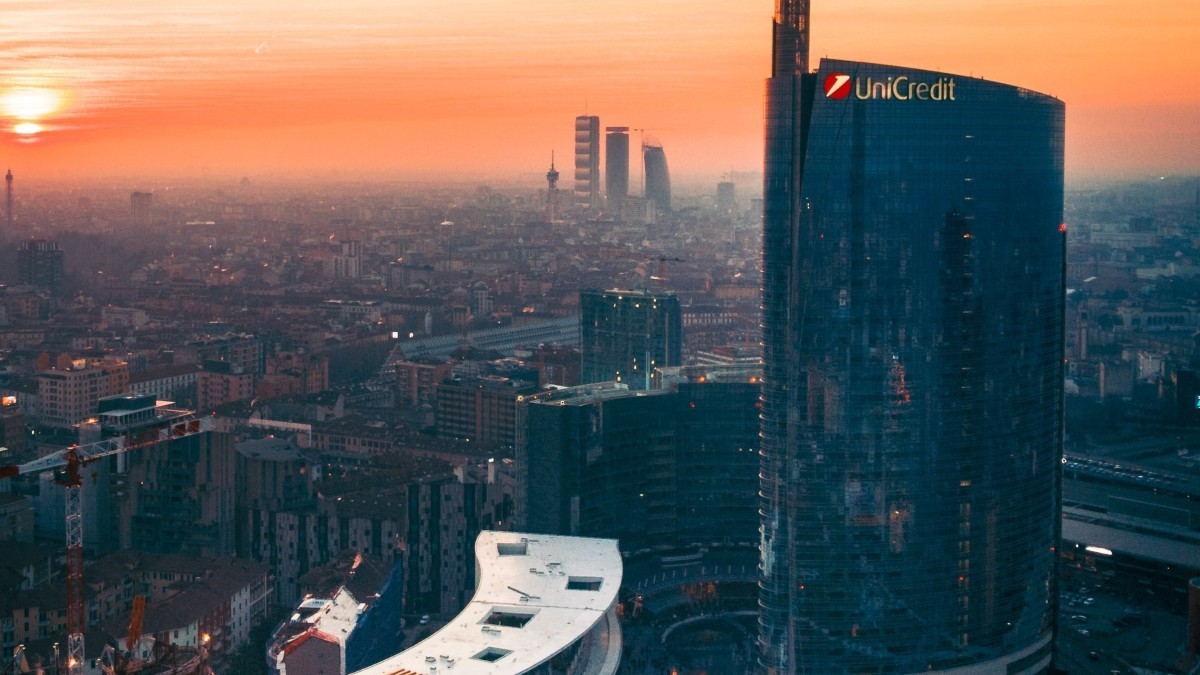
Head north to see Milan’s contemporary side. Piazza Gae Aulenti, the Bosco Verticale towers and the wider Porta Nuova district show how much the city has changed in the past decade. Isola itself keeps a slightly bohemian edge despite rising prices.
What to see in Milan in three days
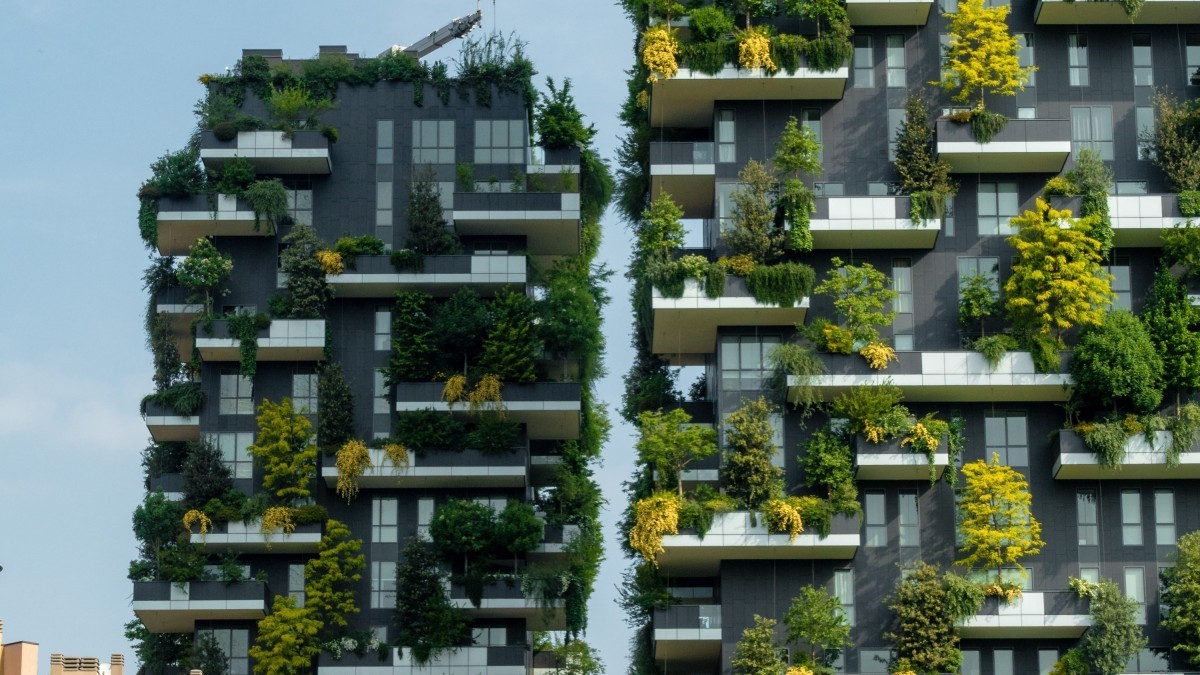
A third day allows for deeper cuts, especially if you’re interested in design, fashion or contemporary culture.
11. Fondazione Prada
Set in a former distillery south of the centre, this contemporary art space feels ambitious and slightly experimental. The gold-leaf tower building is unmistakable.
12. MUDEC (Museum of Cultures)
Located in the Tortona design district, MUDEC hosts major international exhibitions and is a good excuse to explore an area shaped by Milan Design Week.
13. Armani/Silos
Fashion is part of Milan’s DNA. This minimalist exhibition space charts Giorgio Armani’s evolution and gives insight into why Milan, not Rome, dominates Italian fashion.
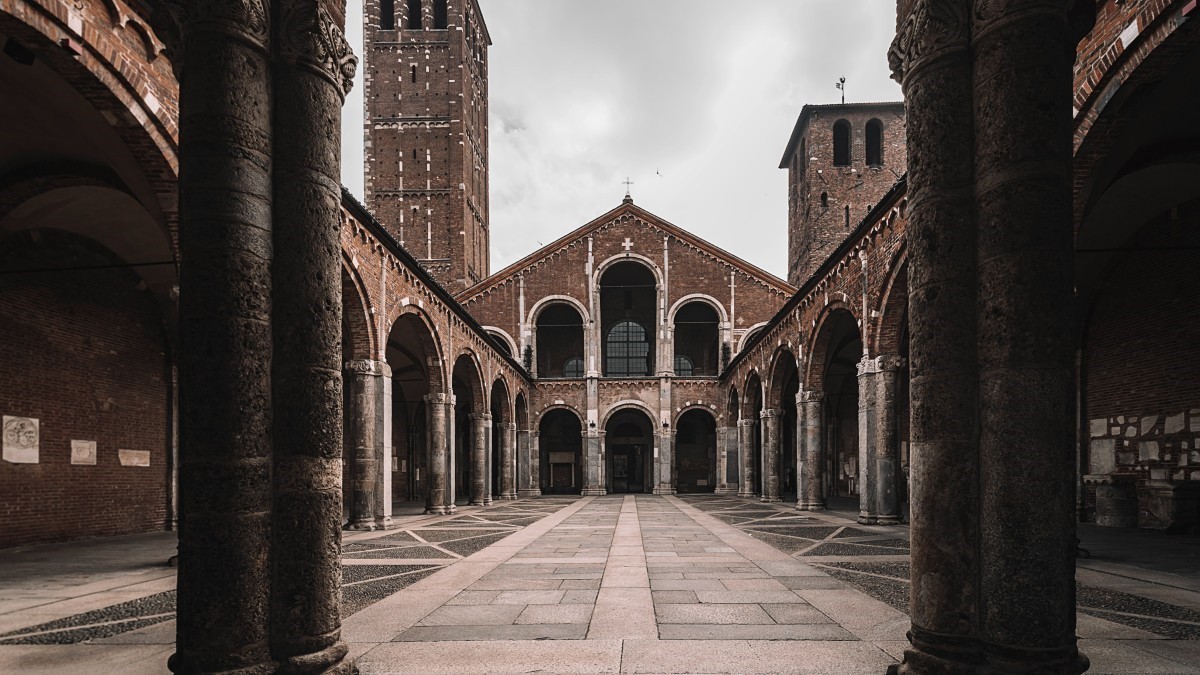
14. Basilica di Sant’Ambrogio
Older and more austere than the Duomo, this Romanesque church connects you to Milan’s early medieval roots.
15. Brera Botanical Garden
Tucked behind the Pinacoteca, this small botanical garden is surprisingly peaceful. It’s a quiet pause in an otherwise energetic city.
Special and unusual things to see in Milan
If you’ve ticked off the main sights, there are a couple of more unusual stops worth adding.
San Bernardino alle Ossa
A small church near the Duomo with an ossuary decorated with human bones. It’s unsettling but historically fascinating, and very Milan in its understated way.
Casa degli Atellani and Leonardo’s Vineyard
Across from Santa Maria delle Grazie, this historic residence hides a restored vineyard gifted to Leonardo. It adds a human layer to the Renaissance genius myth.
Visiting Milan with kids
Milan works better for children than people expect.
- Leonardo da Vinci National Museum of Science and Technology has interactive exhibits and full-scale transport models.
- The Acquario Civico near Parco Sempione is small but manageable.
- A stadium tour at San Siro appeals to football fans of any age.
Large parks like Parco Sempione also make it easier to break up museum-heavy days.
Living in Milan in 2026
If you’re thinking beyond a holiday, Milan is Italy’s economic engine. It attracts professionals in finance, tech, design and fashion, plus a sizeable international community.
That said, it’s Italy’s most expensive city. As of early 2026, average property prices in Milan sit well above the national average, and rents are significantly higher than in cities like Turin or Bologna. Areas such as Brera, Porta Nuova and CityLife command premium prices, while neighbourhoods further out on metro lines offer better value.
Stay inspired for your travels in Italy —get our weekly newsletter for the latest travel, legal, and lifestyle news.