Italy, the historic home of espresso, has secured two spots in the prestigious World’s 100 Best Coffee Shops ranking — proving that the country’s coffee tradition is evolving as well as enduring.
Italian food culture goes far beyond recipes and restaurant menus. Several deeply rooted practices linked to farming, winemaking, cheesemaking and everyday rural life have made their way onto the UNESCO intangible heritage list.
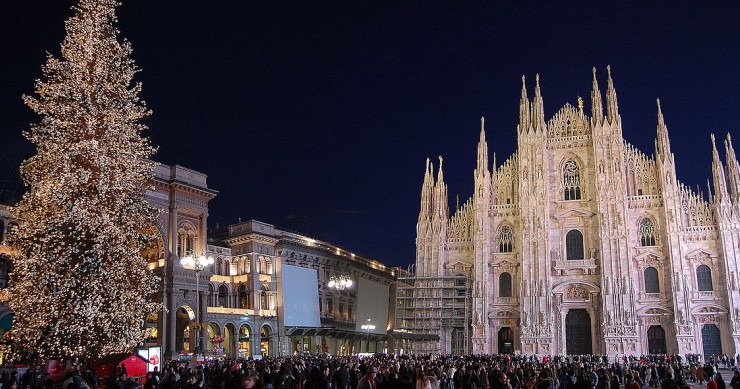
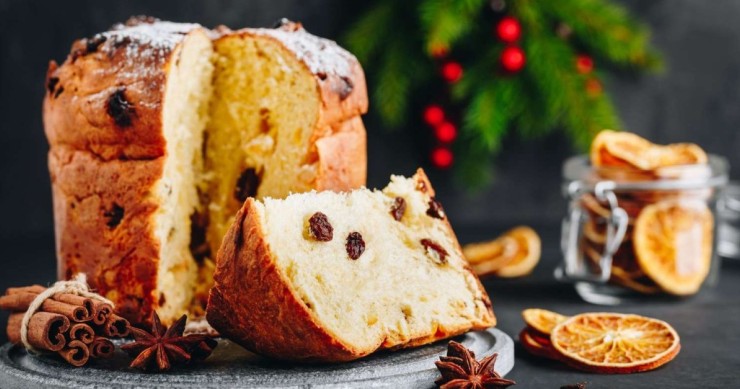
What do Italians do at Christmas? Food, family and faith lie at the heart of the season, creating a rich tapestry of festive customs that vary from region to region.
From piadina to pizza, and even international favourites like the much-loved smash burger, the dishes Italians most enjoy ordering at home reveal a lot about the country’s tastes and habits.
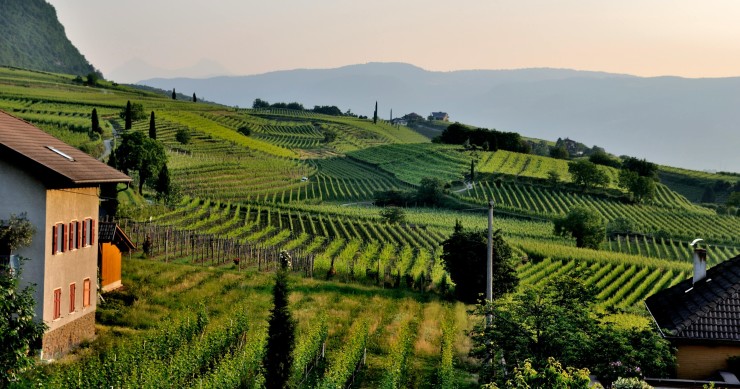
Alto Adige is one of Italy’s most fascinating wine-producing regions. It is no coincidence that it is home to one of the oldest routes entirely dedicated to wine. The Alto Adige Wine Road passes through around 16 municipalities, including the provincial capital, Bolzano.
Autumn brings truffle season in Italy, meaning weekend markets with licensed hunters selling truffles, chef demos and tasting “labs,”. Undoubtedly a highlight on the foodie calendar in Italy, you can expect truffle‑dog displays and occasional auctions.
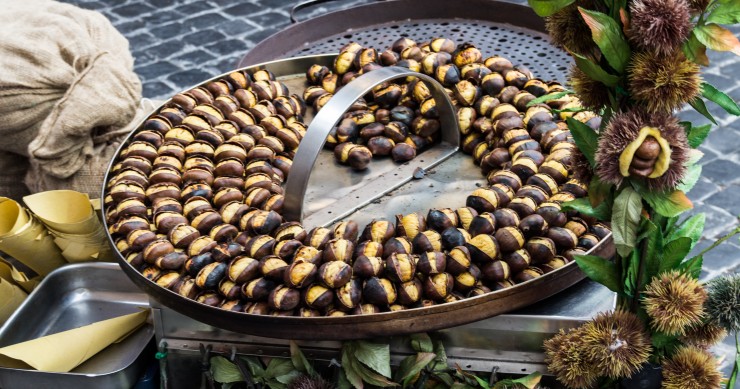
October in Italy brings open days that unlock hidden palazzi, vineyard harvest weekends, and chestnut and truffle sagre in hill towns. Across the country, you’ll find plenty of October events in 2025.
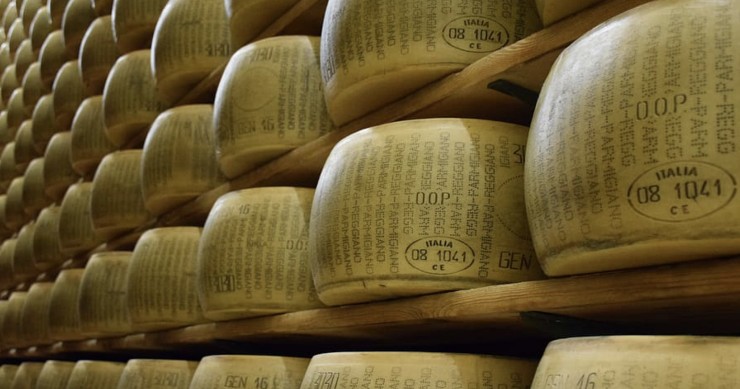
Italy does cheese the way nonna does Sunday lunch: with pride and deep regional roots. Across the Alpine pastures, the Po Valley dairies and the sunny farms of Sicily, each area champions its own cheese styles. These are shaped by milk type, ageing traditions and DOP/IGP rules.
Where can you find the best cheese in Italy? From the mountains of the Aosta Valley to the sunny landscapes of Sicily, Italy is a paradise for cheese lovers.
Florence is where it all began back in the Renaissance, supposedly first whipped up for the Medici court. Forgetting the bright green pistachio and fluffy mounds piled high in shop windows is the first step, and understanding the real difference between gelato and ice cream is key to the hunt.
Hunting down the best gelato in Italy is one of those essential things you have to do when you're here, but it's good to know that gelato is so much more than just ice cream. It's a proper daily ritual, a treat that's taken very seriously and is seen as a true art form.
Strolling through a sunny Italian piazza, it’s easy to think that gelato is just the local word for ice cream. The debate of gelato vs ice cream, however, goes far beyond a simple translation.
Summer in Italy means sunshine, sightseeing, and plenty of gelato. If you’re heading to Italy and looking for the perfect way to cool down, nothing beats a scoop (or two) of traditional, homemade gelato. But with so many delicious options to choose from, which flavours are local favourites?
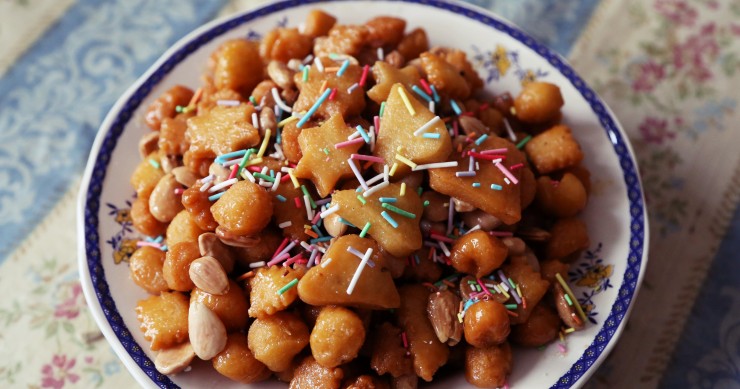
When you think of Italian desserts, your mind probably jumps straight to Tiramisù, a creamy Panna Cotta, or maybe a scoop of Gelato. They're certainly famous for a reason, but the world of Italian sweets, or dolci, goes so much deeper than the usual suspects.
There's a special moment at the end of a good Italian meal, when you're full and happy but not quite ready to leave the table. This is often when a small glass of something sweet and aromatic appears. In Italy, dessert wine isn't just an afterthought; it’s a cherished part of the dining culture.
Food is central to Italian life, and there's no better way to dive into that world than by visiting a local food festival. In Italy, these are often called a sagra, and they're fantastic, community-run events celebrating a specific local ingredient.
When you think of the most popular dessert in Italy, it's easy for tiramisù and gelato to steal the show. But Italy has a deep love for chocolate, and its dolci often showcase it in a way that’s wonderfully rich and not overly sweet.
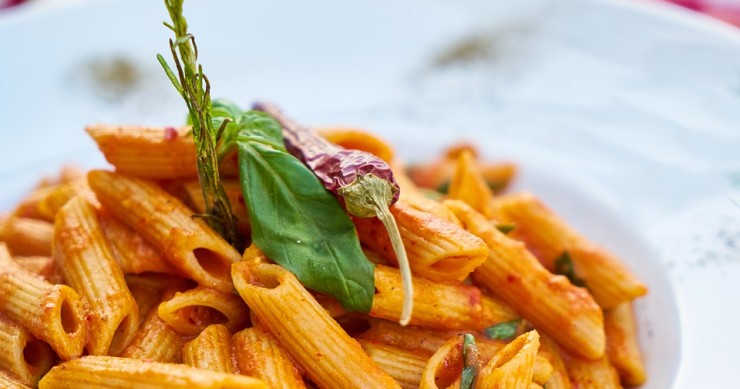
Pasta dishes in Southern Italy are all about sun-soaked ingredients, sharp flavours and the kind of recipes that have been handed down in local dialects for generations.