Italy has around 450 islands, but most travellers only ever set foot on a handful of them. Once you step away from the celebrity favourites, you find places that are still largely the domain of fishermen, hikers and those in the know. These non-touristy islands in Italy can take a bit more effort to reach, and services are often basic, but that’s exactly what keeps them nature‑rich and blissfully uncrowded.
Palmarola
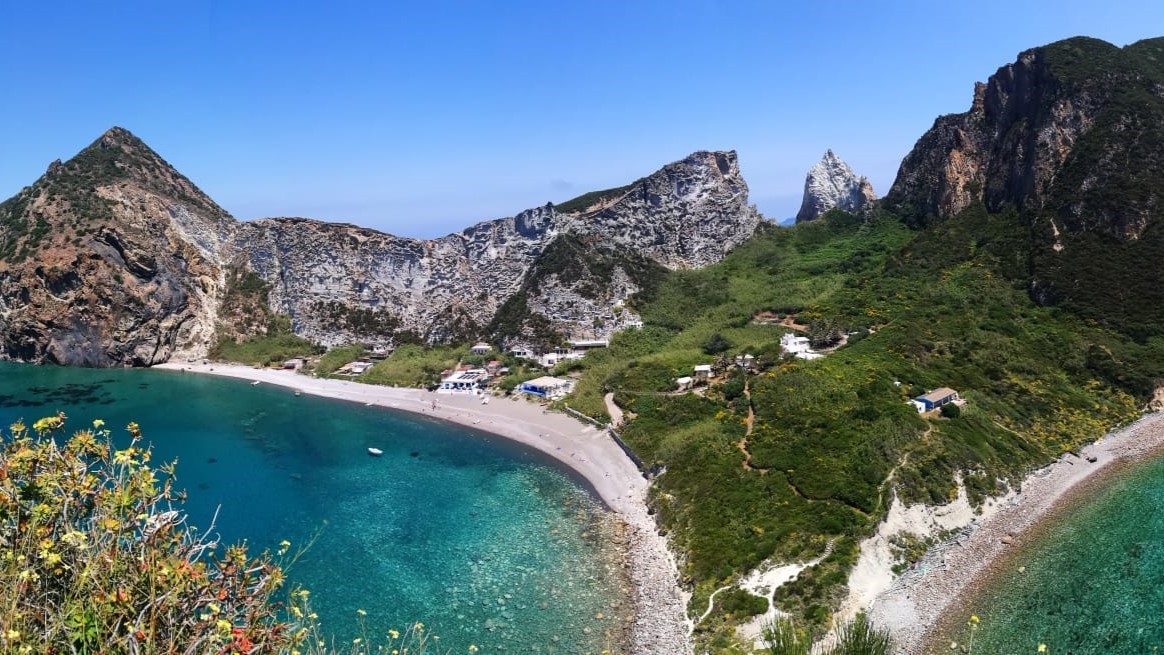
Floating in the Tyrrhenian Sea, it is part of the Pontine Archipelago off the coast of Lazio. There is no real town here, just a scattering of old fishermen’s shelters carved into the rock and a tiny seasonal trattoria. Here, everything revolves around the sea, from swimming and snorkelling to slowly circling the island by boat.
Unlike more developed islands, Palmarola has very few sandy spots, so you spend most of your time on the boat or scrambling over rocks to reach a ledge where you can sunbathe.
How to get to Palmarola
Palmarola is typically reached by boat from Ponza, which you in turn reach by ferry from mainland ports such as Anzio, Formia or Terracina. Once on Ponza, you can book a place on a shared boat excursion that does a full loop of Palmarola, or charter a small boat with a skipper if you want more flexibility.
Best time to visit Palmarola
The best time to visit Palmarola is usually from late May to June. Also, September, when the water is already warm, but the Pontine islands are not yet at full summer capacity. In July and August, you will still find it calmer than Italy’s headline destinations, but expect more day‑trippers from Ponza and the mainland, especially at weekends.
- Property for sale on the Pontine Islands
- Long-term rentals on the Pontine Islands
- Holiday homes on the Pontine Islands
Giannutri
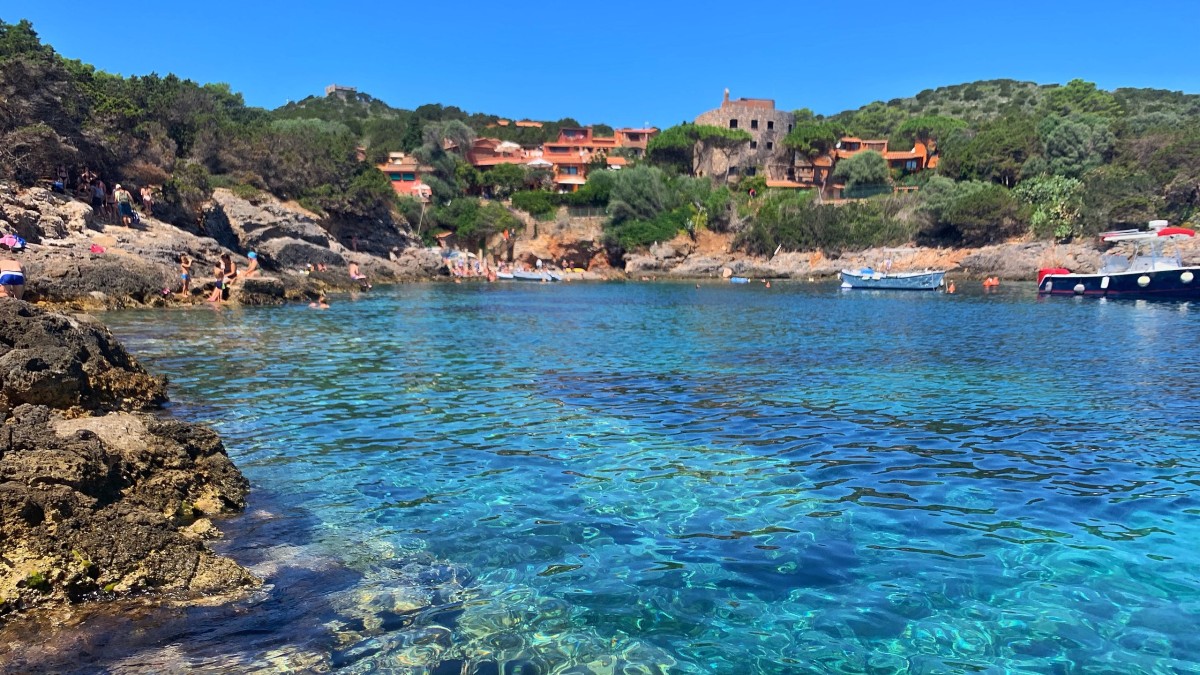
Giannutri feels wonderfully remote despite being relatively close to the mainland. This is partly because it is tiny and partly because much of it sits within the Tuscan Archipelago National Park, the largest marine park in Europe. The shoreline is rocky and indented, with clear, deep water that attracts divers and snorkellers who come to explore the underwater cliffs and seagrass meadows.
The ruins of Villa Domizia, which date back to the 2nd century AD, give Giannutri a strong sense of history and make a striking contrast with the wild landscape around it. Access to some parts of the island is regulated to protect local flora and fauna, which helps keep visitor numbers down even in the height of summer.
How to get to Giannutri
Giannutri is mainly served by boats from Porto Santo Stefano on the Argentario peninsula, with some services also running from Isola del Giglio in high season. Ferries and organised day trips usually operate from spring to early autumn, with the densest timetable between June and September.
Best time to visit Giannutri
Giannutri is very much a fair‑weather destination, with the main visiting window typically running from late April to October. If you prefer milder temperatures for walking to the villa and viewpoints, late spring and September are often the sweetest spots, with bright days and fewer people than in peak summer.
Where to stay on
Because accommodation on Giannutri itself is very limited and often privately owned, most visitors choose to stay on Giglio or on the Argentario coast and visit on a day trip.
- Property for sale on Giglio and Giannutri
- Long-term rentals on Giglio and Giannutri
- Holiday homes on Giglio and Giannutri
Marettimo
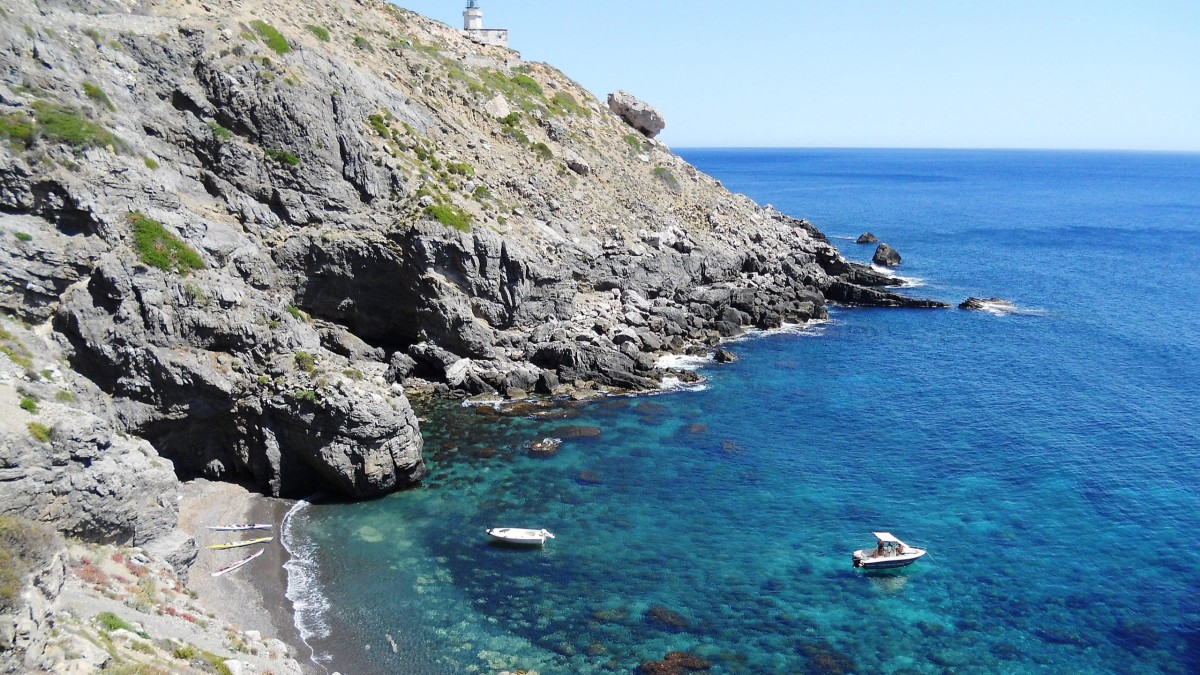
Marettimo sits on the western edge of the Egadi Islands in Sicily, and feels like the end of the line in the best possible way. The small port village, with its whitewashed houses and blue shutters, huddles beneath a rugged mountain ridge that rises steeply from the sea. Away from the harbour, you step straight into a landscape of thyme‑scented paths, pine woods and dizzying viewpoints.
Tourism here is still fairly low‑key, centred around diving, hiking and relaxed, early‑to‑bed evenings rather than nightlife. The island lies within the Egadi Islands Marine Protected Area, which helps preserve the clarity of the water and the health of the marine life, making it a favourite with snorkellers.
How to get to Marettimo
To reach Marettimo, you will usually travel first to Trapani, which has both an airport and good train and bus connections from other parts of Sicily. From there, ferries and hydrofoils operated by regional companies run out to the Egadi Islands, with stops at Favignana, Levanzo and finally Marettimo.
Best time to visit Marettimo
Marettimo’s hiking season runs broadly from spring through to autumn, but the feel of the island shifts a lot between April and October. Late April to early June and late September into October tend to offer the best mix of decent ferry connections, comfortable hiking temperatures and quieter paths.
Where to stay on Marettimo
Marettimo’s accommodation is mostly in and around the main village by the harbour, with simple guesthouses, rooms to rent and a few small hotels or holiday apartments.
Alicudi
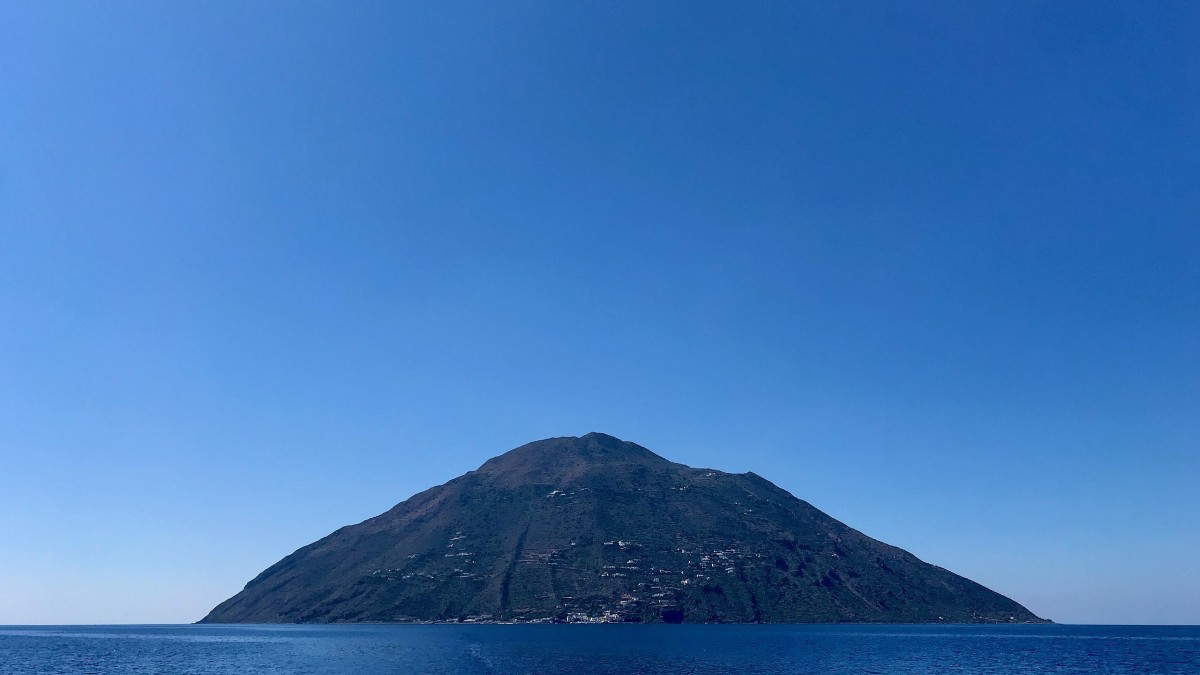
Alicudi is one of the least developed of the Aeolian Islands, a near‑perfect volcanic cone rising out of the sea north of Sicily. There is a tiny harbour, a scattering of houses climbing steeply up the slopes and not a single car. Goods are still often transported by mule along stone stairways. Because the terrain is so steep and infrastructure so minimal, Alicudi has stayed well off the mainstream tourist circuit, attracting mainly hikers, artists and people deliberately fleeing the modern world.
There are a few small places to eat in season and a tiny shop for basics. However, it is the sort of island where you bring what you need and accept that not everything will be available. Mobile signal and Wi‑Fi can be patchy, especially higher up, which is either heaven or hell depending on how attached you are to your inbox.
How to get to Alicudi
Alicudi is usually reached by hydrofoil or ferry from Milazzo on the north coast of Sicily, with some services also linking from other Aeolian islands such as Lipari or Salina.
Best time to visit Alicudi
Alicudi is at its most appealing from late spring to early autumn, when boat connections are running, the sea is warm enough to enjoy, and the small handful of local businesses are open.
Where to stay on Alicudi
Most accommodation on Alicudi takes the form of simple rooms and holiday homes, often in old fisherfolk houses that have been sensitively restored and adapted.
Linosa
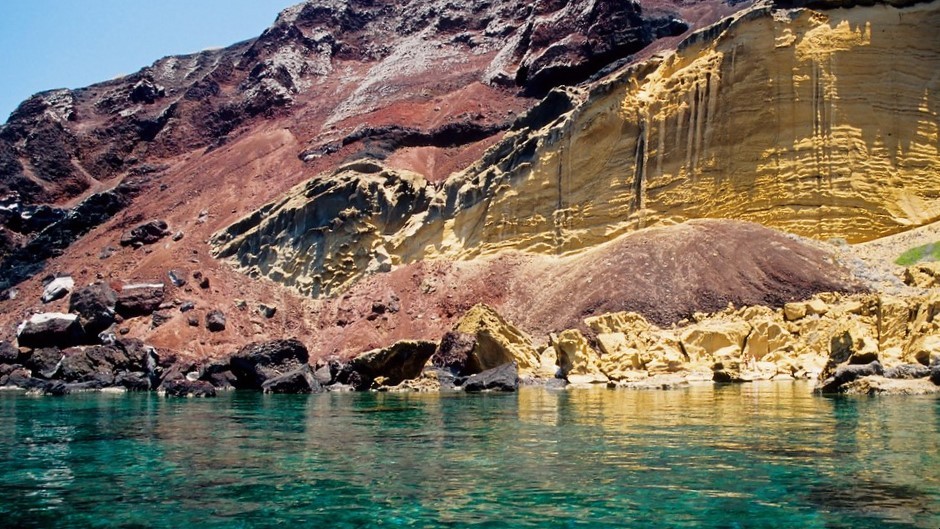
Linosa is a small volcanic island in the Pelagie Archipelago with a striking black‑and‑red landscape. Unlike the better‑known sandy shore of nearby Lampedusa, Linosa has more of a “lunar” feel. It boasts extinct craters, basalt cliffs and dark rock coves set against shockingly blue water. Thanks to its position and relatively modest tourism infrastructure, Linosa remains one of Italy’s more off‑grid islands, popular with nature lovers, birdwatchers and divers rather than party crowds.
The island is surrounded by waters rich in marine life, and boat trips often focus on snorkelling, swimming and visiting sea caves when conditions allow. Inland, you can walk up to old crater rims for big views over the sea or explore the agricultural terraces where locals still grow capers and other hardy crops.
How to get to Linosa
Reaching Linosa usually involves travelling first to Porto Empedocle in southern Sicily or to Lampedusa itself. From there, ferries and hydrofoils link the islands, with sailing times that can vary depending on the route and the type of vessel.
Best time to visit Linosa
Linosa’s main visiting season runs from around late May through to early October, when the sea is warm enough for long swims and the days are long and bright. If you are keen on birdwatching or quieter walks, the shoulder seasons in spring and early autumn can be especially rewarding, with milder temperatures and fewer visitors.
Where to stay on Linosa
Accommodation on Linosa is mostly in the form of small guesthouses, B&Bs and rental apartments, often run by local families.
Stay inspired for your travels in Italy —get our weekly newsletter for the latest travel, legal, and lifestyle news.
For a taste of the high life, sign up for the monthly luxury market round-up.