There’s a quiet magic to the Feast of the Epiphany in Italy, the kind that slips from folklore into everyday life before you’ve noticed. It’s the finale of the festive season, when a broom‑rielding nonna becomes the day’s living symbol and towns lean into tradition with a twinkle.
When is the Feast of the Epiphany in Italy
Across the country, the Feast of the Epiphany in Italy is marked each year on 6th January. The evening of 5th January is the vigil, observed as a quiet time of reflection and church services in anticipation of Epiphany in the Christian calendar.
Epiphany bookends the winter holidays, which begin with a bank holiday in early December. The date also nudges the start of the winter sales, so city centres can feel lively once parades finish. The pattern of winter holiday openings and closures in Italy often shapes plans for the festive season.
What is the Feast of the Epiphany in Italy
Rooted in Christian tradition, Epifania marks the manifestation of Christ and the visit of the Re Magi (Three Kings). In Italy, it has a distinct cultural flavour thanks to La Befana, the kindly old woman of folklore whose story folds older winter rites into the Magi narrative.
On the day itself, here’s what typically changes:
- It is a public holiday in the Italian calendar, so schools and public offices are closed.
- Larger museums in major cities often open on holiday hours. Independent shops may shut, while tourist‑area stores and cafés often trade part‑day.
- Public transport runs on a Sunday/holiday timetable. Expect lighter frequencies and occasional route changes around parades.
How Italians celebrate Epiphany
Traditions for Epiphany in Italy are cosy and community‑minded, with a gentle festive buzz in squares and parish courtyards. Details vary by region, but the same playful spirit threads through most celebrations.

Typical customs include:
- Stockings (calze) filled with chocolates, tangerines and small toys, plus carbone dolce (coal sweets) for “cheeky” behaviour.
- Presepe vivente, where neighbours act out the nativity in courtyards or village lanes.
- Falò della Befana bonfires in parts of the north and centre, with food stalls and mulled wine.
- Processions for the Re Magi, sometimes with musicians and flag‑throwers. Stay behind barriers when in place, and mind embers near bonfires.
La Befana in Italy: the story and symbols
La Befana is the kindly old woman who flies on a broom on the night of 5th January, leaving treats for children who’ve been good. Folklore ties her to the journey of the Magi, who supposedly invited her to join them. She declined, then later set out to find the Christ child, gifting sweets to little ones along the way.

Over time, this legend blended with older winter rites and a bit of rustic humour, which is why she’s often shown sooty and with a crooked hat.
- Scopa, the broom she rides and uses to “sweep” the old year away.
- Calza, the stocking strung up by the fireplace or on a doorknob.
- Carbone dolce, black sugar candy that looks like coal, plus ash‑coloured sweets in some regions.
- In schools, she appears in plays, while many towns organise charity Befana visits to hospitals and community centres.
What do you eat on La Befana?
Epiphany foods and sweets by region
Food over the festive season is comforting and local. Families often finish off the last of the Christmas panettone or pandoro, while bakeries bring out regional biscuits and breads tied to La Befana.
Piedmont and Liguria
In Piedmont and Liguria, the focaccia della Befana (fugassa in dialect) is a round, lightly sweet bread decorated with sugar and candied fruit. A dried fava bean is hidden inside, and the person who finds it gets crowned for the day or owes the next dessert, depending on the house rules.
Tuscany
In Tuscany, befanini are the star of the region. They are colourful, buttery biscuits cut into stars, hearts and stockings, sprinkled with hundreds and thousands.
You’ll also see chewy cavallucci biscuits spiced with anise and candied fruit, which pair nicely with a coffee after a chilly parade.

Veneto
Veneto marks Epiphany with dense, country-style slices of pinza della Befana (also called pinza veneta), a rustic cake made with polenta flour, dried figs, raisins and often fennel seed. It’s traditionally eaten around the big bonfires, when locals gather to burn a straw effigy and read the smoke for hints about the year ahead.
Abruzzo and central regions
Parts of Abruzzo, Lazio and Le Marche lean into fried treats to warm up the afternoon. Expect ribbons of pastry dusted with sugar, simple fritters and village‑style cakes baked for the local bonfire.
Signature Epiphany highlights in Italy
Some cities and towns have events that feel like old friends returning each year. These don’t change their character much, even if routes and times shift a touch.
Rome: a market
Rome hosts a family‑friendly festive market at Piazza Navona, usually the last hurrah before the lights come down. You’ll find stalls with toys, sweets and Befana trinkets, plus street performers and the odd puppet theatre.
Milan: a procession
Milan’s procession, Corteo dei Re Magi, starts by the Duomo and winds to the Basilica of Sant’Eustorgio, where tradition says relics of the Magi were once kept. Expect colourful costumes, musicians and banners fluttering against winter skies.
Florence: a parade
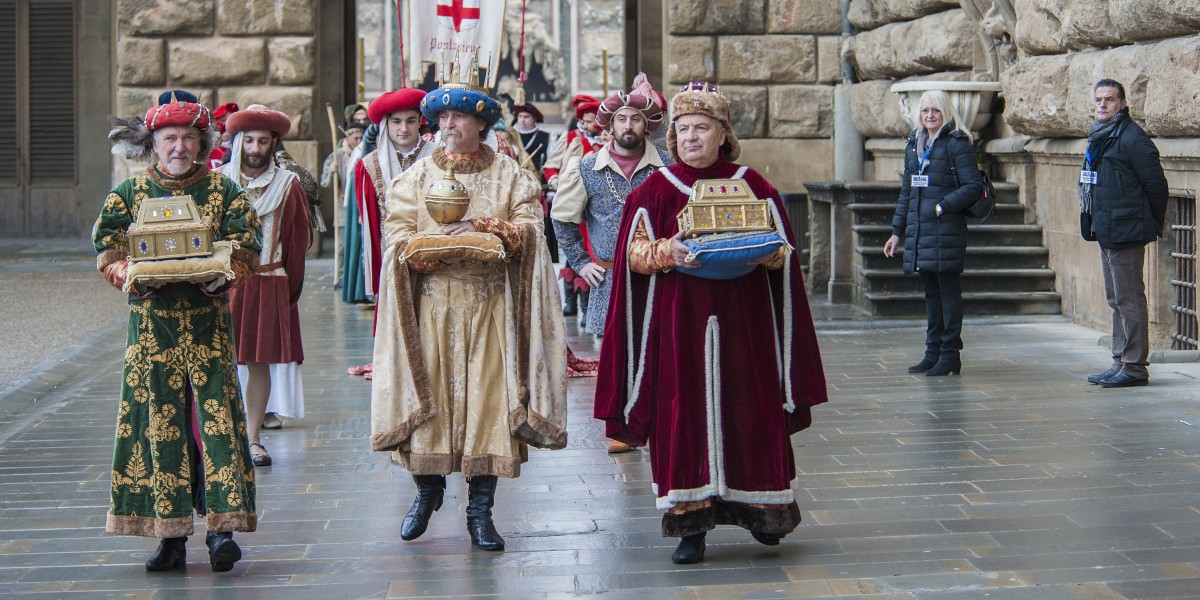
Florence turns Epiphany into a Renaissance tableau with the Cavalcata dei Magi parade, complete with flag‑throwers and drummers.
Venice: a regatta
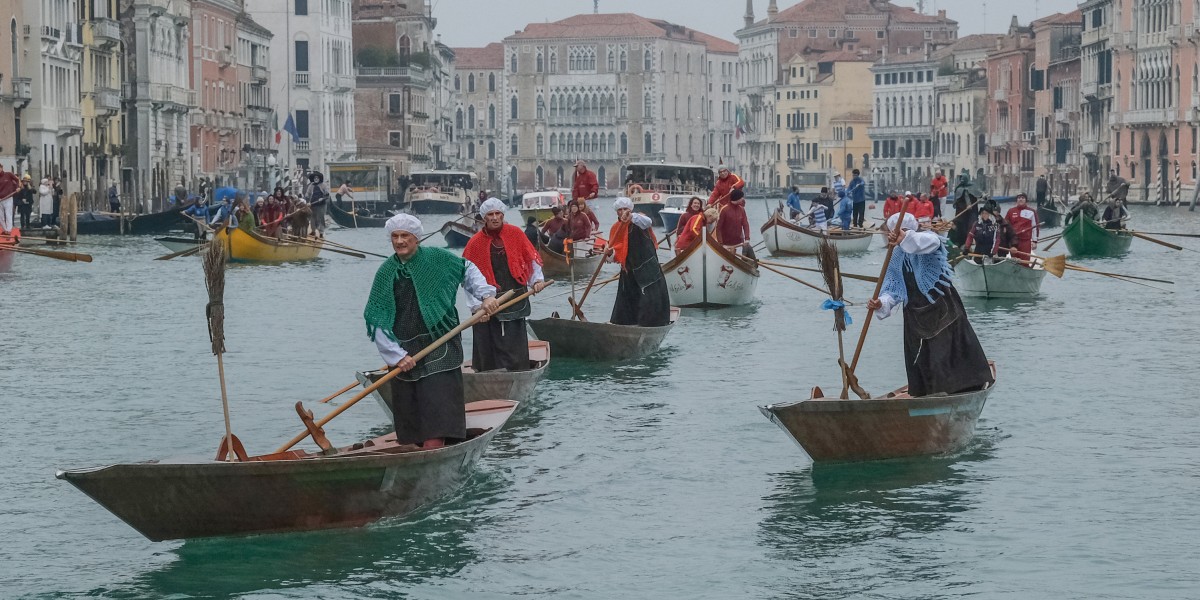
Only Venice would dress veteran gondoliers as Befane and set them racing on the Grand Canal for Regata delle Befane. The best views are from bridges like Rialto or along wider stretches where the current eases.
Urbania: a family festival
In Urbania, La Befana feels like a hometown hero. The town hosts a multi‑day festival with workshops, street theatre and visits to the Casa della Befana.
Verona: a giant bonfire
Verona gathers by the river for Brusa la Vecia, a towering bonfire that symbolically burns away the old year. The atmosphere is convivial and a bit smoky, so keep a scarf handy and mind the safety cordons.
Cervia and the Romagna Riviera: a beach fire
On the Romagna coast, towns like Cervia light beach bonfires and lay on concerts, food stalls and children’s activities.
Stay in the know about living in Italy as a foreigner—get our weekly newsletter for the latest travel, legal, and lifestyle news.