Eating well in Italy is as much about place as it is about recipes. Trying the top traditional Italian dishes reveals how each region has its own comfort foods shaped by local produce and centuries of habit.
Canederli

Canederli are Alpine bread dumplings from Trentino‑Alto Adige and neighbouring corners of the north‑east. They repurpose stale bread with egg, milk, herbs and usually diced speck, then form into balls for poaching.
Where and when to try it
They’re most satisfying in the colder months and after-ski days. Look in traditional inns across Trento, Bolzano/Bozen and Val di Fassa. You’ll often see them served in broth or with melted butter and chives.
Local tip: if you prefer vegetarian, ask for a cheese or spinach version, or choose the buttery plate instead of the meaty broth.
Osteria a Le Due Spade, Trento:
- Where: Via Don Arcangelo Rizzi 11, 38122 Trento
- Website: www.leduespade.com
Ossobuco alla milanese
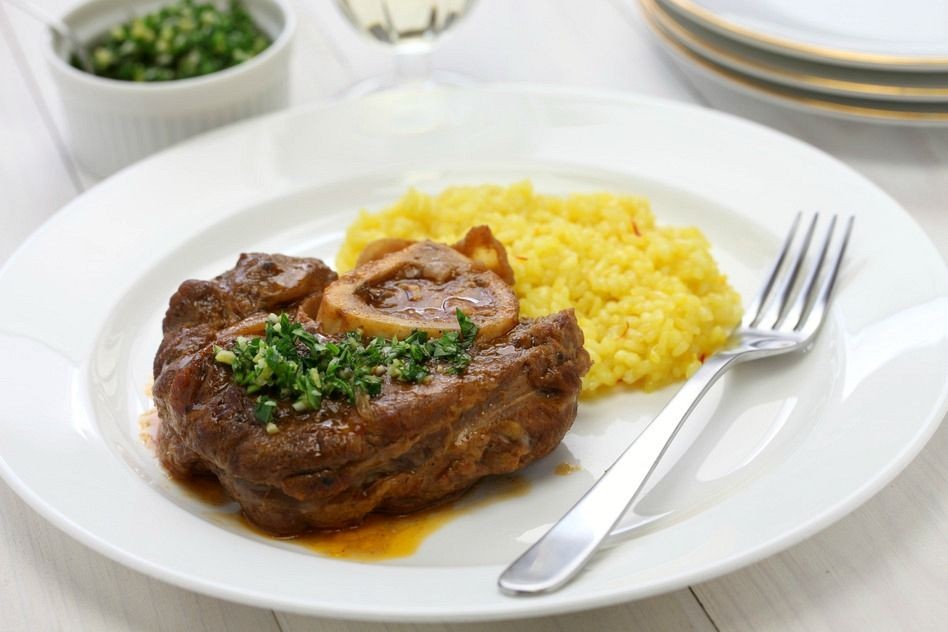
Ossobuco alla milanese is slow-cooked veal shank with a marrow bone in the centre. It's cooked either “in bianco” with wine and aromatics or with a light tomato base, and often paired with saffron risotto alla milanese.
Where and when to try it
Order it during the cooler months in classic dining rooms in Milan, especially in the south of the city and old residential neighbourhoods, where Sunday lunch is still a thing.
Local tip: save a small spoon for the bone marrow. Many locals spread it on a corner of risotto and finish with a squeeze of lemon.
Al Garghet, Milan:
- Where: Via Selvanesco 36, 20141 Milan
- Website: www.algarghet.it
Lasagna

Lasagne alla bolognese layers fresh egg pasta with long-simmered ragù, silky béchamel and generous Parmigiano Reggiano. In Emilia‑Romagna, it arrives bronzed and bubbling, with sheets thin enough to cut with a fork.
Where and when to try it
Bologna is the obvious pick, but Modena and Parma deliver excellent versions too. It’s a year‑round staple, especially at Sunday lunch.
Local tip: if you spot green pasta sheets made with spinach, try them. They’re traditional in many households and give a lovely texture.
Trattoria Da Me, Bologna:
- Where: Via San Felice 50/A, 40122 Bologna
- Website: www.trattoriadame.it
Focaccia di Recco

Focaccia di Recco col formaggio is a Ligurian speciality: two paper‑thin sheets of dough baked around fresh cheese until blistered and oozy.
Where and when to try it
Head to Recco in Liguria and coastal towns between Genoa and Camogli. It’s a reliable year‑round bite, great for sharing before a seafood main.
Local tip: eat it immediately. The contrast between crisp edges and molten centre is the whole point.
Bakery Moltedo, Recco:
- Where: 20 Settembre 2-4, 16036 Recco
- Facebook: Panificio Moltedo
Ribollita

Ribollita (ree-boh-LEE-tah) is Tuscany’s beloved market‑day stew. It turns cavolo nero, cannellini beans and stale bread into a thick, comforting bowl that’s traditionally reboiled the next day for deeper flavour.
Where and when to try it
Ribollita shines from late autumn to early spring when cavolo nero is in season. Look for it in Florence around Sant’Ambrogio and Mercato Centrale, and across Siena and nearby hill towns on weekday lunch menus.
Local tip: ask for it ben densa if you like it extra thick, and finish with a drizzle of Tuscan olive oil.
Buca Lapi, Florence:
- Where: Via del Trebbio 1r, 50123 Florence
- Website: www.bucalapi.com
- TripAdvisor: Buca Lapi
Spaghetti alla carbonara

Spaghetti alla carbonara is Rome’s most argued‑over pasta and one of Central Italy's classics. The original version is eggs, Pecorino Romano, guanciale and black pepper, tossed off the heat to create a glossy sauce that clings to the pasta. No cream needed.
Where and when to try it
You’ll find it all year in Roman trattorie, especially in Testaccio, Trastevere and Prati. Lunch is a sweet spot when kitchens are less rushed, and you've built up an appetite from exploring the city's non-touristy activities.
Local tip: if you’re tempted by variations, keep it simple. Ask if the kitchen uses guanciale rather than bacon for a proper texture and flavour.
Trattoria da Felice a Testaccio, Rome:
- Where: Via Mastro Giorgio 29, 00153 Rome
- Website: www.feliceatestaccio.it
Pizza

Pizza napoletana is soft, elastic and blistered from a blazing wood‑fired oven, with a tender cornicione and a light touch of toppings. A classic Margherita keeps things pure with tomatoes, mozzarella, basil and good olive oil.
Where and when to try it
Naples is the pilgrimage, though the style has spread widely. Expect queues in the historic centre at dinner time.
Local tip: fold a slice like a wallet (a portafoglio) if you grab one to go. It’s a local move and easier to eat while you wander.
Pizzeria Sorbillo, Naples:
- Where: Via Dei Tribunali, 32, 80138, Naples
- Website: Sorbillo
Burrata

Burrata is a pouch of fresh mozzarella filled with cream and mozzarella strands, soft enough to ooze when you cut into it. Born in Andria, it is delicate, milky and best when made that morning.
Where and when to try it
Seek out small caseifici in Bari, Andria and around the Valle d’Itria. It’s lovely year‑round, but tastes especially bright with spring and summer tomatoes.
Local tip: order it plain with bread and tomatoes, or alongside grilled vegetables.
1888 Lounge Bar, Gioia del Colle:
- Where: Via Concezione 9, 70023 Gioia del Colle Bari
- Facebook: 1888 Lounge Bar
Arancini

Arancini (Catania) or arancine (Palermo) are crisp, deep‑fried rice cones or balls with fillings such as ragù, mozzarella and peas, or spinach and cheese. Found all over Sicily, the shell is golden and crunchy, the centre soft and savoury.
Where and when to try it
You’ll find them all day in Sicilian bars and rosticcerie, great as a late breakfast or on-the-go lunch. Palermo and Catania both serve excellent versions with local twists.
Local tip: order the filling by name—ragù, burro (ham and cheese), norma (aubergine)—and ask what’s just come out of the fryer.
Savia Pastry, Catania:
- Where: Via Etnea 300, Via Umberto, Catania, Italy
- Website: Savia
Gelato
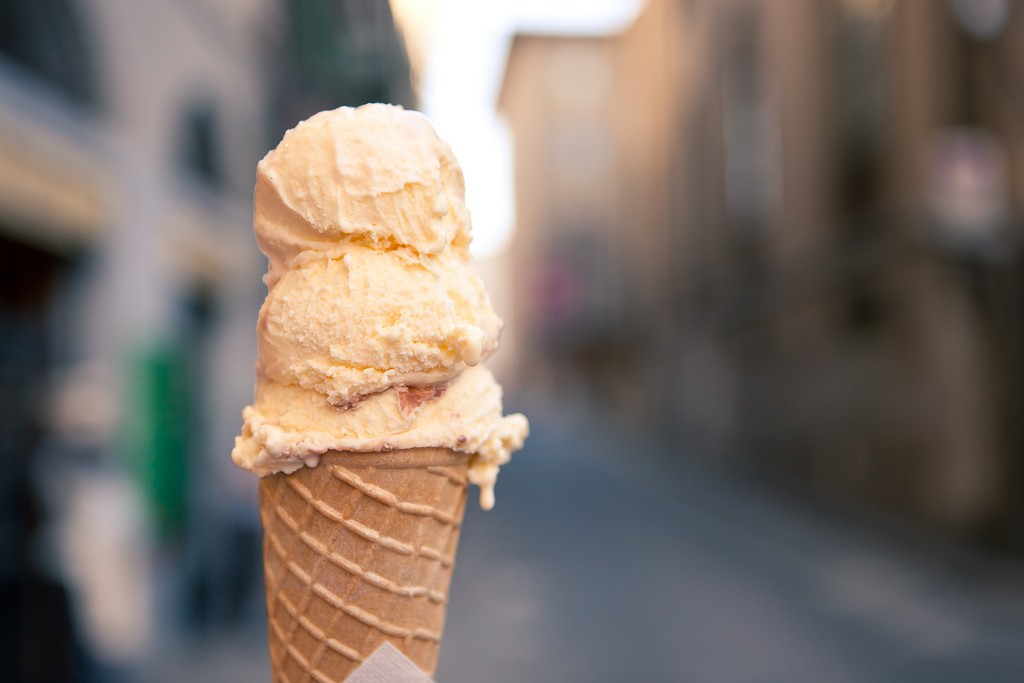
Gelato is Italy’s take on ice cream with less fat, less air and a slightly warmer serving temperature. Pistachio from Bronte, stracciatella and crema are classics, but seasonal fruit flavours can be standouts too when searching for the best 'ice cream' in Italy.
Where and when to try it
Anytime, any city, but Florence is said to be the OG when it comes to gelato. In touristy areas, look for small pans with lids and short, natural ingredient lists on the board.
Local tip: taste before you commit and watch the colours. Muted pistachio usually signals real nuts; neon green is a red flag.
--------------------
Stay inspired for your travels in Italy —get our weekly newsletter for the latest travel, legal, and lifestyle news.