Italian sparkling wine is a whole world beyond the usual Prosecco on the supermarket shelf. Italians talk about bollicine rather than “bubbly”, and each region has its own idea of what those bubbles should taste like. If you like Champagne‑style richness, there are proper traditional‑method wines. If you prefer something easy, fruity and not too pricey, there are plenty of tank‑method bottles to explore across Italy.
Italian sparkling wine: names, styles and how it differs from Champagne
At the simplest level, Italian sparkling wine splits into two pressure levels and two main production methods.
Key terms to know
- Spumante – fully sparkling, similar pressure to Champagne.
- Frizzante – lightly fizzy, softer bubbles.
- Metodo Classico – second fermentation in bottle, like Champagne.
- Charmat (tank method) – second fermentation in a sealed tank, then bottled under pressure.
Compared with Champagne, Italian sparkling wine uses more grape varieties and regions, with many wines leaning towards fresh, fruity and floral flavours instead of toast and brioche.
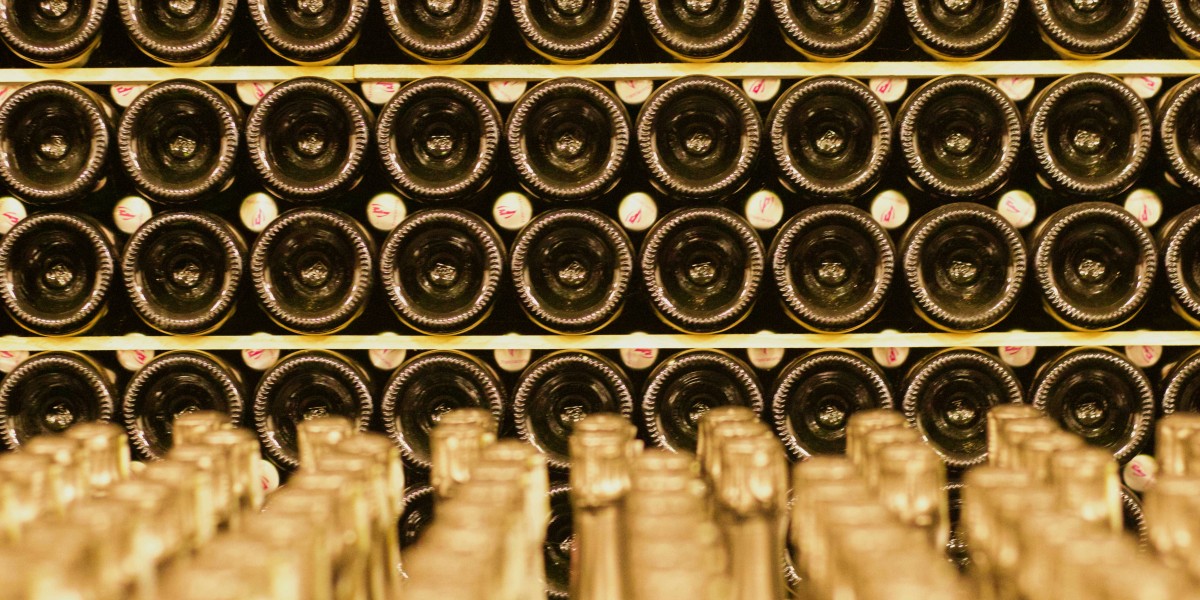
What is Italian sparkling wine called?
The broad Italian word for sparkling wine is spumante, while vino frizzante signals something gently fizzy. On top of those, there are protected names tied to specific areas and grapes.
Common Italian sparkling wine names
- Prosecco – Glera‑based, mainly from Veneto and Friuli‑Venezia Giulia.
- Franciacorta – traditional‑method DOCG in Lombardy.
- Trentodoc – traditional‑method sparkling from Trentino.
- Asti and Moscato d’Asti – Moscato‑based fizz from Piedmont.
- Lambrusco – red or rosé, usually frizzante, from Emilia‑Romagna.
For crossword fans, the “Italian sparkling wine with 4 letters” is usually Asti, and the “one that starts with F” is either Franciacorta or Ferrari, a well‑known Trentodoc producer.
Italian sparkling wine regions
Italy’s sparkling wines are very regional, so once you know where a bottle comes from, you can usually guess its style. The north is cooler and produces most of the big‑name sparkling wines, while central and southern Italy add more experimental and local expressions.
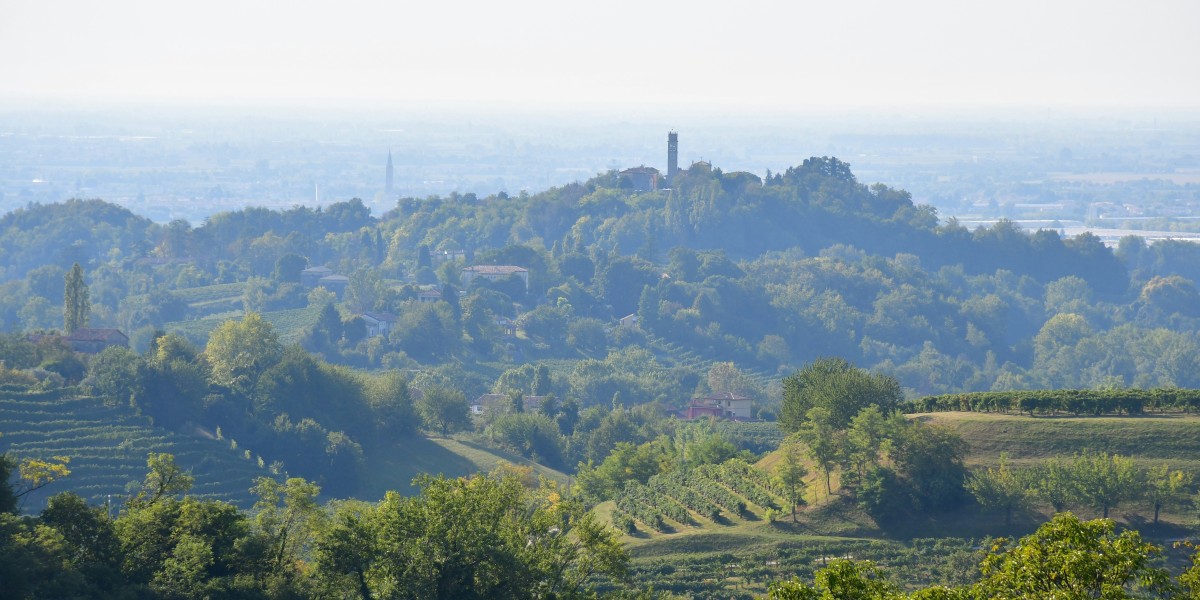
Northern Italian sparkling wine regions
Northern Italy has the highest concentration of famous sparkling wines, thanks to Alpine and pre‑Alpine climates that keep grapes fresh and acidic.
- Veneto – home to Prosecco, especially Conegliano‑Valdobbiadene and Asolo.
- Lombardy – Franciacorta DOCG and Oltrepò Pavese Metodo Classico, both focusing on Chardonnay and Pinot Noir.
- Trentino‑Alto Adige – Trentodoc and producers like Ferrari, using mountain fruit for crispness.
- Piedmont – Asti Spumante and Moscato d’Asti around Asti, plus more niche bubbles such as Alta Langa and Brachetto that are still under the radar.
Central Italian sparkling wine regions
Central Italy is less dominated by sparkling wine, but there are a few important pockets.
- Emilia‑Romagna – Lambrusco in various DOCs, mainly red or rosé, often frizzante and ranging from dry to sweet.
- Marche – smaller‑scale spumante from coastal and hillside vineyards, often using native white grapes.
- Tuscany and Umbria – scattered projects in both Charmat and Metodo Classico styles, usually made in modest quantities for local markets.
Southern Italian and island sparkling wines
Further south, most producers focus on still wines, but there is a growing scene of regional spumante and frizzante.
- Campania – sparkling Falanghina or Greco, with citrus and saline notes.
- Puglia – fizz from grapes like Negroamaro, often fruity and easy‑drinking.
- Sicily – sparkling wines from Grillo, Cataratto or Carricante, sometimes with an organic or low‑intervention edge.
- Sardinia – Vermentino‑based sparklers with a distinctly Mediterranean feel.
Types of Italian sparkling wine
Once you look at specific bottles, Italian sparkling wine falls into a few main families, each with its own typical grapes, method and flavour profile. Some, like Prosecco and Asti, are easy to find in UK or German supermarkets, while others, like Franciacorta or Trentodoc, tend to appear in wine shops, restaurants and more specialist sites.
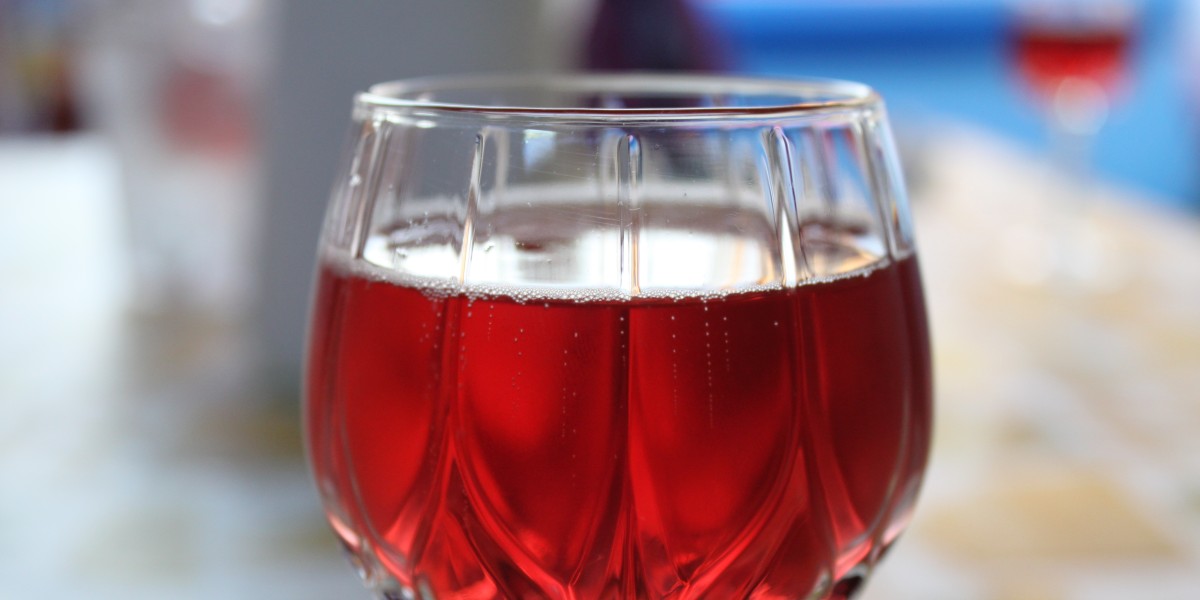
Prosecco and other Charmat‑method Italian sparkling wines
Prosecco is the best‑known sparkling Italian wine, made mostly from Glera in Veneto and Friuli‑Venezia Giulia using the Charmat method.
- Styles: usually spumante or frizzante, in brut or extra dry versions.
- Labels: Prosecco DOC is most common abroad, while Conegliano‑Valdobbiadene DOCG and Asolo DOCG are usually a step up in quality and price.
Franciacorta, Trentodoc and other Metodo Classico wines
Franciacorta and Trentodoc are Italy’s main answers to Champagne in terms of method and complexity.
Key Metodo Classico regions
- Franciacorta DOCG (Lombardy) – Chardonnay, Pinot Noir and Pinot Bianco, with styles such as Satèn and rosé.
- Trentodoc (Trentino) – mountain‑grown Chardonnay and Pinot varieties, often from organic vineyards.
- Alta Langa (Piedmont) – smaller‑scale traditional‑method wines from higher, cooler sites, usually with a more artisanal feel.
Asti Spumante, Moscato d’Asti and sweet Italian sparkling wine
Around Asti in Piedmont, Moscato grapes are turned into two related but distinct sparkling wines.
Sweet sparkling wines from Asti
- Asti Spumante – fully sparkling, sweet, low‑ish in alcohol and very aromatic.
- Moscato d’Asti – one of the most popular Italian dessert wines, gently fizzy, even lower in alcohol, and often bottled with a softer, more delicate mousse.
Lambrusco and red Italian sparkling wine styles
Lambrusco, from Emilia‑Romagna, is one of Italy’s most misunderstood sparkling wines, but can be brilliant with the right food.
Modern Lambrusco
- Colours and styles: mostly red or rosé, usually frizzante, ranging from bone dry to sweet.
- Food pairing: prosciutto di Parma, mortadella, rich ragù, pizza, and classic pasta dishes from the region.
Other Italian sparkling wine styles
Beyond the big names, Italy has dozens of smaller sparkling projects that are rarely discussed outside specialist circles.
Under‑the‑radar Italian sparkling wines
- Alta Langa (Piedmont) – traditional‑method, often vintage‑dated, with a fresher, leaner take on Chardonnay and Pinot Noir.
- Central‑Italian spumante from regions like Marche or Tuscany, often made in tiny volumes for local fans.
How Italian sparkling wine is made
The way Italian sparkling wine is made has a huge impact on flavour, texture and price, and there are two main approaches used across the country.
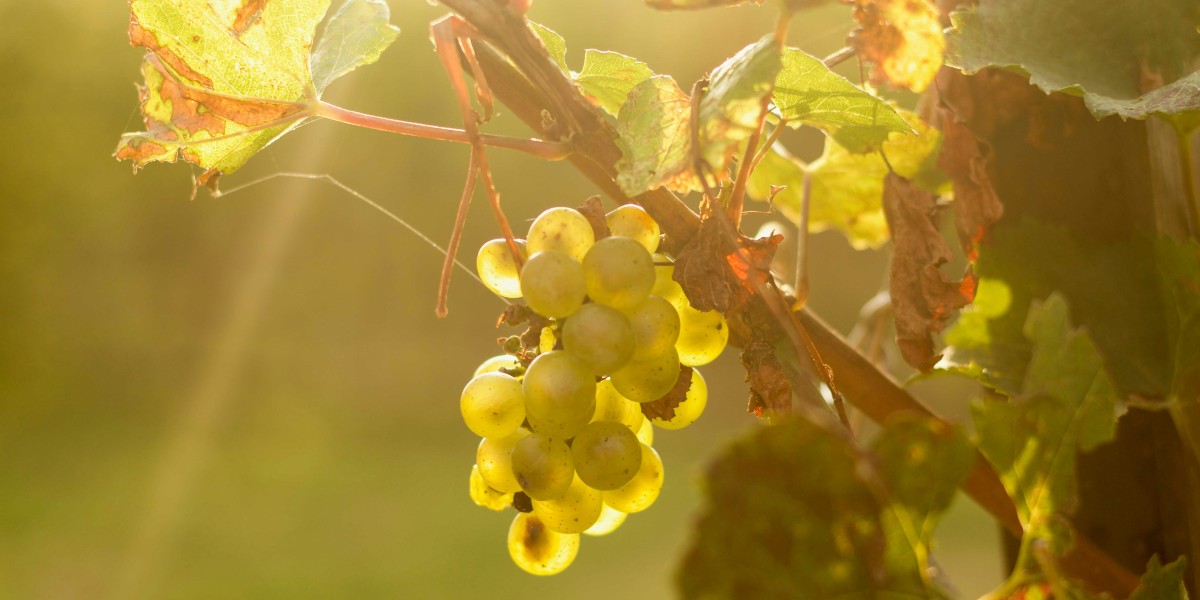
Metodo Classico (traditional method)
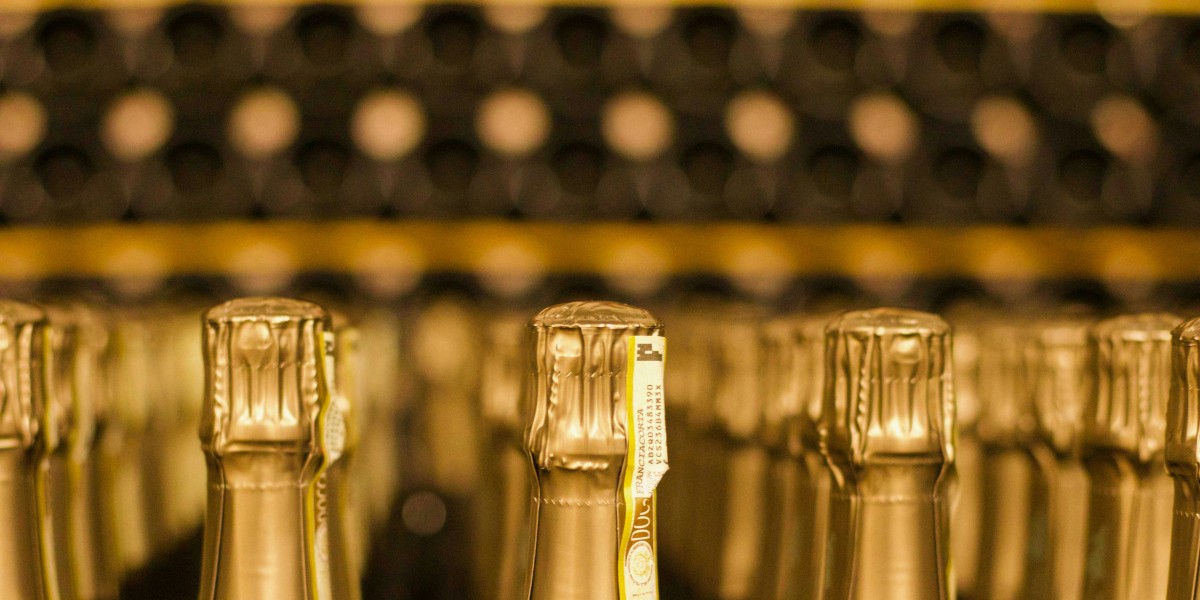
Metodo Classico starts with a still base wine that is bottled with yeast and sugar, so a second fermentation can happen inside the bottle. The wine then rests on its lees for months or years. The sediment is then removed, and a small dosage fine‑tunes the sweetness.
Regions like Franciacorta, Trentodoc and Alta Langa set minimum ageing times, which helps explain why these wines sit above Prosecco in price and complexity.
Charmat (tank) method
With the Charmat method, the second fermentation happens in a sealed tank rather than in individual bottles. The wine is then filtered and bottled under pressure. This is much more efficient and great for fresh, fruit‑driven styles such as Prosecco and many everyday “Italian fizzy wine” labels.
The same equipment allows producers to make both fully sparkling spumante and softer frizzante wines at lower pressures. Outside Italy, most of the sparkling Italian wine on supermarket shelves will have been made this way, even if the label does not spell it out.
Italian sparkling wine vs Prosecco vs Champagne
Italian sparkling wine is a broad category. Prosecco is one famous slice of it, and Champagne is a separate French benchmark that shares only the bubbles and the traditional method.
When people talk about “Italian Champagne”, they are almost always referring to these Metodo Classico wines, even though Champagne itself is a protected French name you will not see on Italian labels.
Stay in the know about all things Italy—get our weekly newsletter for the latest travel, legal, and lifestyle news.
For a taste of the high life, sign up for the monthly luxury market round-up.