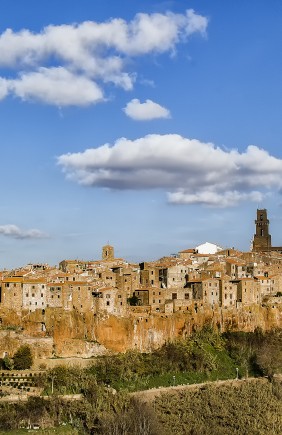
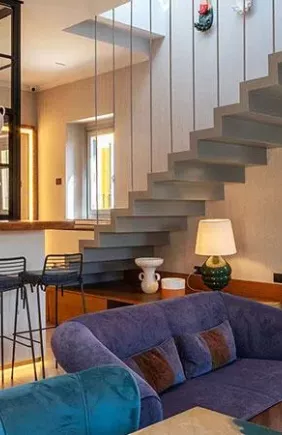
If you’ve spent any time scrolling “1 euro house Italy” on YouTube, you’ve probably seen 1-euro house schemes in Sardinia pop up a lot. The idea sounds almost too good to be true, and the reality is indeed a bit more complex—but still very tempting if you know what you’re getting into.
How 1‑euro house schemes in Sardinia work
All of these Sardinian village projects are variations on the same basic concept: the house costs €1 on paper, but you’re really committing to a full renovation plus a few years of admin and village‑life adjustments rather than just a cheap holiday home.
Typically, you should expect:
- A symbolic purchase price (around €1) for a very run‑down house, usually in the historic centre.
- A legal obligation to renovate within a fixed period, often around 2–3 years.
- A refundable deposit or bank guarantee that the comune can keep if you don’t follow through.
How to buy a 1‑euro house in Sardinia
The exact rules of how to buy a 1-euro house vary slightly by village, but the rough sequence is the same almost everywhere.
In practice, you’ll usually need to:
- Pick a village and check the comune’s official website to see if a 1‑euro house call (bando) is currently open.
- Download the bando and any property lists or photos, and read the conditions carefully.
- Prepare your application with a renovation concept, a rough budget, proof of funds and your ID.
- Submit everything before the deadline and wait for the ranking/selection results.
- If you’re selected, sign a preliminary agreement and pay the deposit.
- Complete the purchase at a notary, then start the real work: design, building permits, renovation and progress reports.
Comparing the Sardinian 1‑euro villages
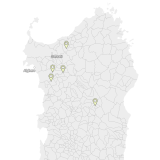
The five villages you’re looking at are all small, traditional and relatively quiet, but the feel of each is different.
Village | Location (Sardinia) | 1‑euro house scheme status | Ideal for… |
|---|---|---|---|
Ollolai | Barbagia | Active relocation/remote‑worker programme and new €1 houses soon | Buyers who want a traditional inland village with some expat trailblazers |
Nulvi | Northern Sardinia | Structured €1 project still active but often no houses available between rounds. | People who like hill‑town life with easier access to the coast |
Bonnanaro | Inland Sassari | Tiny, policy‑driven 1‑euro scheme tied to a 2020–2025 plan | Those who want deep immersion in a very small community |
Montresta | Oristano/Nuoro | Current focus on first‑home grants for buyers who make Montresta their main residence. | Nature‑lovers and remote workers who want a quiet base |
Romana | Inland Sassari | Has adhered to the 1‑euro project; now also runs ongoing first‑home grants | Buyers ready to settle in a micro‑community |
One-euro house schemes in Sardinia 2026
Ollolai
Ollolai is surrounded by hills and countryside rather than beaches and clubs. Daily life tends to revolve around the main square, local bars, food shops and village festivals, with bigger shopping and services a drive away in larger nearby towns.
You’ll feel a strong sense of tradition here—language, food, social life—and compared with many other 1‑euro villages in Italy, there’s already a visible trickle of foreign residents and second‑home owners.

Ollolai’s 1‑euro house scheme
Ollolai became one of the poster children of the 1‑euro movement, with multiple rounds of symbolic‑price house sales and real buyers from across Europe and beyond. The original scheme in Ollolai is no longer the only (or even main) way to try life in the village. The focus has shifted towards long‑term relocation and remote‑work programmes, where you’re expected to present a proper life plan for Ollolai, move your official residence there and live in one of the available €1 houses or other local housing.
Alongside this, the Work From Ollolai initiative invites remote professionals to stay in the village at a token cost (the famous 1€), in exchange for sharing their skills with the community.
Because the formats, requirements and availability can change, anyone seriously interested should check the latest details on the official project site.
Who Ollolai suits
Ollolai is a good fit if you:
- Like the idea of a very “Sardinian” village, but prefer not to be the only non‑Italian in town.
- Don’t mind being inland and relying on a car for beaches, big supermarkets and hospitals.
Nulvi
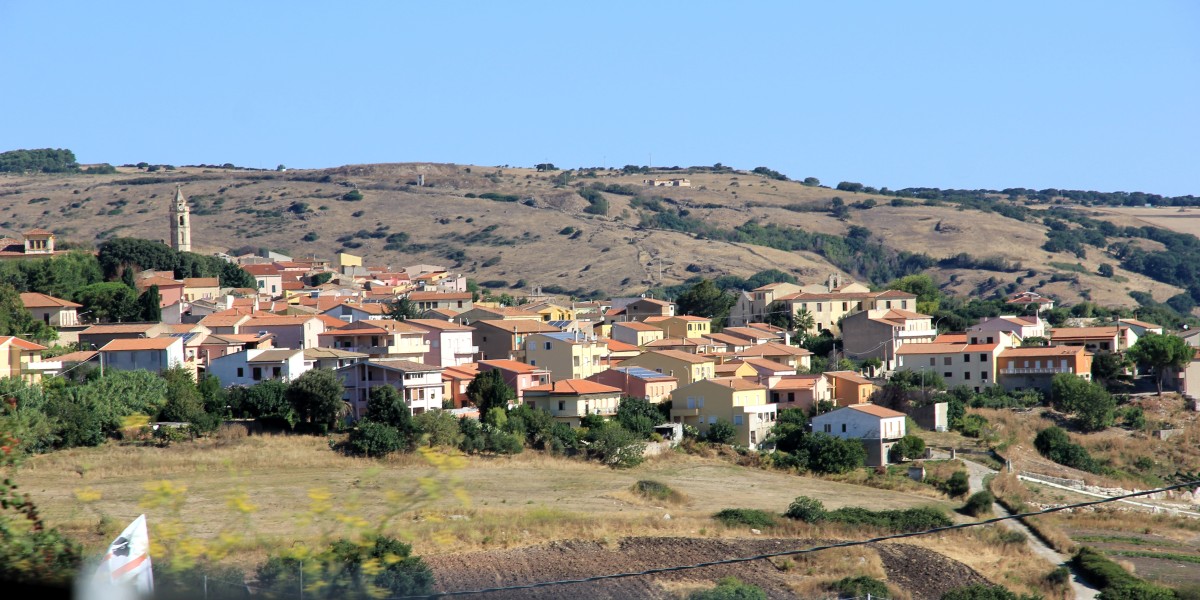
Nulvi is a hilltop town in northern Sardinia’s Anglona region, with narrow streets, stone houses and wide countryside views. It’s still inland, but closer to the northern coast than villages deep in the island’s interior-
Life here mixes small‑town rhythms—local festas, agricultural traditions, people who all know each other—with a bit more movement in and out compared with more isolated settlements.
Nulvi’s 1‑euro homes project
Nulvi has formally adopted a 1‑euro scheme in which the municipality acts as an intermediary between private owners of decaying properties and potential buyers. The buildings themselves never pass into public ownership; instead, owners can opt in to sell for €1 to buyers willing to create co‑housing, B&Bs, albergo diffuso‑style accommodation.
The project still exists and is described as active in recent references, with calls that run in rounds. However, the latest municipal notice states that there are currently no properties available, so anyone interested should treat this as a structured, ongoing framework rather than a guarantee of immediate stock.
Keep checking the official Comune di Nulvi website for new bandi and updated property lists.
Who Nulvi suits
Nulvi tends to appeal if you:
- Want village life but like the idea of reaching the north coast or a bigger town in reasonable time.
- See the house as a regular holiday base or long‑stay place rather than a once‑in‑a‑decade bolthole.
Bonnanaro
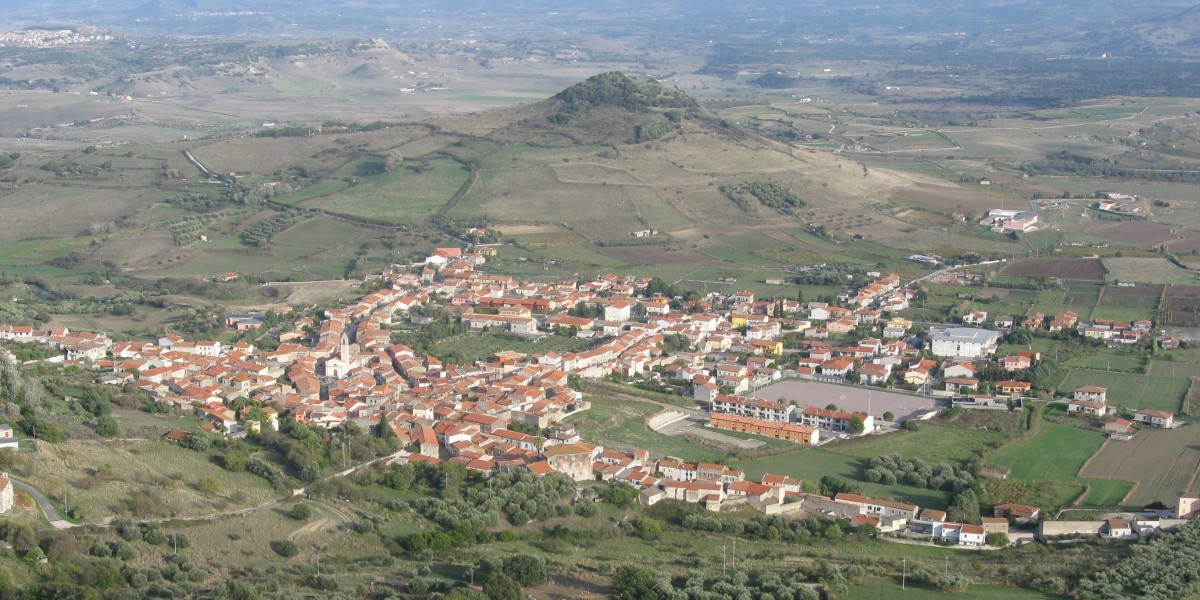
Bonnanaro is a small inland village where the social universe is compact: the bar, the church, the square, local associations and agricultural life. Foreign residents are rare, English isn’t widely spoken, and you’d very quickly become “the new person” that everyone knows by name.
Bonnanaro’s 1‑euro house initiative
Bonnanaro’s 1‑euro scheme is rooted in the town’s 2020–2025 development plan, which continues to guide local policy into 2026. The official guidelines make it clear that the priority is to bring life back to the historic centre with families, tourist accommodation and craft or artistic workshops. The municipality focuses on coordinating the process, ensuring transparency when assigning properties and encouraging socio‑cultural integration for new residents.
For more information and the latest on the scheme, check out the municipality's website or email ufficiotecnico@comune.bonnanaro.ss.it
Who Bonnanaro suits
Bonnanaro tends to fit people who:
- Want deep immersion in Sardinian village life rather than an expat bubble.
- Are retired, semi‑retired or able to work remotely without needing constant networking and events.
Montresta
Montresta is even more off the tourist trail, with just 400 inhabitants. It's a tiny inland community surrounded by rugged countryside and quiet roads, with a very slow rhythm and a strong sense of being “away from it all”. If you like walking, reading, writing or simply having your own routines without much external noise, the location has a lot going for it.
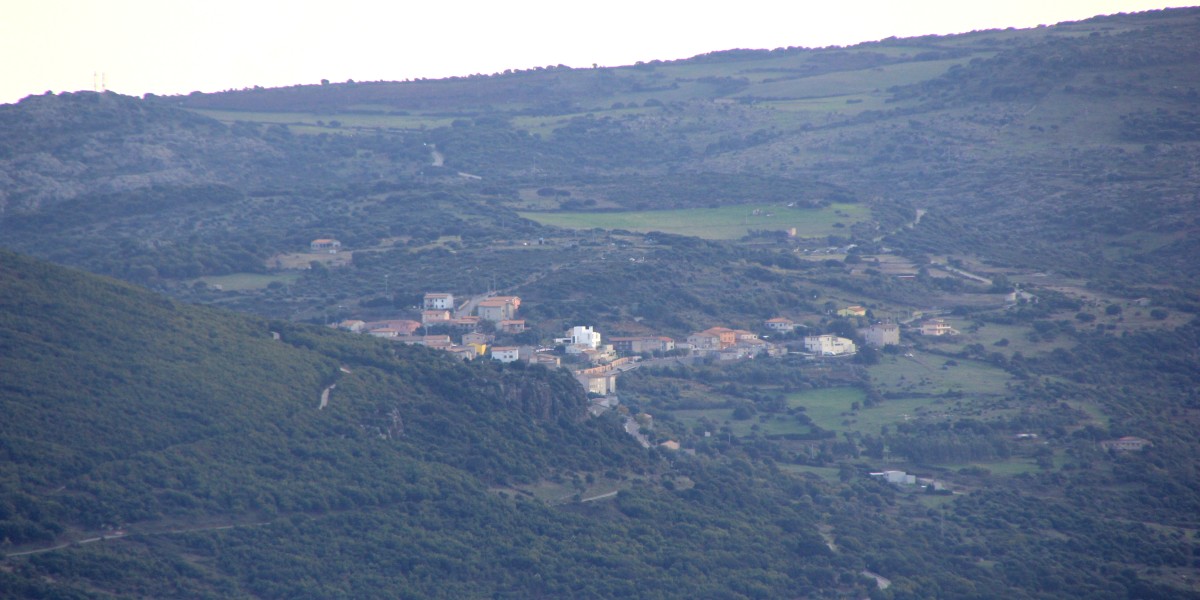
Montresta’s 1‑euro homes project
Montresta has experimented with the 1‑euro model in the past, with at least one small call for symbolic‑price houses. But by 2024, the focus had widened to a broader depopulation policy. This regional scheme of non‑repayable grants for first homes that covers up to 50% of the purchase or renovation cost. In practice, this means that while any future €1‑house rounds are still possible and would sit within that older framework, the more concrete, active tool going into 2026 is this grant system.
Anyone seriously interested should check both for 1‑euro bandi and for the latest “prime case” grant calls on the municipal website rather than assuming a classic €1 listing will be available on demand.
Email: protocollo@comune.montresta.or.it or tecnico@comune.montresta.or.it
Who Montresta suits
Montresta makes sense if you:
- Are happy being somewhere genuinely quiet, with nature on the doorstep and not many distractions.
- Can work remotely with patchy infrastructure if necessary, and don’t need constant face‑to‑face business contact.
Romana
Romana is another very small inland village in northern Sardinia, shaped by agriculture, tight social networks and seasonal cycles such as harvests and religious festas. It’s the kind of place where people greet each other by name, news travels fast, and local traditions matter.
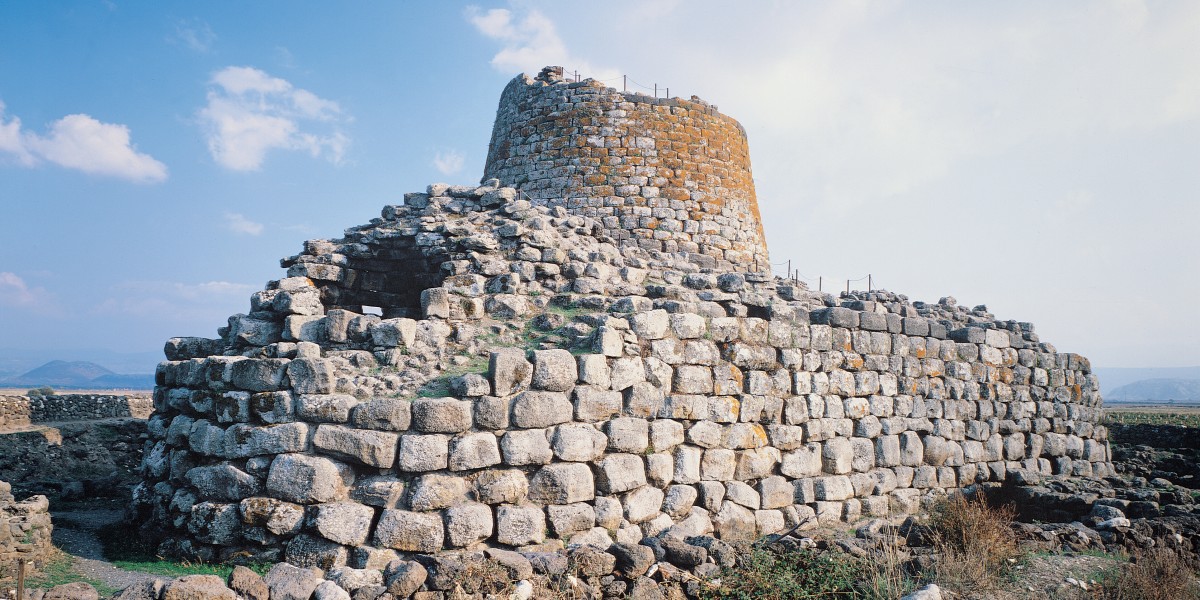
Romana’s Participation in the 1‑Euro Scheme
Romana has formally joined the 1‑euro house project and, like Bonnanaro and Montresta, has run it on a very small scale. But by 2026, the more concrete, ongoing tool to attract new residents is a regional grant scheme for first homes.
Romana has been allocated over €200,000 in non‑repayable funds to support people who buy and/or renovate a primary home. A new permanent call for applications opened in November 2025. Applications are handled in rolling six‑month “windows” with updated rankings, rather than through a single one‑off call.
So for 2026, it’s more realistic to see Romana as somewhere you might pair a cheap traditional purchase with these first‑home grants, instead of banking on a classic 1‑euro listing being available exactly when you want it.
Always check the official municipal website for the latest calls, grant windows and eligibility rules.
Who Romana Suits
Romana is a good fit if you:
- Want to be part of a micro‑community and are genuinely interested in learning Italian and, over time, some Sardinian.
- Prefer long, slow stays and everyday routines to coming and going in short tourist bursts.
- Don’t mind that social life is mostly local and offline, and that regional centres are a car journey away.
Choosing the right Sardinian village
To narrow it down, be brutally honest with yourself about a few things:
- How often will you actually be there—weeks each year, or several months?
- Do you care more about sea access, or are mountains and countryside fine?
- Are you happy being a pioneer in a tiny community, or do you want a bit of an expat path already laid down?
Stay in the know about living in Italy as a foreigner—get our weekly newsletter for the latest travel, legal, and lifestyle news.