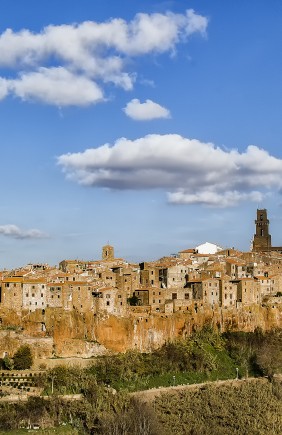
If there’s one tradition that never gets old, it’s Carnival in Italy. For a few weeks each year, piazzas turn into open‑air stages, children and adults dress up in masks and costumes, and everyday routines give way to parades, confetti and sweet, deep‑fried treats.
What is Carnival in Italy?
Carnival in Italy, or Carnevale, is the festive season in the run‑up to Lent. Every day life gets temporarily replaced by costumes, confetti and a lot of fried dough.
You’ll see slightly different versions of Carnival across the country, but the core is the same: people of all ages dressing up, music in the streets, and an excuse to enjoy rich foods and a bit of playful chaos before Lent starts.
When is Carnival in Italy?
In the Catholic calendar, Carnival is the pre‑Lent festival period. It reaches its peak on Shrove Tuesday, the day before Ash Wednesday, which marks the beginning of Lent.
Because Lent is tied to Easter, and Easter moves with the lunar calendar, Carnival dates shift slightly every year.
- Typical time frame: Most Italian Carnival events happen between early February and early March.
- Length of celebrations:
- Small towns: often 1–2 key days of parades and parties, with smaller school and parish events around them.
- Major Carnivals: typically run multi‑week programmes, with events spread across three or four weekends, plus the final days before Lent.
Why is carnevale celebrated in Italy?
The roots of carnevale go back a long way, and like a lot of Italian traditions, it’s a blend of ancient and religious.
Ancient and religious origins
Before Christianity, the Romans already had festivals that involved feasting, masks and a temporary upending of social order.
Later, as the Christian calendar took shape, these ideas fused with the period before Lent – 40 days of fasting, penance and reflection leading up to Easter.
Indulgence before restraint
Carnival became the socially accepted time to use up rich ingredients, relax rules and enjoy a bit of mischief before the more austere weeks of Lent.
Inversion and anonymity
Masks and costumes allowed people to step outside their everyday identities and social status.
How Italians celebrate Carnival today
However you slice it, there are a few things you’ll almost always find during carnevale in Italy.
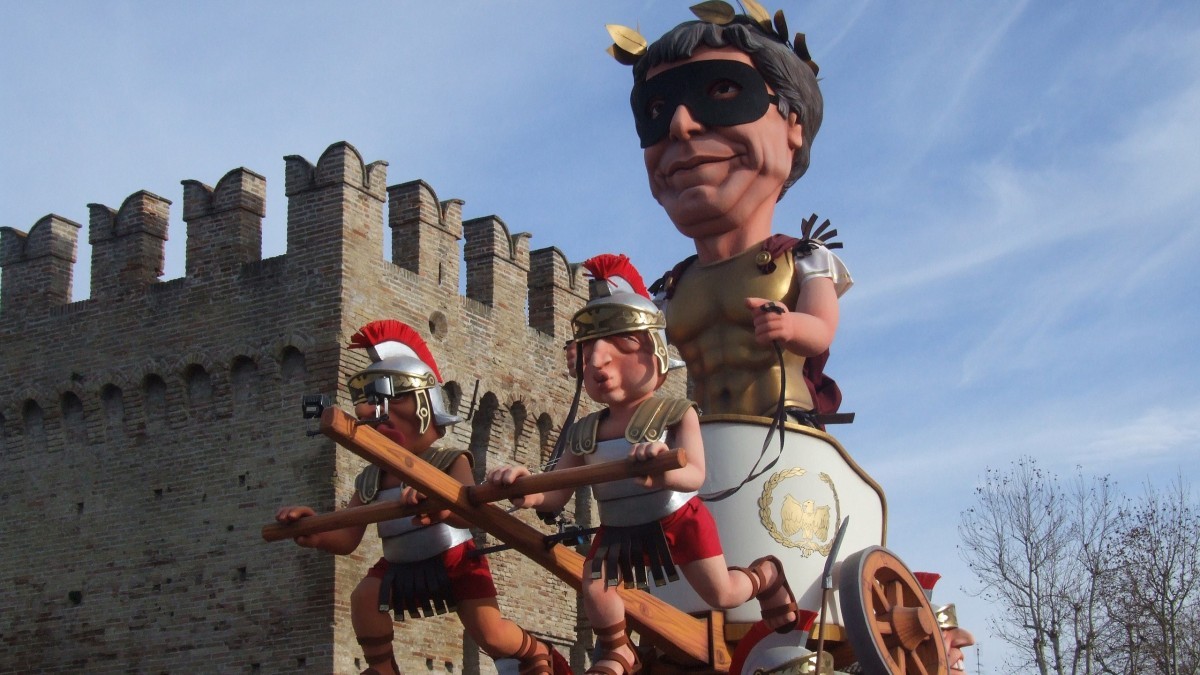
- Parades and floats: Most towns organise at least one parade, with decorated floats, costumed groups and marching bands.
- Confetti and street parties: Expect confetti everywhere – sold in big bags in supermarkets and thrown by both kids and adults.
- School parades and kids’ costumes: Schools and nurseries usually hold their own mini‑Carnivals.
- Local events: In small towns, Carnival might revolve around the main square, a local hall and the parish. In larger cities, there can be multiple events spread across neighbourhoods – concerts, street theatre, charity events, even masked aperitivi.
Traditional Carnival costumes and masks in Italy
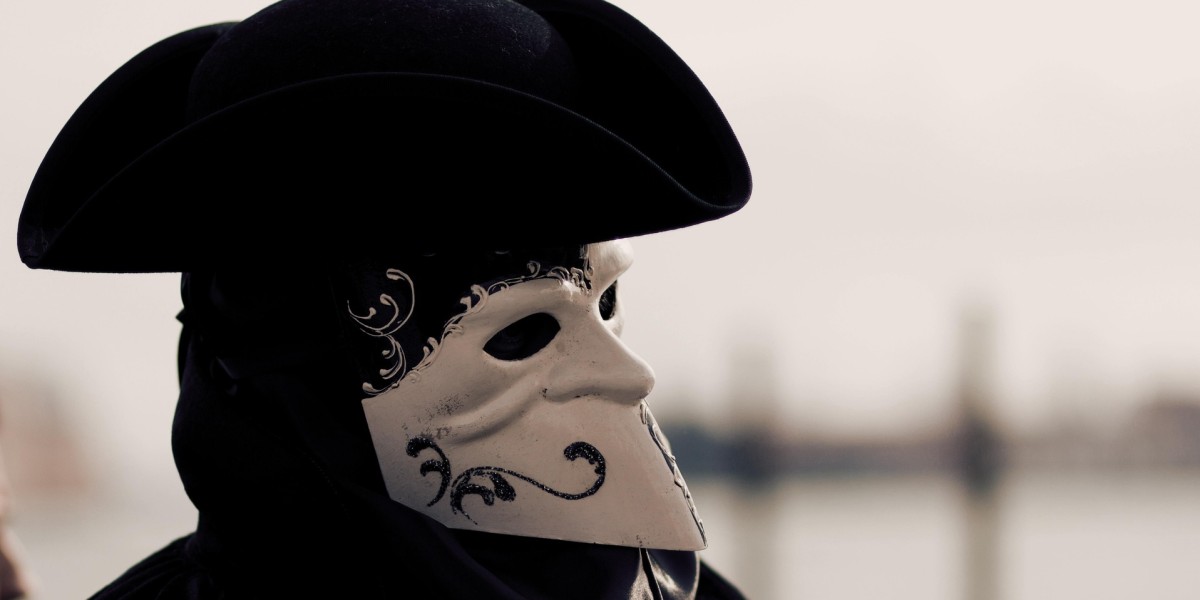
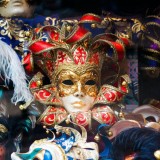
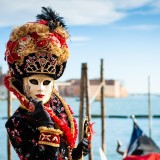
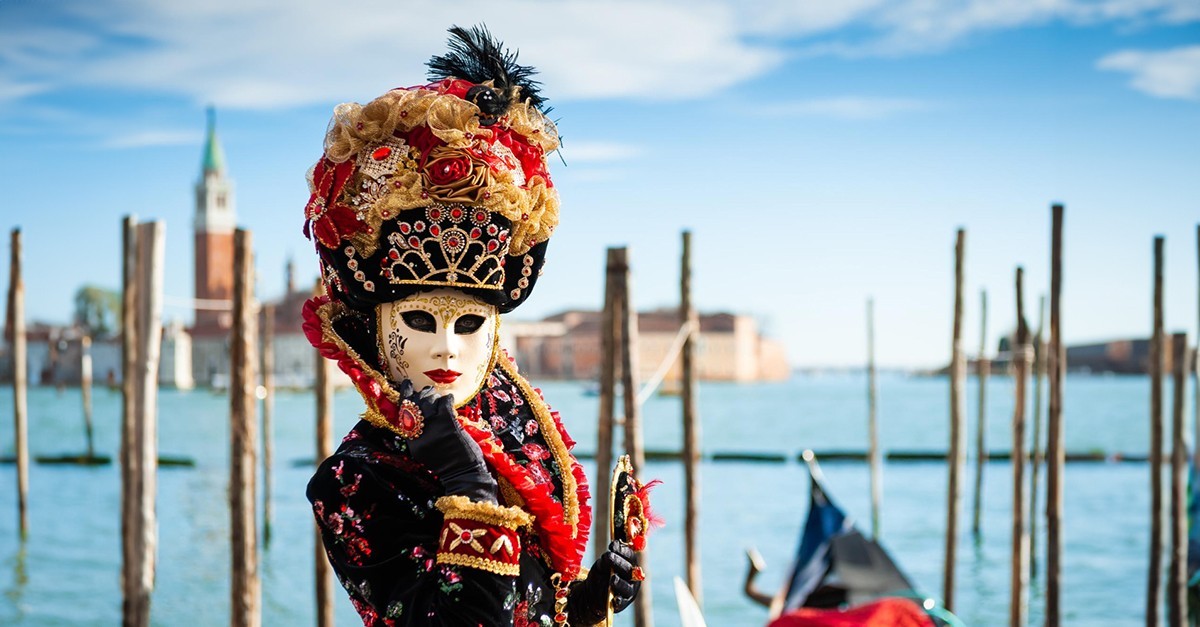
Iconic Venetian masks and historical costumes
Venice has given the world some of the most recognisable carnevale looks:
- Bauta – A white mask that covers the whole face, often paired with a tricorn hat and a black cloak.
- Moretta – An oval, usually black mask once worn by women, held in place by biting a button inside (so the wearer stayed silent). You see it more in historical imagery than on the street now, but it still appears at re‑enactments and balls.
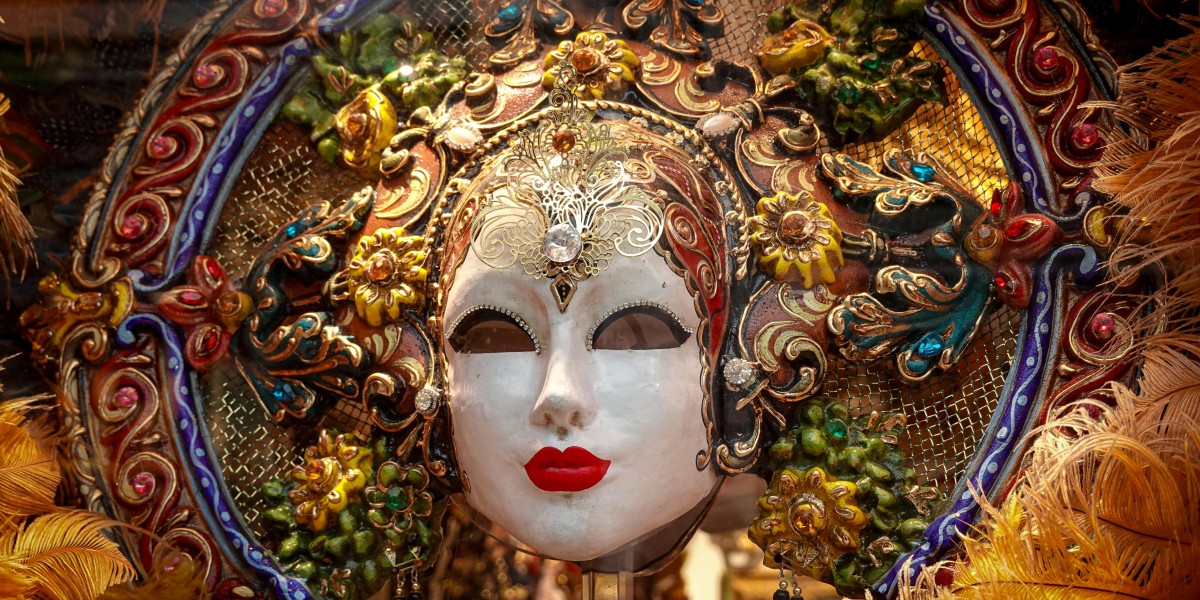
- Colombina – A half‑mask often decorated with gold, feathers and crystals, tied with ribbons.
- 18th‑century costumes: Think powdered wigs, brocade, pannier skirts and embroidered coats – the kind of outfits you’d see at Venetian balls.
Regional characters and figures
Beyond Venice, different regions have their own traditional figures:
- In places like Viareggio, the focus is more on the giant characters built into floats – exaggerated politicians, celebrities or archetypal figures, all in paper‑mâché.
- In parts of the south, you’ll see folk costumes, local masks and characters rooted in older rural traditions – shepherds, devils, animal figures or symbolic characters that represent the end of winter and the start of spring.
Where to experience Carnival in Italy
Italy has hundreds of local carnivals, from tiny village parades to famous events that draw international crowds. Some of the best carnivals in Italy feature epic parades, world-class period costumes, and exclusive balls.
Venice Carnival
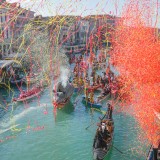
Venice is the classic image of Italian Carnival: masks reflected in canal water, 18th‑century costumes in misty alleyways, and events set against a historic lagoon backdrop.
Viareggio Carnival
Viareggio’s Carnival, on the Tuscan coast, is all about enormous, cleverly engineered paper‑mâché floats that roll along the seafront promenade.
Cento Carnival
The Carnival of Cento, near Ferrara in Emilia‑Romagna, is known for its elaborate allegorical floats and strong community participation.
Putignano Carnival
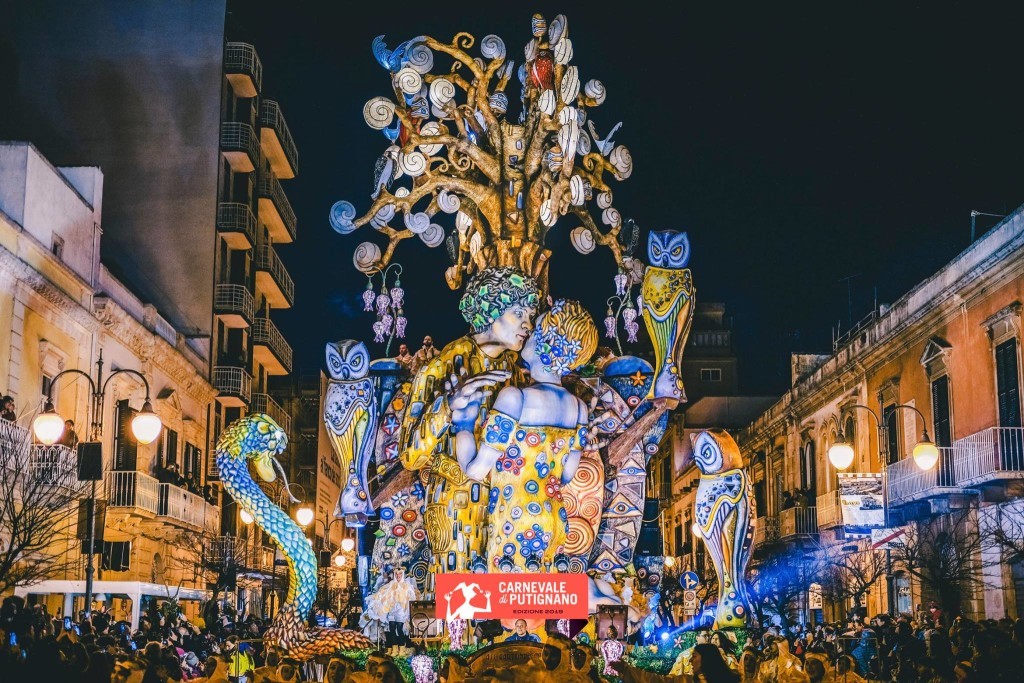
In the south, Putignano in Apulia hosts one of Italy’s oldest Carnivals, with records going back centuries.
Other famous Carnivals include Ivrea, known for its dramatic Battle of the Oranges, and Milan’s Ambrosian Carnival, which follows its own liturgical calendar.
What is the biggest Carnival in Italy?
The Venice Carnival (Carnevale di Venezia) is generally considered the biggest and most famous Carnival in Italy. It attracts visitors, photographers and media from all over the world, and images of its masks and costumes are used in tourism campaigns everywhere.
What food is eaten at Carnevale?
Food at carnevale is all about indulgent, often deep‑fried Italian sweets made with sugar, eggs and sometimes liqueur.
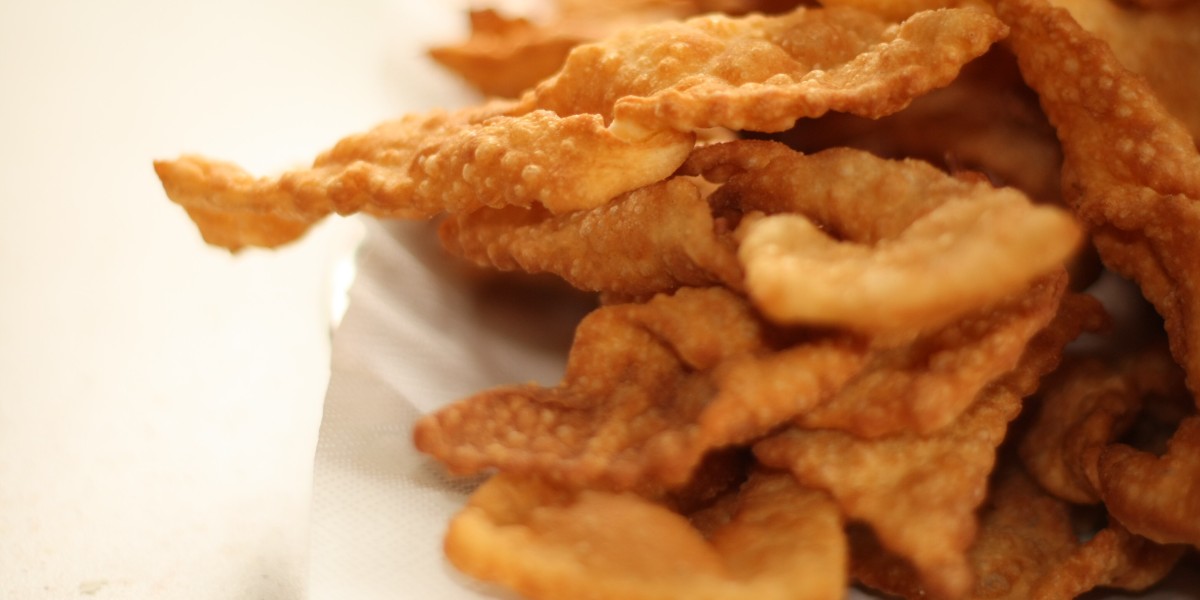
Recipes and names vary, but a few classics pop up again and again:
- Frittelle – Small fried dough balls, sometimes plain, sometimes filled with raisins, cream, ricotta or custard.
- Chiacchiere/crostoli – Paper‑thin strips of dough, fried until crisp and dusted with powdered sugar.
- Castagnole – Bite‑sized round fritters, sometimes filled, sometimes just flavoured with citrus or anise, then rolled in sugar or drizzled with honey.
- Sanguinaccio – Traditionally, a thick chocolate cream made with pig’s blood, sugar and cocoa, especially around Naples. Today, you’ll often find modern versions that keep the intense chocolate and spices but skip the blood.
Stay inspired for your travels in Italy —get our weekly newsletter for the latest travel, legal, and lifestyle news.
For a taste of the high life, sign up for the monthly luxury market round-up.